
Extenders and Sleeves Materials: A Complete Guide to What They’re Made Of and Why It Matters
The single most important question behind every purchase of an extender or sleeve is straightforward: what are extenders and sleeves materials actually made from, and how does that choice affect your skin health, comfort, and long-term safety? The short answer is that the two dominant families—medical-grade silicone and thermoplastic elastomer (TPE)—each carry distinct trade-offs in texture, durability, porosity, and care requirements, and understanding those trade-offs before you buy is the single best thing you can do for your own wellbeing.
Quick Answers
- What are the two primary materials? Medical-grade silicone (non-porous) and TPE/TPR (semi-porous, more affordable).
- Which is safer for sensitive skin? Silicone, because it is non-porous, hypoallergenic, and inert.
- Can I use any lubricant with a silicone sleeve? No—always use a water-based lubricant with silicone products; silicone-based lubes will degrade the material.
- How long does a TPE sleeve last with proper care? Typically 3–6 months of regular use before porosity-related wear makes replacement advisable.
- Where can I find clearly labeled material specs? At trusted retailers like XNXXMALL, where every product page lists the exact polymer grade and care instructions.
Who Is This For?
This guide is written for the curious first-time buyer who has been scrolling product pages, seeing “silicone” and “TPE” listed without context, and wondering which one is actually the right fit for their body and routine. It is equally relevant for:
- Beginners who want a safe, low-pressure entry into textured products and need to understand material differences before committing.
- Couples exploring shared products together who want to make an informed, non-awkward decision about what to introduce.
- Repeat users upgrading from a cheap, unlabeled product to one with transparent material sourcing and hygiene guidance.
- Anyone with skin sensitivities or allergies who needs to know which polymer family is least likely to cause irritation.
If you simply want to read a product review or a “top ten” list, this article will feel different. The goal here is to arm you with material science literacy so that any product you eventually choose—whether at XNXXMALL or another retailer—feels like a confident, informed decision rather than a guess.
Real Users, Real Stories
Anonymous Case: First-Time Buyer, Age 29
Marcus (name changed for privacy) told XNXXMALL’s support team that he’d been using the same unbranded TPE sleeve for two years, washing it quickly with hot water and a bit of body wash, and storing it in a drawer next to his phone charger. When a dermatologist flagged a recurring, faint ring-shaped irritation around his forearm, Marcus came to the brand’s care page looking for answers. The conversation he describes went like this:
> “I finally read that TPE is semi-porous. I had no idea bacteria could actually be trapped inside the material after a rushed rinse. The drawer was warm and humid. I was basically keeping a culture dish in my nightstand.”
After switching to a medical-grade silicone product from XNXXMALL’s verified collection and following the full wash-and-dry-and-store-in-a-breathable-pouch routine, Marcus reported that the irritation cleared within three weeks and that the new material’s non-porous surface made cleaning genuinely quick and reassuring. His takeaway: the material label on the box is not a marketing garnish—it is a hygiene instruction manual.
Myth vs Fact
Myth 1: “All sleeves are the same; the price difference is just branding.”
Fact: Material composition changes everything. TPE and silicone differ in porosity (semi-porous vs. non-porous), shelf life, lubricant compatibility, and how they feel against skin at body temperature. A $12 unmarked sleeve and a $60 labeled medical-silicone sleeve are physically different products in ways that affect bacterial retention, scent retention, and degradation rate. The price gap reflects polymer quality, molding precision, and the cost of third-party biocompatibility testing.
Myth 2: “You can just wipe it off, so material doesn’t really matter for hygiene.”
Fact: Wiping does not penetrate pores. With TPE, moisture and oils can migrate into the polymer matrix, where a quick wipe cannot reach. Over weeks, this leads to odor, surface tackiness, and potential microbial growth. Silicone’s closed-cell structure means contaminants sit on the surface and are removed by a proper soap-and-water wash. The “wipe-and-you’re-fine” habit is only safe with non-porous materials—and even then, a full wash before and after use is the standard.
A Typical First-Time Conversation
Below is a lightly dramatized dialogue between two friends, Sam and Jordan, comparing notes after Sam receives his first XNXXMALL sleeve:
Jordan: “So you actually read the material card inside the box?”
Sam: “Yeah, it said ‘medical-grade platinum-cured silicone.’ I had no idea there was a difference between platinum-cured and peroxide-cured silicone.”
Jordan: “I always assumed ‘silicone’ meant one thing.”
Sam: “Turns out platinum-cured is the higher-purity grade—fewer residual chemicals, softer feel, and it won’t interact with water-based lubes. The card also said ‘use water-based lubricant only.’ I almost reached for the same gel I use on my face.”
Jordan: “Would that have hurt the sleeve?”
Sam: “Apparently it would have swollen the polymer over time. The instructions were clearer than most product labels I’ve ever seen. I just follow them: wash, dry, breathable pouch, done.”
Jordan: “That’s… actually more straightforward than I expected.”
Sam: “It is. The product itself is simple; the education around it is what makes it safe.”
How to Choose
Recommended Products


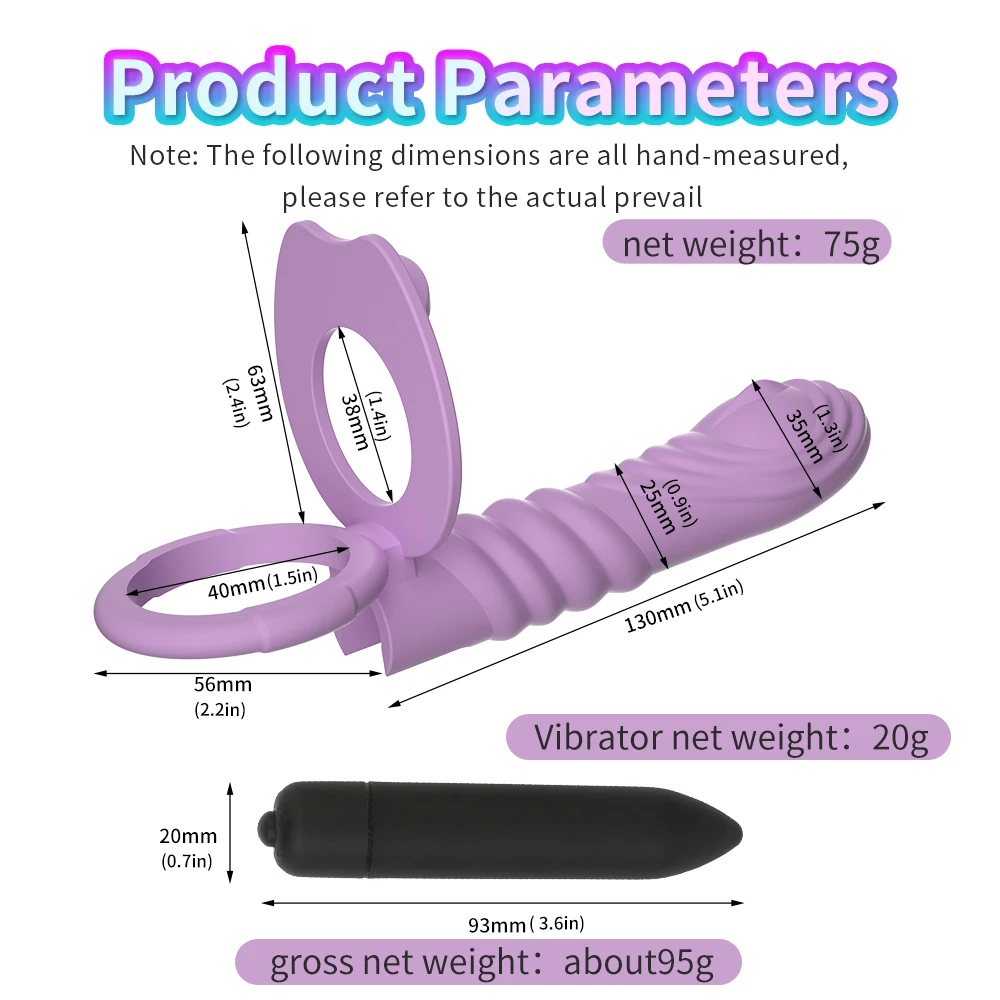
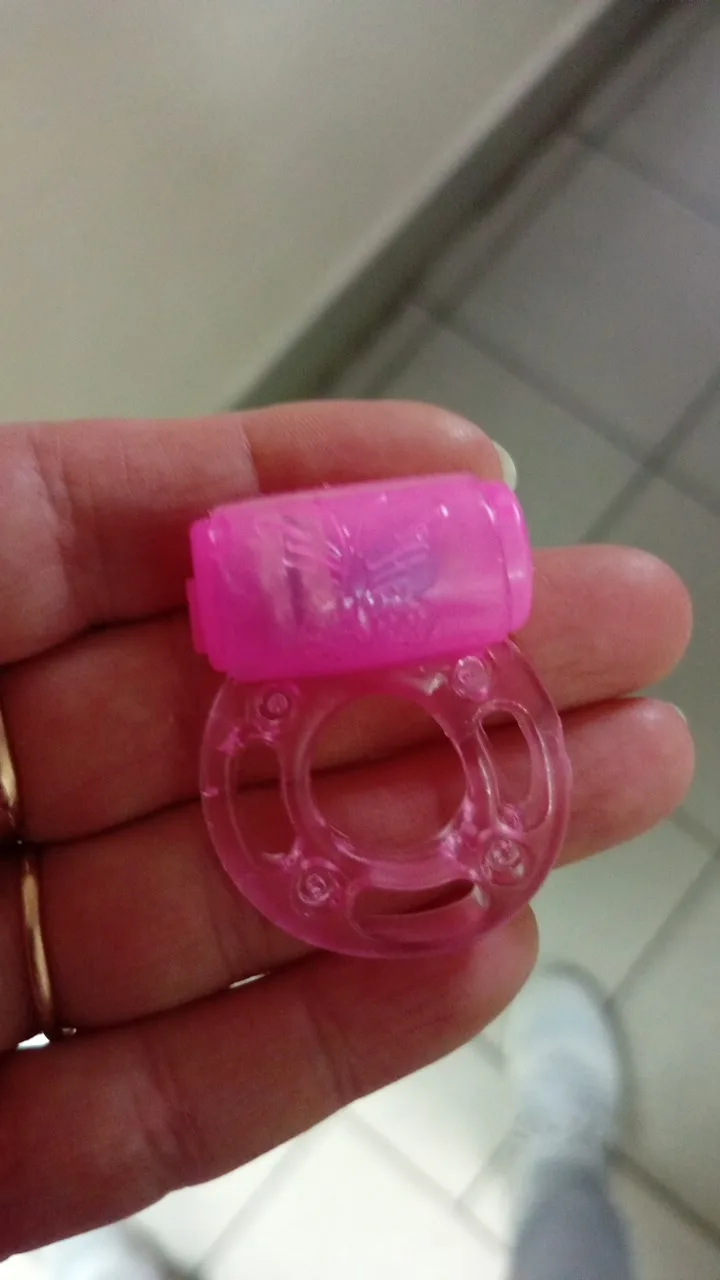
Recommended Products


When you read the materials section on any product page—ideally at a retailer that discloses full polymer specs, like XNXXMALL—ask yourself these questions in order:
1. Is the polymer named? “Silicone” alone is vague. Look for “platinum-cured” or “medical-grade” for silicone; “TPE” or “TPR” for the more affordable option.
2. Porosity: Non-porous (silicone) = easier hygiene, longer life. Semi-porous (TPE) = softer, more realistic feel, shorter replacement cycle.
3. Lubricant compatibility: Check the card. Water-based lube is the universal safe choice; silicone-based lube degrades silicone products; oil-based lube can compromise TPE.
4. Allergy profile: If you react to latex or certain plasticizers, confirm the product is latex-free and free of phthalates. Reputable listings at XNXXMALL include a “free-from” list.
5. Intended use frequency: Daily use favors the durability of silicone; occasional, gentle use makes TPE a reasonable, lower-cost entry point.
6. Size and firmness: Material affects how firm or pliable the product feels. Silicone tends to run firmer; TPE runs softer. Match to your comfort preference.
You do not need to become a polymer chemist. You just need to read the two or three lines on the spec card and match them to your skin sensitivity, usage frequency, and lubricant of choice.
Safety & Care
The care protocol below is the same one printed inside XNXXMALL packaging and repeated on every product page, and it is non-negotiable for any material:
- Always use a water-based lubricant with silicone products. Silicone-based or oil-based lubricants will chemically react with the polymer, causing swelling, tackiness, and structural breakdown.
- Clean before and after each use with mild, fragrance-free soap and warm (not hot) water. Hot water deforms TPE; very hot water can warp silicone. Warm is the sweet spot.
- Dry completely with a clean, lint-free towel before storage. Trapped moisture is the #1 cause of odor and microbial growth in semi-porous materials.
- Store in a breathable pouch (cotton or mesh) away from direct heat, sunlight, and electronic devices that generate warmth. A sealed plastic zip-bag is the wrong choice because it traps humidity.
- Respect age verification and local regulations. These products are for adults only. Verify your jurisdiction’s legal purchase age, and ensure the retailer you use (such as XNXXMALL) enforces identity checks at checkout.
If you notice cracking, an off-putting smell that doesn’t wash out, or surface tackiness that a wash can’t remove, replace the product. Material fatigue is not a sign to “push through”; it is a sign the polymer matrix has degraded.
Top Recommendations
XNXXMALL curates its extender-and-sleeve collection to make material transparency the default. A few categories worth exploring:
- Platinum-cured silicone sleeves (non-porous): Best for sensitive skin, high-frequency use, and users who want a long replacement cycle (12+ months). Look for “platinum-cured” in the title.
- TPE sleeves with textured interiors: Best for first-time buyers who prioritize a soft, body-mimicking feel and are willing to replace the product every 3–6 months.
- Hybrid construction (silicone exterior, TPE interior): A middle ground—easier exterior cleaning with a softer inner feel. Check the spec sheet to confirm which layer is which.
- Extended-length or shaped variants: Material choice matters even more here, because longer surfaces mean more area to clean and store. Non-porous silicone handles extended lengths better in terms of hygiene.
Every listing on XNXXMALL includes a “Material & Care” tab. Read it before you add to cart.
Common Mistakes & How to Avoid Them
| Mistake | Why It Happens | Fix |
|—|—|—|
| Using silicone or oil-based lube on a silicone sleeve | “They’re both silicone, so it should be fine.” | It isn’t. Chemicals in lube silicone break the cross-links in product silicone. Water-based only. |
| Storing in a sealed plastic bag | Seemed “cleaner” than a drawer. | Traps moisture → odor, bacterial growth. Use a breathable cotton or mesh pouch. |
| Soaking in hot water “to disinfect” | Hot = better cleaning, right? | Deforms TPE permanently; can warp silicone. Warm water + mild soap is sufficient. |
| Sharing without a barrier or full wash | “We just rinsed it.” | Semi-porous TPE cannot be fully sterilized by rinsing. Use a fresh product or a barrier (condom) for sharing, and wash per the full protocol. |
| Ignoring the expiry / replacement window | “It still looks fine.” | Porous materials accumulate what they can’t shed. Follow the 3–6 month TPE / 12+ month silicone guideline and replace. |
Frequently Asked Questions
: What are the safest extenders and sleeves materials for someone with eczema or contact dermatitis?
Platinum-cured, medical-grade silicone is the most biocompatible option available in this product category. It is non-porous, hypoallergenic, and free of common plasticizers that trigger contact reactions. Avoid TPE until you have confirmed you tolerate it, as its semi-porous structure can trap residue that irritates compromised skin.
: Do extenders and sleeves materials affect how long a product lasts?
Yes, directly. Non-porous silicone resists bacterial infiltration and lubricant absorption, so it retains structural integrity for a year or more with proper care. Semi-porous TPE allows small amounts of moisture and oils to enter the matrix, accelerating surface degradation. Expect roughly 3–6 months of regular use before the texture and smell signal it’s time to replace.
: Can I sterilize my sleeve, and do extenders and sleeves materials tolerate boiling or UV light?
Boiling is not recommended for either material; it will deform TPE and can alter silicone’s cross-link structure. A short UV-C disinfection cycle (10–15 minutes) is safe for silicone but not for TPE, which can yellow and embrittle under UV exposure. The practical, manufacturer-endorsed method is the warm-soap-and-water wash followed by full air-drying.
: Why does XNXXMALL list “water-based lubricant only” next to silicone products but “water- or silicone-based” next to TPE?
Because the chemical interaction is different. Silicone lube will react with and soften silicone product material. TPE, being a different polymer family, tolerates silicone lube better—though water-based is still the gentlest universal choice. The label on the product is the authority; when in doubt, read the XNXXMALL care tab.
: Are there extenders and sleeves materials that are fully recyclable or biodegradable?
Not currently in mainstream consumer products. Both silicone and TPE are petroleum-derived polymers that are not biodegradable. Responsible disposal means cutting the product into small pieces and placing it in general (non-compost) waste, not recycling bins, to avoid contaminating the recycling stream. XNXXMALL’s packaging notes this on the care card.
Final Thoughts
Choosing the right extender or sleeve is ultimately a material-science decision disguised as a lifestyle one. Once you understand what “non-porous” versus “semi-porous” means for your skin, your routine, and your peace of mind, the product pages stop feeling like a guess and start feeling like a checklist. Read the spec card, match the polymer to your sensitivity and frequency, use water-based lubricant, wash and store properly, and respect the replacement window.
You can explore the full range of clearly labeled, spec-transparent options at [XNXXMALL](https://xnxxmall.com), where every listing includes a dedicated Material & Care section. And if you want a broader, medically reviewed perspective on sexual health and safe practices, the [Mayo Clinic’s sexual-health resources](https://www.mayoclinic.org/healthy-lifestyle/sexual-health) are a reliable, judgment-free starting point.
Your body deserves the same informed attention you’d give to any other piece of personal health equipment. Read the material line. Choose with confidence. Care for it the way the maker intended. Everything else is just routine.
 No products in the cart.