
Water Based Lubricants: A Complete Beginner’s Guide to Understanding, Choosing, and Caring for Your Lube
Intro
Choosing the right personal lubricant is one of the most overlooked decisions in everyday intimate wellness. Most people assume all lubes are the same, that they’ll “figure it out” once the moment calls for it, or that the product on the shelf says enough on its own. In reality, the formulation, pH balance, osmolality, and compatibility of your lube determine comfort, safety, and whether the product you’re using will actually last through the experience.
This guide is built for anyone who has zero prior knowledge of water based lubricants and wants to understand them from the ground up—what they are, how they differ from oil-based or silicone options, what to look for on a label, and how to store and care for the products you buy. No judgment, no pressure. Just clear, health-forward information you can use at your own pace.
Understanding Your Needs
Before you pick a single bottle, pause and ask yourself three questions:
1. What will it be used with? Latex condoms, silicone toys, or bare skin? Each material reacts differently to water, oil, and silicone formulations.
2. Do you have sensitivities? Fragrance-free, dye-free, and glycerin-free options exist for reasons. If your skin reacts easily, the ingredient list matters more than the marketing copy.
3. How long do you need it to last? Water-based formulas absorb into skin quickly, meaning you may need to reapply. Silicone lasts longer but requires a separate lube for some materials. Oil-based sits between the two but is incompatible with latex.
Water-based lubricants occupy the most versatile middle ground. They are the only lube category that is universally safe with latex condoms and virtually all toy materials. For first-time buyers or anyone who wants one product that simply “works without thinking,” water-based is the default recommendation most urologists and sexual-health educators give.
Real Users, Real Stories
Anonymous Case: First-Time Buyer, Late 30s, New to the Conversation
> “I’d never bought lube before. A friend suggested I try one after I started feeling some dryness during intimacy, and honestly, I froze in the aisle. I didn’t even know where to look. I ended up going online to XNXXMALL because their category pages actually explained the difference between water, silicone, and oil at the top. I grabbed a glycerin-free water-based formula in a 100 ml tube, read the storage note, and that was it. No drama. The next morning I cleaned the toy I’d paired it with with warm water and mild soap, tossed the tube in a small cotton pouch on the nightstand, and felt like I’d handled the whole thing with maturity instead of embarrassment. The XNXXMALL delivery was unbranded packaging, which meant my neighbor never saw a label. That small detail made me feel respected.”
Stories like this happen more often than you’d think. The barrier isn’t knowledge—it’s the absence of a calm, non-judgmental starting point.
Myth vs Fact
Myth 1: “All water-based lubricants are the same, so it doesn’t matter which brand I buy.”
Fact: They are not interchangeable. Formulations vary in pH (ideally 3.8–4.5 to match natural vaginal or oral flora), osmolality (below 1200 mOol/kg to minimise cellular irritation), and additive load. A lube packed with parabens, fragrances, and high-glycerin content will feel and behave differently on skin than a minimal-ingredient, pH-buffered option. The American Urological Association recommends checking osmolality when you can; when you can’t, look for short ingredient lists with no alcohol or menthol.
Myth 2: “Water-based lube is just water, so it can’t cause any reaction.”
Fact: “Water-based” describes the solvent, not the absence of other ingredients. Preservatives, humectants, thickeners, and surfactants are all present. Sensitive individuals can still develop contact irritation, and people with recurrent yeast issues should avoid formulas with added sugar or honey extracts. Reading the full INCI list before purchase is a small habit that prevents weeks of discomfort.
A Typical First-Time Conversation
Setting: A couple at home, browsing XNXXMALL’s lube category page together.
Jordan: “So the page says this one is pH 4.2 and osmolality 800. Does that mean anything?”
Alex: “It means it’s close to our natural range and it won’t dehydrate the cells the way a high-osmolality product would. I think that’s the safer pick for us.”
Jordan: “And this says ‘compatible with silicone.’ Does that mean I can use it with the silicone toy we bought last year?”
Alex: “Yep. That’s the one rule—always use a water-based lubricant with silicone products. Oil or silicone lube would actually break down the toy’s surface over time. So this bottle is the right call.”
Jordan: “Great. Should I just open it now?”
Alex: “Let’s let it acclimatise to room temperature for a few minutes, and remember to clean the toy before and after with mild soap and warm water. I’ll keep the little cotton pouch on the shelf for storage.”
A three-minute conversation. No awkwardness, no guessing. Just two people making a small, practical decision together.
How to Choose
Recommended Products



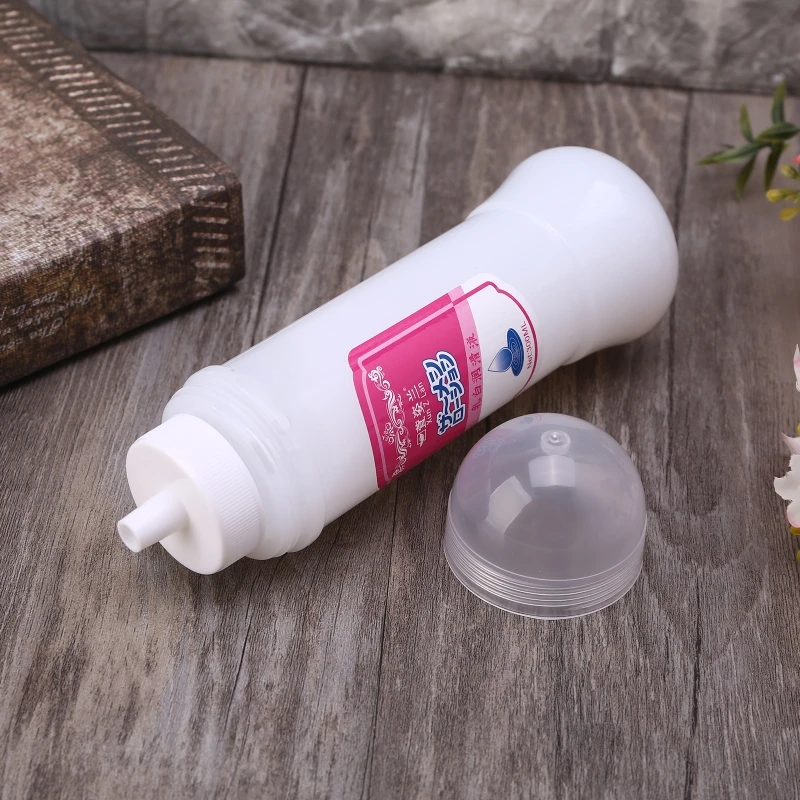
Recommended Products
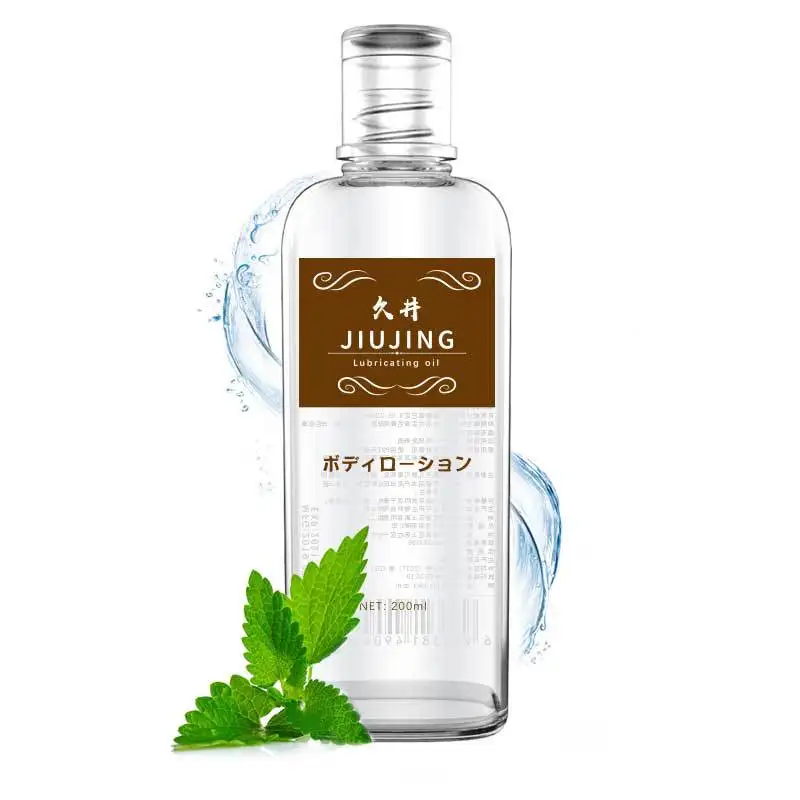
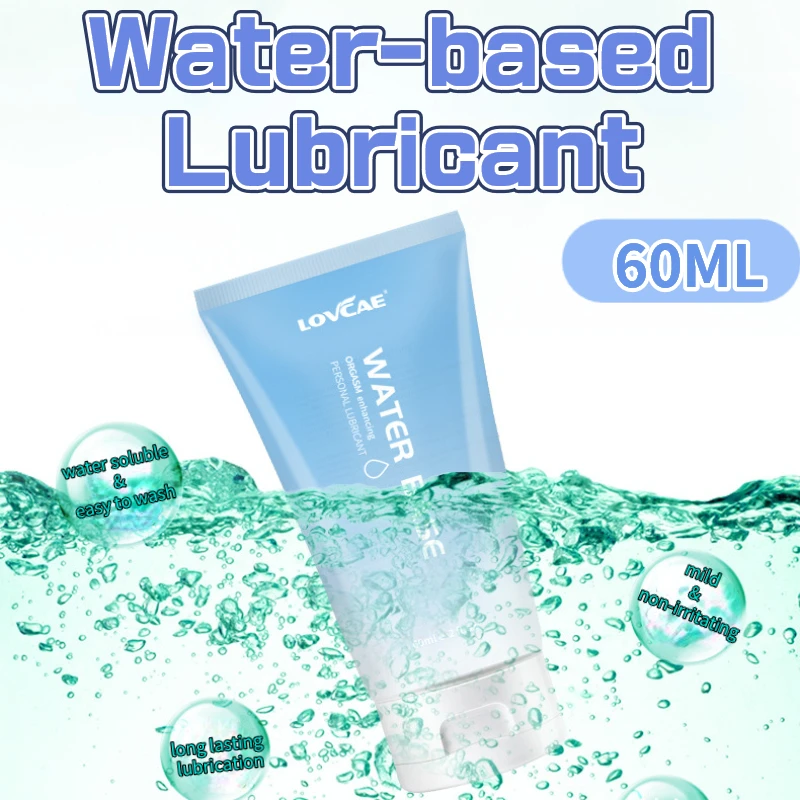
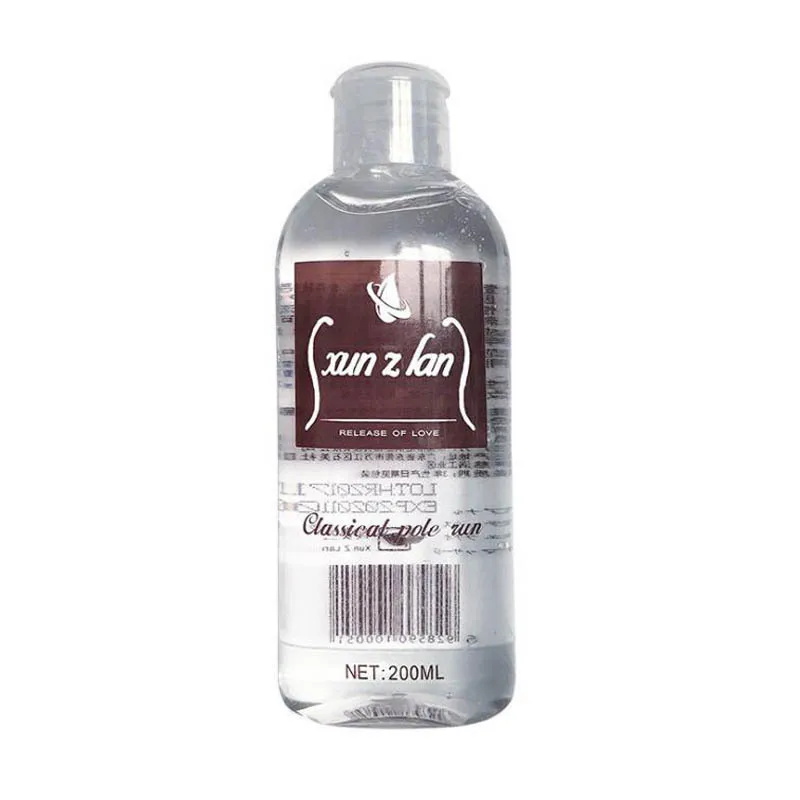

Use this checklist when you’re on XNXXMALL or any retailer:
- pH range: 3.8–4.5 for internal use; 4.5–5.0 is acceptable for external/skin contact.
- Osmolality: Under 1200 mOol/kg; lower is better (800–1000 is ideal).
- Ingredient simplicity: Fewer additives = fewer variables. Look for “fragrance-free, dye-free, glycerin-free” if you have sensitivities.
- Volume: 50 ml is a trial size; 100–200 ml suits regular use.
- Packaging: Squeeze bottles with flip caps are easier to control than wide-mouth jars, which introduce more bacteria.
- Shelf life & storage notes: Follow the manufacturer’s “use by” date and temperature guidance.
Safety & Care
Treat your lube the way you’d treat any personal-care product:
- Always use a water-based lubricant with silicone products. Oil-based and silicone-based lubes degrade silicone over time, creating a tacky, porous surface that harbours bacteria.
- Clean before and after use with mild soap and warm water. This applies to both your body (if you’ve had product on skin) and any toys.
- Store in a breathable pouch (cotton or uncoated linen) away from direct sunlight and heat. A sealed plastic bag traps moisture and encourages microbial growth.
- Respect age verification and local regulations. XNXXMALL enforces 18+ (or local legal majority) verification at checkout. Know your jurisdiction’s rules on purchasing, mailing, or possessing adult-wellness products.
Top Recommendations (Criteria, Not Rankings)
Rather than a “best of” list, here are the criteria that reliably point you to a good water-based lube:
1. pH-buffered, glycerin-free formula – reduces yeast-irritation risk.
2. Osmolality printed on the label – shows the manufacturer cares about cellular safety.
3. No alcohol, menthol, or camphor – these are “tingle” agents that mask dryness without solving it.
4. Fragrance-free variant available – for anyone with contact-dermatitis history.
XNXXMALL’s lube category filters by pH, osmolality, and ingredient exclusions, so you can narrow to the formula that matches your skin profile without reading a dozen back-labels in person.
Expert Tips
- Reapply rather than over-apply. A small amount refreshed every 10–15 minutes outperforms a thick initial coat that dries unevenly.
- If you’re using a lube with a condom, apply the lube to the outside of the condom (for external use) to avoid reducing friction that keeps it in place.
- Never mix a water-based lube with an oil-based one for the same session; the emulsion breaks and the result is unpredictable.
- Keep a small travel-size tube in your toiletry bag if you know dryness is a recurring issue—prevention beats reaction.
Common Myths
| Myth | Reality |
|—|—|
| “If I’m dry, I just need more water.” | Hydration helps, but mucosal dryness often involves hormonal, medication, or friction factors. A proper lube addresses the surface, not the root cause. |
| “Expensive = better.” | Price reflects packaging and marketing as much as formulation. A $12 tube with a clean ingredient list outperforms a $40 “luxury” tube loaded with fragrances. |
| “One bottle lasts forever.” | Water-based lubes carry preservatives that have a finite shelf life. Check the expiry; once opened, most are good for 6–12 months. |
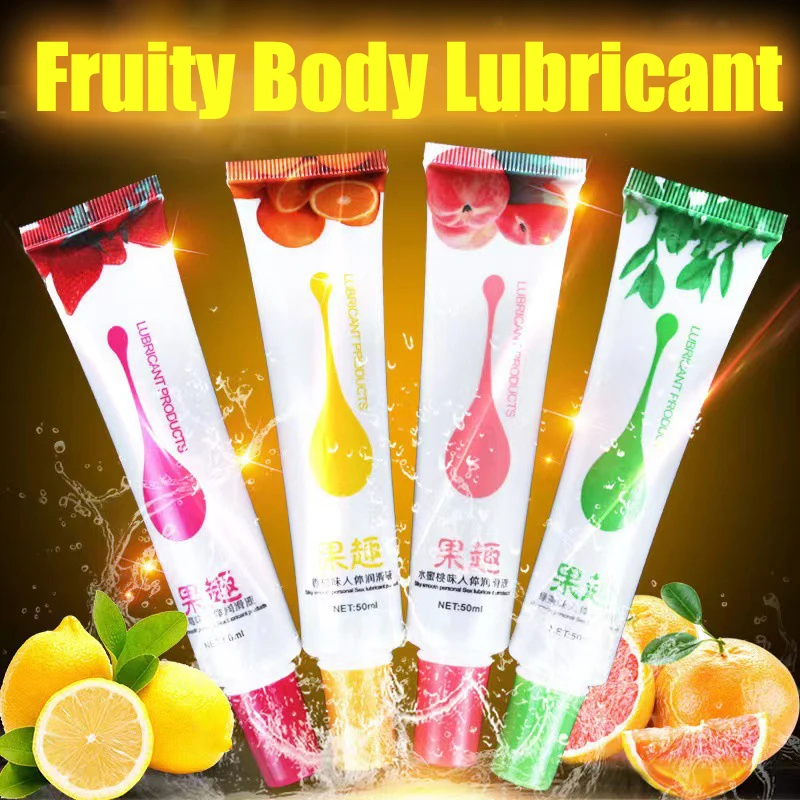
More Options on XNXXMALL



Frequently Asked Questions
: Are water based lubricants safe to use with every type of condom and toy?
A: Water based lubricants are the safest universal option. They are compatible with latex, polyurethane, and polyisoprene condoms, and with all toy materials including silicone, TPE, and glass. This is why most sexual-health clinics stock them as the default.
: Can I use water based lubricants if I have a recurring yeast infection?
A: Choose a formulation with no added sugars, no glycerin, and a pH at or below 4.5. Talk to your GP or urologist before starting a new lube if you’re mid-treatment, but a clean, pH-buffered water-based option is generally the gentlest choice post-treatment.
: How long do water based lubricants stay effective on skin?
A: They absorb and evaporate within roughly 10–20 minutes, depending on humidity, skin type, and how much you applied. Reapply as needed. They do not “wear off” the way an oil might feel for an hour.
: Do I need a special water based lubricant for oral use?
A: No separate product is required, but avoid formulas with strong flavourings or tingle additives if you’re sensitive. A plain, fragrance-free, dye-free water-based lube is the most universally comfortable for all contact points.
: Where can I compare water based lubricant formulations side by side?
A: XNXXMALL’s lube section lets you filter by pH, osmolality, volume, and ingredient exclusions (fragrance-free, glycerin-free, alcohol-free). You can open two product pages in parallel tabs and read the full INCI lists before adding to cart.
Final Thoughts
Understanding water based lubricants doesn’t require a chemistry degree. It requires knowing three numbers—pH, osmolality, and shelf life—and one rule: match the lube to the material you’re using it with. Everything else is comfort, consistency, and choosing a formula that respects your skin.
You don’t need to rush the decision, and you certainly don’t need to feel embarrassed. Buying personal lubricant is no different from buying sunscreen or a hypoallergenic soap. It is straightforward self-care.
If you’re ready to browse, compare, and place an order in a packaging that looks like a pharmacy mailer rather than a neon box, head to XNXXMALL. Their lube category is organised for first-time buyers, every listing shows the full ingredient panel, and 18+ verification protects your privacy at every step.
For deeper reading on sexual health, hydration, and when to talk to a clinician about recurring dryness, the Mayo Clinic’s sexual-health section is a reliable, jargon-free starting point:
https://www.mayoclinic.org/healthy-lifestyle/sexual-health
Take your time. Read the labels. Ask questions. Your comfort is the only metric that matters.
 No products in the cart.