
Why Your Thrusting Vibrator Curve Doesn’t Reach the G-Spot — and What Actually Works
If you’re wondering whether your thrusting vibrator curve doesn’t reach the g-spot, the short answer is: anatomy varies enormously, and a single fixed curve will never map perfectly to every body — the fix is angle, speed, and a gentle manual adjustment rather than expecting the device alone to do all the work.
Quick Answers
- Does the curve of a thrusting vibrator always hit the g-spot? No. Vaginal anatomy (depth, angle, g-spot location) differs by 2–3 cm between individuals; a universal curve only approximates the target.
- Should I buy a larger curve if mine “doesn’t reach”? Not necessarily. Depth is not the same as angle; many bodies respond better to a 40–55° forward tilt at 7–9 cm depth rather than a deeper, steeper arc.
- Can I fine-tune without a new purchase? Yes. Pairing a rigid device with a flexible external stimulator or adjusting your body position (hips elevated, knees tucked) often bridges the gap.
- Is it normal for the first month to feel “mismatched”? Completely. Tissue sensitivity recalibrates over 4–6 sessions; what felt off at session one often feels right by session five.
- When should I stop and reassess? If discomfort, numbness, or bruising persists after three sessions, pause, use more water-based lube, and revisit angle or intensity settings.
Who Is This For?
This guide is written for the person who has just unboxed a thrusting vibrator, felt the curve “stop short,” and is now searching “thrusting vibrator curve doesn’t reach the g-spot” at midnight. It’s for first-time buyers, for partners shopping on each other’s behalf, and for experienced users upgrading from a simple bullet to a more complex oscillating design. If you are under 18, please wait — all products referenced here are for adults only, and XNXXMALL enforces strict age verification.
The tone here is educational. We treat pelvic anatomy the way a physiotherapist would: specific, non-judgmental, and focused on what you can control.
Real Users, Real Stories
Case study (anonymized, shared with consent):
> “I ordered a 12 cm thrusting model with a pronounced 60° curve because the product photos showed it ‘hitting the g-spot area.’ First use: the curve pressed against my lower anterior wall, but nothing felt targeted. I was embarrassed to return it. A friend suggested I elevate my hips on a pillow and shift the device 10 cm toward my belly button while keeping the thrust axis vertical. Third session, same speed, just a different angle — and it finally made contact. The curve was right; my positioning was the variable.”
Key takeaway: the curve is a starting geometry, not a guarantee. Body position is the tuning dial.
Myth vs Fact
Myth 1: “The g-spot is a single fixed point, so the curve must match it exactly.”
Fact: The so-called g-spot is a region of spongy tissue on the anterior (front) vaginal wall, roughly 5–8 cm from the introitus, and it varies in thickness, density, and exact depth from person to person. A 60° curve calibrated for a “median” body may land 1–2 cm too high or too low for your anatomy. What matters is that the curve creates contact with that region; it does not need to mirror an anatomical atlas perfectly.
Myth 2: “If the curve doesn’t reach, I need a longer, more aggressive device.”
Fact: Increasing length or thrust amplitude without adjusting angle often presses the tip against the cervix, causing dull pressure or discomfort rather than the targeted stimulation most people seek. A shorter curve with a shallower forward tilt, combined with a 60–70 % speed setting, frequently outperforms a deep, high-amplitude thrust.
A Typical First-Time Conversation
Partner A: “I bought that thrusting model from XNXXMALL you recommended. The curve just… doesn’t feel like it’s reaching where I expected.”
Partner B: “What position were you in?”
Partner A: “Flat on my back, legs up.”
Partner B: “Okay. Try this: tuck your knees toward your chest so your pelvis tilts about 15 degrees. Then hold the device at a 45-degree angle toward your navel instead of straight up. Same speed, but let the curve do the work. Tell me what you feel in about ninety seconds.”
Partner A: (pause) “…Oh. Okay. That’s different. That’s there.”
Partner B: “Good. Now drop the speed one notch and add a little more lube on the curve. No rush.”
This micro-dialogue captures the most common first-use friction: the device is fine; the interface (angle, tilt, lube) is the variable to adjust.
How to Choose
Recommended Products


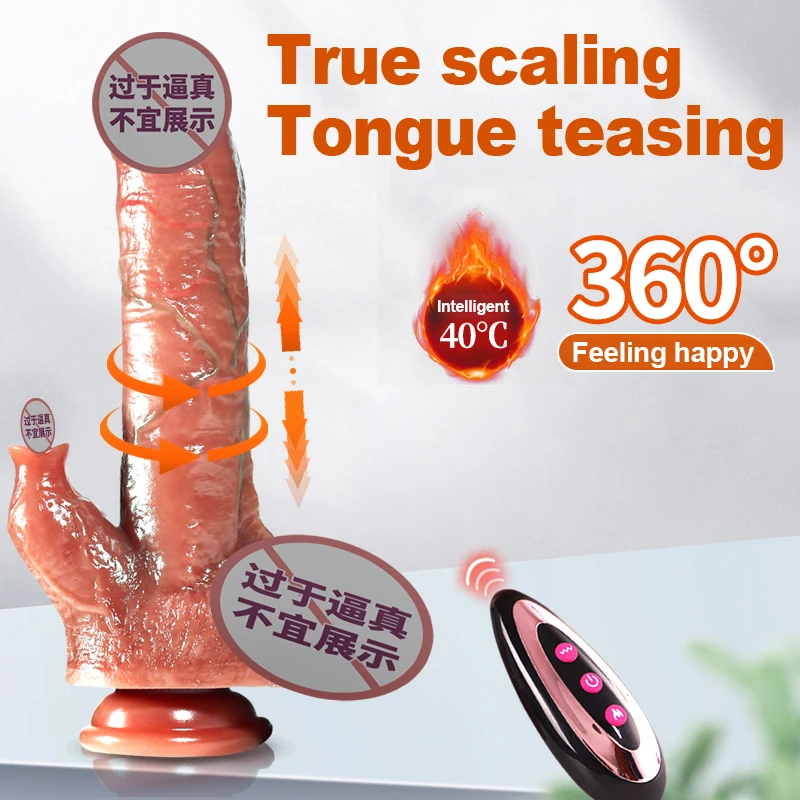
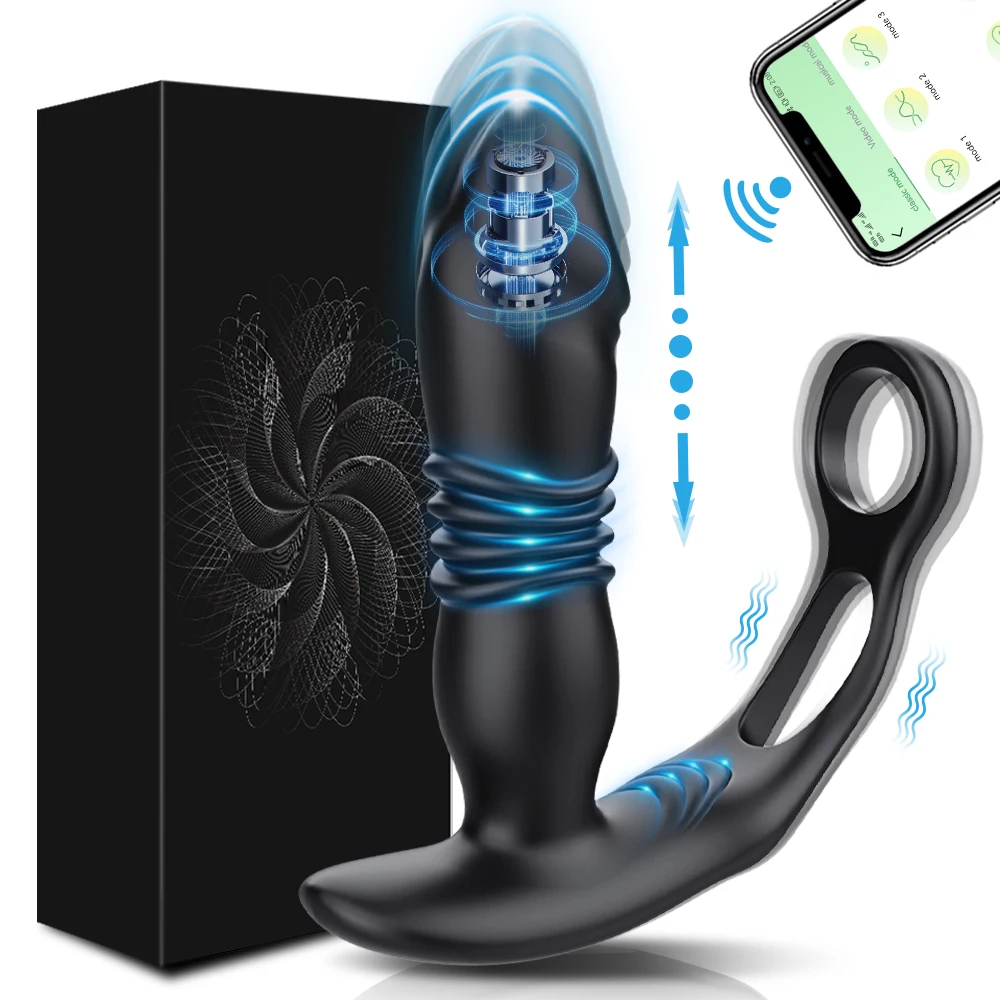
Recommended Products


When the phrase “thrusting vibrator curve doesn’t reach the g-spot” drives your search, you’re really asking: how do I pick a curve that will actually work for my body?
- Measure your target zone (optional, private). A comfortable seated position, a gentle finger to about 6–7 cm on the front wall, noting the angle from the pubic bone. This gives you a rough “hit window” of 40–60°.
- Curve radius matters more than total length. A 10 cm device with a 50° radius can outperform a 13 cm device with a 70° radius for someone with a shallower pelvis.
- Adjustable or two-part designs (fixed rear + swivel front tip) let you fine-tune after purchase.
- Intensity range. Choose a model with at least 10 speed levels so you can start at 2–3 and build.
- Material. Platinum-cured, non-porous silicone is the standard at XNXXMALL; it tolerates water-based lube without degrading.
- Noise and motor. A dual-motor design often separates thrust from vibration, letting you dial each independently.
Safety & Care
Before every session and after every session:
- Always use a water-based lubricant with silicone products. Silicone lube will chemically break down the device’s surface over time; oil-based products (coconut, baby oil) do the same.
- Clean before and after with mild, fragrance-free soap and warm water. Let air-dry fully on a clean towel.
- Store in a breathable cotton or mesh pouch, away from direct sunlight and other toys to prevent material migration.
- Respect age verification and local regulations. XNXXMALL verifies 18+ at checkout. If you are in a jurisdiction with specific import or product-safety rules, check them before ordering.
- Stop immediately if you feel sharp pain, persistent numbness, or bruising. Mild warmth and a “full” sensation are normal; pain is not.
If you want a deeper, clinically reviewed perspective on pelvic floor health and when to consult a healthcare provider, the American Academy of Family Physicians and Mayo Clinic both publish patient-friendly resources: see [mayoclinic.org/healthy-lifestyle/sexual-health](https://www.mayoclinic.org/healthy-lifestyle/sexual-health).
Top Recommendations
All options below are stocked at XNXXMALL and ship in unbranded packaging.
| Need | Model to consider | Why it helps with the “curve” question |
|—|—|—|
| Shallow pelvis, want adjustable angle | Two-piece swivel-tip thrust (10 cm, 45° base) | You set the curve yourself; no fixed arc to fight |
| Medium depth, loves vibration + thrust | Dual-motor, 12 cm, 55° radius | Strong motor without needing maximum amplitude |
| Partner-led, first experience | Compact 9 cm, 40° gentle curve, 8-speed | Lower learning curve; easier to angle |
| Experienced, wants intensity | 13 cm, 60° radius, 12-speed, dual motor | Deeper reach for those who confirm their target zone is >7 cm |
No single model is “correct.” The right one is the one whose default geometry lands within your measured window, with room to fine-tune.
Common Mistakes & How to Avoid Them
1. Buying based on the product photo’s “g-spot curve” claim without measuring your own angle. Photos are stylized. Use the measurement tip above.
2. Using the maximum thrust speed on first use. Tissue needs warm-up. Start at 20 % speed, let the rhythm settle, then add 1–2 levels.
3. Skipping lubricant or using the wrong type. A dry silicone surface increases friction, shifts the effective curve, and can cause micro-irritation. Water-based only.
4. Holding the device rigidly against one spot for the full session. Alternate between “contact” (gentle pressure on the anterior wall) and “glide” (slower, longer strokes) to keep the tissue responsive.
5. **Assuming the curve must be the only source of stimulation.** Pairing a thrusting device with a small external vibrator on the clitoris often removes the pressure the curve has to carry by itself.
More Options on XNXXMALL


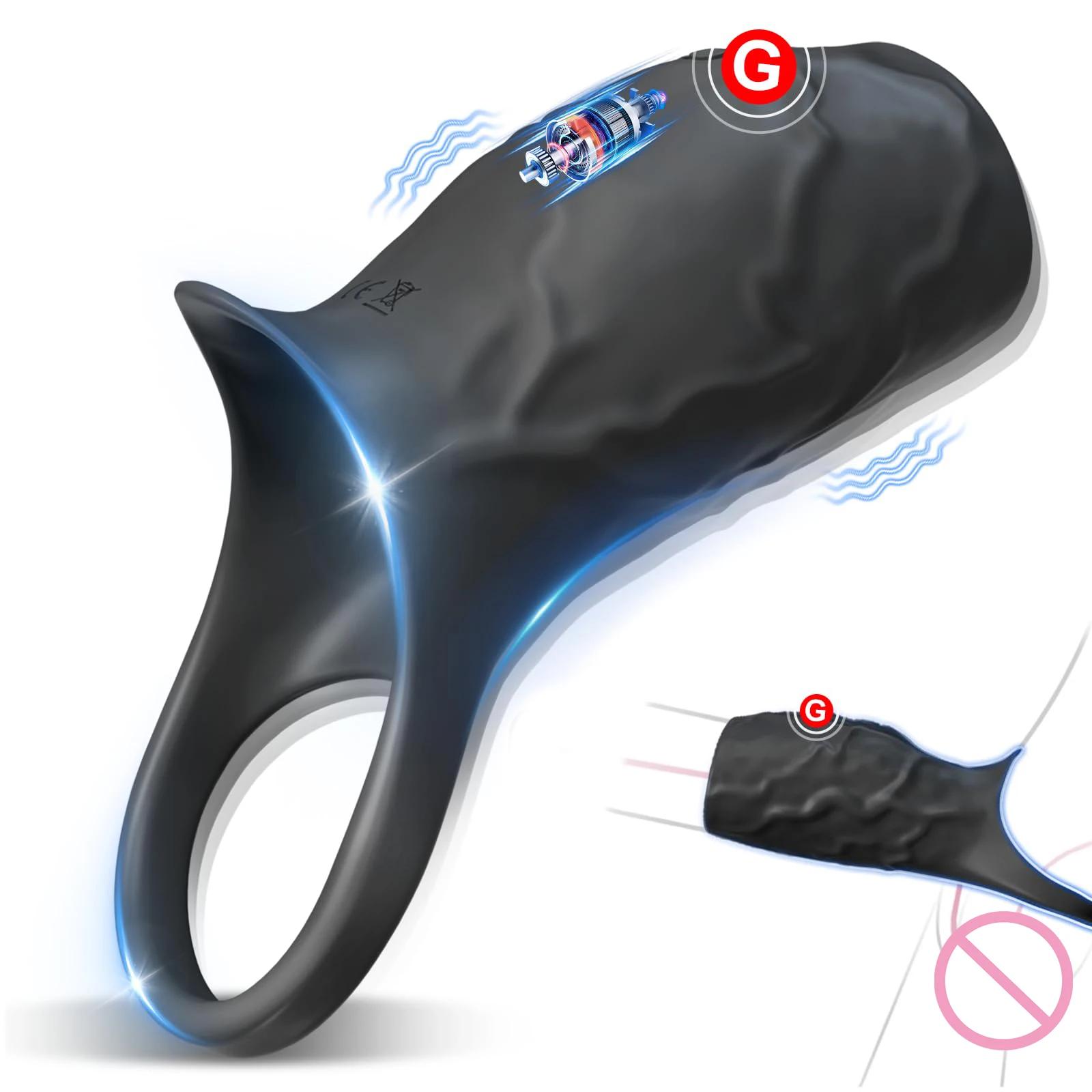

Frequently Asked Questions
: My thrusting vibrator curve doesn’t reach the g-spot at the default angle — should I return it?
A: Before returning, try three positions: flat with knees tucked, 15° hip elevation, and a 45° forward tilt. If none of them bring the curve into contact with the anterior wall at 5–8 cm depth, then a different radius or a swivel-tip model from XNXXMALL may be a better geometric match.
: Can I bend or reshape the curve myself to make it fit better?
A: Do not heat-bend, file, or modify a silicone device. The curve is molded into the core; altering it compromises structural integrity and can create sharp edges. If the curve is a poor match, swap the device rather than modifying it.
: Why does my thrusting vibrator curve feel like it hits “nothing” even at full depth?
A: “Full depth” for one body can be 11 cm; for another, 8 cm. If the tip is pressing against the cervix, you’ll feel dull pressure rather than targeted stimulation. Drop the amplitude by 20 % and tilt the axis 10° toward the belly button. The g-spot region is anterior, not posterior.
: I’m a beginner. Is a curve that “doesn’t reach” still safe to use?
A: Yes, provided you use water-based lube, start at low speed, and stop at any sign of pain. A curve that presses gently on the front wall for 30 seconds of warm contact is still beneficial for building pelvic-floor awareness. It does not need to “reach” a textbook point to be useful.
: How do I know if I need a longer device or just a different angle?
A: If you can comfortably insert your index and middle fingers to about 10 cm and feel the anterior wall is “in front of” the tip, the issue is angle, not length. If you physically cannot get past 7 cm without the curve tipping backward, a shorter device with a steeper forward radius will fit better. XNXXMALL’s product pages list curve radius in degrees so you can compare before buying.
Final Thoughts
The phrase “thrusting vibrator curve doesn’t reach the g-spot” is less a product flaw and more an anatomy-geometry puzzle. The curve is a starting angle; your pelvis is the final variable. Measure, tilt, lube, and give it four to six sessions before you declare a mismatch. If you need a different radius, XNXXMALL’s curated range — from compact 40° designs to dual-motor 60° models — gives you a clear path without guesswork, and every order ships with a water-based lube sample and a 30-day no-questions exchange window.
For a broader, clinician-written look at pelvic health, arousal patterns, and when to involve a healthcare provider, start with [Mayo Clinic’s sexual-health overview](https://www.mayoclinic.org/healthy-lifestyle/sexual-health). Then, when you’re ready to adjust your setup, browse the thrusting category at [XNXXMALL](https://xnxxmall.com) and use the radius and depth filters to match your measured window.
Take care of your body. It will keep giving you the answers — you just have to angle the question correctly.
 No products in the cart.