
Sugar in Flavored Lubricant: How Sweet Additives Feed Yeast and Affect Vaginal pH
Intro
For most consumers, “flavored” on a lubricant bottle simply means pleasant — a hint of strawberry, mango, or vanilla that makes the experience more comfortable and appealing. What rarely appears on the front label is the quiet microbiological question behind that sweetness: does sugar in flavored lubricant feed yeast and shift vaginal pH? This is not a fringe concern. It is a practical health issue that affects roughly one in four women at some point, and the choice of personal lubricant can be a small but meaningful lever in protecting vaginal flora.
This guide takes you from zero familiarity to a confident, evidence-based understanding. We will unpack the chemistry of sugar in a bottle, the biology of the vaginal microbiome, and how smart product selection at a trusted retailer like XNXXMALL keeps both comfort and health in balance. No judgement. No vagueness. Just clear, health-first information.
Understanding Your Needs
Before reaching for any bottle, it helps to name what you actually need:
- Comfort. A personal lubricant reduces friction during intimacy, whether solo or partnered.
- Sensory preference. Flavored varieties — berry, citrus, chocolate — add a gentle aroma and taste that some find more approachable than unscented formulas.
- Microbiome safety. The vaginal ecosystem relies on a slightly acidic pH (roughly 3.8–4.5) and a dominant population of Lactobacillus species. Introducing exogenous sugars, particularly in concentrated forms, can create a temporary sugar-rich microenvironment. Candida species (the yeast behind most vulvovaginal infections) thrive in that sugar-rich, less acidic niche. The result: an elevated risk of a yeast overgrowth, especially in someone who is already prone to recurrent infections or who is on a course of antibiotics.
Understanding this tension — you want the sensory appeal of flavor, but you also want to protect the delicate pH buffer — is the single most important step before you ever open a bottle.
Real Users, Real Stories
Case study (anonymous, first-time buyer, 28, recurrent yeast infections):
> “I’d had three yeast infections that year, each triggered by antibiotics. I assumed any flavor-lube would be fine because the label said ‘pH-balanced.’ Three weeks after switching to a strawberry-scented gel from a big-box store, I was back at the clinic with the same itching and discharge. My gynecologist looked at the ingredient list and said, ‘See this? Sucrose, maltodextrin, corn syrup. That’s essentially sugar. It feeds the yeast.’ We switched to a sugar-free, water-based formula I found on XNXXMALL’s intimate-wellness shelf, and I’ve had zero recurrences in eight months. I wish someone had explained the sugar-to-yeast link to me the first time.”
The lesson is not “flavored is bad.” The lesson is read the full ingredient panel, and prefer formulations that achieve flavor through extracts or non-nutritive sweeteners rather than added sugars, especially if your history includes recurrent Candida episodes.
Myth vs Fact
Myth 1: “If the label says pH-balanced, sugar doesn’t matter.”
Fact: “pH-balanced” typically means the starting pH of the liquid sits near 4.5. It does not mean the product is immune to buffering by the sugars it contains. Once applied, sugars can locally lower the effective acidity at the mucosal surface, giving Candida a window to proliferate before your own Lactobacillus colonies re-acidify the area. A pH claim is a snapshot; it is not a guarantee of microbiological safety.
Myth 2: “Flavored lubricants are only for oral use, so they don’t affect the vagina.”
Fact: Many flavored products are multi-use. If a flavored formula is introduced to the vaginal canal — during partnered intimacy, for example — the same sugar/yeast dynamics apply regardless of the flavor. The route of entry (mouth vs. canal) does not change the biochemical interaction between sucrose and Candida albicans.
A Typical First-Time Conversation
Setting: A partner, J., is helping partner M. (first-time buyer of any personal lubricant) browse the intimate-wellness aisle at home on a laptop.
J.: “So you said the pharmacy one was too thick. Do you want to try a flavored water-based one? I saw a mango one at XNXXMALL that gets good reviews.”
M.: “I’m a little worried about the sugar thing I read. Is that actually a real issue or just internet anxiety?”
J.: “It’s real, but it’s specific. If you’ve never had a yeast infection, one application of a lightly flavored lube probably won’t tip the pH. But if you’ve had three or more in two years, the sugar load is a legitimate trigger. We can look for a version that uses stevia or fruit extract for flavor instead of added sucrose.”
M.: “Okay, show me the ingredient list.”
J.: (reading) “Here — aloe vera, xylitol, natural mango flavor, no maltodextrin, no corn syrup. Xylitol actually has some antifungal properties in lab studies. This one looks clean.”
M.: “That feels way more comfortable. Let’s grab the XNXXMALL sample size so I can test sensitivity first.”
(They add two sample sachets to the cart.)
This short dialogue mirrors what many first-time buyers experience: a mix of curiosity, mild anxiety, and a need for a simple decision framework. The framework is always the same — check for exogenous sugars, confirm the base is water-based, and start with a sample.
How to Choose
Recommended Products


Recommended Products


Use this checklist before adding any flavored lubricant to your cart:
1. Base type. Water-based is the safest default, especially with silicone or glass toys (see Safety & Care below).
2. Sugar audit. Scan the ingredient list for sucrose, glucose, maltose, maltodextrin, corn syrup, dextrose, or “natural flavor” that hides a sugar carrier. Prefer: fruit extracts, stevia glycosides, or xylitol.
3. pH range. Look for a stated pH of 4.0–5.0. Anything above 5.5 is less compatible with vaginal flora.
4. Osmolality. The WHO recommends a maximum of 1,200 mOsm/kg for vaginal lubricants. Lower is gentler. Many flavored products sit well within this range; confirm on the label.
5. Packaging & shelf life. Airtight, light-protective bottles preserve the flavor compounds and prevent microbial contamination. Check the “period-after-opening” symbol (6M, 12M).
6. Allergen & fragrance note. Even “natural” flavors can contain trace allergens. If you have a known sensitivity, choose a fragrance-free variant and add flavor separately with a dedicated flavored oral spray (used externally only).
XNXXMALL’s product pages list full INCI-style ingredient disclosures, which makes this audit fast.
Safety & Care
A few non-negotiables, regardless of brand:
- Always use a water-based lubricant with silicone products. Oil- or silicone-based lubes can degrade silicone over time, creating a tacky surface that traps bacteria.
- Clean before and after with mild, fragrance-free soap and warm water. Gently rinse the external genital area; never douche the internal canal.
- Store your lubricant and any related products in a breathable pouch, not a sealed plastic bag or hot car. Heat and trapped moisture encourage microbial growth on the outside of the bottle.
- Respect age verification and local regulations. XNXXMALL enforces strict 18+ (or local-equivalent) verification at checkout. If your jurisdiction has specific labeling or import rules for flavored personal lubricants, comply with them.
- If you notice persistent itching, thick white discharge, or an odor change within 48 hours of a new product, discontinue use and consult a healthcare provider before trying another formula.
Top Recommendations
Educational note: the following are categories and selection principles, not brand endorsements.
| Priority | What to look for | Why |
|—|—|—|
| Recurrent yeast history | Sugar-free, xylitol-sweetened, pH 4.0–4.5 | Minimizes Candida fuel |
| First-time / no history | Light fruit-extract flavor, water-based, osmolality < 1,000 | Comfortable sensory experience without unnecessary risk |
| Dryness / menopause transition | Hyaluronic-acid-enriched, unscented, pH 4.5 | Long-lasting moisture, minimal irritation |
| Sensory preference + toy use | Water-based flavored lube + silicone-safe formula | Protects both toy integrity and mucosa |
XNXXMALL curates all of the above into a single “Intimate Wellness → Lubricants → Flavored” filter so you can sort by sweetness source, pH, and base type in one pass.
Expert Tips
- Patch-test first. Apply a pea-sized amount to the inner forearm, wait 24 hours, and check for erythema or swelling before full application.
- Don’t layer flavors. Using two different flavored lubes in one session can stack sugar loads and confuse your pH reading.
- Hydrate. Oral intake of plain water supports mucosal hydration and helps buffer any transient pH shift after a flavored product.
- Rotate, don’t repeat. If you use a flavored lube weekly, alternate with an unscented, sugar-free formula to give your microbiome a “neutral” week.
- Log it. Keep a simple note (product, date, any symptoms). If a pattern emerges, bring the log to your gynecologist — it is far more useful than a vague “something stung a bit.”
Common Myths
- “Yeast infections come from being ‘not clean enough.'” Incorrect. Over-washing or using harsh soaps actually strips protective Lactobacilli and raises pH, making overgrowth more likely. Gentle cleansing is the standard.
- “Natural flavors are always safer than synthetic ones.” Not necessarily. “Natural flavor” is an umbrella term; it can still contain sugar alcohols that some strains of Candida metabolize. Always check the specific sugar source, not the adjective.
More Options on XNXXMALL


Frequently Asked Questions
: Does sugar in flavored lubricant feed yeast in the vaginal canal, and how much is “too much”?
There is no universally agreed “too much” threshold because it depends on your baseline Lactobacillus density and Candida load. However, repeated application of products containing sucrose, glucose, or corn syrup creates a transient sugar-rich microenvironment that can tip a borderline pH (4.2 → 4.8) enough to allow Candida overgrowth, particularly in someone with a history of two or more yeast infections per year. Choosing a sugar-free or xylitol-sweetened formula removes that variable entirely.
: Can the sugar in flavored lubricant shift vaginal pH permanently?
No. The vaginal epithelium and its Lactobacillus community actively re-acidify the canal within hours. The shift is transient. The risk is not a permanent pH change; it is a window — often 6–24 hours — during which yeast can outcompete the beneficial bacteria. Frequent re-introduction of sugar narrows that window repeatedly, increasing recurrence probability.
: Are “pH-balanced” flavored lubes safe for people with recurrent Candida infections?
“pH-balanced” addresses the starting pH, not the sugar content. If the formula still contains exogenous sugars, the local buffering effect of those sugars can push the effective mucosal pH upward at the point of contact. For recurrent Candida patients, prioritize sugar-free formulations and confirm osmolality is under 1,200 mOsm/kg. XNXXMALL tags products with a “Microbiome-Friendly” filter to make this selection step quicker.
: Does using a flavored lubricant with a silicone toy increase the risk of the sugar-feeding-yeast problem?
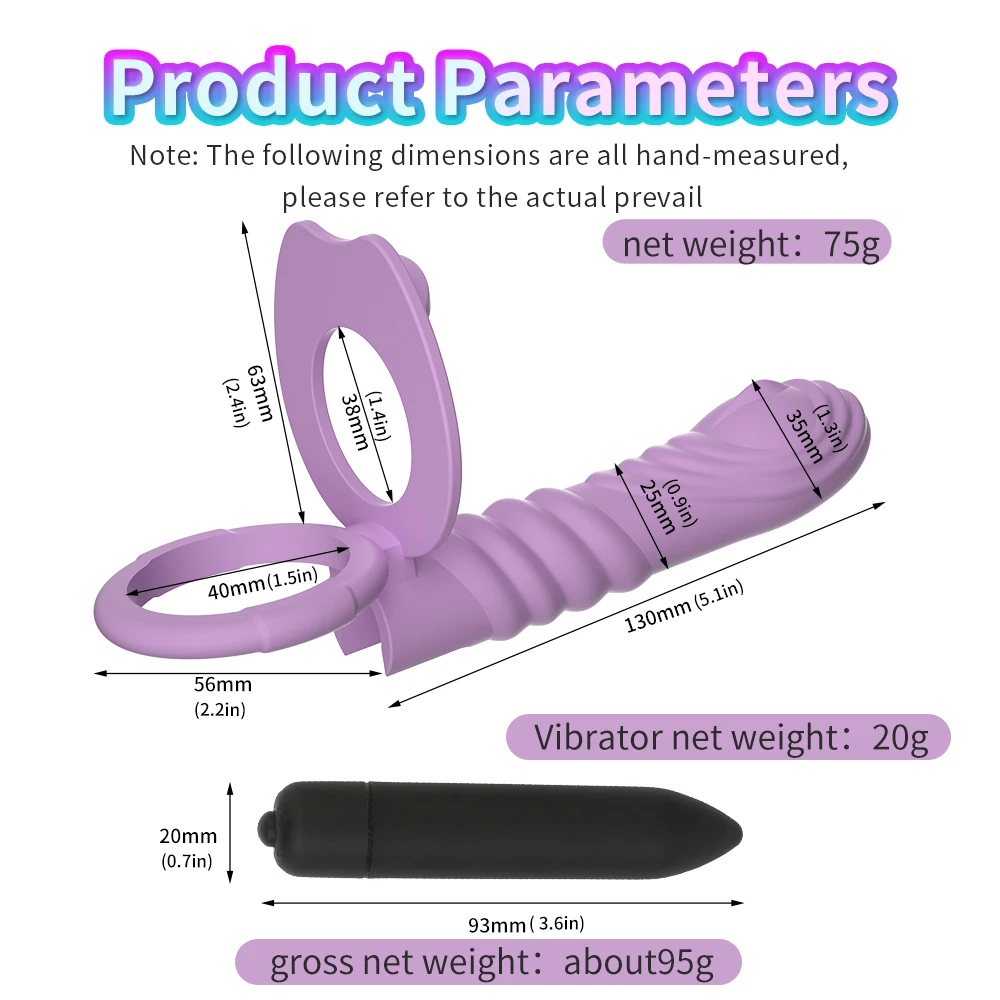
The toy material does not change the sugar-yeast chemistry. What it does change is the surface area and dwell time of the product against skin. A silicone ring or plug retains more product against the mucosa than a single-application external lube, extending the contact window. If you use a flavored lube with a silicone toy, limit session length, clean the toy with mild soap and warm water immediately after, and store it in a breathable pouch.
: Where can I find the full ingredient list and osmolality data for flavored lubes before buying?
Reputable retailers like XNXXMALL publish the complete ingredient disclosure and, when the manufacturer provides it, the osmolality figure on each product page. Look for the “Full Disclosure” tab. If a product does not list its sugar source explicitly, treat the flavor as “unknown sugar” and err on the side of a clearly labeled sugar-free alternative.
Final Thoughts
Understanding how sugar in flavored lubricant interacts with the vaginal microbiome does not mean you must give up every berry-scented option. It means you can choose deliberately — matching the sweetness source, pH, and osmolality to your own history and comfort needs. That deliberation is the difference between a product that simply “feels nice” and one that feels nice and respects the delicate ecosystem it enters.
You can browse the full flavored-lubricant library, read complete ingredient panels, and compare sugar sources side by side at [XNXXMALL](https://xnxxmall.com). For broader background on sexual-health maintenance, the American Academy of Family Physicians and the Mayo Clinic both offer excellent patient-level resources; we encourage you to read the [Mayo Clinic sexual-health overview](https://www.mayoclinic.org/healthy-lifestyle/sexual-health) as a starting point before making long-term product choices.
Your comfort and your microbiome don’t have to be a trade-off. Read the label, start with a sample, and let the data — not the marketing adjective — guide the bottle you keep on the shelf.
 No products in the cart.