
Rope & Restraints Safety Guide: A Complete Health-Focused Education for Informed, Comfortable Use
Rope and restraints have a long history in human connection, performance art, and intimate wellness. When approached with proper knowledge, they become a tool for trust-building, body awareness, and consensual exploration between adults. Yet many people who are curious about this space feel underserved by the internet—browsed pages skim over safety, and marketing pages skip the health details that matter most.
This rope & restraints safety guide is written as a deep-dive educational resource. It does not sell you a product. It teaches you how to understand your own needs, recognize genuine safety practices, and make informed decisions at your own pace. Think of it as the conversation you’d hope to have with a knowledgeable friend who genuinely cares about your well-being.
Understanding Your Needs
Before touching a single spool of rope, pause and ask yourself honest questions. What draws you to this space? Is it the sensory experience of gentle pressure, the psychological trust of surrendering control to a partner who has demonstrated care, or the meditative focus that comes with a structured scenario?
From a health perspective, the “need” is rarely about pain. Research in somatic therapy and body-awareness practice consistently shows that consensual, carefully applied pressure and gentle restriction can heighten proprioception—the sense of where your body is in space. It can also activate parasympathetic responses: slower breathing, lowered heart rate, and a feeling of being deeply held. None of this requires pain, force, or discomfort.
Your first step is to identify whether your interest leans toward:
- Sensory exploration (soft bondage, gentle wraps, light cuffs)
- Trust-building with a partner (structured scenes with clear safewords)
- Somatic or therapeutic practice (guided self-restraint with professional instruction)
Each path calls for different tools, different materials, and different safety protocols. You do not need to master all three. You need to understand which one fits your current life.
Real Users, Real Stories
The following is an anonymized, composite account shared with permission in our XNXXMALL community feedback channel.
Case Study – “M.R.,” 34, first-time buyer:
M.R. had read articles about partner play but felt overwhelmed by the sheer variety of restraints available. She was worried her partner would overstep and that she wouldn’t know how to communicate a limit mid-scene. She reached out to XNXXMALL’s customer-care team with three specific questions: What material is safest for skin contact during longer sessions? How do I set a safeword that my partner will actually respect in the moment? And is it normal to feel anxious before the first time?
The response from our care team was structured around three pillars: material selection (breathable cotton-jute blends over synthetic fibers for skin contact), a written pre-scene agreement that included two safewords (a “pause” word and a “stop” word), and reassurance that pre-scene anxiety is a healthy physiological response that typically subsides within the first two minutes of calm, guided touch. M.R. purchased a beginner-friendly rope set, practiced solo wrapping techniques from the included video guide, and shared that her first partnered session was “calmer than I expected and more connecting than I’d hoped.”
Myth vs Fact
Myth 1: “Tighter is better. If it’s comfortable, it’s not doing anything.”
Fact: In rope-based restraint, the goal is secure, not strangulating. A well-applied wrap should feel like a firm embrace—enough to limit movement without cutting circulation or compressing airways. The moment you feel tingling, numbness, or a “pins-and-needles” sensation in fingers or limbs, the tension is too high. Release immediately. A common teaching in the kink-health community is the “two-finger rule”: after tying, you should be able to slide two fingers under the rope. If you can’t, loosen it. Comfort is the signal that you are in the correct zone.
Myth 2: “You need to be experienced before you can be safe.”
Fact: Safety is not gated behind years of practice. It is gated behind knowledge. A first-timer who has read a thorough rope & restraints safety guide, set clear boundaries on paper, and chosen beginner-appropriate materials (soft cotton-jute, padded cuffs, a safety scissors within arm’s reach) is as safe as—or safer than—an experienced person who skips the pre-scene check. The protocol matters more than the résumé.
A Typical First-Time Conversation
Scene: Alex (new to the space) and Jordan (a few steps ahead) are planning their first gentle session together. Both are in their early thirties, sitting on the couch with a glass of water and a printed checklist from XNXXMALL.
Alex: “I keep thinking, what if I freeze or can’t speak? What if I’m in the middle of a wrap and I just… can’t say the word?”
Jordan: “That’s why we picked a gesture safesignal, not just a word. Remember the checklist? Two slow taps on my forearm means ‘pause and check in.’ One hard push away means ‘stop, fully, now.’ No talking required.”
Alex: “Okay. And the rope—”
Jordan: “You can feel the tension. I’m going to let you hold the free end for the first three wraps so you control the tightness. If it’s too much, you pull it back. I can’t do that for you. I only guide direction.”
Alex: “That… actually takes a lot of the fear out of it.”
Jordan: “Good. Because the only part that should feel scary is the newness. Not the pressure. Not the trust.”
They fold the checklist, keep the safety scissors on the coffee table, and take a slow breath before beginning.
How to Choose
Recommended Products

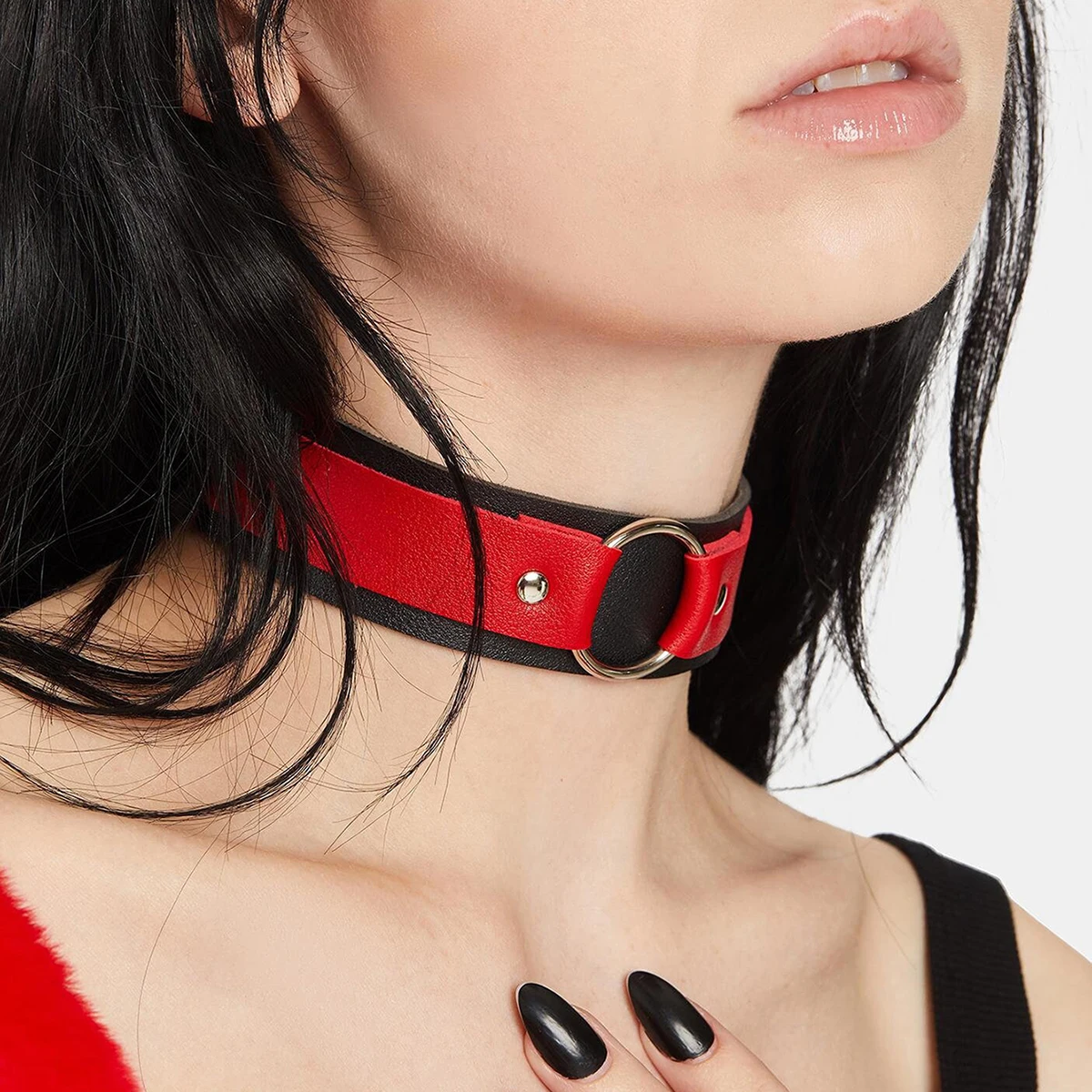


Recommended Products


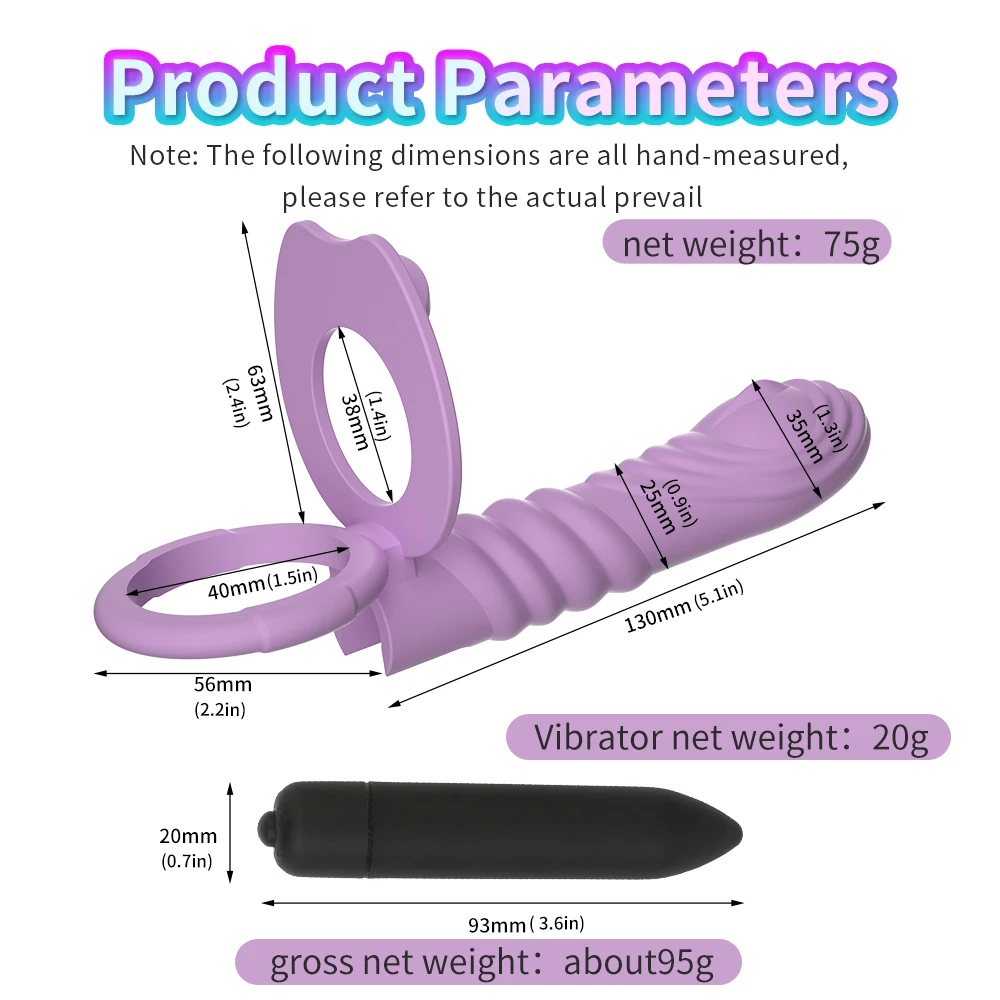
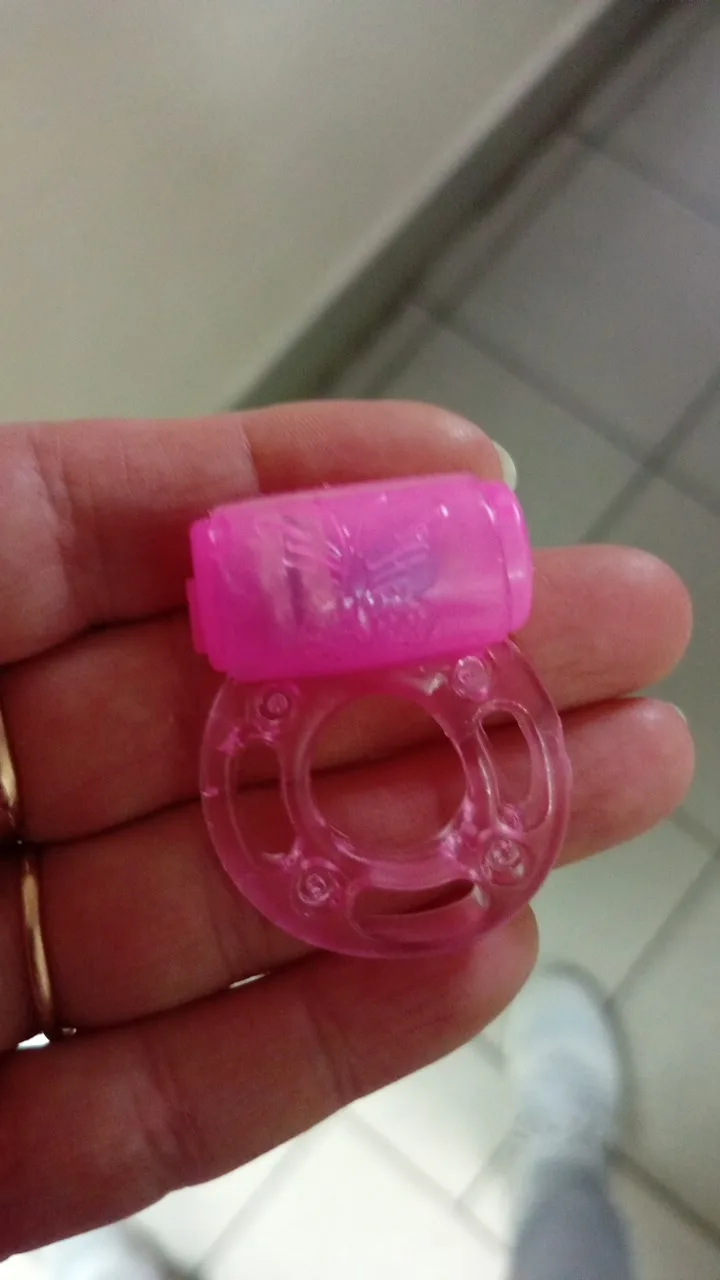
Choosing the right rope or restraint set is a health decision, not just an aesthetic one. Consider:
- Material & skin contact: Cotton-jute and hemp blends are breathable, non-latex, and gentle. Avoid glossy synthetic fibers for extended skin contact—they trap heat and can irritate sensitive skin.
- Diameter: For beginners, 6 mm (¼ inch) cotton-jute is forgiving. Thinner ropes (3–4 mm) demand more precision and can dig in if tension is uneven.
- Length: 6 to 9 meters for full-body beginner wraps; 3 meters for wrist/ankle cuffs. Longer rope is not “better”—it adds complexity you don’t need yet.
- Cuff construction: Look for padded interior (neoprene or memory-foam core) with a metal or sturdy plastic ratchet. The padding protects the radial and ulnar nerves at the wrist during even short sessions.
- Removal tool: Every restraint system must be paired with a small, sharp safety knife or snipping scissors kept outside the restraint area and within arm’s reach of both partners.
XNXXMALL’s rope & restraints collection is organized by experience tier so you can match complexity to comfort without guessing.
Safety & Care
This is the section to bookmark and re-read.
- Always use a water-based lubricant with silicone products. Silicone-based lubes can degrade silicone cuffs and padding over time, creating micro-tears that become skin-irritation points. Water-based formulas are compatible with every material in the lineup.
- Clean before and after with mild, fragrance-free soap and warm water. Residual body oils, sweat, and lube residue create a breeding ground for bacteria and can cause contact dermatitis. A soft cloth and thorough rinse are sufficient; avoid bleach or alcohol on cotton-jute and padded components.
- Store in a breathable pouch. Zip-lock bags and airtight boxes trap moisture, leading to mold and odor. A cotton drawstring bag or mesh sleeve in a dry drawer keeps fibers happy.
- Respect age verification and local regulations. All restraints at XNXXMALL are 18+ products. Ensure both partners are legal adults in your jurisdiction, and review local laws regarding consensual restraint—some regions have specific consent documentation or time-limit statutes. Ignorance of these rules is not a defense.
Additional health protocol:
- Never restrain someone who has consumed alcohol or sedating medication. Impaired judgment voids informed consent.
- Check skin for pre-existing rashes, eczema flare-ups, or open wounds before any session. Skip or reschedule if skin is compromised.
- Keep a full session under 20 minutes for beginners. Circulation, nerve health, and skin integrity all benefit from time limits.
- Hydrate. Light, gentle restraint elevates heart rate slightly; a glass of water before and after is a small, meaningful step.
Top Recommendations
For the reader building a first toolkit, XNXXMALL curates the following tiers:
1. Beginner Sensory Set – 6 m cotton-jute rope, two padded neoprene wrist cuffs, safety scissors, and a printed checklist. Ideal for solo practice and first partnered wraps.
2. Intermediate Trust Kit – Adds a 3 m ankle strap, a soft eye-gauze (breathable, not ocular tape), and a 9 m rope for longer full-body patterns.
3. Partner-Connection Bundle – Combines items 1 and 2 with a guided audio script (20-minute structure) that walks both partners through check-in, scene, and aftercare.
Each kit ships with a QR code linking to video demonstrations of every knot and wrap, plus a written contraindication list (who should not use restraints: pregnant individuals, those with unmanaged cardiovascular conditions, joint injuries, or active skin infections).
Expert Tips
- Practice knots solo first. Tie and untie the “figure-eight” and “silk tie” wraps against a rolled towel on your own arm. You will learn your tension sense without a partner relying on you.
- Aftercare is non-negotiable. After release, remain in physical contact for 5–10 minutes. Warm water, a blanket, and quiet conversation allow the nervous system to down-regulate. Skipping aftercare is the most common beginner mistake.
- Write a one-page agreement. Not a contract—just a shared note: limits, safewords, gesture signals, hydration plan, session length, and a “what I need you to do if I get anxious” line. Review it aloud before every new session.
- Listen to your body’s small signals. A mild “hmm, that’s a little tight” is a cue to adjust. Waiting until it becomes “that really hurts” means you’ve already passed the comfort threshold.
- Replace worn rope. Fraying, mildew, or a loss of tensile strength means the rope no longer performs as designed. A $30 replacement is cheaper than a medical visit.
Common Myths
| Myth | Health-Truth |
|—|—|
| “If it stings a little, that’s normal.” | Mild pressure ≠ pain. Stinging, burning, or sharp pain is your nervous system reporting a problem. Stop. |
| “You can’t get out of a proper knot, so just trust the person tying you.” | Trust is essential, but physical escape should always be possible with a safety tool. Design never removes the option of “I’m out.” |
| “The more complex the pattern, the more advanced the user.” | Complexity is aesthetic, not safety-related. A simple, well-executed figure-eight with proper tension and aftercare is safer than a 30-minute elaborate pattern with no check-ins. |
More Options on XNXXMALL
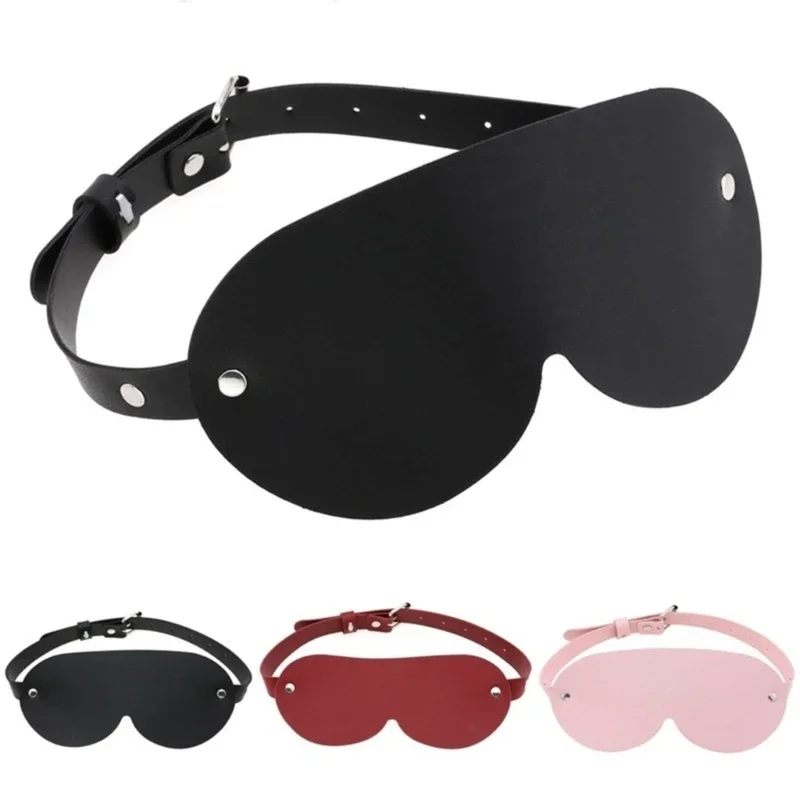
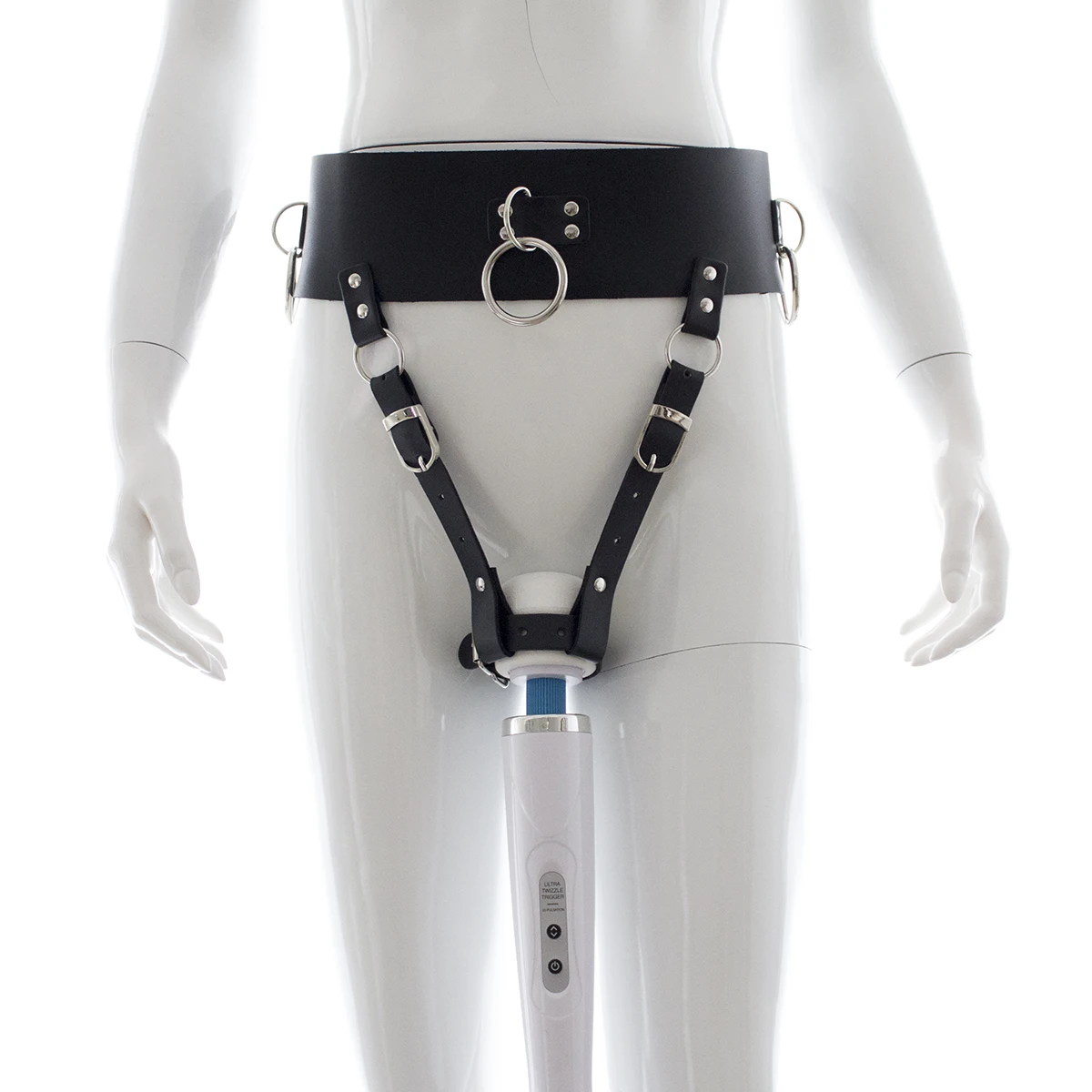

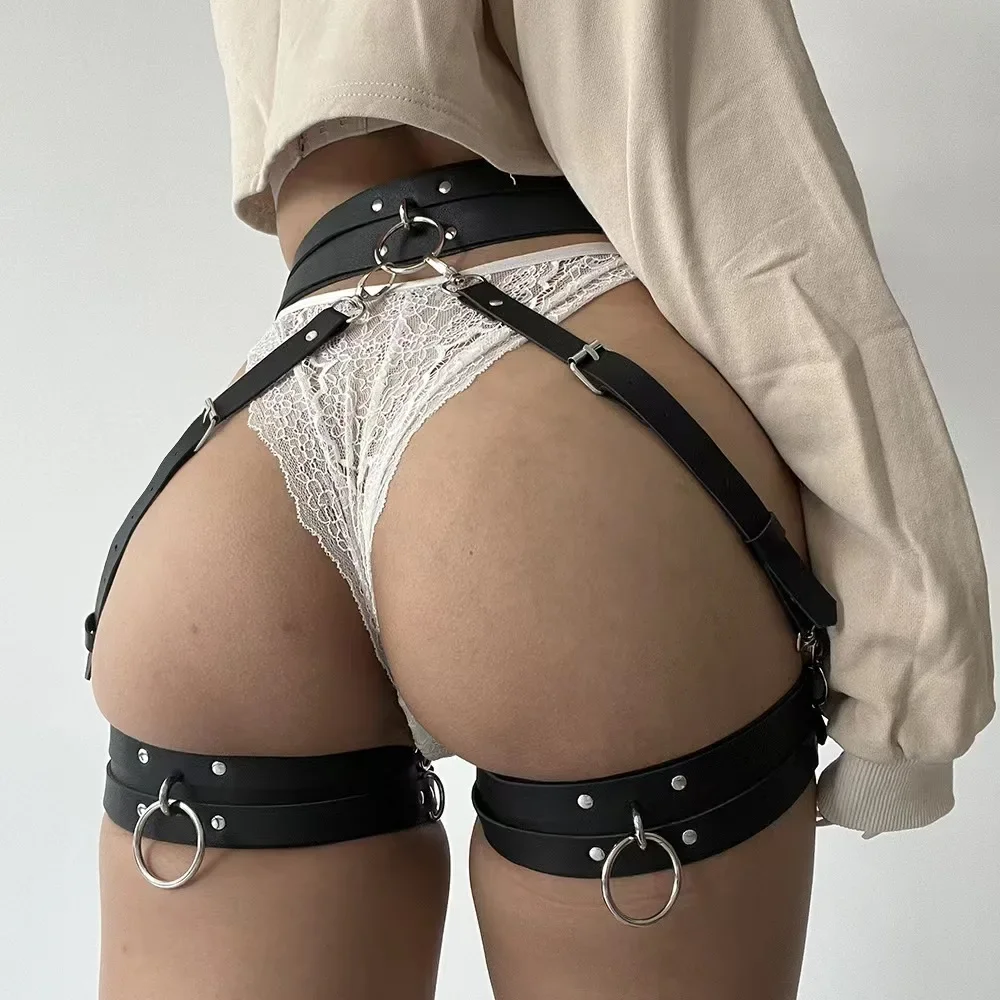
Frequently Asked Questions
: Where do I start if I want to follow a rope & restraints safety guide but have zero experience?
Begin with XNXXMALL’s Beginner Sensory Set and the included video library. Practice every knot solo against a towel for two weeks before inviting a partner. The written checklist in the box is your first rope & restraints safety guide—read it out loud to your partner before the session so you share the same vocabulary.
: How do I know if a restraint is safe for my specific skin type, especially if I have eczema or sensitive skin?
Choose cotton-jute with no dye, test a short wrap on your inner forearm 24 hours before a session, and keep a fragrance-free moisturizer ready. If you notice redness, swelling, or blistering, discontinue use and consult a dermatologist. XNXXMALL’s product pages flag which items are dyed and which are undyed for easy filtering.
: Is there a time limit I should follow during a single session?
For beginners, keep total restraint time under 20 minutes. Between 20 and 45 minutes, check circulation and nerve sensation at the 10-minute mark. Beyond 45 minutes, you are in intermediate-to-advanced territory and should have received hands-on instruction. No rope & restraints safety guide will ever say “go longer”—it will say “go slower, check in, and stop.”
: Can I use restraints if I have a previous shoulder, wrist, or joint injury?
Not without clearance from your physician or physical therapist. Even gentle pressure over a healing joint can interrupt the remodeling phase. Ask your clinician specifically: “Is 6 mm rope pressure at X% of my max comfortable range safe for my injury?” XNXXMALL’s care team can also point you to occupational-therapist-verified resources.
: What should I look for in a rope & restraints safety guide to make sure it’s trustworthy?
Look for: a written contraindication list, a safeword/gesture protocol section, material-skin-compatibility notes, a cleaning-and-storage protocol, and a link to a mainstream health source (such as the sexual-health resources at [Mayo Clinic](https://www.mayoclinic.org/healthy-lifestyle/sexual-health)). Any guide that skips the “when NOT to use” section is incomplete.
Final Thoughts
Rope, cuffs, and gentle restraint are not fringe topics. They are part of a broader human need to feel held, to trust another person’s hands, and to explore the boundaries of our own comfort in a safe, structured way. The health of that exploration depends entirely on the quality of the information you bring to it.
You do not need to be an expert on day one. You need a clear rope & restraints safety guide, a pair of safety scissors within arm’s reach, a partner who will read the checklist with you, and the permission to say “not today” without guilt.
When you are ready to build your first toolkit, XNXXMALL stocks vetted, skin-friendly materials across every tier, with product-level care instructions, a searchable contraindication database, and a customer-care team that answers safety questions before you ever open the package. Because the best first session is the one where the only surprise is how good trust feels.
For a broader perspective on intimate wellness, check-in with your primary-care provider, and evidence-based sexual-health guidance, the [Mayo Clinic’s sexual-health section](https://www.mayoclinic.org/healthy-lifestyle/sexual-health) is an excellent, judgment-free starting point.
Your body. Your boundaries. Your pace. The rope just holds space for all three.
 No products in the cart.