
Proper Restraint Techniques: A Complete Educational Guide to Safe, Consensual Bondage
Restraint play—whether using rope, fabric, or specialized bondage tools—has evolved far beyond its underground origins into a recognized dimension of intimate wellness. For many adults, exploring proper restraint techniques offers a pathway to deeper trust, heightened sensory awareness, and improved communication with a partner. Yet the space is often shrouded in misinformation. This guide provides a structured, safety-first education so you can approach restraint with confidence, informed decision-making, and mutual respect.
Understanding Your Needs
Before selecting any restraint tool, begin with honest self-reflection. Ask yourself:
- What sensory experience do you seek? Softness and gentle pressure (fabric cuffs), structured tension (rope wraps), or adjustable security (locking or quick-release mechanisms)?
- What is your comfort boundary? Some people prefer wrist-level restraint; others are open to torso or foot configurations. Start at the edge of your comfort zone, not beyond it.
- What is your physical context? Joint flexibility, skin sensitivity, circulation patterns, and any medical conditions (e.g., CFS, diabetes affecting nerve sensitivity) all influence which techniques are appropriate.
- Is consent ongoing? Proper restraint techniques are meaningless without a clearly agreed-upon safeword and a pre-session check-in.
Understanding these layers transforms restraint from a novelty purchase into a considered practice rooted in body awareness and relational trust.
Real Users, Real Stories
Case: Anonymous First-Time Buyer, Age 34
“Before I bought anything, I felt overwhelmed. The product descriptions online used terms I didn’t understand—’sagawa wrap,’ ‘knot work,’ ‘safety scissors’—and I had no idea where to start. I spent two weeks reading educational material and watching reputable technique tutorials before I even considered a purchase. I contacted XNXXMALL’s support team with specific questions about rope thickness for my wrist measurement and whether a beginner-friendly kit would include a cutting tool. They walked me through the options without judgment. The first time I used a simple wrist-and-ankle fabric restraint set, I kept a phone within reach and had a pre-agreed signal with my partner. What surprised me most was how the structure of the conversation before the restraint made the physical experience feel safe and intentional. I now use proper restraint techniques as part of our monthly intimacy check-in, and the trust has deepened considerably.”
This story illustrates a core principle: preparation and communication are the foundation of every proper restraint technique, not an optional add-on.
Myth vs Fact
Myth 1: “The tighter the restraint, the more effective the experience.”
Fact: Excessive pressure compromises circulation, can damage peripheral nerves, and may cause bruising or, in extreme cases, compartment syndrome. Proper restraint techniques prioritize security over tightness. A well-tied rope should be snug enough that the restrained person cannot slip free under normal movement, yet loose enough that two fingers slide easily beneath the material. Always monitor skin color, temperature, and the restrained person’s verbal or non-verbal feedback.
Myth 2: “Restraint is a one-way power dynamic where one person simply ‘does things’ to the other.”
Fact: Informed, consensual restraint is inherently collaborative. Both participants co-design the scenario, set boundaries, and hold shared responsibility for safety. The “dominant” or “guide” role carries a heightened duty to monitor the restrained partner’s physiological and emotional state. Proper restraint techniques embed consent checkpoints throughout, not just at the start.
A Typical First-Time Conversation
Partner A (planning to restrain): “I read up on proper restraint techniques and I’d love to try a simple wrist-and-knee configuration. Before we start, can we agree on a safeword? I’m thinking ‘red’ for stop immediately, ‘yellow’ for slow down.”
Partner B: “Yes, that works. And can we check in every few minutes—just a quick ‘are you okay?’ while you’re restrained?”
Partner A: “Absolutely. I’ll keep a pair of safety scissors on the nightstand, and you’ll have your phone charged within arm’s reach. How long do you want to start with?”
Partner B: “Ten minutes for the first session. If it feels good, we extend; if not, we stop at ten. No pressure either way.”
Partner A: “Perfect. I’ll go with the medium-stretch fabric cuffs we picked out—gentle but secure. And I’ll do a quick skin check on your wrists and knees before we begin.”
This dialogue models the three pillars of proper restraint techniques: verbal consent, safety equipment within reach, and time-bound structure.
How to Choose
Recommended Products

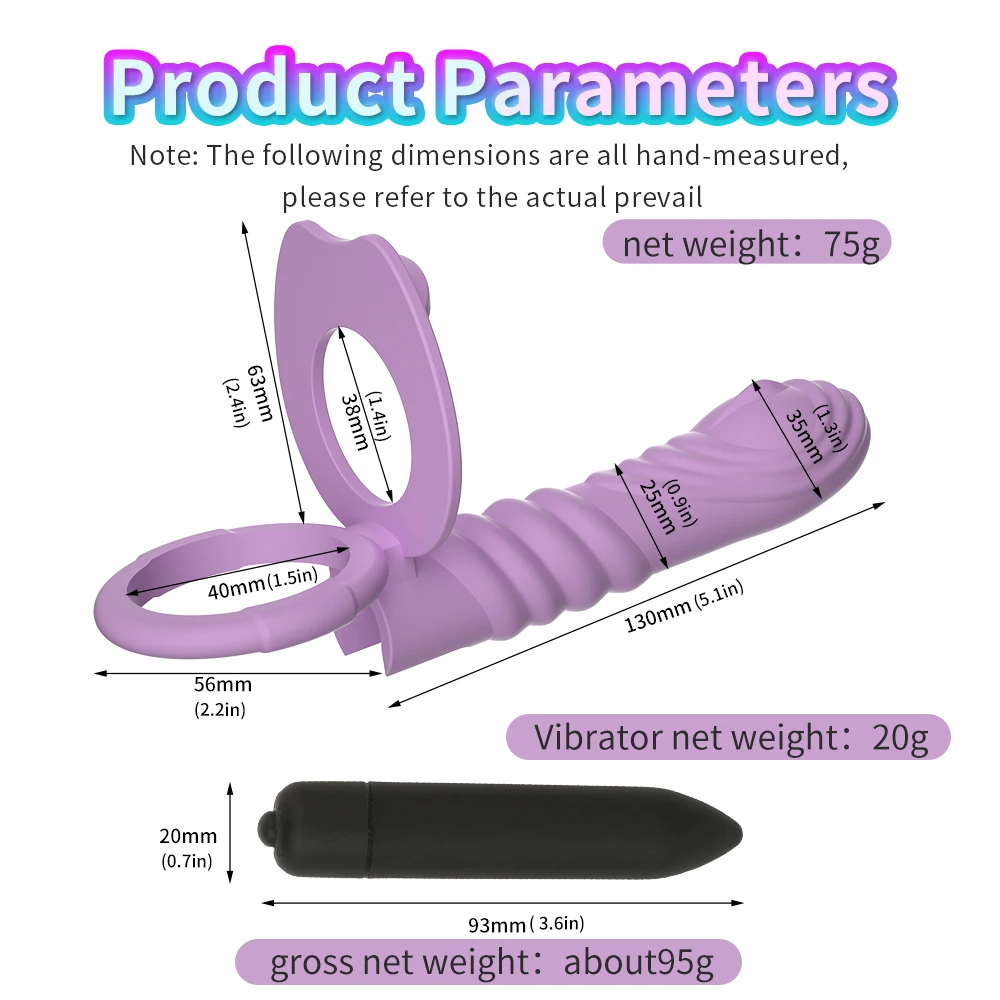
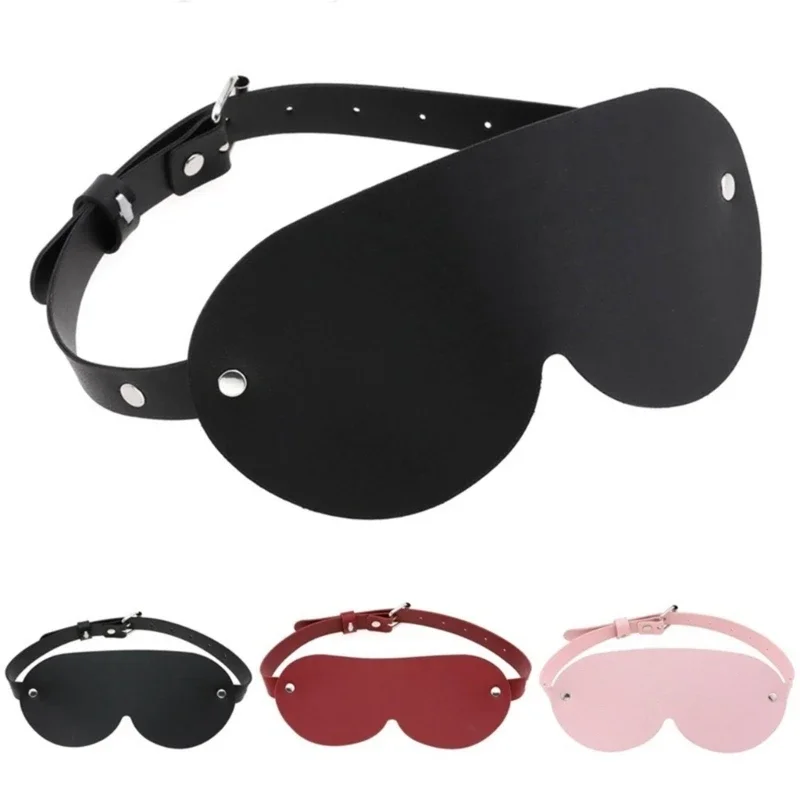
Recommended Products
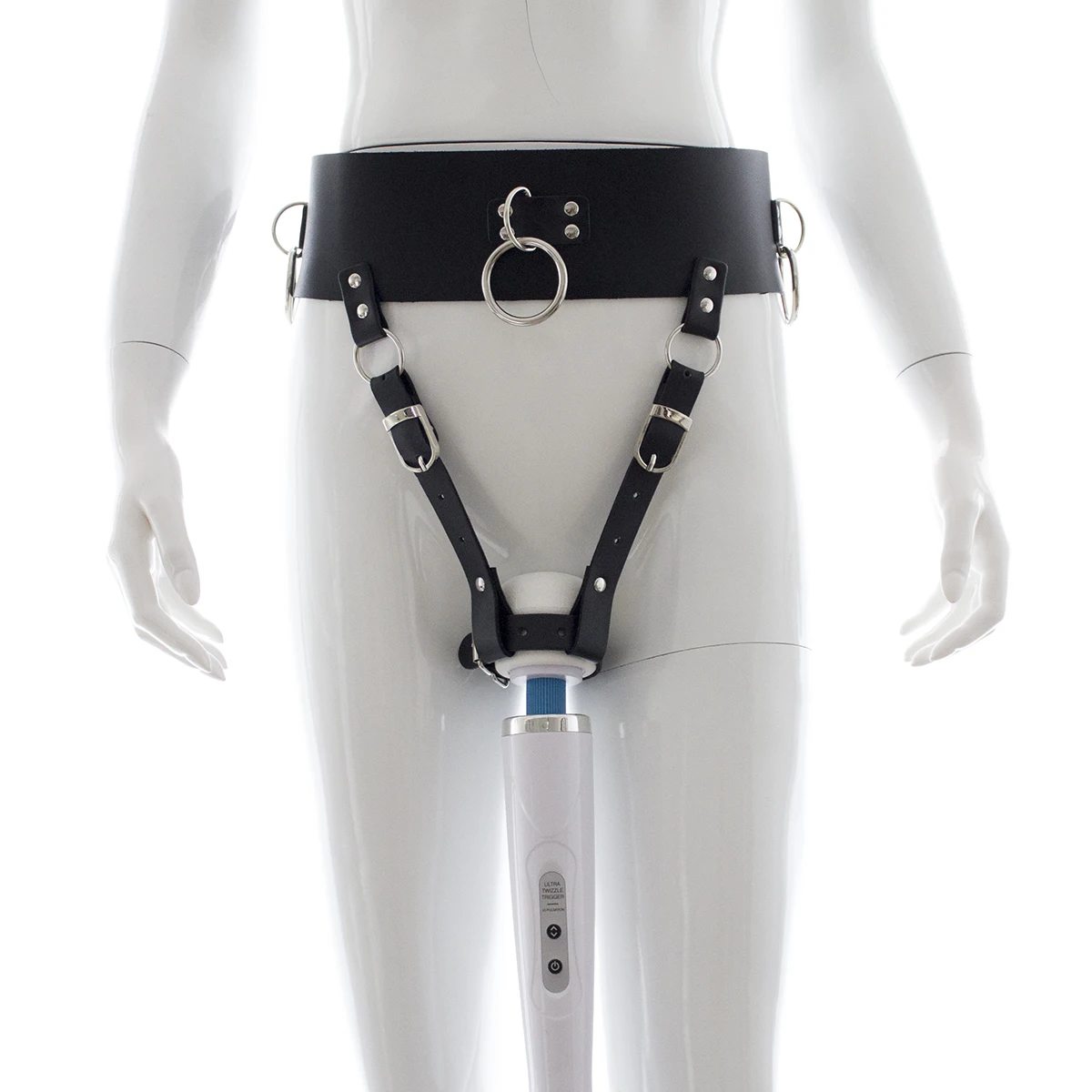

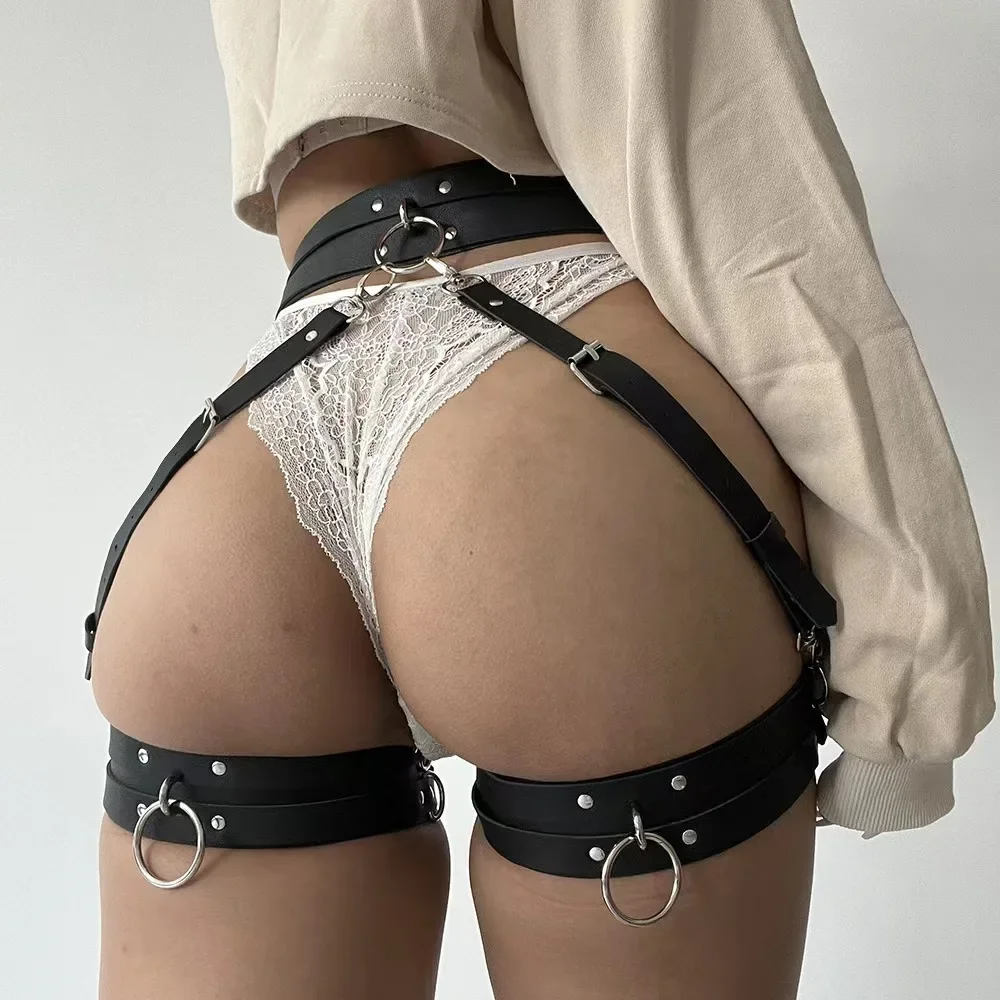

Selecting the right restraint tool for proper restraint techniques involves matching material, thickness, and mechanism to your body geometry and experience level.
- Beginners: Opt for pre-set configurations (wrist/ankle sets) with quick-release clasps. Fabric or velcro materials forgive mistakes and allow fast removal.
- Intermediate: Soft cotton or jute rope (6–8 mm diameter) with learnable knotting techniques. Pair with a dedicated safety cutting tool.
- Advanced: Multi-point rope systems, harnesses, or adjustable locking cuffs. These demand practiced anatomy knowledge and a trusted partner who has completed basic first-aid.
Always factor in skin sensitivity. If you have eczema, psoriasis, or neuropathy, choose soft, breathable materials and add a thin barrier cloth. At XNXXMALL, product listings include material composition, recommended circumference, and care instructions to simplify this decision.
Safety & Care
No discussion of proper restraint techniques is complete without a non-negotiable safety protocol:
- Pre-session: Perform a visible skin check (no open wounds, irritations, or unusual swelling). Ensure all safety equipment (scissors, phone, first-aid kit) is within arm’s reach, not across the room.
- During: Reassess comfort every 2–3 minutes. Watch for pallor, coldness, or tingling in restrained limbs. Stop immediately at the first “yellow” signal.
- Post-session: Support the restrained person in regaining circulation. Note any marks that persist beyond 24 hours; if bruising deepens or numbness persists, seek medical advice.
Material care facts (critical for longevity and hygiene):
- Always use a water-based lubricant with silicone products. Oil-based or silicone-based lubricants will degrade and permanently damage silicone surfaces.
- Clean before and after each use with mild, fragrance-free soap and warm water. Dry thoroughly to prevent microbial growth.
- Store items in a breathable cotton or mesh pouch, away from direct sunlight and extreme heat. Never seal silicone or rope in airtight plastic.
- Respect age verification and local regulations. Restraint products are for adults (18+ only). Confirm that your jurisdiction’s laws permit the materials you own (e.g., certain locking mechanisms or electrical accessories may be restricted).
Top Recommendations
For a structured education-to-practice progression, XNXXMALL’s restraint collection is organized by skill tier:
1. Starter Fabric Cuff Set – four quick-release cuffs, two lengths, soft neoprene lining. Ideal for the very first session.
2. Jute Rope Kit (6 mm, 15 m) + Safety Shears – enough length for basic wraps and knot practice on a pillow before moving to a partner.
3. Adjustable Safety Harness – torso-and-wrist configuration with dual quick-release buckles for those transitioning from fabric to structured support.
4. Silicone Wrist & Ankle Cuff Pair – for users who prefer a smooth, hypoallergenic surface; pair with water-based lubricant per care protocol.
Each product page at XNXXMALL links to a short technique video and a printable safety checklist.
Expert Tips
- Learn on a pillow first. Practice knot tension and release on a cushion with equivalent circumference before working on a partner’s body.
- Never restrain across a joint against its natural range (e.g., forcing a wrist into 90° for an extended period). Keep joints in neutral or slightly flexed positions.
- Build a “safety stack”: scissors + phone + first-aid kit + a partner who knows the layout of the room. Redundancy prevents panic.
- Document your sessions (with partner consent) in a shared notes app: what worked, what pinched, what you’ll adjust next time. This turns each experience into iterative learning.
- Honor the “no.” A proper restraint technique that ends because the restrained person simply says “I’d rather not continue tonight” is still a complete, successful session.
Common Myths
- “Restraint is inherently painful.” Proper restraint techniques aim for sensation, not pain. Discomfort from poor form is a teachable error, not a goal.
- “You need expensive specialty gear to be safe.” A $15 pair of safety scissors and a phone alarm will outperform any luxury toolkit if you skip the fundamentals.
- “Once you’re restrained, you’re helpless.” In reality, the restrained person retains the ability to move within the restraint’s limits, speak, and activate the safeword. The guide’s job is to monitor, not to control.
More Options on XNXXMALL



Frequently Asked Questions
: What are the basics of proper restraint techniques for someone with zero experience?
Start with the simplest configuration—wrist cuffs with quick-release clasps—and limit the session to 10–15 minutes. A 30-minute knotting-and-safety tutorial on XNXXMALL’s learning hub will cover the essential wrap, tension check, and release sequence before you ever use rope on a partner.
: How do I know if I’m using proper restraint techniques with rope correctly?
The “two-finger rule” is your quick check: after tying a wrap, two flat fingers should slide comfortably between the rope and the skin. If you cannot, re-tie with less tension. If the person reports tingling or coldness within a minute, stop and release immediately.
: Are there proper restraint techniques that don’t require a partner?
Yes. Solo practice with timer-based intervals (e.g., a 20-minute phone timer, a pre-set release mechanism, and a partner-on-call via text) allows you to learn body awareness, knot tension, and emergency release without another person in the room.
: What lubricant should I use with silicone restraint cuffs?
Always use a water-based lubricant. Silicone-based or oil-based products will break down the silicone surface over time, creating micro-tears that compromise hygiene and structural integrity. A small bottle of fragrance-free water-based lube is the correct pairing.
: How do proper restraint techniques differ for larger bodies?
Thicker materials (8–10 mm rope, wide-banded cuffs) distribute pressure over a larger surface area, reducing the risk of nerve compression. Choose adjustable or extendable mechanisms so the restraint doesn’t dig in. A fitted, well-designed harness for a larger torso will outperform a one-size-fits-all wrist cuff stretched to its limit.
Final Thoughts
Proper restraint techniques are, at their core, a practice in listening—to your body, to your partner, and to the clear feedback of circulation and comfort. They reward patience, preparation, and the humility to start small. You do not need to master every knot or own every mechanism to gain the relational and sensory benefits that restraint offers. What you do need is a safety protocol you respect, a partner (or solo system) you trust, and the habit of checking in before, during, and after.
For structured product guides, technique videos, and a support team that answers material questions without judgment, explore the Rope & Restraints collection at [XNXXMALL](https://www.xnxxmall.com). And for broader context on how intimate practices fit within overall sexual wellness, the Mayo Clinic’s sexual-health resources are an excellent complementary reference: [mayoclinic.org/healthy-lifestyle/sexual-health](https://www.mayoclinic.org/healthy-lifestyle/sexual-health).
Approach restraint as the skillful, consensual, and deeply human practice it is. Start gentle, learn deliberately, and let each session build the trust that makes the next one possible.
 No products in the cart.