
Understanding Non-Representational Dildos Materials: A Practical, Health-First Buying Guide
The single most important question before purchasing any intimate wellness product is this: what materials are non-representational dildos made from, and which ones are actually safe for your body? The short answer is that body-safe options include medical-grade silicone, ABS plastic, borosilicate glass, and stainless steel, while porous materials like jelly rubber or phthalate-laden PVC should be avoided for intimate use.
This guide walks through every material consideration, safety protocol, and practical decision so you can choose confidently — whether you are buying for yourself, exploring with a partner, or simply researching what modern intimate wellness products actually involve.
Quick Answers
- Which non-representational dildo materials are body-safe? Medical-grade (platinum-cured) silicone, ABS plastic, borosilicate glass, and 304/316 stainless steel.
- Are all silicone products equal? No. “Silicone” on a label can mean anything; look specifically for platinum-cured, body-safe, non-porous silicone.
- Can I use any lubricant with every material? No. Always pair silicone products with water-based lubricant; oil-based formulas degrade silicone.
- How long do quality non-representational dildos last? A well-maintained platinum-silicone or glass product can last five to ten years with proper care.
- Where do I verify a retailer’s material claims? Purchase from transparent brands that publish material certificates and, at retail, from established stores like XNXXMALL that list composition details on every product page.
Who Is This For?
This article is written for three distinct audiences:
- First-time buyers who have never selected an intimate wellness product and feel uncertain about what “non-representational” even means (it refers to abstract, sculptural, or geometric shapes rather than anatomically mimicking forms).
- Couples who want to incorporate a shared wellness tool into their routine and need material safety guidance before a joint purchase.
- Experienced users upgrading or expanding their collection who want to move from inexpensive porous items to premium non-porous materials for hygiene and durability.
If you are new to the topic, read the full guide. If you already know your preferences, skip to How to Choose and Safety & Care.
Real Users, Real Stories
The following is an anonymised, composite case shared with editorial consent. All identifying details have been removed.
Case: “M.” (age 31, first-time purchaser, solo use)
M. had been researching for three weeks before ordering a 18 cm platinum-silicone abstract form from XNXXMALL. Their main hesitation was not the product itself but the material — they had seen cheap, translucent “jelly” items at a local shop and were worried those might contain hidden plasticisers.
After reading XNXXMALL’s material composition page, M. confirmed the listing specified platinum-cured, phthalate-free, non-porous silicone with a batch certificate number. They paired the product with a water-based lubricant and a breathable cotton storage pouch, both purchased from the same retailer.
Three months later, M. reported the surface still felt smooth, showed no pitting or odour, and had required only a 30-second wash after each use. They noted the biggest takeaway: “Knowing exactly what the thing was made of took all the anxiety out of it.”
Myth vs Fact
Myth 1: “All silicone is the same, so any silicone product is safe.”
Fact: The term “silicone” on packaging can cover a wide spectrum. Cheap items may use tin-cured (peroxide-cured) silicone that can off-gas volatile organic compounds, or blend silicone with PVC and plasticisers to cut cost. Only platinum-cured (addition-cure) silicone, explicitly labelled body-safe and non-porous, meets the standard recommended by intimate-wellness safety guides. Always check the composition line, not just the word “silicone.”
Myth 2: “Harder materials like glass or steel are uncomfortable and meant only for advanced users.”
Fact: Borosilicate glass and stainless steel are inert, completely non-porous, and easy to sanitise. Their smooth, firm surface is actually easier to clean than soft silicone and is well-suited to beginners who want zero material ambiguity. Many new users start with a smaller-diameter glass or steel piece precisely because the material is predictable, temperature-stable, and requires no special lubricant pairing beyond the standard water-based rule. Comfort is governed more by diameter, shape, and gradual desensitisation than by material hardness alone.
A Typical First-Time Conversation
Setting: A partner, “J” (28), and their partner “K” (32) are sitting on a sofa after scrolling product listings on XNXXMALL together. This is a paraphrase of a dialogue shared for editorial use.
J: “Okay, I’m looking at two options — a silicone abstract oval and a glass cylinder. I keep seeing ‘body-safe’ on both. Is that just marketing?”
K: “Good instinct to question it. The silicone one says platinum-cured, non-porous, phthalate-free and has a material certificate number I can actually look up. The glass one says borosilicate, borosilicate is the same glass they use for labware. Both check out.”
J: “So I just need to match the lube to the material?”
K: “Yeah. Water-based for the silicone. The glass one is the same — water-based is the safe default for everything unless the product page explicitly says otherwise. And I noticed XNXXMALL’s care card says clean before and after with mild soap and warm water, store in a breathable pouch. I already grabbed a cotton pouch with the order.”
J: “You’re making it sound almost like skincare.”
K: (laughing) “Honestly? It kind of is. Same ‘gentle, consistent, respect the surface’ logic.”
How to Choose
Recommended Products


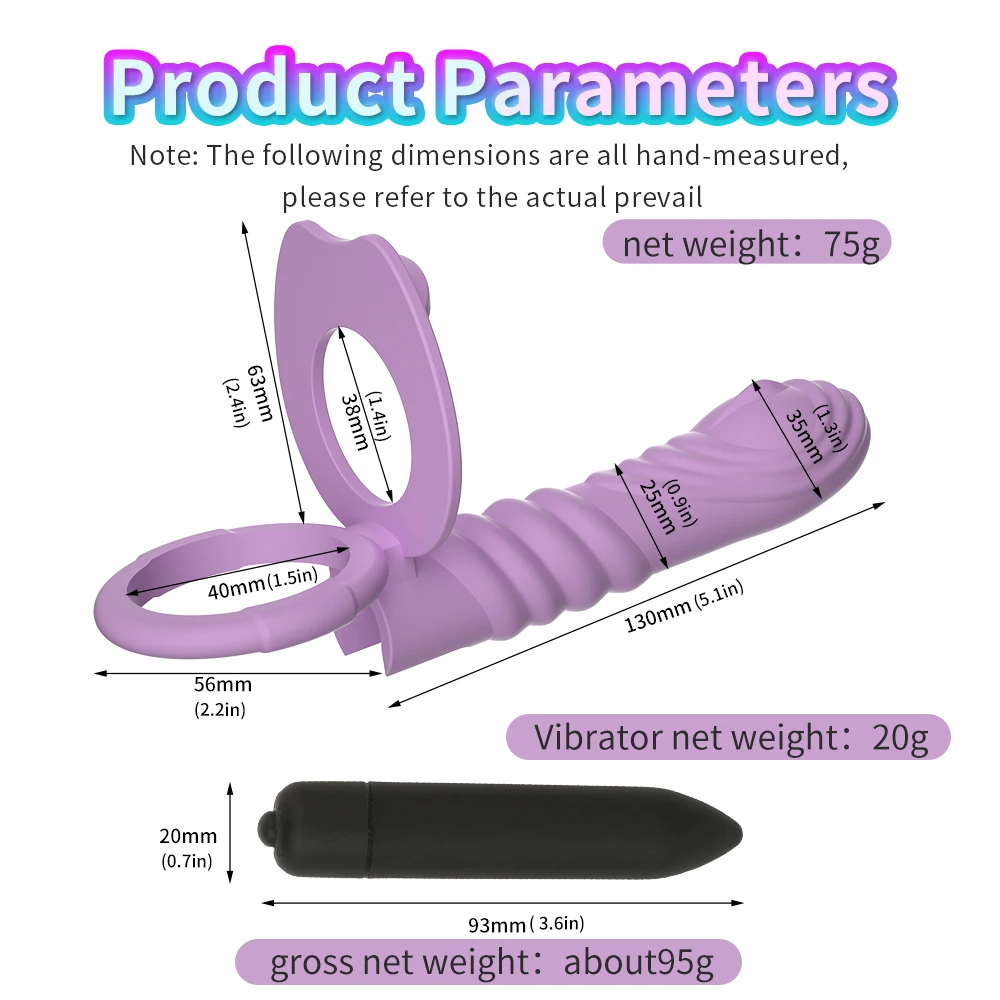
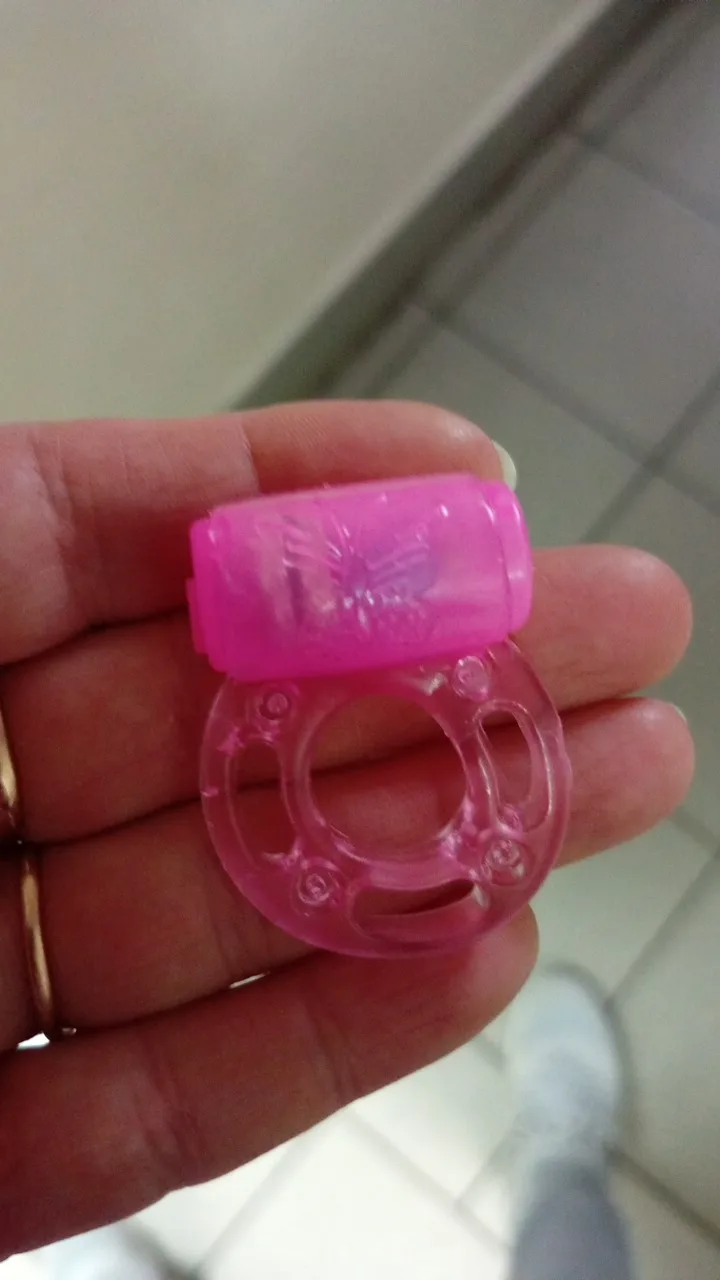
Recommended Products
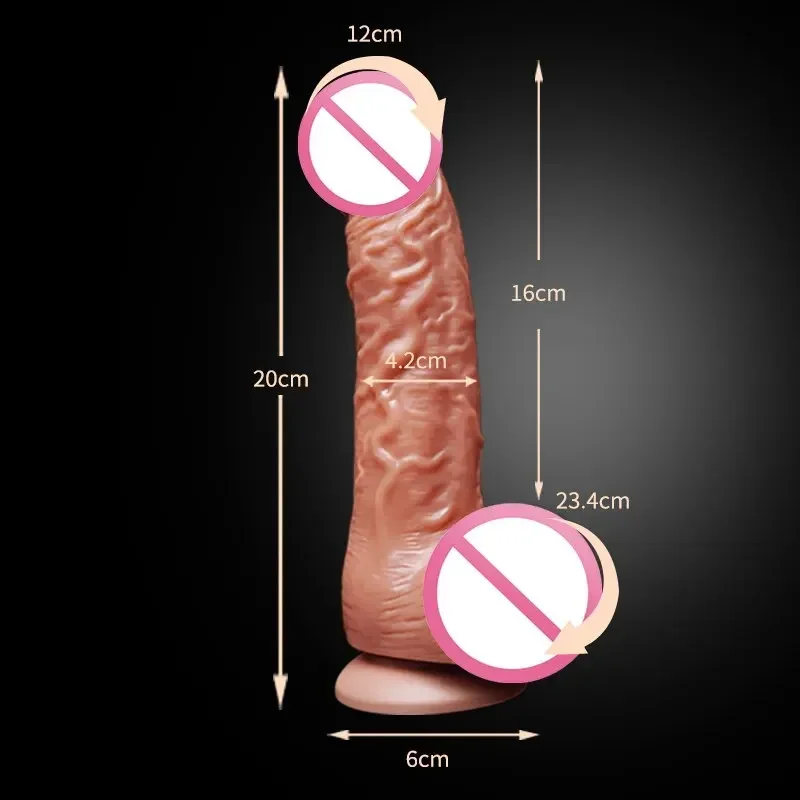



Walk through this checklist in order:
1. Shape & function first. Non-representational forms come in ovals, cylinders, teardrops, spheres, and faceted geometric designs. Pick the silhouette that matches your intended use (external, internal, partner-assisted, temperature play) before you look at material.
2. Material compatibility. Lock in your material choice (silicone, ABS, glass, steel). Confirm the listing states non-porous, body-safe, phthalate-free. For silicone, verify “platinum-cured.”
3. Dimensions. Note the longest and widest points. A slightly smaller-diameter piece is a safer first purchase; you can always scale up.
4. Surface finish. Matte silicone hides micro-scratches better than glossy finishes; glass and steel are inherently smooth.
5. Lubricant pairing. As a hard rule: water-based lube with silicone. Water-based or silicone-based lube with glass/steel/ABS. Avoid silicone lube on silicone products — it degrades the surface.
6. Certification & transparency. Prefer retailers that publish a material batch number or safety data sheet. XNXXMALL, for example, links a composition summary on each product page so you are not relying on a vague “silicone” label.
7. Budget. A 200 mm platinum-silicone abstract form typically falls in the mid-range; borosilicate glass and small steel pieces are comparable or slightly less. Avoid the cheapest option — material quality is the thing you cannot upgrade later without replacing the item.
Safety & Care
Every non-representational dildo, regardless of material, follows a core hygiene protocol:
- Always use a water-based lubricant with silicone products. Oil-based and silicone-based lubricants break down the polymer over time and can create a sticky, degrading surface that harbours bacteria.
- Clean before and after each use with mild, fragrance-free soap and warm water. For glass and steel, a quick sanitise in hot water or a 10 % non-scented bleach solution (for external-only items) between partners is optional but hygienic.
- Store each piece in a breathable pouch — cotton or unbleached muslin work well. Avoid sealed plastic bags, which trap moisture and encourage microbial growth.
- Respect age verification and local regulations. Intimate wellness products are adult items. Confirm you meet your jurisdiction’s legal age requirement before purchasing, and check whether your region has specific labelling or import rules for silicone or glass body products.
- Inspect regularly. Before each use, check for cracks, cloudiness (glass), surface tackiness (silicone), or any odour. Discard any item showing signs of degradation.
- Keep products separate if shared between partners to prevent cross-contamination; at minimum, clean and sanitise between users.
For broader sexual-health context, the Mayo Clinic’s sexual-health section offers evidence-based guidance on safe practices, communication, and when to consult a clinician: [mayoclinic.org/healthy-lifestyle/sexual-health](https://www.mayoclinic.org/healthy-lifestyle/sexual-health).
Top Recommendations
These are material- and shape-based suggestions, not a ranked brand list. Cross-reference with your body dimensions and comfort level:
| Material | Best For | Shape Examples | Key Note |
|—|—|—|—|
| Platinum-cured silicone | First-time buyers, temperature-neutral use | Oval, teardrop, faceted sphere | Pair only with water-based lube |
| Borosilicate glass | Users wanting easy sanitisation, firm texture | Smooth cylinder, tapered rod | Can be warmed or cooled for temperature play |
| ABS plastic | Budget-conscious beginners, external use | Rounded block, sculpted form | Fully non-porous; no lube pairing restriction |
| 316 stainless steel | Long-term durability, partner-assisted use | Smooth cylinder, egg | Heaviest option; warm to body temperature before use |
All of the above are available in a range of sizes at XNXXMALL, where each listing includes a material certificate and care card in the package.
Common Mistakes & How to Avoid Them
- Buying “jelly” or “rubber” items to save a few dollars. Porous, plasticiser-laden materials cannot be fully sanitised and can leach compounds over time. The small saving is not worth the health risk.
- Using silicone lubricant on a silicone product. The lube chemically attacks the surface, making it sticky and shortening the product’s life by months. Stick to water-based.
- Storing items in a sealed drawer with no airflow. Moisture trapped in a closed space breeds mould. Use a breathable pouch and a dry, ventilated drawer.
- Skipping the “inspect before use” step. A hairline crack in glass or a softening spot in silicone means the item should be retired, not patched.
- Assuming “non-representational” means “one-size-fits-all.” Even abstract shapes vary enormously in diameter, length, and angle of entry. Start smaller than your target size.
More Options on XNXXMALL


Frequently Asked Questions
: What non-representational dildos materials are safest for sensitive skin?
Platinum-cured, body-safe silicone and borosilicate glass are the two least likely to irritate. Both are non-porous, hypoallergenic, and free of phthalates when properly manufactured. ABS plastic is also a safe, budget-friendly option. Avoid anything listed simply as “rubber” or “jelly.”
: Can I put non-representational dildos in the dishwasher to clean them?
Only glass and stainless steel can tolerate a top-rack, no-detergent cycle. Silicone and ABS soften or warp above 100 °C. Hand-wash with mild soap and warm water, then air-dry before storing in a breathable pouch.
: How do I tell if a silicone product is truly non-porous?
A non-porous silicone item will not absorb a drop of water; it beads up and can be wiped off. If the surface feels slightly tacky, discoloured, or has a faint chemical smell, it may be a porous blend. Purchasing from a transparent retailer like XNXXMALL, where material certificates are published, removes most guesswork.
: Do non-representational dildos materials affect how I should lubricate?
Yes. The material dictates the lubricant category: water-based for silicone, water- or silicone-based for glass/steel/ABS. A mismatched lubricant can degrade the surface within a handful of uses. When in doubt, water-based is the universal safe default.
: Where can I verify age and regional compliance before buying intimate wellness products?
Most reputable retailers, including XNXXMALL, enforce an age-verification step at checkout and display their applicable jurisdiction’s compliance notices on the site footer. For broader health guidance on safe intimate practices, the Mayo Clinic’s sexual-health resource is a reliable, medically reviewed starting point.
Final Thoughts
Choosing the right material for a non-representational dildo is less about fantasy and more about the same logic you would apply to any product that touches your body: know what it is made of, clean it properly, store it well, and replace it when it shows wear. The landscape of intimate wellness has matured enormously, and the most important upgrade most buyers can make is moving from vague “plastic” items to clearly specified, non-porous, body-safe materials.
If you are ready to make that upgrade, XNXXMALL curates a transparent, certificate-backed selection of non-representational forms across silicone, glass, steel, and ABS — each with a care card, a water-based lubricant pairing guide, and a breathable storage pouch included so the product arrives ready for responsible use. You can browse the full material-filtered catalogue at XNXXMALL.
And for the wider conversation about sexual wellness, consent, and when to talk to a clinician, the Mayo Clinic’s sexual-health section offers plain-language, evidence-based reading that pairs well with anything you take from this guide: [mayoclinic.org/healthy-lifestyle/sexual-health](https://www.mayoclinic.org/healthy-lifestyle/sexual-health).
Take your time, read the material specs, ask the questions in the FAQ above, and make a purchase you feel confident about. Your comfort and your health come first — everything else is secondary.
 No products in the cart.