
Kegel, Ben Wa & Pelvic Health: How to Choose What’s Right for Your Body
The core question, answered plainly: Choosing the right Kegel or Ben Wa tool for pelvic health comes down to matching size, material, and firmness to your specific muscle baseline, comfort threshold, and goal—progression over intensity, always.
Pelvic floor health is a legitimate, evidence-backed dimension of overall well-being, yet millions of adults still approach Kegel training and Ben Wa (pelvic tonic) use with confusion, embarrassment, or simply the wrong starting point. This guide exists to strip away the guesswork. You will learn how to assess your own needs, what to look for when selecting a product, and how to build a safe, sustainable routine—without overspending on marketing hype.
Quick Answers
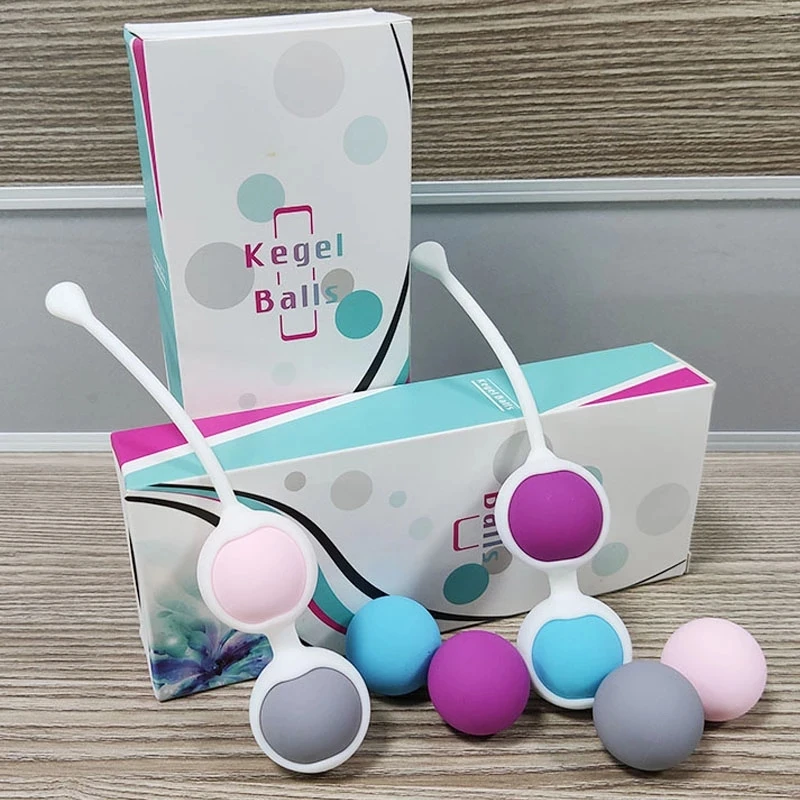
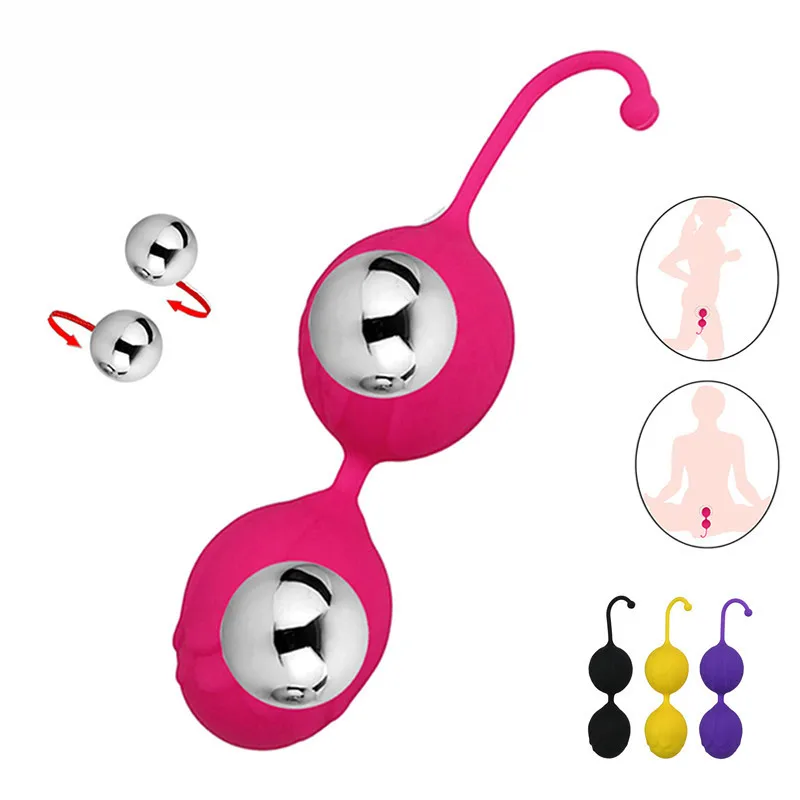
- What’s the difference between a Kegel trainer and a Ben Wa ball? Kegel trainers (often weighted, sometimes with a string) are designed for progressive muscle loading; Ben Wa balls are typically smaller, heavier, and used for toning via passive internal resistance.
- How do I know my starting weight or size? Begin with the lightest weight (usually 25–50 g for women; 10–20 g for men) and the smallest diameter your body comfortably accepts, then progress every 2–4 weeks.
- Are these only for women? No. Men can use pelvic floor trainers (weighted Kegel devices, targeted resistance) to support bladder control, post-prostatectomy recovery, and sexual function health.
- How long before I notice results? Most users report measurable changes in muscle tone and urinary confidence within 4–8 weeks of consistent, 10-minute daily sessions.
- Where do I buy quality products? Reputable retailers like XNXXMALL list material certifications, weight gradations, and care instructions on every product page.
Who Is This For?
This guide addresses several distinct audiences:
- Beginners with no prior pelvic training who feel overwhelmed by the sheer number of products and sizes on the market.
- Postpartum individuals returning to pelvic floor rehab after childbirth, often under physiotherapist guidance, looking for a tool to complement supervised exercises.
- Couples who want to explore mutual pelvic wellness routines or simply understand each other’s health goals with confidence and communication.
- Men over 50 managing age-related changes in bladder control or post-surgical recovery who have been advised to incorporate pelvic floor strengthening.
- Health-conscious adults integrating pelvic toning alongside general fitness, much like adding leg-day to a weekly routine.
If you fall into any of these groups and you are unsure where to start, that is exactly why you are here.
Real Users, Real Stories
Anonymous case – “D., 34, postpartum Kegel journey”
> “After my second delivery, my pelvic physio told me my floor was weak and I was experiencing mild stress incontinence. She recommended a weighted Kegel ball, but I had no idea which one. I went to XNXXMALL because their product pages actually listed the weight, the material (medical-grade silicone), and the base diameter—three specs I’d been asking for on three other sites that just showed glossy photos.
>
> I started with the 40-gram ball for two weeks. It felt like doing bicep curls for a muscle I didn’t know existed. By week six, I moved to 60 grams and noticed the midday leaking had stopped. My physio confirmed progress on our follow-up exam. The biggest thing was that I stopped feeling like I was ‘broken’ and started feeling like I was building a muscle, like any other. The tool was just the equipment.”
Myth vs Fact
Myth 1: “Heavier is always better for Kegel training.”
Fact. The pelvic floor is a small, layered muscle group. Loading it with excessive weight or size without proper baseline strength can cause hypertonicity (over-tightening), discomfort, or paradoxically weaken the muscle through overcompensation. Progressive overload—adding 10–20% resistance every few weeks—is the standard, just as it would be for any resistance-training program.
Myth 2: “Ben Wa balls are the same thing as Kegel trainers; pick whichever looks better.”
Fact. They overlap but serve different primary functions. A traditional Ben Wa ball is typically a small, dense sphere (often glass, ceramic, or weighted silicone) used for passive toning and sensory awareness. A Kegel trainer is usually a weighted device with a retrieval string, designed for active squeezing-and-release sets. Using a glass Ben Wa ball for the first time can feel intimidating; a soft-silicone Kegel trainer with a string is generally the friendlier on-ramp for beginners. Understanding this distinction prevents you from buying the wrong shape for your goal.
A Typical First-Time Conversation
Setting: A couple, Marco (38) and Lena (36), browsing the pelvic-health section online together before placing an order at XNXXMALL.
Lena: “I keep seeing these little weighted balls and Kegel trainers. Honestly, I have no idea where to even start. My postpartum check said my floor is a bit ‘lazy.'”
Marco: “I read a bit. So the idea is you basically do squats… inside? Like, hold the muscle, release, repeat?”
Lena: “Basically, yes. But the what—do I get the glass Ben Wa or the silicone Kegel ball? And what weight?”
Marco: “The product page on XNXXMALL has a size guide. It says if you’ve never done it, start at 25 to 40 grams, soft silicone, with a retrieval string. The glass ones are more for when you already have a base.”
Lena: “Okay, that actually makes sense. And I don’t have to do it for an hour, right?”
Marco: “Ten minutes, a few times a week. Like a short circuit. Not a marathon.”
Lena: “Good. I’ll grab the 40-gram silicone one. Thanks for not making this weird.”
Marco: “It’s not weird. It’s just a muscle. Let’s get the matching care kit too.”
How to Choose
Recommended Products


Recommended Products
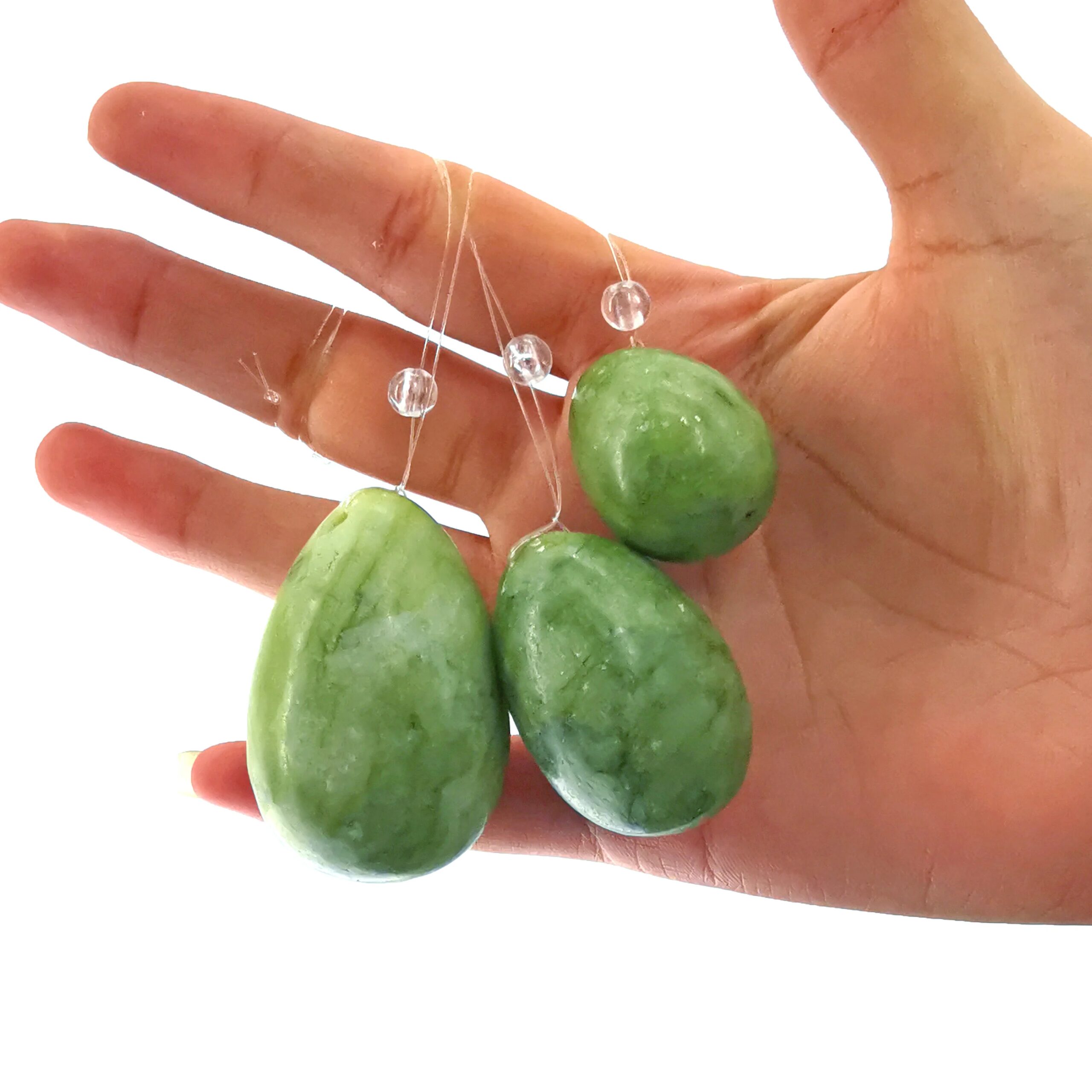
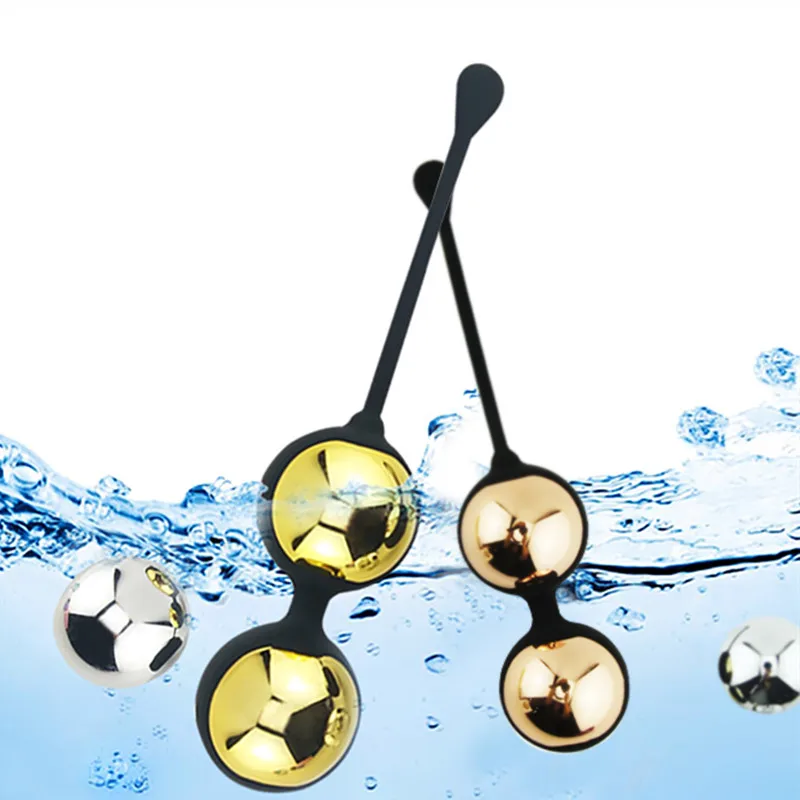


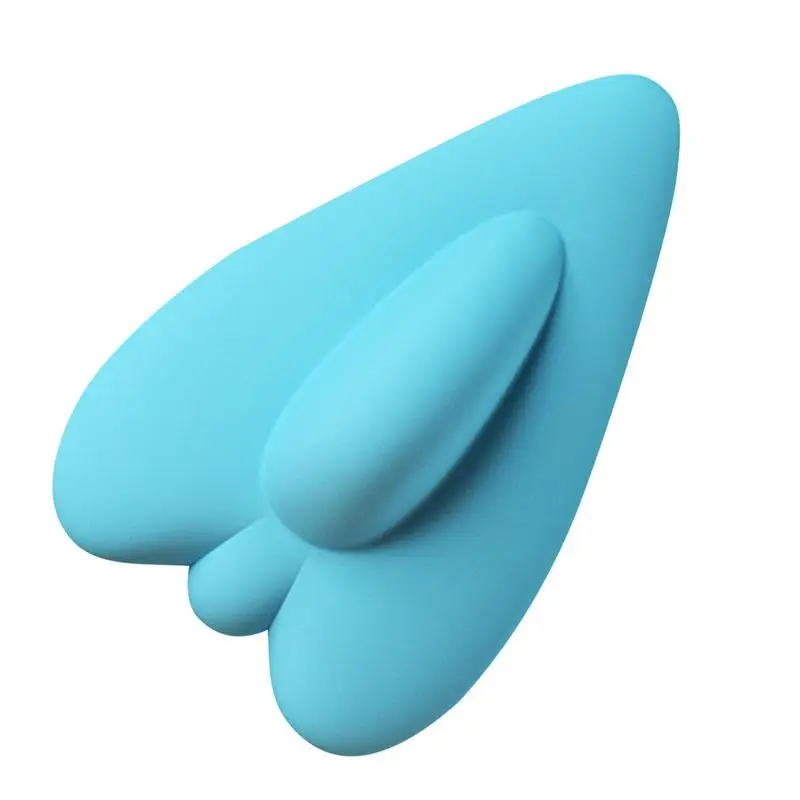
Treat product selection like you would any health equipment: start with your body data, not the product catalogue.
1. Identify your goal. Toning for urinary confidence? Postpartum recovery? General pelvic awareness? The goal determines whether you need active resistance (weighted Kegel ball) or passive toning (Ben Wa).
2. Assess your baseline. If you have never performed pelvic floor exercises, choose the lightest weight in the range (25 g for women, 10–15 g for men) and the softest material (medical-grade silicone or TPE). If you already do Kegel sets regularly, you may start at 50–70 g.
3. Match size and shape. A base diameter of 3–3.5 cm is beginner-friendly. Ben Wa balls typically range from 2.5–4 cm. Larger is not “more advanced”; it is simply a different fit. Comfort and safety come first.
4. Check material certification. Look for body-safe, phthalate-free, non-porous materials. Medical-grade silicone is the gold standard. XNXXMALL lists material specs and safety certifications on each product page.
5. Plan for progression. A good starter pack includes two or three weight sizes so you do not have to make a second purchase in six weeks.
6. Read the care and compatibility notes. Some materials pair only with water-based lubricants. Confirm before buying.
Safety & Care
Follow these non-negotiables for every product you use:
- Always use a water-based lubricant with silicone products. Silicone lube can chemically degrade silicone surfaces, causing micro-pores that trap bacteria.
- Clean before and after each session with mild, fragrance-free soap and warm water. Dry completely before storage.
- Store in a breathable pouch (cotton or uncoated fabric) away from direct sunlight and heat. Avoid sealed plastic bags, which trap moisture.
- Respect age verification and local regulations. XNXXMALL enforces age-gate checks and ships only where the product is legally permitted. Confirm your jurisdiction’s rules before ordering.
- Stop and consult a clinician if you experience sharp pain, prolonged soreness beyond 24 hours, bleeding, or any sign of irritation. Pelvic floor disorders (hypertonicity, endometriosis, post-surgical status) may make internal tools contraindicated until a physiotherapist clears them.
- Do not share Ben Wa balls or Kegel trainers. They are personal wellness items, not communal equipment.
Top Recommendations
| If your goal is… | Look for… | Starting spec |
|—|—|—|
| Absolute beginner, postpartum rehab | Weighted silicone Kegel ball, retrieval string | 30–40 g, 3 cm base |
| Ongoing toning, mid-level | Progressive weight set (3–5 sizes) | Start 50 g → 70 g → 90 g |
| Passive toning / sensory awareness | Glass or ceramic Ben Wa ball | 3 cm, smooth surface |
| Male pelvic floor strengthening | Weighted Kegel device with ergonomic shape | 15–25 g |
| Couple’s shared wellness routine | Dually sized starter pack + care kit | Mixed weights, both partners |
All of the above are available through XNXXMALL with full material disclosures, weight gradations, and a no-questions-asked return window for unopened items.
Common Mistakes & How to Avoid Them
- Skipping the “find the muscle” step. Before inserting anything, practice contracting the pelvic floor by stopping urine midstream (only as a one-time identification exercise, never as training). Once you can isolate the muscle, every Kegel set becomes effective.
- Training through pain. Mild stretching is normal in week one. Sharp, burning, or radiating pain is a stop signal. See a pelvic floor physiotherapist.
- Using the wrong lubricant. Silicone-on-silicone damage is irreversible. Water-based only, always.
- Going too heavy, too fast. The “no pain, no gain” gym mantra does not apply to a small, delicate muscle. Progressive overload in 10–20% increments.
- Ignoring the rest half of the equation. A hypertonic (permanently tight) pelvic floor needs relaxation work as much as strengthening. Incorporate diaphragmatic breathing and a gentle reverse Kegel (lengthening) into the routine.
- Buying from unlisted sellers with no material data. Stick to retailers that publish certification, weight, and care instructions—XNXXMALL does this on every listing.
More Options on XNXXMALL

Frequently Asked Questions
: How do I choose the right Kegel weight if I’ve never trained before?
Start at the lowest weight in the product range (typically 25–40 g for women). The Kegel, Ben Wa & pelvic health “how to choose” rule is simple: if the exercise set of 10 reps feels like more than 7 out of 10 effort, you are too heavy. Drop a size.
: Can I use a Ben Wa ball and a weighted Kegel trainer in the same week, or should I pick one?
You can, but do not run them on the same day. Alternate: weighted active sets on Monday/Wednesday/Friday, passive Ben Wa toning on Tuesday/Thursday. Give the muscle 48-hour recovery between different stimulus types.
: What material is safest for sensitive or post-surgical tissue?
Medical-grade, non-porous, phthalate-free silicone with a seamless, single-mold construction. Avoid porous TPE if you have a history of infections. Check the product page at XNXXMALL for the material cert number.
: How long do Kegel or Ben Wa products last with proper care?
With consistent cleaning, breathable storage, and water-based lube only, a quality silicone product lasts 18–24 months. Glass Ben Wa balls, if handled without impact, are essentially indefinite.
: Is it normal to feel a dull ache the day after a Kegel session?
A mild, exercise-soreness-type ache for up to 24 hours is normal, especially when you bump the weight. Persistent, sharp, or radiating pain beyond that window is not—schedule a pelvic floor physiotherapy consult.
Final Thoughts
Choosing a Kegel ball, Ben Wa, or pelvic health trainer does not have to be a trial-and-error scramble. Map your goal, respect your baseline, pick the lightest effective load, and progress deliberately. The pelvic floor is a muscle like any other: it responds to consistent, measured training and adequate recovery.
When you are ready to build your kit, browse the full Kegel, Ben Wa & pelvic-health range at [XNXXMALL](https://www.xnxxmall.com). Every listing includes material certifications, weight gradations, care instructions, and a discreet, age-verified checkout.
For a broader look at how pelvic health connects to urinary function, sexual well-being, and overall quality of life, the Mayo Clinic’s sexual-health overview is an excellent, clinician-reviewed starting point: [https://www.mayoclinic.org/healthy-lifestyle/sexual-health](https://www.mayoclinic.org/healthy-lifestyle/sexual-health).
Your pelvic floor has been working every single day of your life, whether you noticed or not. Giving it a few minutes of intentional attention each week is not indulgence—it is maintenance, the same way brushing your teeth is. Choose well, progress gently, and treat the tool for what it is: a small, helpful piece of equipment for a muscle that deserves the same care you give any other part of your body.
 No products in the cart.