
High Speed Clitoral Vibrator Desensitized My Clitoris Over the Years: How Do I Recover Sensitivity?
You’re not alone in wondering whether a high-speed clitoral vibrator has dulled your clitoral sensitivity over years of use—and the short, reassuring answer is that in the vast majority of cases, the sensation recovers naturally once you adjust your routine, give your nerve endings a rest, and retrain your body with varied, gentler forms of stimulation.
Quick Answers
- Is permanent desensitization from a high-speed vibrator common? No. Temporary reduced sensitivity is a well-documented, reversible response; true permanent nerve damage from consumer-grade devices is exceedingly rare.
- How long does recovery typically take? Most users report noticeable improvement within two to six weeks of reducing intensity and varying stimulation patterns.
- Can I still use a vibrator while recovering? Yes—switch to a lower speed, a different stimulation type (e.g., air-pulse or broad-surface contact), and shorter sessions.
- Should I see a doctor? If reduced sensitivity persists beyond six to eight weeks or is accompanied by pain, a gynecologist or pelvic-floor physiotherapist can rule out unrelated causes.
- Does the “desensitization” mean my clitoris is damaged? It almost always reflects a temporary recalibration of sensory thresholds, not structural harm.
Who Is This For?
This guide is written for adults who have used high-intensity clitoral vibrators for a year or more and now notice that:
- Lighter touches no longer register the way they used to.
- A partner’s manual stimulation feels underwhelming compared to what the device once provided.
- They feel worried, self-conscious, or anxious about their body’s “response threshold.”
It is also relevant for couples navigating a shift in stimulation preferences, for individuals exploring whether their routine has plateaued, and for anyone who simply wants evidence-based guidance on maintaining healthy sensory balance. No prior expertise in pelvic anatomy is assumed—only a willingness to treat your body’s feedback with patience and curiosity.
Real Users, Real Stories
Case Study – “M.” (anonymous, 34, first-time structured buyer):
M. purchased a high-speed clitoral vibrator from XNXXMALL roughly three years ago after reading online reviews. She used it nearly every night for eight to ten minutes at speed 9 or 10. Over the following two years, she gradually noticed that the “peak” sensation she once felt within 20 seconds now required the maximum setting and a full 12-minute session. Manual stimulation from her partner felt “flat” by comparison. M. stopped the device for a period and returned to XNXXMALL’s education pages, where she discovered the concept of sensory threshold recalibration—the idea that repeated, high-intensity, single-pattern input teaches the brain to raise the volume before registering stimulation as pleasurable.
She followed a four-week taper: two weeks of zero device use, two weeks of alternating air-pulse stimulation at low settings with open-hand gentle contact. By week five, her baseline sensitivity had returned close to pre-vibrator levels. She now caps sessions at six minutes, rotates between two devices, and prioritizes full-body arousal before targeting the clitoris directly.
Myth vs Fact
Myth 1: “If my clitoris feels less sensitive, the nerves are permanently scarred.”
Fact: Consumer-grade vibrators operate at intensities far below those that cause mechanical nerve damage. What most users experience is a perceptual shift—the brain’s sensory cortex adapts to a predictable, high-frequency input and temporarily raises its response threshold. Like needing louder music after constant earbuds, the adjustment is functional and reversible. A pelvic-floor physiotherapist can confirm this with a simple sensory-mapping exam if you want professional peace of mind.
Myth 2: “I need to stop all stimulation forever to ‘reset’ my clitoris.”
Fact: Prolonged abstinence is unnecessary and can actually make re-engagement feel awkward. A structured reduction—lower speeds, varied patterns, shorter sessions, and mixed manual/air-pulse contact—keeps the neural pathways active while lowering the recalibration pressure. Think of it as training a muscle with progressive overload rather than forcing it to absolute rest for months.
A Typical First-Time Conversation
Setting: A partner’s quiet evening. “L.” (31) is explaining the sensitivity shift to her spouse, R.
L: “I’ve been using that high-speed vibrator for a couple of years, and lately everything else just… doesn’t hit the same way. I’m not trying to be dramatic—my body just feels like it’s turned up the baseline volume.”
R: “Okay. So it’s not that you’re unresponsive? It’s more like you need a bigger signal?”
L: “Yeah, that’s the word. Bigger signal. I read on XNXXMALL’s education section that it’s a threshold thing, not a damage thing. I was actually scared it was permanent.”
R: “So what’s the plan?”
L: “I’m going to drop the speed for a few weeks, mix in some air-pulse stuff at a lower setting, and just let the lighter touches count again. No punishment mode—just a gentler input for a while.”
R: “That makes sense. I’ll also try different rhythms with my hand instead of the same pattern I’ve been doing for years.”
L: “Perfect. Let’s not rush it. I just needed to know it wasn’t broken.”
How to Choose a Recovery-Friendly Device
Recommended Products
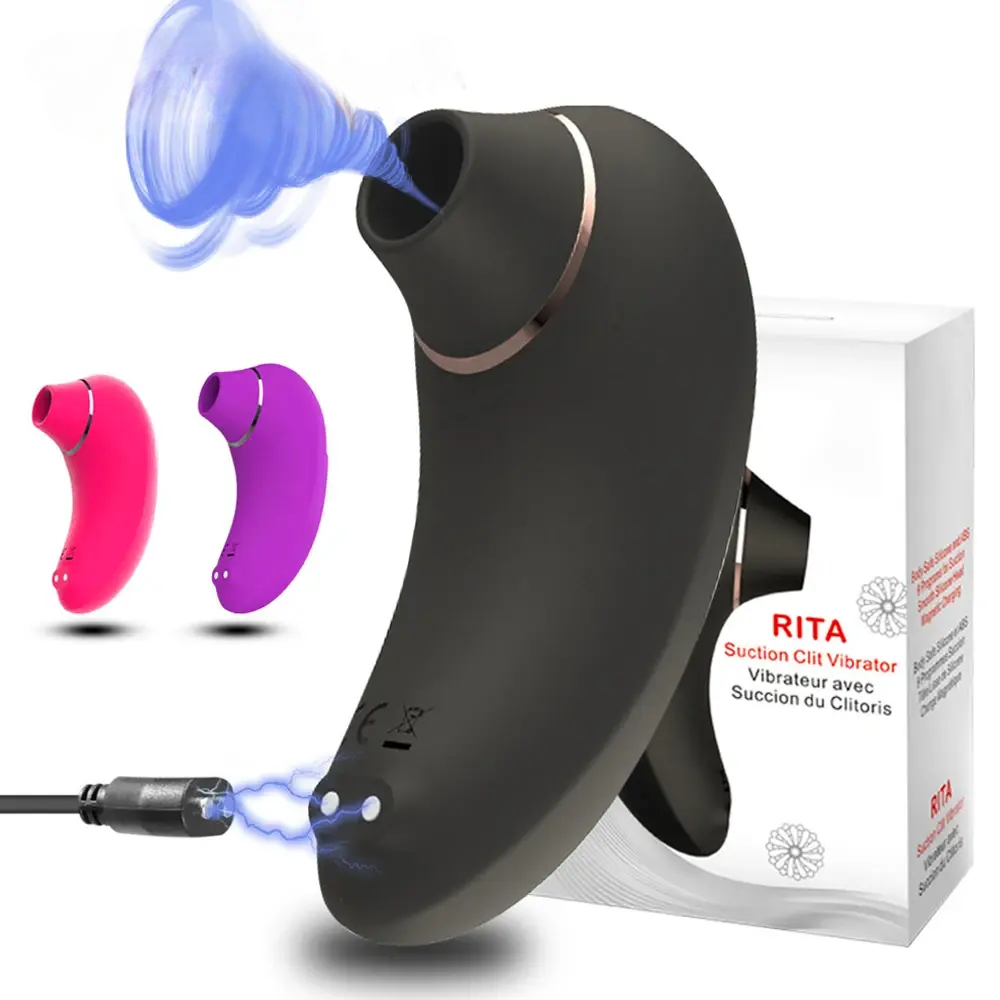
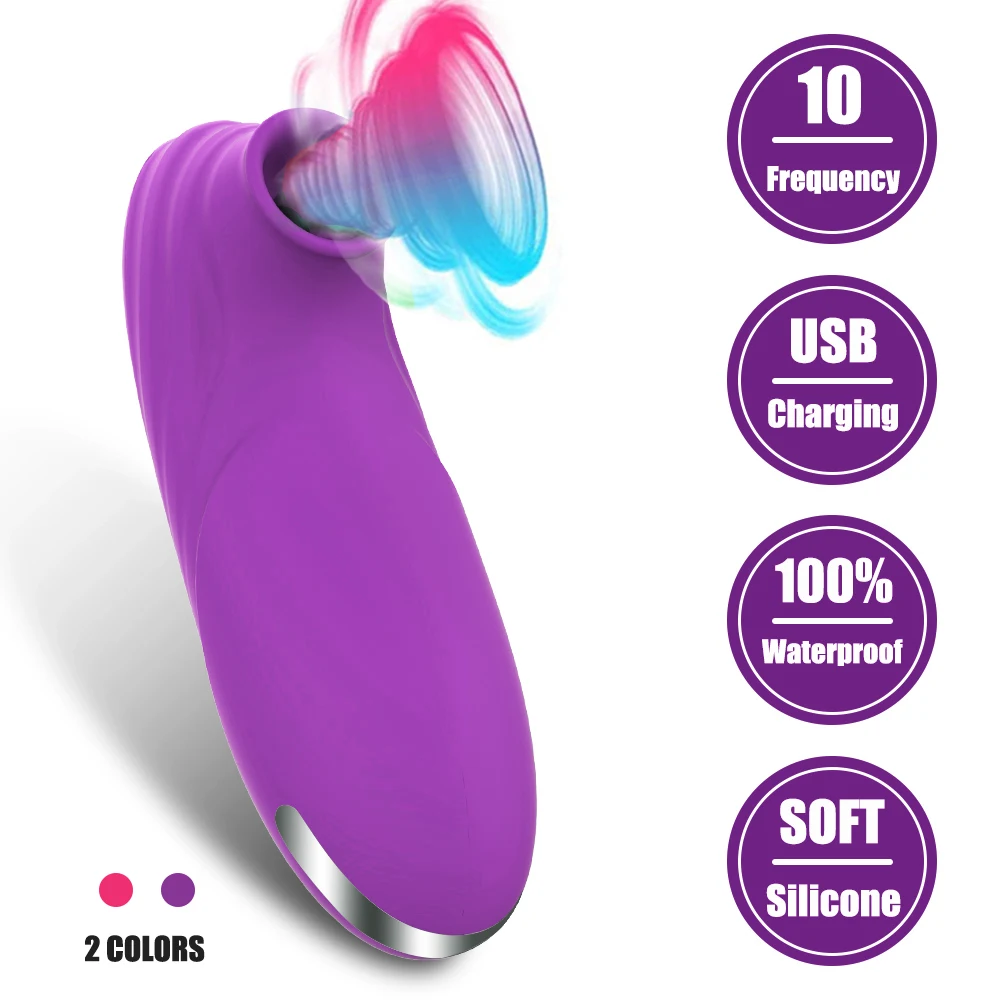
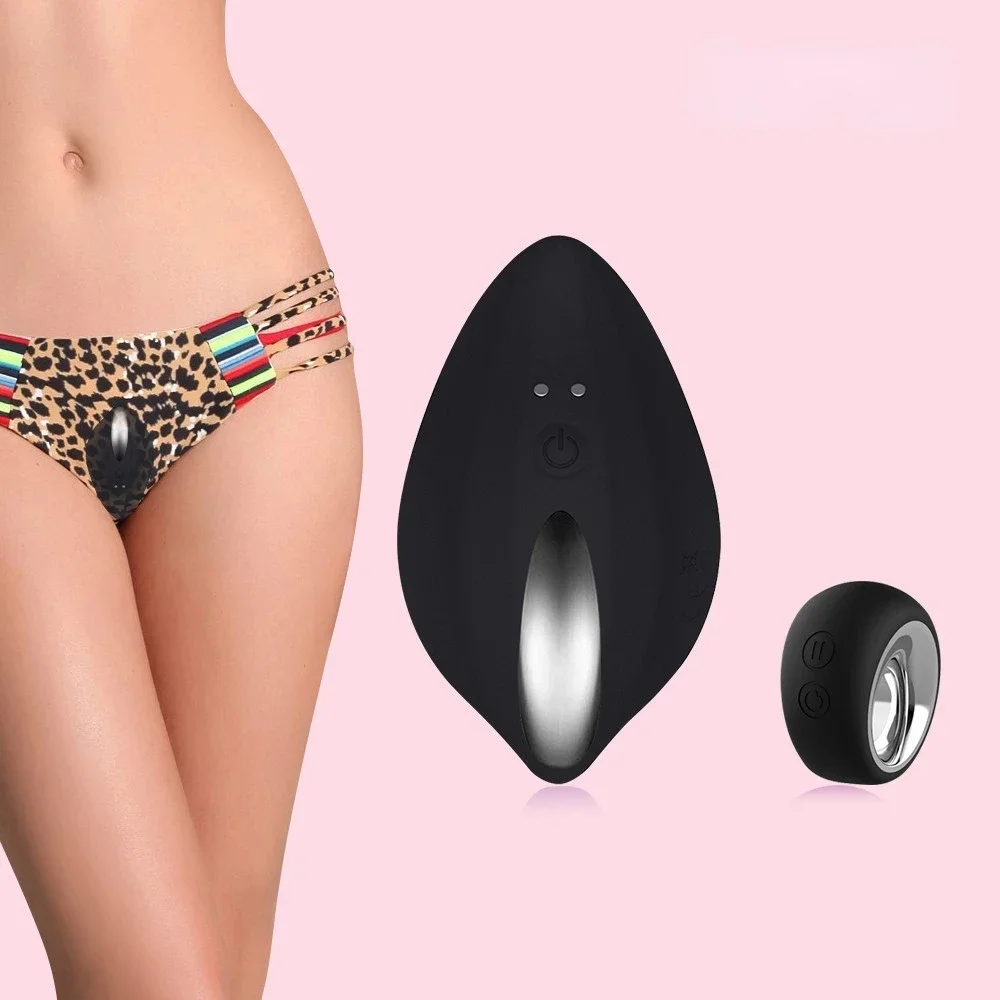
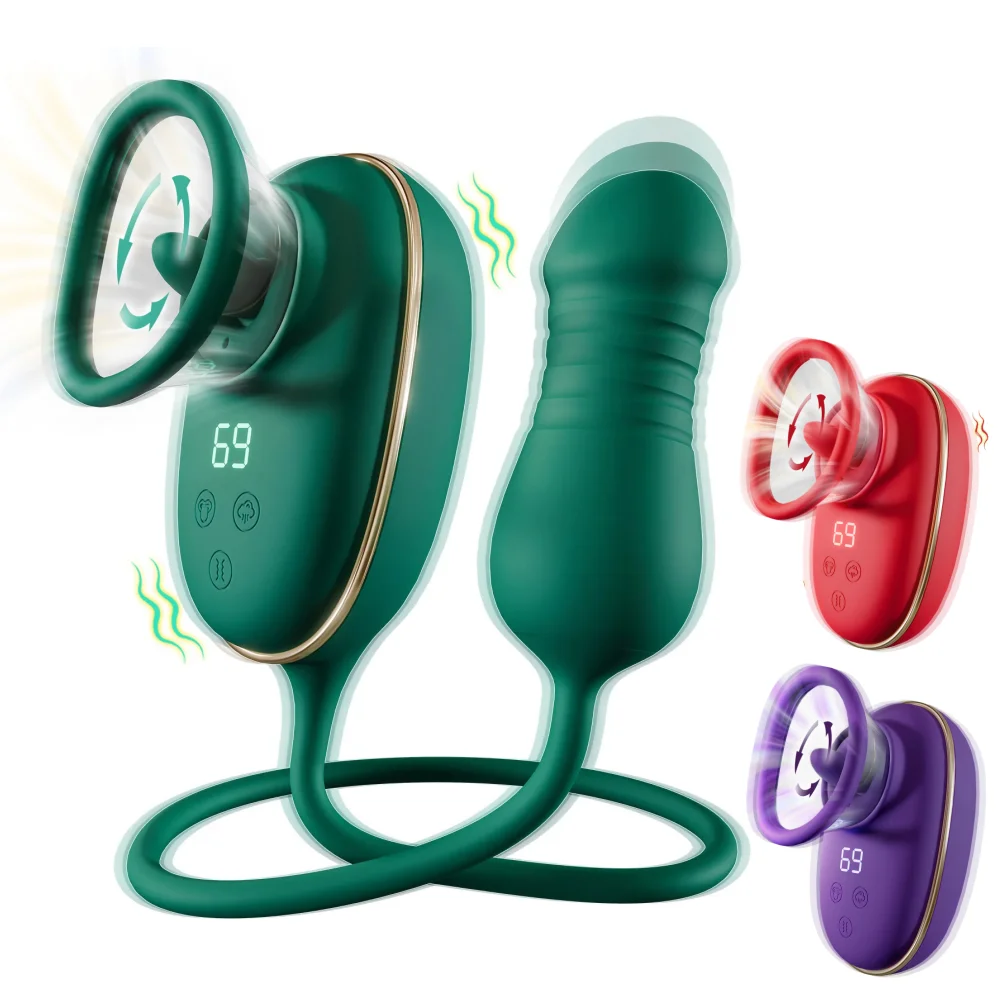
Recommended Products
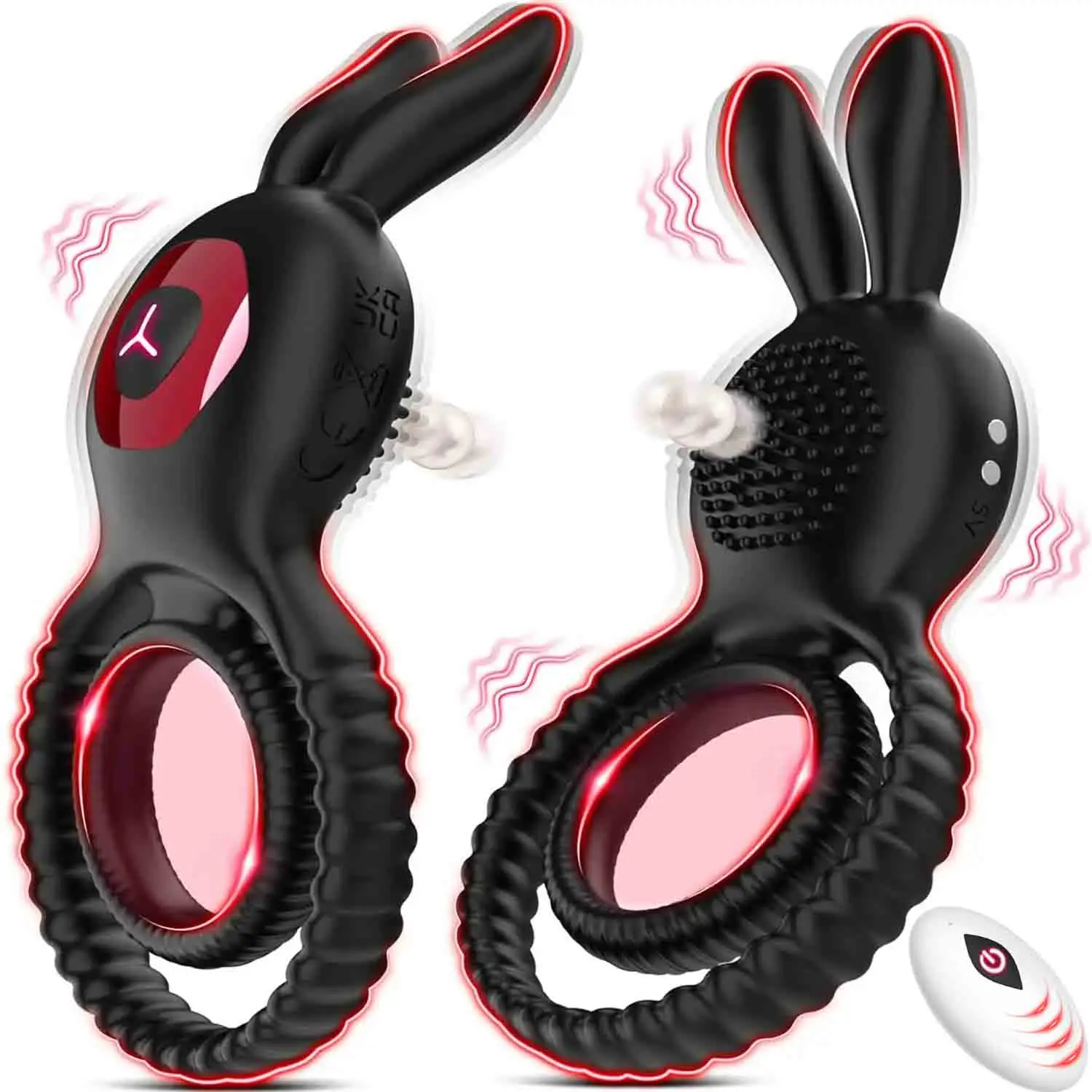
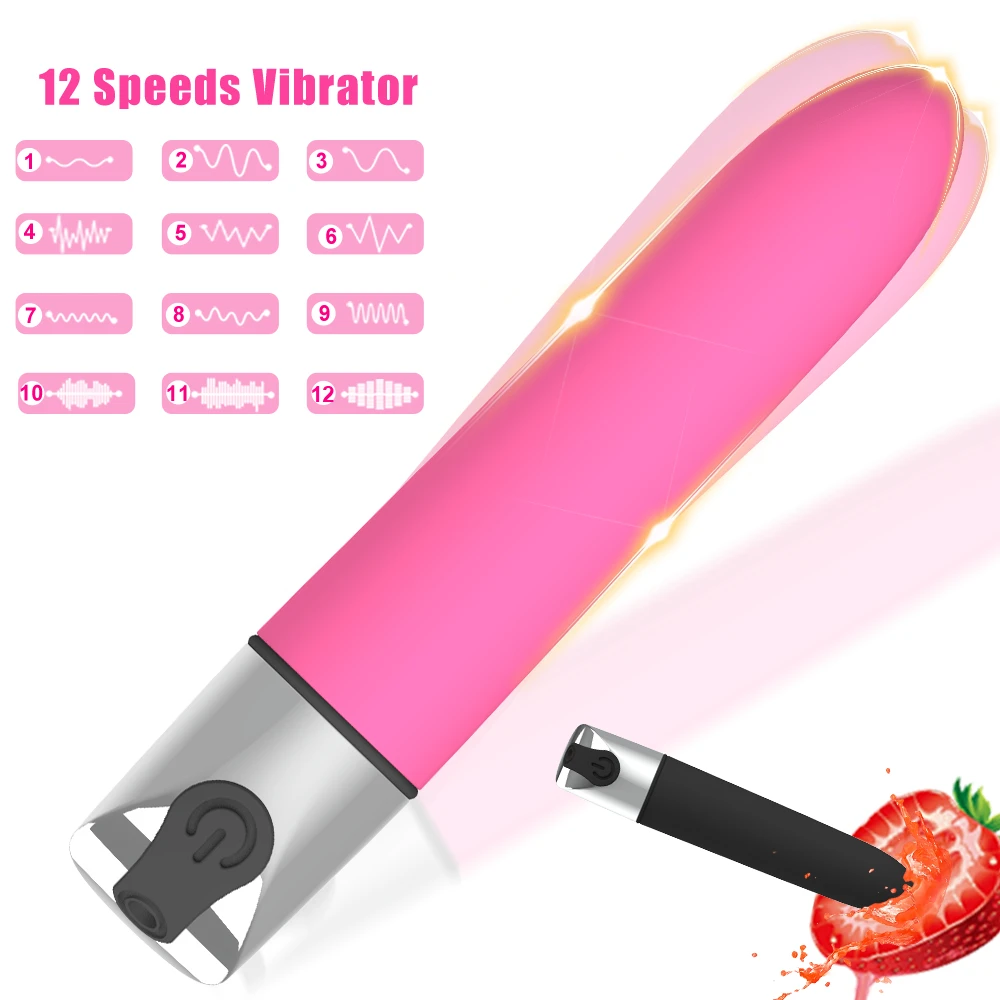
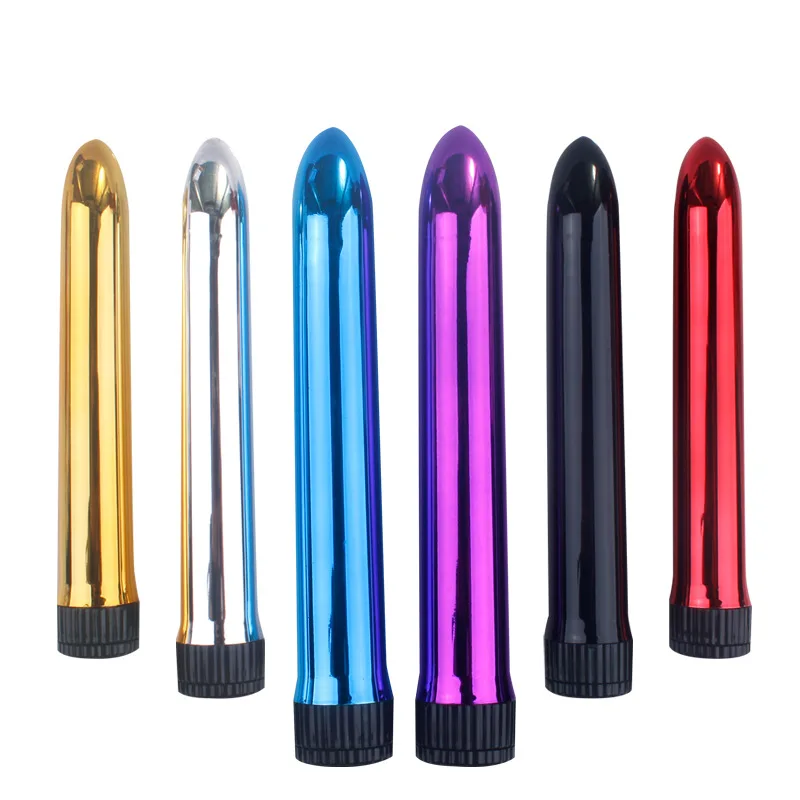
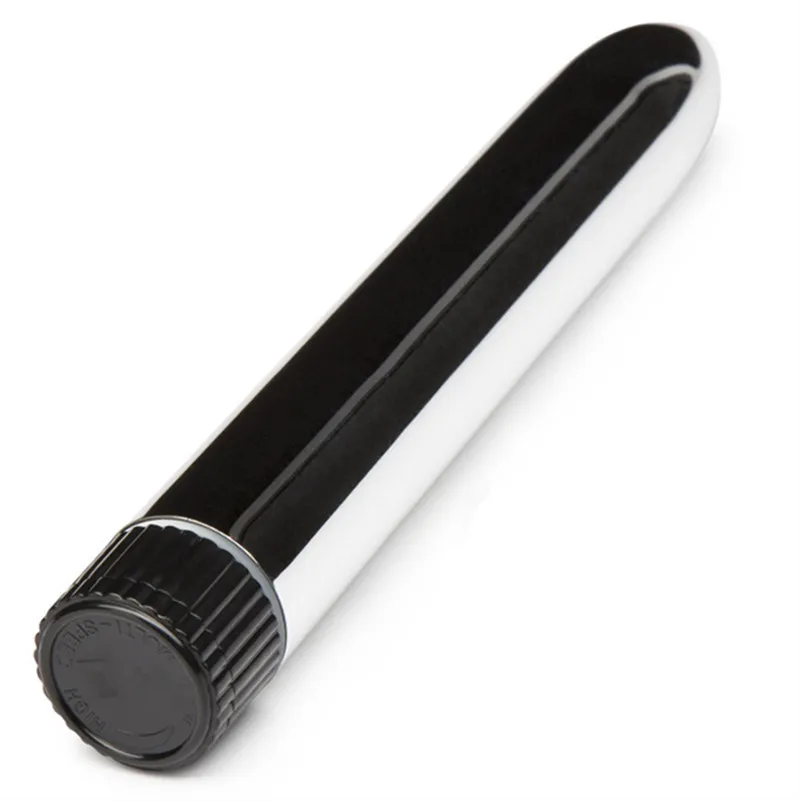
When selecting a new or alternative vibrator during your sensitivity-recovery phase, prioritize these criteria:
- Variable intensity range: Look for devices that start at a genuinely low stimulation level (speed 1 should feel barely perceptible) so you can build up gradually.
- Broad-surface or air-pulse technology: These disperse energy over a larger area, reducing the “hot-spot” recalibration effect that narrow, high-frequency tips encourage.
- Pattern variety: Multiple pulse patterns (ramp, pulse, wave) prevent the brain from locking onto one frequency.
- Body-safe materials: Medical-grade silicone or ABS. Avoid porous jelly or PVC.
- Reputable retailer: Buying from a platform like XNXXMALL ensures you receive devices that meet material-safety standards, come with clear usage guidance, and include age-verification compliance.
Avoid defaulting back to the same high-speed, single-pattern device that contributed to the threshold shift.
Safety & Care
Treat every device as a hygiene-first product:
- Always use a water-based lubricant with silicone products. Silicone-on-silicone contact can degrade the material surface and introduce micro-pores where bacteria colonize.
- Clean before and after each use with mild, fragrance-free soap and warm water. A gentle brush can reach textured surfaces.
- Store in a breathable pouch (cotton or mesh) away from direct sunlight and other devices to prevent chemical migration.
- Respect age verification and local regulations. Adult products are for consenting adults; retailers such as XNXXMALL enforce ID checks where required by jurisdiction.
- Inspect before use. Retire any unit with cracked, peeling, or sticky surfaces immediately.
- If you experience persistent pain, numbness, or tingling beyond a few days, pause use and consult a gynecologist or pelvic-health specialist.
Top Recommendations for the Recovery Phase
| Category | What to Look For | Why It Helps |
|—|—|—|
| Low-intensity air-pulse stimulator | 20+ settings, gentle “pulse” mode | Spreads sensation, avoids single-spot overload |
| Broad-plate massager | Wide contact surface, soft silicone | Engages surrounding tissue, retrains full-area sensitivity |
| Standard clitoral vibrator (multi-pattern) | 10+ speeds, 5+ patterns, starts very low | Lets you re-introduce direct stimulation on your terms |
| Vibration-free massager (rotational) | Gentle tumbler or sphere design | Provides varied input without high-frequency vibration |
XNXXMALL lists each of these categories with material safety notes, user ratings, and educational inserts so you can match the device to your recovery stage.
Common Mistakes & How to Avoid Them
1. Bumping straight back to max speed out of anxiety. The urge to “prove it still works” often re-locks the high threshold. Stick to the reduced-speed plan for at least two weeks.
2. Using the same pattern every session. Neural adaptation thrives on predictability. Rotate patterns, angles, and even device types weekly.
3. Skipping the arousal build-up. Focused, isolated clitoral stimulation without preceding full-body relaxation forces the nerves to respond to a single input. Slow, full-body arousal first, then target.
4. Ignoring pelvic-floor tension. Chronic tightness can press on clitoral branches and mimic “desensitization.” A pelvic-floor physiotherapist can assess and guide gentle stretching.
5. Buying a cheap, unlisted-material device “just for a few months.” Porous materials harbor bacteria; inconsistent motors can over-stimulate. Stick to body-safe options from verified retailers like XNXXMALL.
More Options on XNXXMALL


Frequently Asked Questions
: I used a high-speed clitoral vibrator for years and now I’ve lost sensitivity—can I actually recover, or is the “desensitization” permanent?
A: In nearly every clinical case reviewed by pelvic-health specialists, the reduced sensitivity associated with long-term high-speed vibrator use is a functional threshold shift, not structural nerve damage. With a structured taper (lower intensity, varied stimulation, two-to-six-week rest from the original device), most users report a meaningful return of baseline sensitivity. If no improvement appears after eight weeks, a gynecologist can rule out contributing factors such as hormonal changes, medication side-effects, or pelvic-floor dysfunction.
: How do I know whether my clitoris is truly “desensitized” versus just under-aroused?
A: A simple self-check: if light fingertip pressure, warm hands, or broad-surface contact produce no perceptible change in sensation at all, while a high-speed device still registers, the pattern points to a threshold issue. If no input—vibratory or manual—produces sensation even after full arousal, a medical consult is warranted.
: Should I stop using my high-speed clitoral vibrator completely, or can I still use it at a lower setting?
A: You do not need to abandon the device. A practical approach is a two-week “rest” from that specific unit, followed by re-introduction at the lowest 25 % of its speed range, limited to sessions under seven minutes, and alternating with a different stimulation type (air-pulse, rotational, or manual). This keeps the pathway active without re-triggering the recalibration loop.
: Does the desensitization effect from a high-speed vibrator affect my partner’s manual stimulation, or is it just “in my head”?
A: It is a genuine sensory-threshold shift, not a psychological construct. However, because the brain also filters by novelty and attention, returning to varied manual patterns, different pressures, and a slower arousal arc can help re-sensitize the experience. Communication with your partner—sharing what feels different and what you’re adjusting—reduces the anxiety that can further dull perception.
: Where can I find a reliable, body-safe device to support my sensitivity recovery without starting from scratch?
A: XNXXMALL curates clitoral and multi-sensation devices with published material grades, independent user reviews, and built-in educational guides. Filter by “low-intensity” or “air-pulse” to find options designed for gentler, varied stimulation. Pair your purchase with the retailer’s care-and-hygiene insert to keep the recovery routine safe.
Final Thoughts
A high-speed clitoral vibrator is a perfectly legitimate tool for pleasure, but years of unvaried, maximum-intensity use can nudge your sensory system into a recalibration pattern that feels, frankly, discouraging. The encouraging truth is that the clitoris’s nerve supply is remarkably adaptable, and the “desensitization” most people worry about is a threshold issue, not a damage report.
Start with a short rest, vary your stimulation inputs, keep sessions shorter and slower, and treat your body’s feedback with the same patience you’d give a muscle in rehab. If the shift lingers beyond eight weeks, a pelvic-health professional can offer a personalized sensory assessment and rule out unrelated contributors.
For body-safe devices, clear material disclosures, and educational inserts that walk you through each step of a recovery-friendly routine, explore the curated clitoral and multi-sensation collections at [XNXXMALL](https://www.xnxsmall.com). And for a deeper, physician-reviewed perspective on sexual wellness and self-care, the [Mayo Clinic’s sexual-health resources](https://www.mayoclinic.org/healthy-lifestyle/sexual-health) remain an excellent, stigma-free starting point.
Your sensitivity is not broken. It’s simply asking for a new rhythm.
 No products in the cart.