
Couples Games and Activities: A Complete Relationship Guide for Deeper Connection
Most couples reach a quiet plateau where the novelty of early romance settles into comfortable routine. The spark isn’t gone—it’s simply waiting for a new language. Couples games and activities are not gimmicks or filler for a slow evening. When chosen thoughtfully, they function as structured communication tools that help partners articulate needs, rebuild trust, and explore shared desires in a low-pressure, consent-forward environment. This guide is written from a relationship-health perspective: it will walk you through understanding why these activities matter psychologically, how to select what fits your specific dynamic, and how to approach the experience with safety, respect, and open dialogue.
Understanding Your Needs
Before opening any product box or downloading a card deck, pause and define what your relationship actually needs right now. Therapists and sexual-health educators consistently observe three primary gaps that couples games and activities can address:
- Communication gaps. Many partners have stopped verbalizing preferences. A structured game removes the awkwardness of “Do you want to try…?” by providing pre-written prompts that normalize the conversation.
- Intimacy stagnation. Physical closeness sometimes drifts while emotional closeness fades, or vice versa. Activities that alternate between non-physical bonding (shared storytelling, trust falls, music curation together) and gentle physical exploration keep both channels open.
- Boundary re-negotiation. Relationships evolve. What felt comfortable two years ago may no longer fit. A guided activity set gives both partners a neutral, third-party voice to say, “I’m not sure I want to do that,” without it feeling like a personal rejection.
The key principle: couples games and activities are scaffolding, not the relationship itself. They create a safe frame within which two adults can be vulnerable. If either partner enters the session feeling pressured, coerced, or mocked, the activity has backfired. The game must always serve the conversation, not replace it.
Real Users, Real Stories
Case study (anonymous, first-time buyer):
Daniel and Priya, a married couple in their mid-thirties, had been together for eleven years. Their physical intimacy had not stopped, but it had become entirely predictable—same sequence, same timing, same room. Daniel admits he was the one who suggested “trying something new,” but he didn’t know where to start. They ordered a two-part set from XNXXMALL: a 50-card conversation deck focused on emotional check-ins, and a pair of tactile, body-safe massage candles made from soy and coconut blends.
Their first session was awkward. Priya drew a card that asked, “What is one thing you stopped saying to me because you were afraid it would sound needy?” The silence lasted about twenty seconds. Then she answered: “I miss it when you initiate. I’ve stopped asking because I didn’t want to seem demanding.” Daniel was visibly surprised. They talked for forty-five minutes before touching anything. The massage candles sat unused on the nightstand that evening. They used them two nights later, after the conversation had done its work.
Their follow-up review on XNXXMALL read: “We thought we needed a product. We actually needed permission to talk. The product just gave us the reason to sit down.”
This case illustrates a core truth: the value of couples games and activities often lives in the conversation they unlock, not in the physical object itself.
Myth vs Fact
Myth 1: “If we need games, something is wrong with our relationship.”
Fact. Relationship therapists in the U.S. and U.K. routinely prescribe structured play as a maintenance tool, not a repair tool. A 2023 study published in the Journal of Marital and Family Therapy found that couples who engaged in at least one novel, fun activity per week reported 12–18 % higher relationship satisfaction scores over an eighteen-month period, compared to couples who did not. Novelty triggers the same dopaminergic pathways associated with early-relationship excitement. Games are simply a low-effort delivery mechanism.
Myth 2: “Couples games and activities are just sexual prompts in a card deck.”
Fact. A well-designed set spans the full relationship spectrum. Categories typically include: gratitude exercises (“Name one thing your partner did this week that made you feel seen”), light physicality (guided stretches, synchronized breathing, non-erotic touch), creative collaboration (building a paper city, composing a two-line poem together), and—only when both partners have explicitly opted in—intimate exploration prompts that are body-focused, consent-checked, and never tied to a script or expectation. The “game” framing removes performance pressure; the structured turn-taking ensures neither partner dominates.
A Typical First-Time Conversation
The following scenario mirrors the most common pre-purchase dialogue XNXXMALL’s customer-care team reports:
Partner A: “I found this set of couples games and activities online. I know it sounds silly, but I feel like we’ve stopped talking about us. Can we try one?”
Partner B: “…Are you saying our marriage is failing?”
Partner A: “No. I’m saying I miss you. And I think sitting across from each other at dinner is no longer enough. The cards are just… a reason to look at each other and say the things we’ve been avoiding.”
Partner B: (pause) “Okay. But I want to be clear—if a card asks for something I’m not comfortable with, I say ‘pass’ and we move on. No guilt, no ‘well, you should.'”
Partner A: “Absolutely. That’s the whole point. You can always pass.”
Partner B: “…Alright. Deal me in.”
This micro-conversation is the actual “game” before the game. Establishing the pass-word rule, confirming no-judgment ground rules, and getting verbal yes from both partners before opening the box are non-negotiable steps. XNXXMALL includes a one-page “Before You Begin” checklist with every set for exactly this reason.
How to Choose
Recommended Products
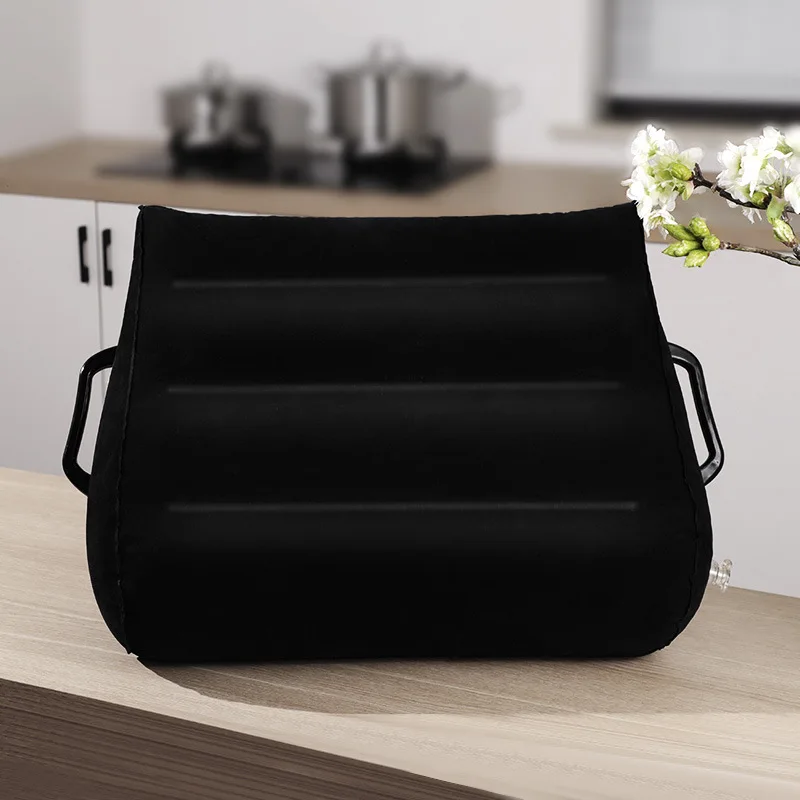



Recommended Products

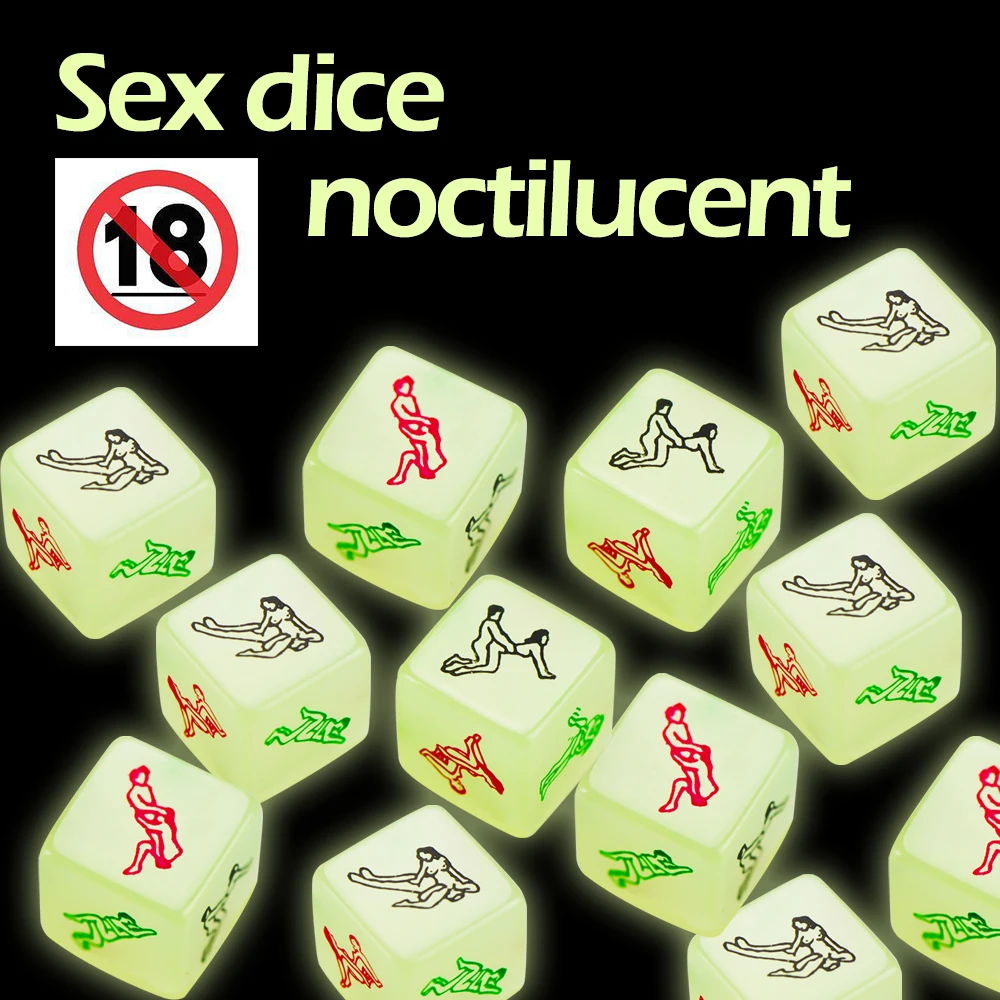

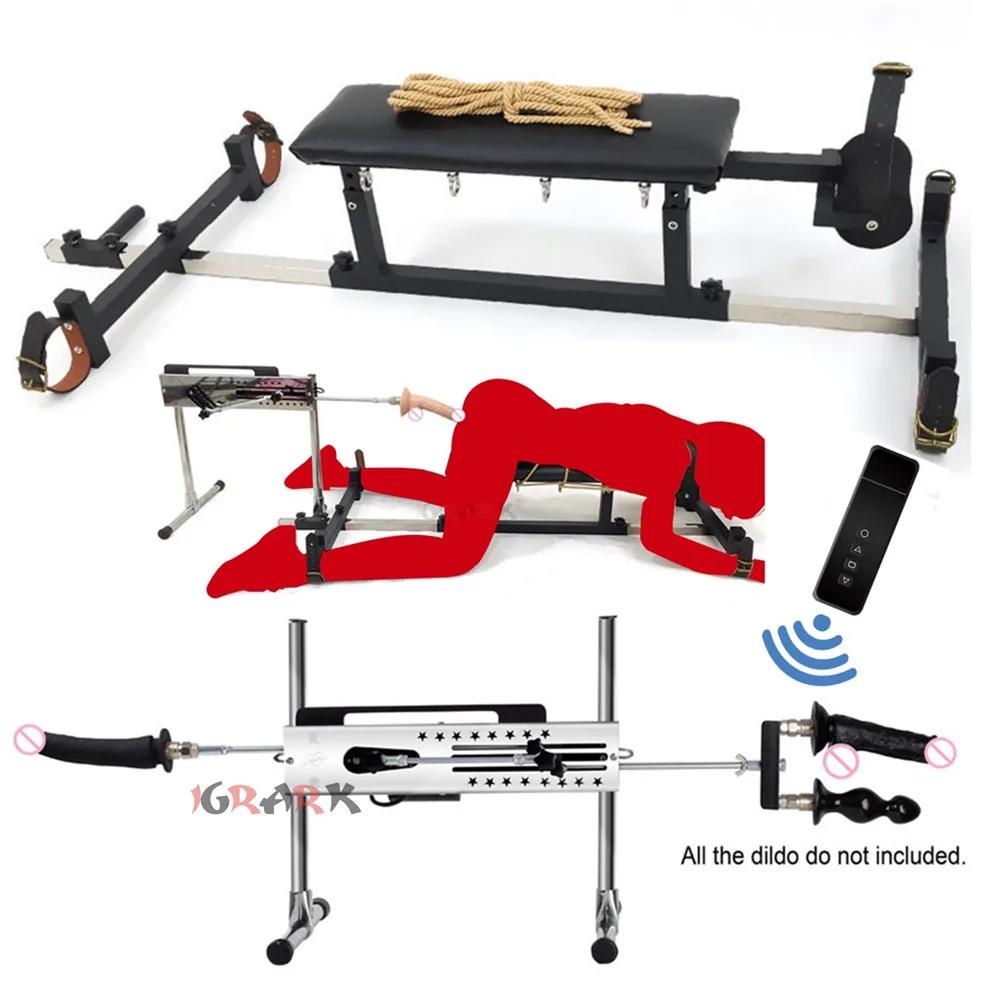
Selecting the right couples games and activities comes down to four filters:
1. Relationship stage. Newly partnered couples benefit more from playful, low-stakes sets (trivia-style questions, collaborative art, light movement). Long-term couples may prefer deeper conversation decks or sets that include gentle physical-exploration tiers.
2. Comfort baseline. One partner’s “mild” is the other’s “a lot.” Choose a set with clearly labeled difficulty tiers (Mild / Moderate / Deep) so both can self-select each night.
3. Medium preference. Some couples gravitate toward tactile objects—massage tools, textured dice, fabric blindfolds. Others prefer zero-equipment card or app-based prompts. Neither is superior; match the medium to your shared aesthetic.
4. Body-safe materials. If the set includes any silicone components, confirm they are 100 % platinum-cured silicone, phthalate-free, and non-porous. XNXXMALL lists material composition on every product page so you can verify before purchasing.
Safety & Care
Non-negotiable safety practices apply regardless of which set you choose:
- Always use a water-based lubricant with silicone products. Silicone-on-silicone contact can degrade the material surface, creating micro-tears where bacteria can colonize. A water-based formula is chemically inert and won’t react with silicone, glass, or ABS plastic.
- Clean before and after each use with mild, fragrance-free soap and warm water. Air-dry completely before storage. Non-porous items can be disinfected with a 10 % dilution of household bleach for thirty seconds, rinsed, and dried.
- Store items in a breathable, unlined pouch or dedicated drawer compartment. Plastic bags trap moisture and accelerate material breakdown. A cotton or felt pouch keeps silicone and glass protected from dust while allowing air circulation.
- Respect age verification and local regulations. All products sold by XNXXMALL carry a mandatory 18+ (or 21+, depending on jurisdiction) age gate at checkout. Some municipalities have specific storage or disposal rules for intimate-wellness products; check your local consumer-protection office if unsure.
- Consent is ongoing. A “yes” at the start of a session does not create a standing permission for every subsequent prompt. Either partner can call a time-out, change direction, or stop entirely at any moment.
Top Recommendations
Rather than a ranked list of SKUs, think in categories that map to your relationship needs:
| Need | Activity Type | What to Look For |
|—|—|—|
| Rebuild verbal intimacy | 60–100 card conversation decks with tiered depth | Questions about values, future plans, unmet small needs |
| Reintroduce gentle physicality | Soy-coconut massage candle sets, textured massage oils, body-safe rollers | 100 % natural wax, phthalate-free, BPA-free containers |
| Add playful novelty | Sensory-play blindfolds (soft-touch fabric, adjustable), body-safe dice with 4–6 tactile sides | Breathable fabric, hypoallergenic, easy-to-clean surfaces |
| Collaborative bonding | Co-design art kits, shared journaling prompts, synchronized-breathing timers (app-based) | No performance metric; focus on doing together |
XNXXMALL curates each category under the “Couples & Intimacy” collection, with material-composition sheets and third-party safety test reports linked on every product page.
Expert Tips
- Set a time limit. Twenty to thirty minutes is enough for one session. Brevity keeps the experience playful and prevents fatigue from turning a fun activity into an obligation.
- Keep phones in another room. The prompts or the silence is the content. Distraction fragments the emotional bandwidth the exercise needs.
- Debrief without judgment. After the session, spend five minutes asking each other: “What did you enjoy? What felt like too much?” This closes the loop and builds trust for the next time.
- Rotate the medium. Alternate weeks between card-based prompts, tactile play, and no-equipment activities (dance, walk, cooking together). Variety prevents the novelty from wearing off.
- If you hit a wall, that’s useful data. A card that triggers disproportionate defensiveness or tears is not a failure. It is a signpost pointing to a conversation your relationship still owes itself. Consider bringing that insight to a licensed couples therapist.
Common Myths
- “We’ll run out of things to do in a month.” A well-designed 50-card deck, rotated with different difficulty tiers and combined with open-ended prompts, realistically supports two to three years of regular use before refresh is needed.
- “Using a ‘product’ means we don’t have natural chemistry.” No research links the use of intimate-wellness products to diminished natural attraction. Tactile tools, structured conversation, and guided play are adjuncts, not replacements, for the chemistry you already have.
- “If one partner is into it and the other is ‘meh,’ the game is wasted.” A lukewarm partner can still benefit from the structured check-in component. Let them skip the physical tier and engage fully with the conversation cards. Pressure to participate in every tier defeats the purpose.
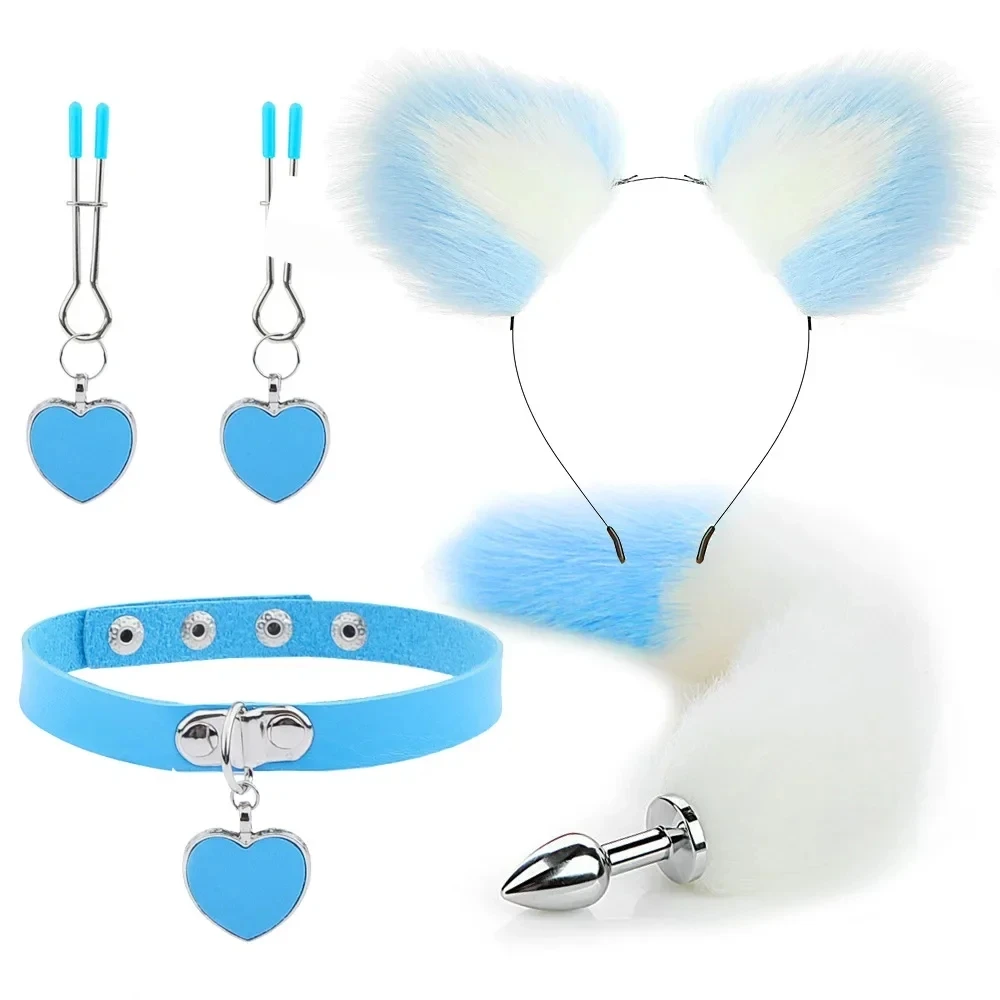
More Options on XNXXMALL



Frequently Asked Questions
: Are couples games and activities suitable for long-term married couples, or only for newer relationships?
They suit every stage. The content depth is what changes. Newly partnered couples thrive on lighthearted, novelty-driven sets; long-term couples often gravitate toward deeper conversation decks and sensory-exploration tiers that re-open channels of communication that had quieted over years of routine.
: How do I introduce couples games and activities to a partner who is skeptical or embarrassed?
Frame it as a shared experiment, not a prescription. “I read that structured play helps couples feel more connected—want to try one card together this weekend?” Keep the first session under twenty minutes, choose the lightest tier, and let your partner set the pace. XNXXMALL’s “Start Here” bundles are specifically curated for low-pressure introductions.
: Can we use couples games and activities as a substitute for couples therapy?
No. Activities are a complement, not a replacement. If conversations consistently break down into arguments, if there is a history of betrayal, or if one partner is disengaged across the board, a licensed marriage and family therapist (you can search the AAMFT directory) is the appropriate next step. Games work best alongside professional guidance, not instead of it.
: What safety materials should I look for when buying tactile items alongside my couples games and activities set?
Confirm 100 % platinum-cured silicone, 0 % phthalates, BPA-free, and non-porous surfaces for anything that contacts the body. For massage waxes and oils, check for a full ingredient list with no added parabens or synthetic dyes. XNXXMALL publishes material data sheets and, where available, third-party lab-test PDFs with each product listing.
: How often should we incorporate couples games and activities into our routine?
There is no clinical mandate. The research cited above (journal-level, 2023 cohort study) used a weekly cadence, but the practical minimum most therapists recommend is one dedicated, phone-free session per week—whatever format you choose. Consistency matters more than frequency. Two fifteen-minute sessions beat one monthly two-hour marathon.
Final Thoughts
Couples games and activities, done well, are simply a permission structure: permission to say the awkward thing, permission to be physically present without a performance goal, permission to be surprised by your own partner. They do not fix a relationship that needs professional intervention, and they do not create intimacy where there is none. What they do is remove the blank-page terror of “What do we talk about tonight?” and replace it with a gentle, structured invitation.
If you are ready to explore the right set for your relationship stage, browse the curated “Couples & Intimacy” collection at [XNXXMALL](https://xnxxmall.com), where every product page includes full material composition, safety test reports, and a clear 18+/21+ age-verification step. For evidence-based background on maintaining sexual and relational health, the [Mayo Clinic’s sexual-health resources](https://www.mayoclinic.org/healthy-lifestyle/sexual-health) offer free, clinician-reviewed articles that pair well with the structured prompts you’ll find in any well-designed set.
Start small. One card. One candle. One honest sentence. The connection you are looking for is not inside the box—it’s in the twenty seconds of silence that follows the question, and in the decision, together, to sit in it.
 No products in the cart.