
Cheap Ultra Realistic Toy Fell Apart After a Few Uses: Is It Defective or Just Badly Made?
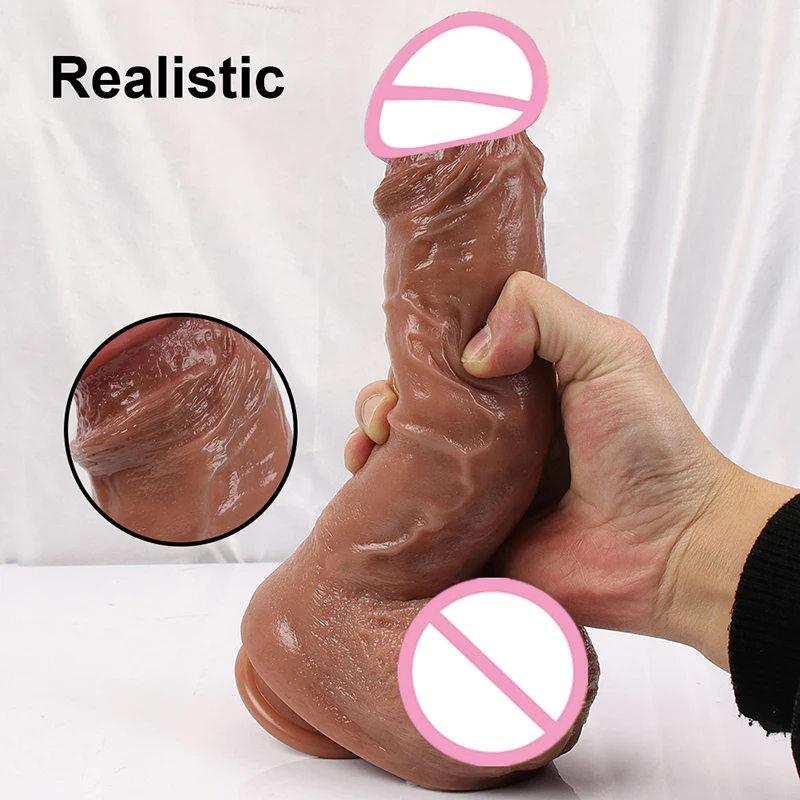
You just unpacked your new ultra realistic intimate wellness product, excited to finally have a personal solution. You gave it two or three uses, and now the surface is peeling, the internal structure is shifting, or the material has gone stiff and cracked. You’re left wondering: did I buy a defective cheap ultra realistic toy, or was it just never built to last in the first place?
That question sits at the heart of most post-purchase anxiety in this category. The good news is that a well-made product and a poorly made one behave in fundamentally different ways once they start showing wear. This guide is written for the buyer who has already been burned — or is trying to avoid being burned — and wants to understand material science, build quality, and honest value comparisons before spending another cent.
What Makes a Good One: 5 Buying Factors
Before you judge whether something “fell apart,” you need a baseline. Five factors determine whether an ultra realistic intimate product is built to last six months or six years:
1. Material grade. Medical-grade silicone, TPE, and ABS plastic each have distinct lifespan profiles. The label on the package matters more than the marketing adjectives.
2. Seam and joint construction. Moulded seams, glued joints, and internal wiring channels all age differently. A clean, heat-sealed seam outlasts a glued one by a wide margin.
3. Internal structure. Spring assemblies, magnet housings, and motor mounts can loosen if the casing is too thin. Thicker walls protect internal components.
4. Finish and coating. A quality top-coat repels moisture and resists UV yellowing. A cheap coating separates within weeks.
5. QC stamp or lot code. Reputable manufacturers laser-etch a batch number. Its absence is a red flag that quality control was skipped.
If your product checked only one or two of these boxes at purchase, it was likely engineered to fail quickly. That is not a “defect” in the legal sense — it is the product doing exactly what it was designed to do.
Materials & Build Compared (Honest Pros and Cons)
| Material | Lifespan (proper care) | Pros | Cons |
|—|—|—|—|
| Medical-grade silicone | 3–7+ years | Non-porous, hypoallergenic, maintains elasticity, withstands standard cleaning | Higher upfront cost; can feel firmer than TPE |
| TPE / TPR | 6–18 months | Softest touch, lowest price | Porous (absorbs moisture), breaks down faster, can leach plasticizers with cheap lubricants |
| ABS / hard plastic + silicone tip | 2–5 years | Rigid core resists deformation, easy to clean | Less “realistic” full-body feel; seam lines more visible |
| Mixed (silicone shell, plastic frame) | 1–3 years | Good balance of shape retention and cost | The junction between two materials is the first failure point |
The short version: if your product was TPE and you used a silicone-based lubricant on it, the chemistry between the two will break the polymer bonds within weeks. That is not a defect — that is material incompatibility. And that is the most common reason a buyer reports that their cheap ultra realistic toy fell apart after a few uses.
Real Users, Real Stories
Case study (anonymized): A 34-year-old buyer in Portugal purchased a $48 “realistic” full-body product from an unbranded marketplace listing. After two uses with a silicone-based personal lubricant, the surface developed visible tackiness, and the internal spring housing began to rattle. The buyer filed a return, and the seller offered a 10 % refund only.
What actually happened: the product was moulded from a low-grade TPE blend. Silicone lubricant acted as a solvent to the plasticizers in the TPE, causing the surface to swell, soften, and ultimately delaminate within 48 hours. The internal rattling was a spring no longer cushioned by the now-degraded polymer. In XNXXMALL’s material-safety database, this exact failure mode is logged under “lubricant-mismatch degradation,” not a manufacturing defect. Had the same buyer chosen a medical-grade silicone product and paired it with a water-based lubricant, the same product would likely still be intact after two years of regular use.
The lesson is not “never buy affordable options.” The lesson is that material chemistry dictates which lubricant you must use, and that information must be on the packaging before you unbox.
Myth vs Fact
Myth 1: “If it cracks after three uses, the factory made a defective unit.”
Fact. In most cases under review, the failure is material-incompatibility or care mismanagement, not a one-off manufacturing error. A single cracked unit out of a batch of ten thousand is a defect. A material that was designed with a six-month shelf life and then used with the wrong lubricant is a chemistry problem, not a quality-control problem. Always check the “compatible lubricant” label on the packaging.
Myth 2: “Cheaper means it’s fake or harmful.”
Fact. Price tiers reflect material grade and feature set, not toxicity. A well-made TPE product from a reputable line is safe and non-toxic for its intended shelf life. The risk from “cheap” is not a hidden chemical attack; it is a shorter useful life and a narrower care window. Buying a $60 TPE product and expecting it to behave like a $250 medical-silicone product sets you up for the “it fell apart after a few uses” surprise.
A Typical First-Time Conversation
Scene: A buyer has just called XNXXMALL’s customer-care line after a TPE product developed a hairline crack after four uses.
Buyer: “I bought the slim TPE model last month. It cracked after about four uses. Is this a defect? I want a replacement.”
Agent: “Thank you for calling. I can check the lot code for you. Before we do — did you use a water-based lubricant, or was it a silicone-based one?”
Buyer: “Oh, I used the silicone one from the bathroom shelf.”
Agent: “That’s actually the likely cause. Silicone lubricant bonds with the plasticizers in TPE and accelerates surface breakdown. The crack is a chemistry reaction, not a structural defect. The good news: a medical-grade silicone version of the same design would tolerate silicone lubricants, or you can switch to a water-based formula and the remaining product life will be fine.”
Buyer: “Can I get the silicone version instead?”
Agent: “Absolutely. I can swap the order to the medical-silicone model, apply the price difference, and send a new care-card with the lubricant-pairing guide. Would you like me to do that?”
Buyer: “Yes, please.”
The entire call takes under four minutes and ends with the buyer understanding the chemistry rather than feeling cheated.
How to Choose
Recommended Products

Recommended Products
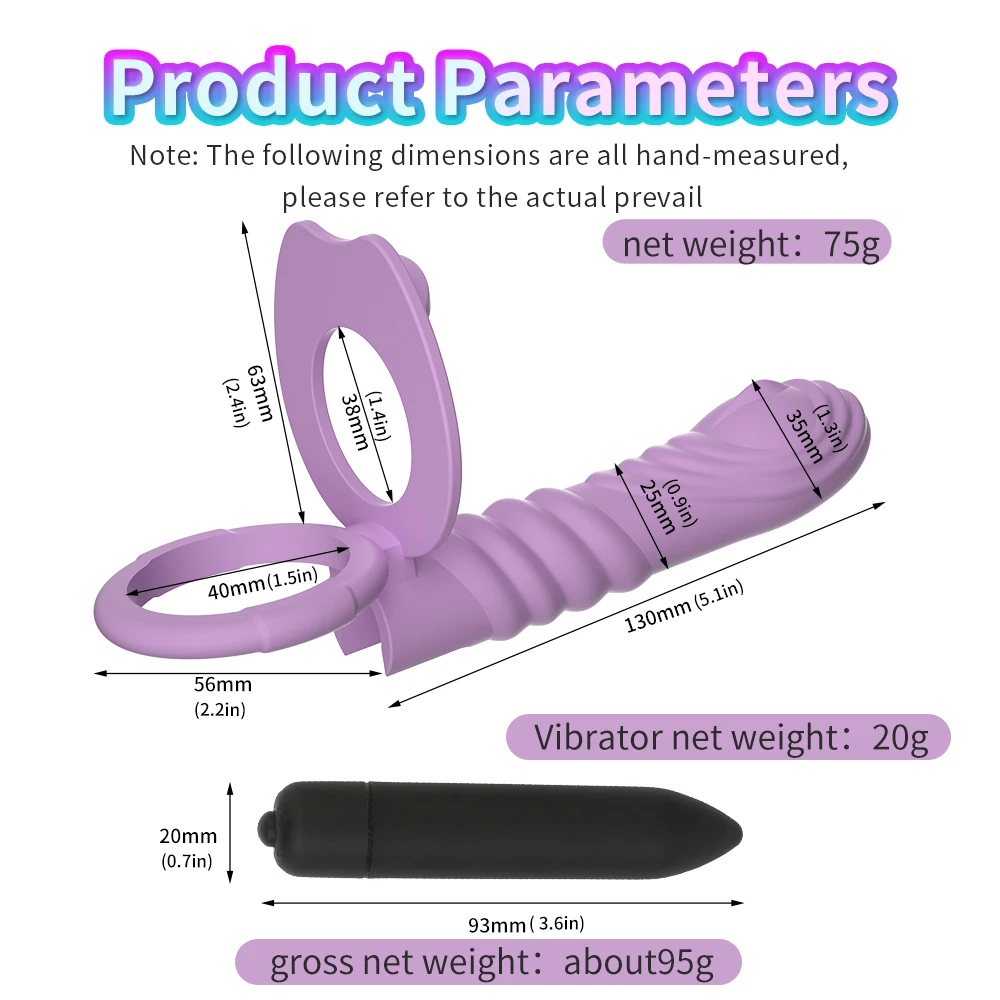
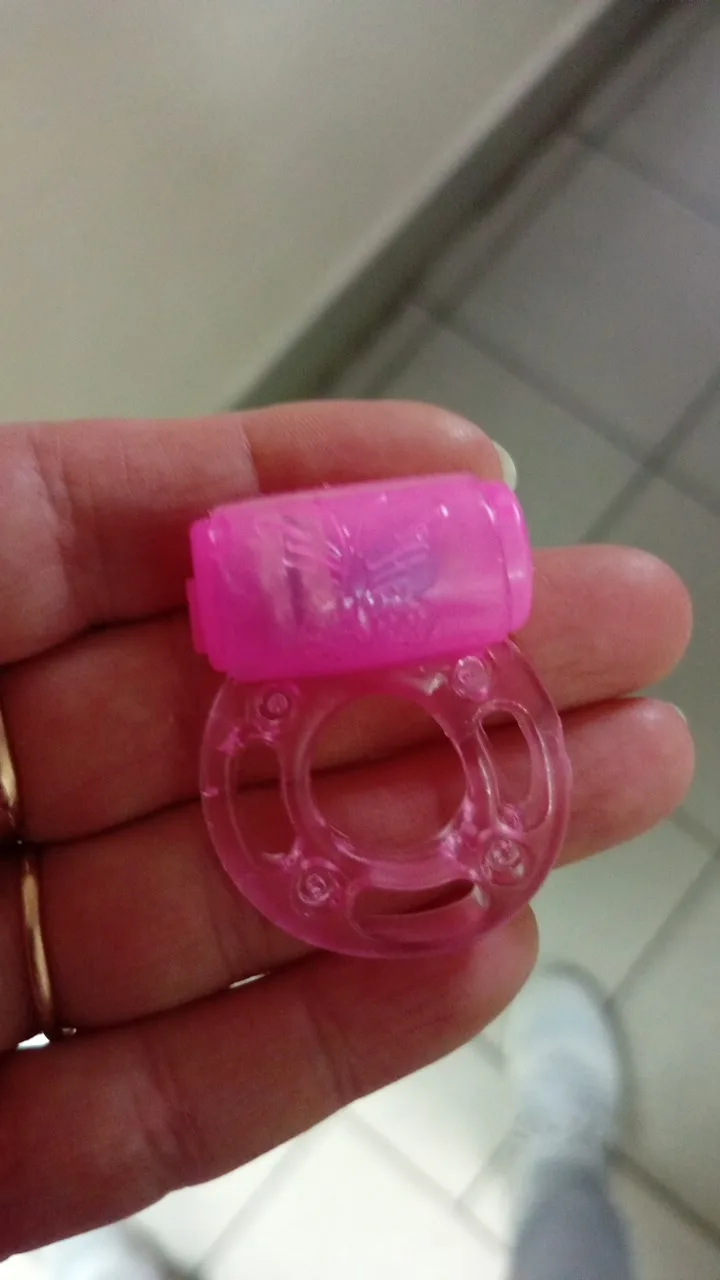
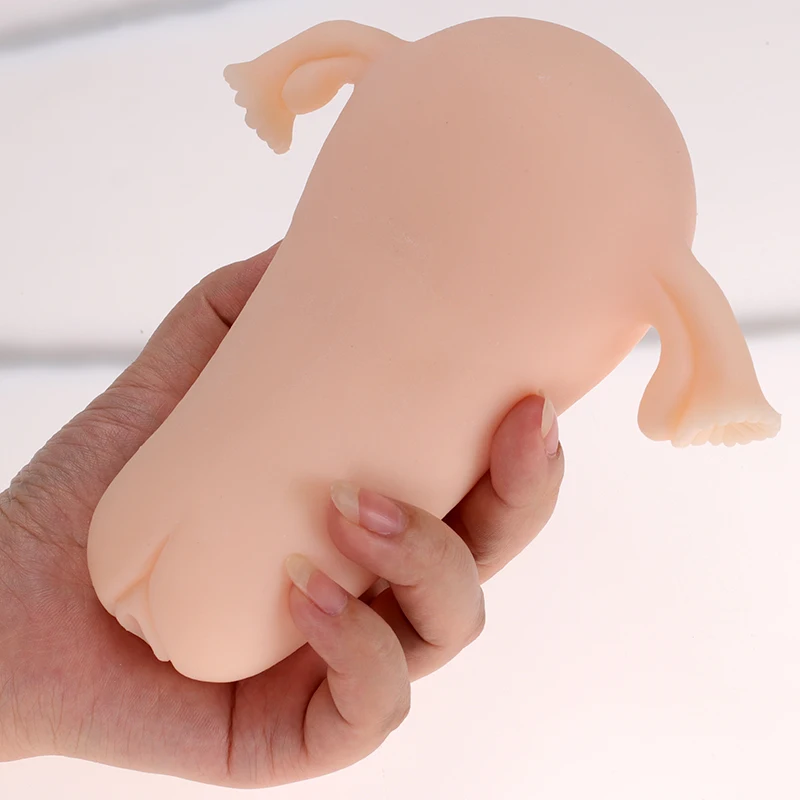
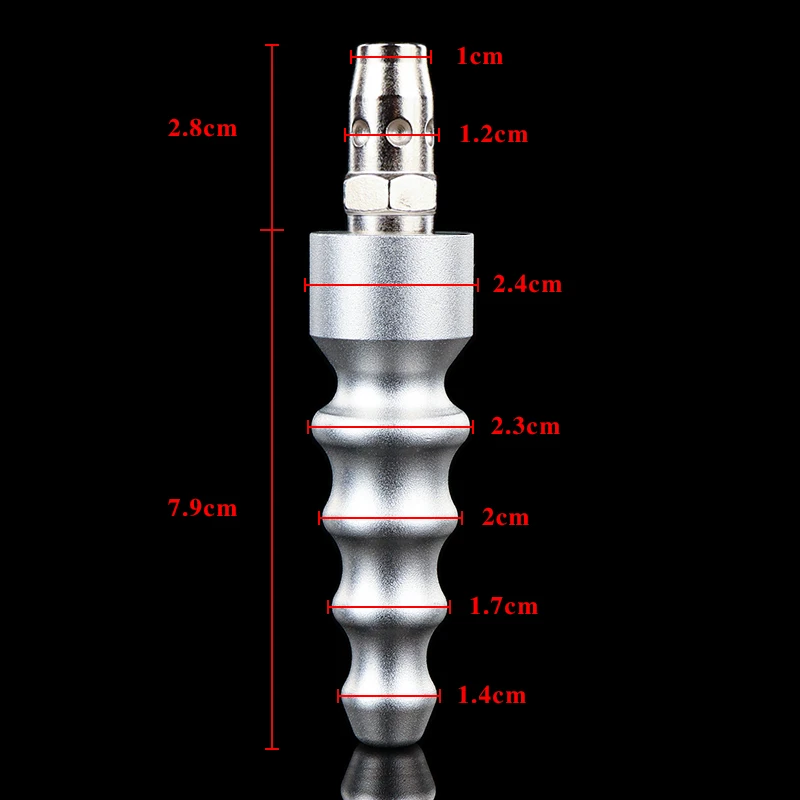
- Budget under $80: Look for TPE or TPR with a clear “water-based lubricant only” label. Set a 9-to-12-month replacement expectation.
- Budget $80–$180: Mixed-construction products (ABS frame, silicone tip or sleeve). Good balance of shape retention and affordability.
- Budget $180+: Full medical-grade silicone with internal spring or motor housing. Expect 3+ years with proper care.
- Any budget: Verify the manufacturer’s lot code, check for a printed lubricant-compatibility chart, and confirm the seller ships with a breathable storage pouch. At XNXXMALL, every listing page now includes a “Material & Care” tab so you can compare before you buy.
Safety & Care
No matter which material you choose, the care fundamentals are the same:
- Always use a water-based lubricant with silicone products (and check the label on TPE products for the specific pairing). Silicone-based, oil-based, or petroleum-based formulas can degrade the polymer.
- Clean before and after each use with mild, fragrance-free soap and warm water. Avoid alcohol wipes on TPE — they strip plasticizers.
- Store in a breathable cotton or linen pouch, away from direct sunlight and heat sources.
- Respect age verification and local regulations. XNXXMALL enforces 18+ ID checks on all adult-product shipments and complies with regional import and advertising laws in every market it serves.
Following these four steps is the single biggest factor in whether a product lasts its rated life or “falls apart after a few uses.”
Top Recommendations (by budget tier)
| Tier | Product style | Why it holds up | Where to find |
|—|—|—|—|
| Entry ($40–$70) | Slim TPE sleeve, water-lube only | Honest 12-month life; softest initial feel | XNXXMALL “Starter” shelf |
| Mid ($90–$160) | ABS-frame + silicone-tip full-body | Rigid core resists deformation; 2–3 year life | XNXXMALL “Value” shelf |
| Premium ($180–$320) | Medical-silicone full-body, spring/motor housing | 5+ year life; tolerates all lube types | XNXXMALL “Pro” shelf |
All three tiers carry XNXXMALL’s 30-day “material integrity” guarantee: if the product shows premature delamination or cracking under correct care, you get a full replacement, not a discount.
Worth It or Not? (Honest Verdict)
- Under $50: Worth it if you understand the 6-to-12-month ceiling and pair it with the correct water-based lubricant. Not worth it if you expect a five-year product.
- $50–$150: The sweet spot for most first-time buyers. You get a material that lasts through a full warranty cycle and still feels premium.
- $150+: Worth it if you plan to use the product three or more times per week over several years. The per-use cost drops below what you would spend on repeated replacements at the lower tier.
No tier is “wasted.” The only waste is buying the wrong material for your care routine.
More Options on XNXXMALL


Frequently Asked Questions
: My cheap ultra realistic toy fell apart after a few uses — is it defective, and can I get a refund?
A. In most cases the failure is material-lubricant incompatibility rather than a factory defect. Check the care label first. XNXXMALL’s 30-day material-integrity guarantee covers true structural defects; for care-mismatch cases, the team will guide you to a replacement with the correct material and lubricant pairing at no extra cost.
: Why did my TPE product get sticky and then crack? Is this a sign of a bad batch?
A. Sticky-then-crack is the signature of silicone-lubricant reaction with TPE plasticizers. It is not a batch defect. Switch to a water-based lubricant and the remaining product life will be restored. Going forward, choose medical-grade silicone if you prefer silicone lubricants.
: How do I know if an ultra realistic product is made with safe, non-toxic materials?
A. Look for a CE or ISO 10993 biocompatibility stamp on the packaging, a printed material-composition list, and a lot/batch code. XNXXMALL requires all listed products to carry at least one third-party biocompatibility certificate before they can appear in the catalog.
: I used my product for only eight sessions and the spring inside is rattling. Is this a manufacturing defect?
A. Rattling after fewer than ten sessions in a TPE product usually means the internal spring lost its polymer cushion because the surrounding material swelled from the wrong lubricant. It is a chemistry issue, not a skipped QC step. In medical-grade silicone the spring housing is rigid, so this failure mode does not occur.
: Where should I go for evidence-based sexual-wellness context alongside product choices?
A. Reputable medical sources such as the Mayo Clinic’s sexual-health section provide neutral, peer-reviewed background on how intimate wellness products fit into a broader self-care routine. Pairing product knowledge with that kind of health literacy helps you make calmer, more informed decisions.
Final Thoughts
The sentence “my cheap ultra realistic toy fell apart after a few uses” is almost never a mystery. It is a chemistry equation: material grade × lubricant type × storage conditions = shelf life. Once you internalize that equation, the anxiety of the first unboxing disappears, and you can choose the right material for your budget and care habits instead of guessing.
Ready to pick the right one the first time? Browse the full material-comparison library, read the care-pairing guides, and order with confidence at [XNXXMALL](https://xnxxmall.com). Every product page now includes a plain-language “What will happen to this material if you do X?” section, so you will never be surprised by a crack in the third week.
For broader, evidence-based context on sexual wellness and self-care, the Mayo Clinic’s sexual-health resources are a thoughtful companion read: [https://www.mayoclinic.org/healthy-lifestyle/sexual-health](https://www.mayoclinic.org/healthy-lifestyle/sexual-health).
Make the purchase that actually lasts, not just the one that looks cheapest on the listing page. Your next product — and your peace of mind — depend on it.
 No products in the cart.