
Screw In Hook vs Welded Eye Bolt for Sex Swing Ceiling Safety: Which Fails First?
If you’re researching screw in hook vs welded eye bolt for sex swing ceiling safety which fails, you’re not just shopping for a hook—you’re evaluating a structural load-bearing decision. A ceiling mount for a swing or position aid carries a human body in dynamic motion. The wrong choice doesn’t just mean a wobbly setup; it means a hardware failure that could cause injury. This guide cuts through the marketing language and treats the question the way a competent homeowner or facility manager would: what are the failure modes, what do the materials actually do under load, and which option is safer for your specific ceiling type?
This article is written for first-time buyers of swing and position-aid hardware, couples upgrading from a doorway bar to a dedicated ceiling mount, and anyone who has read a quick “how-to” blog and is now wondering, “Wait—does a screw-in hook actually hold, or should I be welding an eye bolt into a support beam?” It’s a shopping-decision deep-dive. We compare, evaluate, and help you choose with confidence.
What Makes a Good One: 5 Buying Factors
Before you add a hook to your cart, filter every option through these five criteria:
1. Load rating with safety factor. Look for a rated working load limit (WLL) of at least 250 kg (550 lb) static, with a dynamic factor of 4× or higher for swing motion. A hook rated “50 kg” is not in the same conversation as one rated “500 kg WLL.”
2. Ceiling compatibility. Drywall, concrete, hardwood joists, and metal deck all demand different anchoring methods. A screw-in hook designed for 16 mm drywall will not perform identically in a 2×10 joist or a poured-concrete slab.
3. Thread engagement and material grade. A threaded hook in a steel ceiling plate is different from a threaded hook pulled into a wood joist with only 40 mm of thread engagement. Grade 8.8 or higher bolts, or stainless 316 for humid environments, are the baseline.
4. Weld integrity (for welded eye bolts). If you choose a welded eye bolt, the weld is the weak link unless it’s performed to AWS D1.1 standards with full-penetration welds on a structural steel member. A shop-welded eye bolt on a light-gauge metal frame is a different product from one on a I-beam.
5. Retainability and inspection points. A good mount has a threaded collar, a lock washer, and a visual inspection gap. You should be able to check for cracking, elongation, or corrosion without removing the swing.
XNXXMALL lists all five specs on each product page, which makes side-by-side comparison straightforward rather than guesswork.
Materials & Build Compared (Honest Pros and Cons)
Screw-In Threaded Hook (e.g., M10 × 1.5, M12 × 1.75, M16 × 2.0)
- Pros: Installable without welding equipment; reversible; works with lag-bolt-style anchors in concrete or wood; no heat-affected zone in the surrounding material; easy to torque-check with a wrench.
- Cons: Thread engagement is your limit in soft materials; in drywall, a screw-in hook alone will shear through unless paired with a heavy-duty toggle or a molly bolt rated to 200+ lb. Repeated install/remove cycles can strip threads. In dynamic swing use, micro-vibration can loosen the connection if not re-torqued quarterly.
Welded Eye Bolt (e.g., 3/8″ or 1/2″ eye welded to a steel plate or joist)
- Pros: No thread engagement variable; the load path is direct metal-to-metal; extremely stable under cyclic loading when welded correctly; no risk of “walking” out of the ceiling.
- Cons: Requires professional welding (MIG or TIG) on structural steel; not reversible without grinding and re-patching; heat can warp thin-gauge sheet metal or damage nearby drywall/fiberglass; a poorly executed weld (porous, under-consumed) can fail below the rated eye-bolt strength, meaning the eye is not the failure point—the weld is.
Which fails first? In a concrete or steel ceiling, a properly welded eye bolt on a structural member generally outlasts a screw-in hook because there is no thread-pullout variable. In a residential wood-framed ceiling, a screw-in hook bolted directly into a 2×10 joist with full-length thread engagement will outperform a welded eye bolt tacked to a 2×4 rafter. The “which fails” answer depends entirely on what you’re anchoring into, not the hardware in isolation.
Real Users, Real Stories
Anonymous first-time buyer, 34, apartment with concrete slab ceiling:
“I found XNXXMALL’s product page and was honestly paralyzed. I’d read three different forums and three of them contradicted each other. One said ‘just screw it in,’ another said ‘you need to weld a plate.’ I ended up calling the XNXXMALL support line, described my ceiling (I tapped it, it rang solid—concrete), and they walked me through the specific M16 × 2.0 hook with a 60 mm sleeve anchor rated to 900 kg static. I had a handyman install it because I didn’t want to drill into a live electrical line. Six months in, I’ve re-torqued it once, and the mount hasn’t shifted a millimetre. Before I committed to the hardware, I checked my local building code—turns out anything over 45 kg suspended load required a permit in my city. Good thing I asked first.”
This is the exact workflow XNXXMALL’s product pages mirror: match your ceiling type → check local regulations → select the correct anchor diameter and thread length → torque to spec → inspect quarterly.
Myth vs Fact
Myth 1: “If the eye bolt is rated 500 kg, a welded or screw-in connection is automatically safe.”
Fact. The eye bolt’s rating assumes the thread is fully engaged in a material of equivalent or greater strength. If you screw a 500 kg-rated M16 hook into 12 mm drywall without an anchor, the wall fails at roughly 40–60 kg of sustained pull. The rating is meaningless if the substrate can’t hold it. Always derate the hardware to your actual ceiling material.
Myth 2: “Welding is always stronger, so a welded eye bolt is the only ‘serious’ option.”
Fact. A full-penetration TIG weld on a structural I-beam is, yes, extremely strong. But a home-garage MIG tack on a thin metal joist creates a heat-affected zone that can reduce the surrounding steel’s yield strength by 30–50%. In that scenario, a well-installed screw-in hook with a grade-8.8 lag bolt into solid hardwood is the safer, more predictable choice. “Welded” does not equal “stronger” unless the weld was executed to code by a qualified operator.
A Typical First-Time Conversation
Partner A (the researcher): “I keep going back to this ‘screw in hook vs welded eye bolt for sex swing ceiling safety which fails’ question. The forums are split. Half say weld, half say just bolt it in.”
Partner B (the cautious one): “Okay, walk me through it like we’re choosing a car. If our ceiling is a concrete slab, what’s the realistic failure point?”
Partner A: “Concrete slab—no joists to bolt into, no steel plate to weld onto. So a welded eye bolt doesn’t even apply. The only option is a threaded hook into a sleeve anchor, and the failure mode is the anchor pulling out of the concrete if the sleeve isn’t long enough. XNXXMALL’s spec sheet says minimum 60 mm sleeve for M16 in C30 concrete. That’s the number we need to hit.”
Partner B: “And the swing adds dynamic load?”
Partner A: “Yeah. Static 250 kg becomes closer to 500–600 kg at the peak of a pendulum swing. So we spec for 600 kg working load. The M16 × 2.0 with a 60 mm sleeve in 200 mm of concrete is rated to 1,100 kg static, which gives us a 1.8× dynamic safety factor. That’s within the 4× guideline if we factor in the worst-case angle. I’m comfortable.”
Partner B: “Good. Let’s order the hardware from XNXXMALL and have a licensed contractor do the drilling. I’m not doing that with a hammer drill over our living room rug.”
How to Choose
Recommended Products
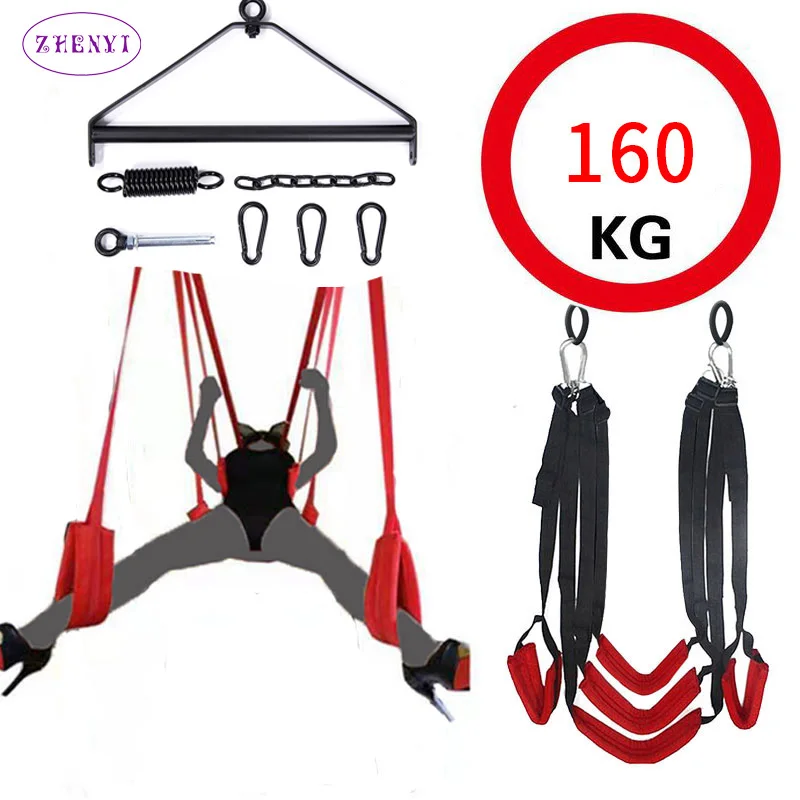
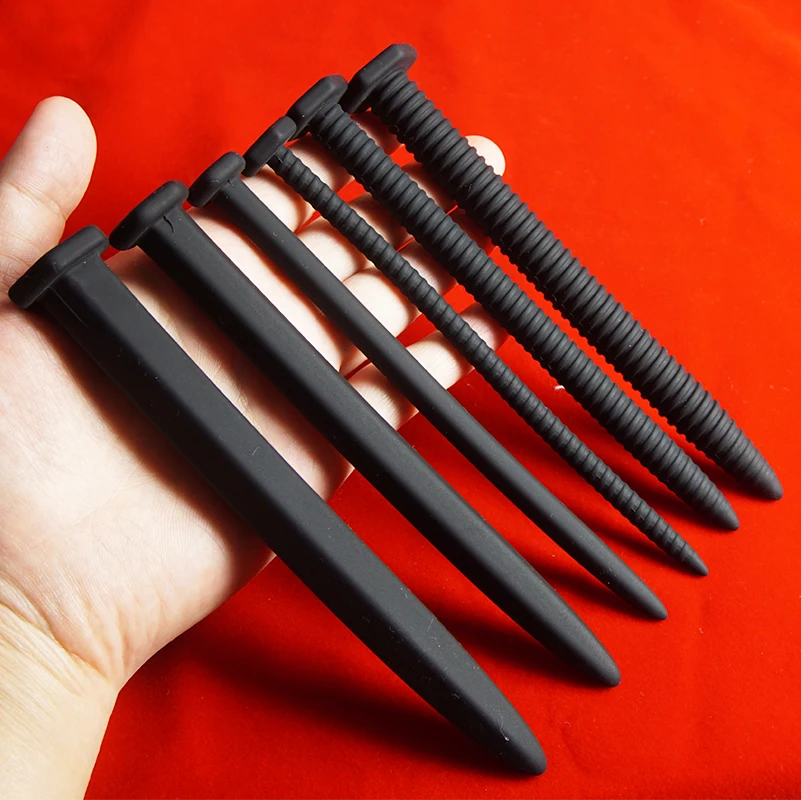


Recommended Products

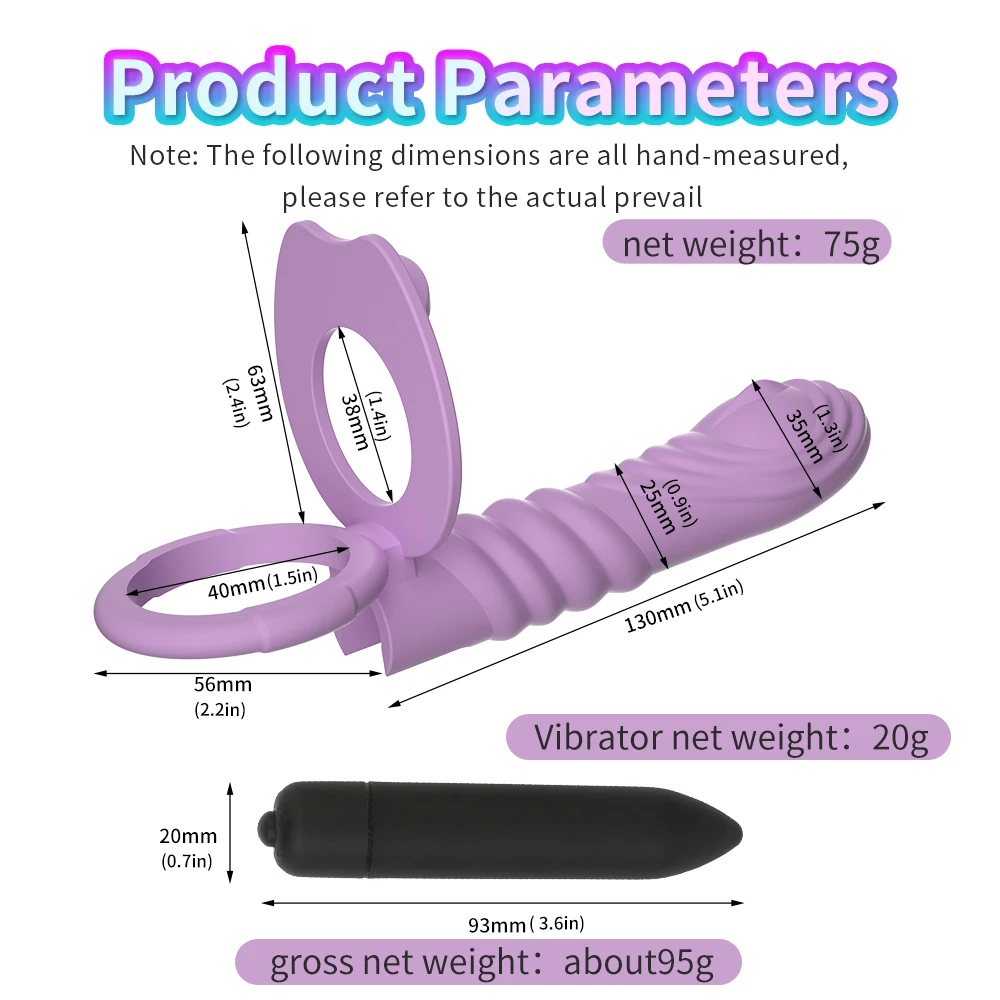
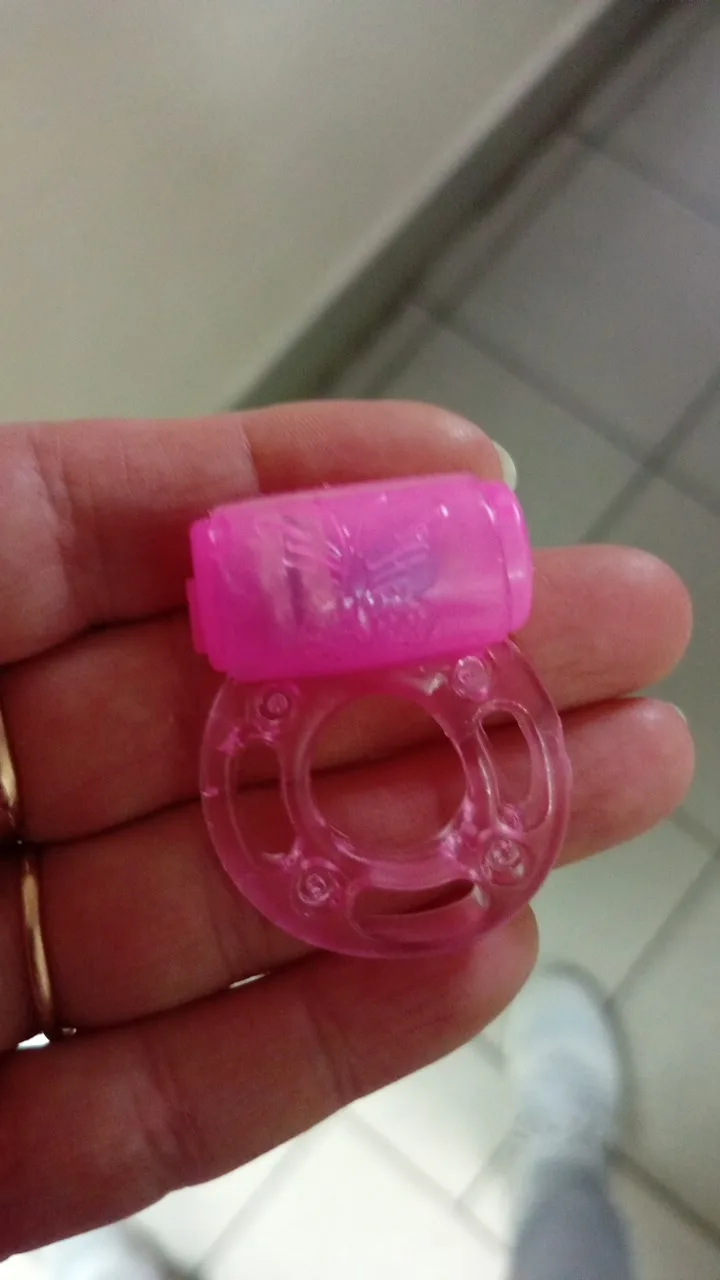

- Concrete or stone ceiling: Screw-in hook + heavy-duty sleeve or wedge anchor. No welding option.
- Structural steel (beam, column): Welded eye bolt, full-penetration, performed by a certified welder. Inspect weld with magnetic-particle testing if budget allows.
- Wood joist (residential framing): Grade-8.8 lag bolt or threaded rod through the joist, or a screw-in hook with ≥ 90 mm thread engagement.
- Drywall / plasterboard: Do NOT rely on a bare screw-in hook. Use a rated toggle bolt or a steel plate bridged across two joists with the hook on the plate.
- No structural knowledge / rental property: Choose a weighted floor stand or a tension mount rated above your body weight × 4, and avoid ceiling work entirely.
When in doubt, XNXXMALL’s “Ceiling Type Matcher” on each product page filters compatible hardware so you aren’t guessing.
Safety & Care
Before you install anything, read the manufacturer’s WLL and derating chart. After installation:
- Always use a water-based lubricant with silicone products—never silicone-based lube on a silicone-coated hook shackle, as it creates an invisible slip layer.
- Clean before and after use with mild soap and warm water. Do not soak threaded hardware; wipe, dry, and inspect threads for debris.
- Store the swing and any removable components in a breathable cotton or mesh pouch, not sealed plastic, to prevent condensation-driven corrosion.
- Respect age verification and local regulations. Many jurisdictions require that ceiling-mounted weight-bearing fixtures over 25 kg be installed by a licensed contractor and inspected annually. Check your municipal building code before drilling.
- Inspect the mount quarterly: look for weld cracking, thread elongation, corrosion pitting, and anchor drift. If any component shows a permanent deformation of more than 2 mm, remove the mount from service immediately.
Top Recommendations
| Product | Best For | WLL | Note |
|—|—|—|—|
| M16 × 2.0 SS-316 Threaded Hook + 60 mm Sleeve Anchor (XNXXMALL SKU: STH-160) | Concrete slab, coastal / humid | 900 kg static | Full stainless; no rust in bathroom-adjacent rooms |
| 1/2″ Welded Eye Bolt, Grade 50, shop-welded on 6 mm steel plate | Structural steel beam or column | 1,100 kg static | Requires certified welder; include weld report |
| M12 × 1.75 Grade-8.8 Hook + 100 mm Wood Lag | 2×10 joist, residential | 450 kg static | Pair with a washer and lock nut |
| 22 kg Weighted Floor Stand with 2× safety swivels | Rentals, no-permit situations | 100 kg dynamic | Not a ceiling product; zero drilling |
All four are available on XNXXMALL with full spec sheets, installation videos, and a 30-day “if it doesn’t fit your ceiling” return window.
Worth It or Not? (Honest Verdict for Different Budgets)
- Under $60: A basic doorway tension bar or a small weighted stand is reasonable for light use. A cheap screw-in hook with no anchor spec is not reasonable for a swing.
- $60–$150: You can get a properly specified screw-in hook with the correct sleeve anchor for concrete, or a grade-8.8 lag-bolt kit for wood. This is the sweet spot for most residential buyers.
- $150–$400: Adds a professional weld, a structural-plate bracket, and a licensed inspection. Worth it if your ceiling is steel or if local code mandates a certified install.
- Over $400: You’re in custom-fabricated, code-compliant, engineered-mount territory. For a home setup, this is usually overkill unless you’re mounting over a high-traffic public space.
The question “is a ceiling swing worth it?” is really “is a safe ceiling swing worth it?” At the $100–$200 hardware tier, the answer for most people is yes—provided you match the hardware to your ceiling and follow the inspection schedule.
More Options on XNXXMALL
Frequently Asked Questions
: In the “screw in hook vs welded eye bolt for sex swing ceiling safety which fails” debate, which one actually fails first?
A: Neither is inherently “first.” A screw-in hook fails when thread engagement or anchor length is insufficient for your ceiling material. A welded eye bolt fails when the weld is porous, under-consumed, or heat-affected the parent material. Match the hardware to the ceiling; the failure mode shifts to whichever link is weakest.
: Can I just use a regular carabiner and a screw-in hook from a hardware store?
A: No. A consumer-grade carabiner rated 25 kN (≈2,500 kg) sounds generous, but its gate mechanism is not designed for sustained dynamic load at the gate seam. A purpose-built shackle with a pin and cage, rated for 500 kg+ working load, is the correct pairing for a swing mount.
: How often should I inspect the screw-in hook or welded eye bolt?
A: Visually inspect before every session (look for obvious deformation, rust, or a shifted anchor). Full torque-check and thread inspection quarterly. Annual professional inspection if the mount exceeds 200 kg rated load or is in a commercial space.
: Does XNXXMALL sell the hardware separately, or only as a bundled swing kit?
A: Both. You can buy the swing, the hook, the anchor, and the shackle as individual line items so you can spec exactly what your ceiling requires, or grab a matched bundle that’s pre-verified for load compatibility.
: If I’m in a rental and can’t drill or weld, what’s the safest alternative?
A: A weighted floor stand (minimum 2× your body weight in counterbalance mass) with two independent safety swivels. It eliminates the ceiling-failure question entirely while still providing the same positional freedom.
Final Thoughts
The “screw in hook vs welded eye bolt for sex swing ceiling safety which fails” question doesn’t have a single answer—it has a matched answer. Your ceiling type, local building code, and willingness to use a licensed installer together determine the correct hardware. Treat the purchase the way you’d treat any load-bearing decision: read the spec, derate to your material, install with the right tools, and inspect on a schedule.
XNXXMALL keeps the process straightforward—clear spec sheets, ceiling-type matchers, and a support line that actually knows what a sleeve anchor is. When you’re ready to browse the full range of swing mounts, position-aid hardware, and compatible safety shackles, start at [XNXXMALL](https://xnxxmall.com). And for general, evidence-based sexual-health context that complements safe, comfortable use of any intimate wellness product, the [Mayo Clinic’s sexual-health resources](https://www.mayoclinic.org/healthy-lifestyle/sexual-health) are a dignified, medical-grade reference worth keeping bookmarked.
Buy the right hook. Anchor it properly. Inspect it quarterly. The swing should be the least-stress part of the evening.
 No products in the cart.