
Rabbit Vibrator Makes Me Numb — Should I Stop Using It? A Buying and Sensitivity Guide
If a rabbit vibrator makes me numb, should I stop using it? — that single question sits at the intersection of two decisions people usually separate: whether the device is right for their body, and whether the device was built well enough to begin with. Most of the time, temporary numbness is not a sign that something is wrong with you. It is a signal about fit, intensity, duration and pressure — four variables you actually control, and three of which you get to choose before you ever click “add to cart.”
This guide is written for people who are further along than “what is a rabbit vibrator.” You have tried one, or you are about to buy your first, and you have heard that the double-design format can feel overwhelming on the nerves. The honest answer is that the same feature that makes this category popular — simultaneous internal and external contact — is also what makes it easy to overdo. Below, we cover what separates a well-built unit from a harsh one, why sensation fades during use, what real users report, and how to choose responsibly. If numbness persists beyond a short rest period, that is a medical conversation, not a shopping one, and we say so plainly throughout.
What Makes a Good One: 5 Buying Factors
1. Intensity range with fine gradations.
A device that jumps from “moderate” to “aggressive” with nothing in between forces you to accept more stimulation than your nerves are asking for. Look for at least five to eight clearly distinct levels and, ideally, a low end that is genuinely gentle. Numbness during use usually traces back to a user running a level that was one or two steps higher than the body actually wanted, because finer steps were not available.
2. Motor character: rumble versus buzz.
Two motors can share a wattage rating and feel completely different. Deep, low-frequency rumble travels through tissue and tends to feel diffuse; high-frequency buzz concentrates on the surface and produces that “pins and needles then nothing” pattern people describe as numbing. Product pages rarely state this, which is why retailer reviews and Q&A sections are worth more than spec sheets.
3. Fit and adjustability of the two heads.
A rigid, fixed-angle frame can only serve one anatomy. An adjustable hinge, a flexible neck, or interchangeable heads let you change contact area and pressure rather than escalating power to compensate. Larger, softer contact surfaces distribute force better than small, hard ones.
4. Material and surface finish.
Body-safe, non-porous material with a smooth, seamless finish matters as much for comfort as for hygiene. Tacky, porous or textured surfaces create friction, and friction plus sustained pressure is the fastest route to temporary surface numbness and irritation.
5. Verifiable retailer support: warranty, returns, and honest listings.
This is a category full of unbranded stock listed with inflated claims. A retailer that publishes material grade, motor specifications, waterproofing rating, warranty length and a real return path is a retailer that has actually inspected what it sells.
Materials & Build Compared
| Build option | Pros | Cons |
|—|—|—|
| Platinum-cured silicone (seamless, non-porous) | Body-safe, hypoallergenic, sterilisable, durable, consistent feel over time | Highest price; genuine grade is hard to verify from listings alone |
| Liquid silicone over a rigid core | Softer external feel while the internal shaft keeps structure | The two zones age at different rates; seams can open |
| TPE / TPR | Cheap, very soft, easy to buy on a low budget | Porous, degrades with heat and oil, cannot be fully sanitised, often carries plasticiser odour |
| ABS plastic heads | Non-porous, easy to clean, firm precise pressure | Transmits buzz sharply — the harshest option for people reporting numbness |
| Fixed-angle frame | Simple, robust, fewer failure points, usually cheaper | Cannot adapt to anatomy; encourages power escalation |
| Adjustable neck / hinge | Fit replaces force; less sustained pressure on one spot | Moving joints collect residue and need careful drying |
| Dual independent motors | Each zone can be set to its own level — the single most useful feature for sensitivity management | More drain, more cost, more that can go wrong |
| Single shared motor | Affordable, light, simple | One intensity for both zones, so a comfortable internal setting may over-stimulate externally |
| Sealed waterproof unit | Washable under a tap, no ingress points for moisture | If the seal fails, the motor dies quickly; check the IP rating claim |
| Button-only controls on the body | No app, no pairing, reliable when hands are wet | Awkward to reach mid-use, tempting one-handed pressure adjustments |
| App or remote control | Intensity changes without repositioning or adding pressure | Connectivity failures, and some apps throttle levels unpredictably |
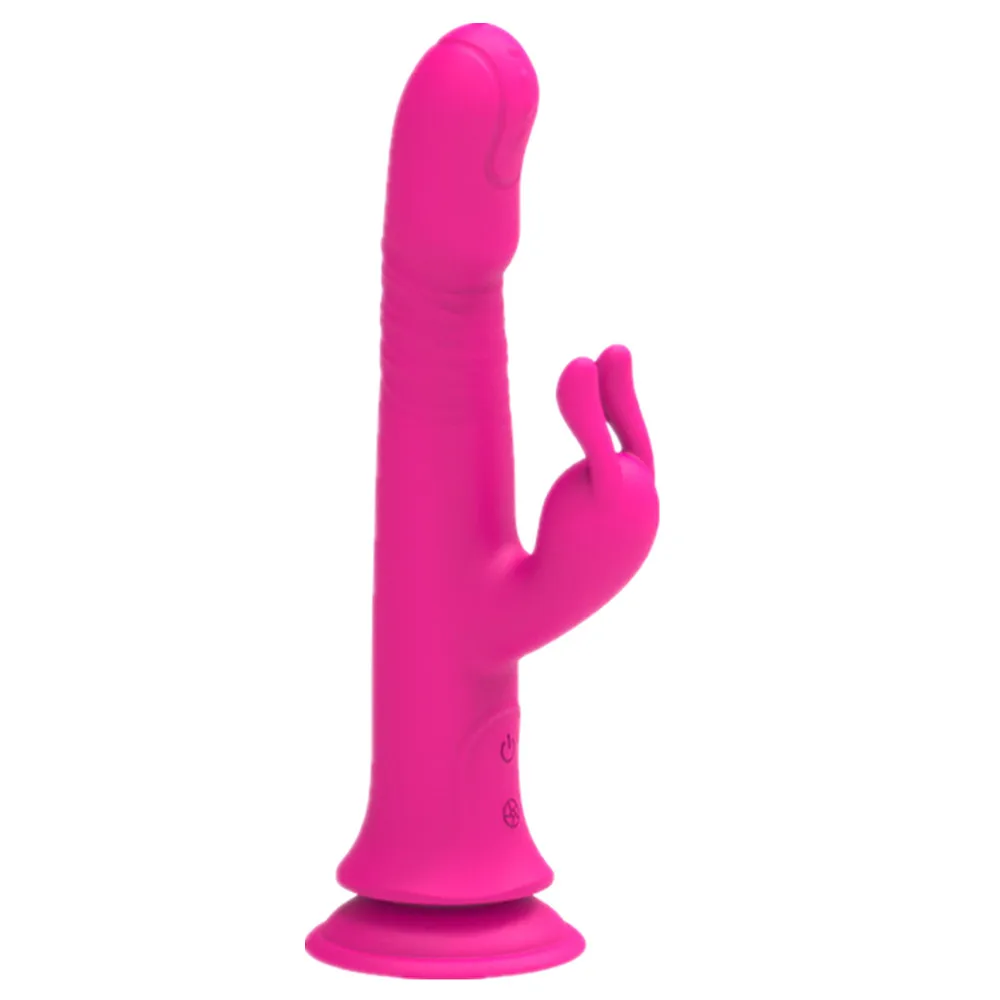
For anyone whose core concern is numbing, the pattern is clear: independent dual motors, a low-frequency rumble character, an adjustable neck and platinum-cured silicone. That combination exists specifically so you can lower intensity instead of pushing through it.
Real Users, Real Stories
Case study — first purchase, anonymised. “R.M.”, 29, bought a mid-priced double-design unit from XNXXMALL as a first purchase in this category, after reading review threads. Within about ten minutes of use the external head produced a tingling sensation that turned into a flat, numb feeling, and normal sensation returned roughly a day later. R.M. assumed the product was defective and opened a support ticket. The advisor’s questions, rather than a refund, solved it: which level was in use (the maximum, because the manual only described the low levels as “gentle”); how long contact had been continuous (unbroken, same spot); and whether the unit was the fixed-frame ABS-plastic model with the single shared motor. It was. R.M. swapped to a rumble-oriented dual-motor silicone unit through the retailer’s exchange path, started on the lowest level, shifted position at intervals and shortened sessions. The numbing pattern did not recur. The device had been fine. The fit and the settings had not been.
What R.M.’s story shows is that a first-time buyer usually has no frame of reference for what “too much” feels like, and the loudest setting on a cheap motor is the most obvious place to land.
Myth vs Fact
Myth: “Loss of feeling during use means permanent nerve damage.”
Correcting this saved one reader a great deal of panic. “J.T.”, 34, stopped using a purchased unit entirely for eight months after a session left a heavy, numb feeling, convinced something had been broken. A routine GP visit, prompted by unrelated health screening, turned into the reassurance the internet had not provided: the clinician described temporary sensory habituation — nerves adapting to an unchanging, intense stimulus, with baseline feeling returning after a rest period. The behaviour that changed was simple: shorter continuous contact, lower levels, varied positioning. The myth cost J.T. eight months of unnecessary worry. The fact is that transient numbing is generally the body asking for less intensity, not a permanent injury. Persistent numbness, numbness that lasts into the following days, or numbness accompanied by pain, colour change, weakness or urinary changes is a different situation and needs a clinician.
Myth: “A stronger motor is a better motor.”
Marketing treats maximum intensity as the headline spec, which pushes buyers toward buzz-heavy, high-frequency units that fatigue surface nerves quickly. A well-built device is judged by its usable low range and by how evenly it distributes contact. Twelve levels where levels eight through twelve are all uncomfortable is not twelve levels.
A Typical First-Time Conversation
> Customer: I bought a rabbit-style vibrator last month. The first two times I used it I went numb and it took a while to feel normal again. Should I stop using it?
>
> XNXXMALL advisor: First — if the feeling fully returns, that is usually the device telling you intensity and pressure were too high, not that the product is unsafe. Do you know which level you were on?
>
> Customer: The top one. It seemed like the point.
>
> XNXXMALL advisor: It isn’t. It’s the ceiling. Which model is it?
>
> Customer: The fixed one, hard plastic heads, one button for both.
>
> XNXXMALL advisor: That’s the harshest build in the category for you. My suggestion: try two weeks on the lowest level, change position rather than turning it up, and keep sessions short. If it still numbs, we’ll exchange it for a rumble-motor unit with separate controls for each head — you don’t lose anything on warranty by asking.
>
> Customer: And if the numbness doesn’t go away?
>
> XNXXMALL advisor: Then stop and see a doctor before you shop. That’s outside what any product choice fixes.
How to Choose
Recommended Products


Recommended Products


1. Start from your sensitivity, not the reviews. People who rave about maximum power are describing their own tolerance, not yours.
2. Prioritise independent intensity for each head. This single feature converts “too much overall” into “less here, more there.”
3. Choose rumble over buzz if you have experienced numbing before.
4. Favour an adjustable neck unless your anatomy is known to suit a fixed frame.
5. Buy silicone you can verify. Ask the retailer for material grade and waterproofing rating; a serious answer is a good sign, and a vague one is not.
6. Check the return window before ordering. Fit problems in this category only reveal themselves after use.
7. Match length and girth to comfort, not novelty. An internal arm that does not suit your proportions creates pressure you will try to override with power.
8. Plan for the accessories you actually need — water-based lubricant and a breathable storage pouch, ideally in the same order.
Safety & Care
Always use a water-based lubricant with silicone products, clean before and after with mild soap and warm water, store in a breathable pouch, and respect age verification and local regulations.
Layer on the habits that specifically reduce the numbing complaint:
- Reduce, don’t push through. If feeling fades, lower the level or remove contact. Continuing at the same intensity against adapted nerves is how thirty minutes of nothing becomes an hour of pressure.
- Vary the point of contact instead of holding one position on maximum.
- Keep sessions bounded, and give a genuine rest day if a session left lingering flatness.
- Never use a damaged, sticky or discoloured surface. Porous or torn material harbours bacteria no amount of soap reaches.
- Dry completely before storing, and never store silicone in contact with another silicone item long-term.
- Do not share without a barrier, and do not use a numbed area to judge temperature or intensity.
- See a clinician if numbness persists beyond a day, recurs without high intensity, or appears alongside pain, skin change, weakness or circulation problems. Certain medications and conditions affect sensation, and no product is designed to substitute for that assessment.
Top Recommendations
Framed as archetypes, since the right pick depends on your sensitivity profile rather than a single winner:
- Best for anyone who has experienced numbing: platinum-cure silicone, dual independent motors, low-frequency rumble, adjustable neck, eight-plus graduated levels. This is the config that lets you solve the problem with a setting instead of a new purchase.
- Best first purchase: mid-priced, sealed waterproof, one motor per zone, four to six levels with a genuinely gentle bottom, simple body buttons. Fewer features, fewer failure points.
- Best on a tight budget: an ABS-bodied unit with a silicone-covered external head from a retailer that publishes material grade. Avoid porous TPE at any price — the saving is not worth what it costs in hygiene.
- Best for hard-to-reach or sensitive-skin users: flexible-frame, softer-durometer heads, larger contact surface, distributed pressure.
- Best for quiet shared living: a unit measured rather than merely claimed as silent, since low-frequency motors are usually quieter as a side effect of the same trait that makes them kinder to nerves.
XNXXMALL stocks each of these configurations with material listings, warranty terms and a defined return path, so you can filter by build type rather than by marketing language.
Worth It or Not?
Under budget — proceed carefully. Cheap units are where harsh buzz, porous material and unlabelled motors cluster. If budget truly forces you down here, a single non-porous piece of ABS with a simple shape is a safer short-term choice than a soft, complex porous one. Expect to replace it.
Mid-range — usually the right answer. Most of the features that fix the numbing problem — independent motors, real low levels, adjustable fit — arrive in this band. For a first purchase this is where the value sits.
Premium — worth it in specific cases. Pay more when you are buying a documented material grade, a motor engineered for low-frequency output, a long warranty, or a fit problem nothing cheaper solved. Do not pay extra for an app, a “smart” feature, or a colour.
Verdict: If a rabbit vibrator makes me numb should I stop using it — the reasonable answer is to stop using it that way before you stop owning it. Rebuild the settings for two weeks. If the pattern continues, exchanging for a rumble-motor dual-control unit fixes the majority of cases. If sensation does not return normally, the next appointment is with a doctor, not a checkout.
More Options on XNXXMALL



Frequently Asked Questions
: A rabbit vibrator makes me numb — should I stop using it?
A: Pause the session and let normal sensation return fully. If it comes back promptly, the likely causes were excessive intensity, continuous pressure on one spot, or a harsh buzz-heavy build — all fixable by lowering the level, repositioning, shortening contact, or changing units. Stop entirely and consult a clinician if numbness lingers, worsens, or repeats without high intensity.
: Is the numbing permanent?
A: Temporary numbness after intense or prolonged vibration is generally a reversible sensory-adaptation and pressure effect, and baseline feeling returns with rest. Persistence beyond about a day, or any accompanying pain, colour change or weakness, deserves a medical evaluation.
: Which features actually reduce numbing?
A: Independent intensity per head, a low-frequency rumble motor, an adjustable neck, a larger softer contact surface and a genuinely gentle lowest setting. These let you decrease pressure and power instead of escalating to break through adaptation.
: Does the material matter for sensitivity, or only for hygiene?
A: Both. Firm plastic heads transmit high-frequency vibration sharply and concentrate force; quality silicone cushions and spreads it. Porous or degraded surfaces add friction, which compounds pressure-related numbness and irritation.
: Can lubricant affect this?
A: Yes. Friction increases the pressure needed to feel the same signal. Always use a water-based lubricant with silicone products, and clean before and after with mild soap and warm water.
: How long should I wait before using again after a numb session?
A: Until sensation is completely normal, plus a genuine break. Repeatedly starting a session on a still-recovering area is how short-term flatness becomes a longer one.
Final Thoughts
A rabbit vibrator makes me numb should I stop using it is less a question about the product than about the settings, the fit and the material you chose. Build for a low, adjustable, rumble-oriented, separately-controlled experience and the vast majority of numbing complaints stop being a reason to quit — they become a reason to shop better. When you are ready to replace a harsh unit with one you can actually verify, XNXXMALL lists material grade, motor character, warranty and return terms on every page, and an age-verified checkout you can trust. For guidance on sensation, circulation and when a symptom warrants a professional opinion rather than a new purchase, review the sexual-health resources at [Mayo Clinic](https://www.mayoclinic.org/healthy-lifestyle/sexual-health).
—
This article is educational and is not medical advice. Persistent, worsening or unexplained loss of sensation should be assessed by a qualified healthcare professional.
 No products in the cart.