
Thrusting G-Spot Vibrator vs Static Curve: Which Is Better for Your Body?
You’ve probably searched for this comparison a dozen times, skimming pages that say “it depends” and leave you exactly where you started. So let’s cut to the real buying question: when you’re standing at the checkout screen, which design—thrusting G-spot vibrator or static curve vibrator—actually fits your anatomy, comfort threshold, and goals? This guide is written for the person who already understands the basic concept of anterior vaginal stimulation but is torn between the two dominant form factors. It’s for the first-time buyer choosing between a $35 basic curve and a $120 oscillating thrusting model, and for the experienced user upgrading for a specific feel. We’ll walk through build quality, materials, real user feedback, and a clear decision framework so you walk away with a confident answer, not a coin flip.
What Makes a Good One: 5 Buying Factors
Before we compare the two camps, five criteria separate a product you’ll actually use from one that ends up in a drawer:
1. Ergonomic curve accuracy. The radius of the forward curve should match your anterior wall geometry. A well-engineered curve places the tip at roughly a 45-degree upward angle relative to the shaft, not a blunt 90-degree hook.
2. Vibration motor placement and count. Thrusting models typically use two motors (one for oscillation/thrust, one for standard vibration). Static curves rely on a single, often higher-output motor. More motors ≠ more pleasure; placement matters more.
3. Body-safe material integrity. Look for non-porous, BPA-free, phthalate-free materials. Plush over silicone is fine if the core is solid. Avoid jelly rubber or PVC blends.
4. Noise and waterproofing. A 50 dB unit you can use in the shower will outperform a 75 dB, splash-only model for most people. IPX7 or full submersion rating is the modern baseline.
5. Control interface. App connectivity is optional but useful for customization. At minimum, you want at least five intensity levels and three vibration patterns per mode.
Both design families can score well on these. The difference is how they achieve them.
Materials & Build Compared
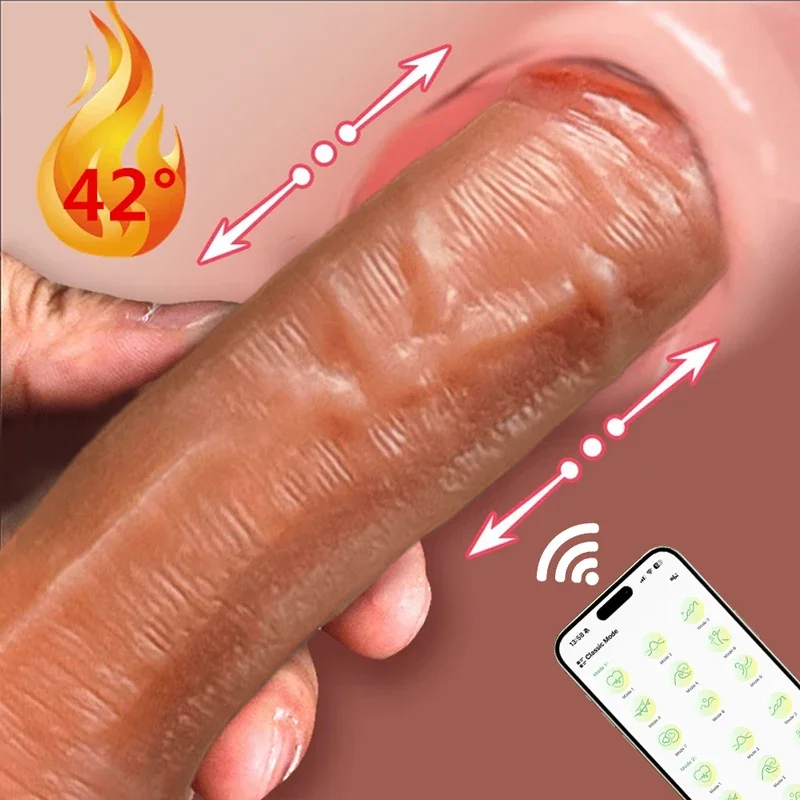
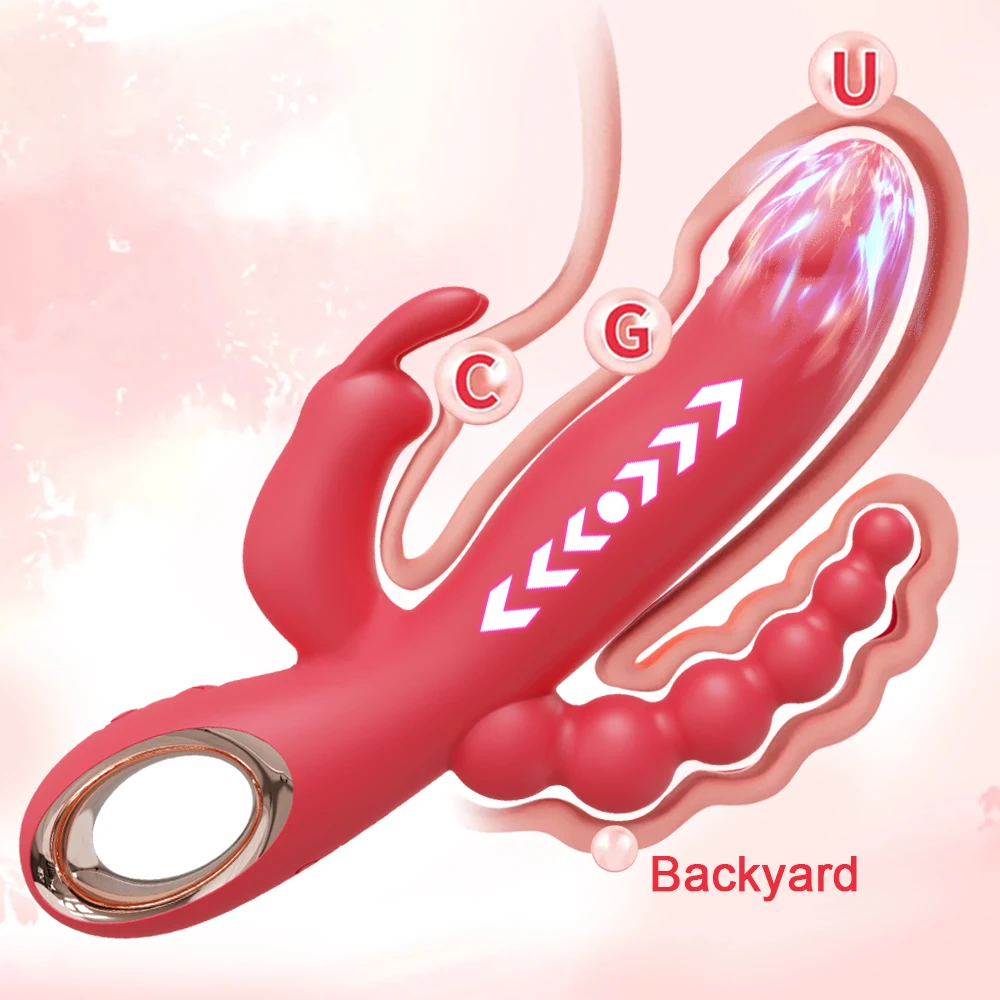
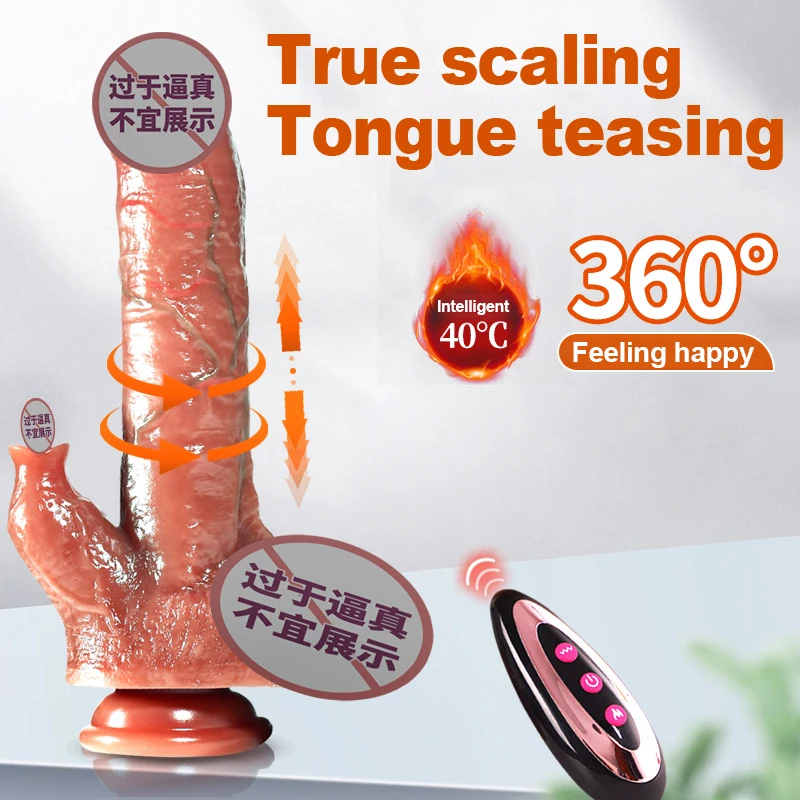
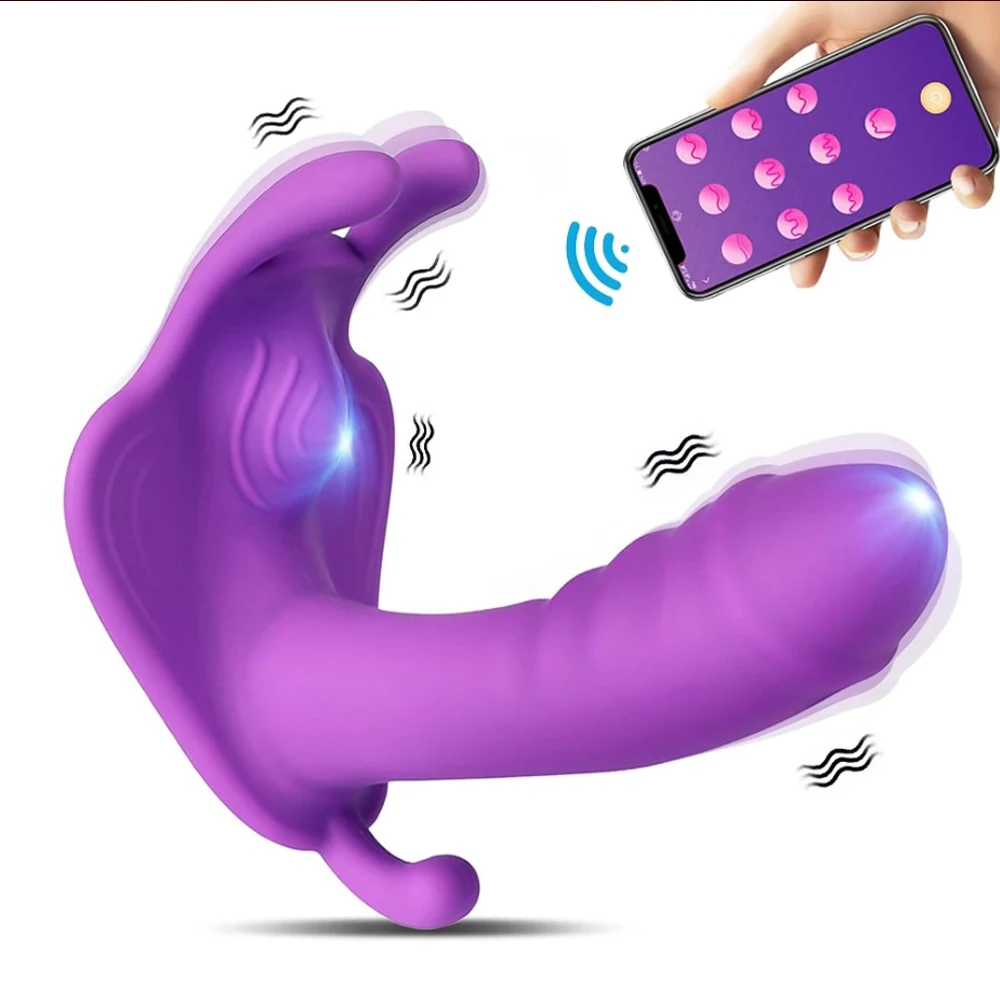
Thrusting G-spot vibrators (often marketed as “oscillating” or “pulsed”) usually house a small linear actuator inside the shaft. This adds 8–15 mm of length to accommodate the mechanical travel. Common builds:
- Pros: Dual stimulation (vibration + mechanical motion) engages the anterior wall through two vectors. The oscillation pattern mimics rhythmic pressure without the user needing to adjust position. Many models run at 2,000–4,500 oscillations/minute with adjustable amplitude.
- Cons: The actuator housing is harder to make fully seamless, so you’ll sometimes find a small rubber grommet at the joint. Heavier motors mean 1.2–1.8 lb battery life vs. 2–3 lb for static units. The mechanical movement, while gentle, is not ideal if you’re highly sensitive or recovering from postpartum pelvic floor tension.
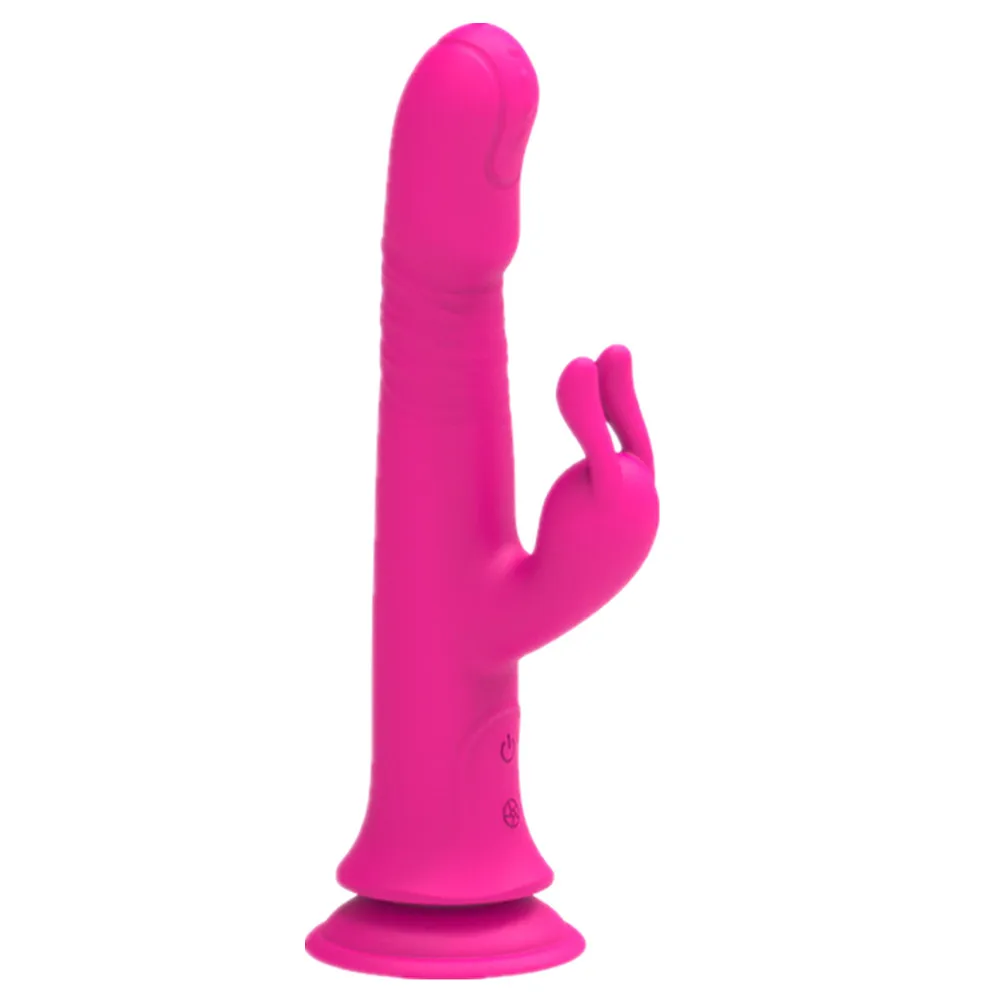
Static curve vibrators use a fixed, anatomically shaped shaft with a single or dual motor mounted behind the curve. No moving parts in the head.
- Pros: Longer runtime (often 90+ minutes per charge), simpler internal layout means fewer failure points, and the entire body can be one seamless piece of medical-grade silicone. Easier to clean because there are no crevices around an actuator. Quieter (40–55 dB range).
- Cons: You are doing the “thrust” work manually or through position changes. If your goal is a set-it-and-forget-it experience, a static curve requires you to reposition more frequently. The single-motor ceiling can feel one-dimensional for some users after a month of use.
Honest verdict: neither material is inherently “better.” The thrusting build gives you mechanical engagement; the static build gives you consistency, longevity, and simplicity. Your pelvic floor sensitivity profile is the deciding factor.
Real Users, Real Stories
Anonymous first-time buyer case study (XNXXMALL community forum, “M.L., 34”):
> “I ordered a static curve in June because the reviews were all five-star and the price was right. Two weeks in, I realized the curve hit past my G-spot and was pressing into my bladder wall. I was uncomfortable, not aroused. I returned it through XNXXMALL’s 30-day exchange and swapped for a thrusting model with a gentler 38° curve. The oscillation did the positioning for me, and for the first time I could actually feel the difference between the anterior wall and the vaginal floor. I’m not saying the static one was bad—I just needed a shorter, shallower curve. The XNXXMALL filter page that lets you sort by curve radius in millimeters saved me from buying a third device.”
What this tells us: “G-spot” is a marketing umbrella, not a single anatomical point. A thrusting unit’s amplitude and a static unit’s curve radius interact with your specific pelvic depth. There is no universally “better” curve; there is a better curve for you.
Myth vs Fact
Myth 1: “Thrusting models are for people who can’t get aroused with a regular vibrator.”
Fact: There is no clinical or physiological hierarchy. Thrusting and static designs simply deliver stimulation through different vectors (mechanical oscillation vs. sustained pressure). A person who thrives on a static curve is not “lesser” for not needing oscillation. The choice is about sensory preference, not capability. Think of it like choosing between a warm running-water shower and a pulsing rain-head—both clean, both satisfying, different textures.
Myth 2: “The bigger the curve, the better the G-spot reach.”
Fact: The anterior vaginal wall (the area commonly referred to as the “G-spot” in popular media) sits 3–5 cm from the vaginal introitus on average, but the relevant tissue is a ~2 cm wide band. A curve that is too aggressive or too long can skip over that band and press into the trigone or bladder neck, causing discomfort. A shallower, wider curve with a rounded tip often maps more accurately to the anterior band than a long, sharp hook. This is why two people using the exact same static vibrator can have opposite experiences.
A Typical First-Time Conversation
Set: a friend’s kitchen table, a laptop open to the XNXXMALL comparison page.
Dana: “Okay, I keep going back and forth. Thrusting or static? I just want… the thing to be more effective. I don’t want to overthink it.”
Rhea: “First question—do you get irritated by anything touching you that’s moving? Like, does a phone buzzing in your pocket make you flinch?”
Dana: “…Yeah, actually. Small vibrations annoy me when they’re random.”
Rhea: “Then a thrusting model’s oscillation might feel unpredictable to you. A static curve gives you one steady pressure you can set and forget. You control the rhythm by adjusting your own position.”
Dana: “But I read that the oscillation is what actually finds the spot better?”
Rhea: “It finds it through multiple pressure points over time. If your anatomy is more centralized, a well-placed static curve hits the same zone every time without the back-and-forth. And the static ones from XNXXMALL’s mid-tier list are IPX7, so you can use them in the bath without worrying.”
Dana: “Okay. So I’d go static, medium curve—maybe the 40 mm radius one?”
Rhea: “Read the spec sheet. If it says ‘deep curve’ or ‘extended reach,’ that’s the wrong one for most people. You want the standard anterior curve. And grab the water-based lube in the same cart. Silicone lube will eat the material over a few months.”
Dana: “Noted. Thanks for not letting me overspend on the $180 app-controlled thing I didn’t need.”
How to Choose
Recommended Products

Recommended Products

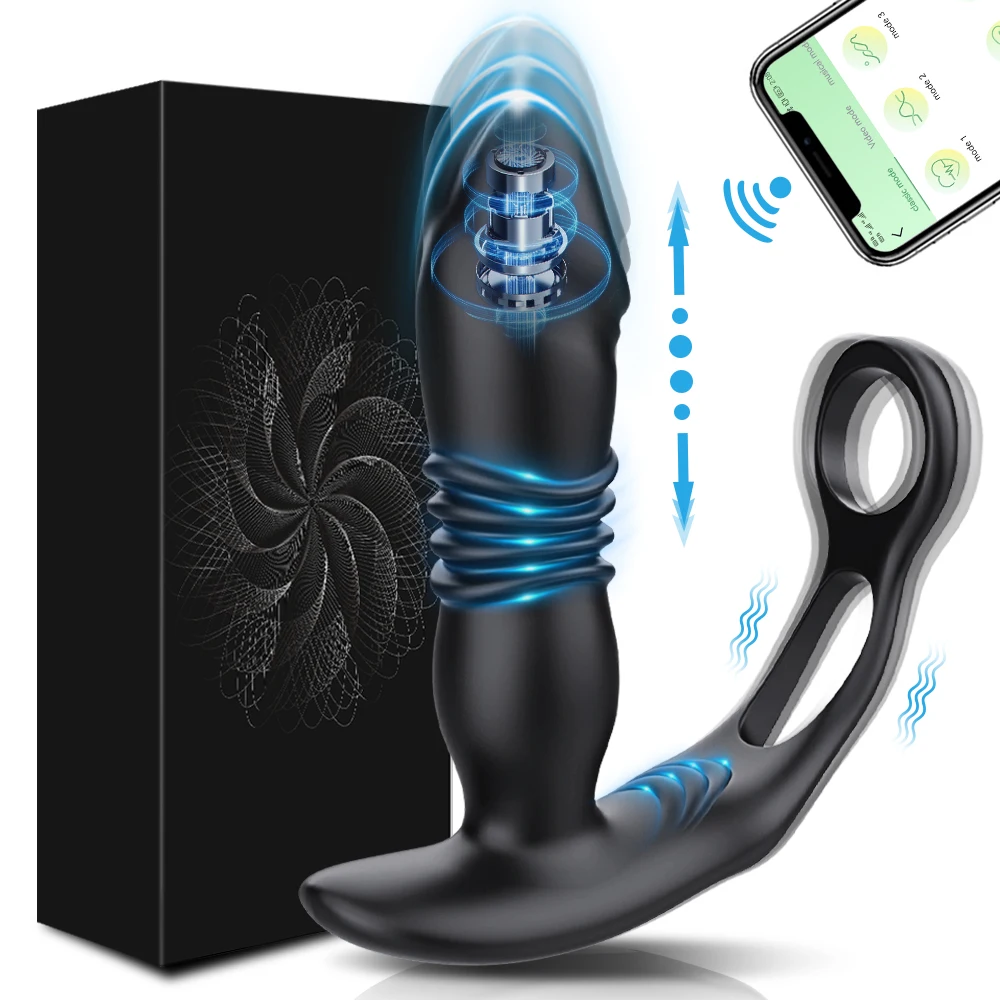
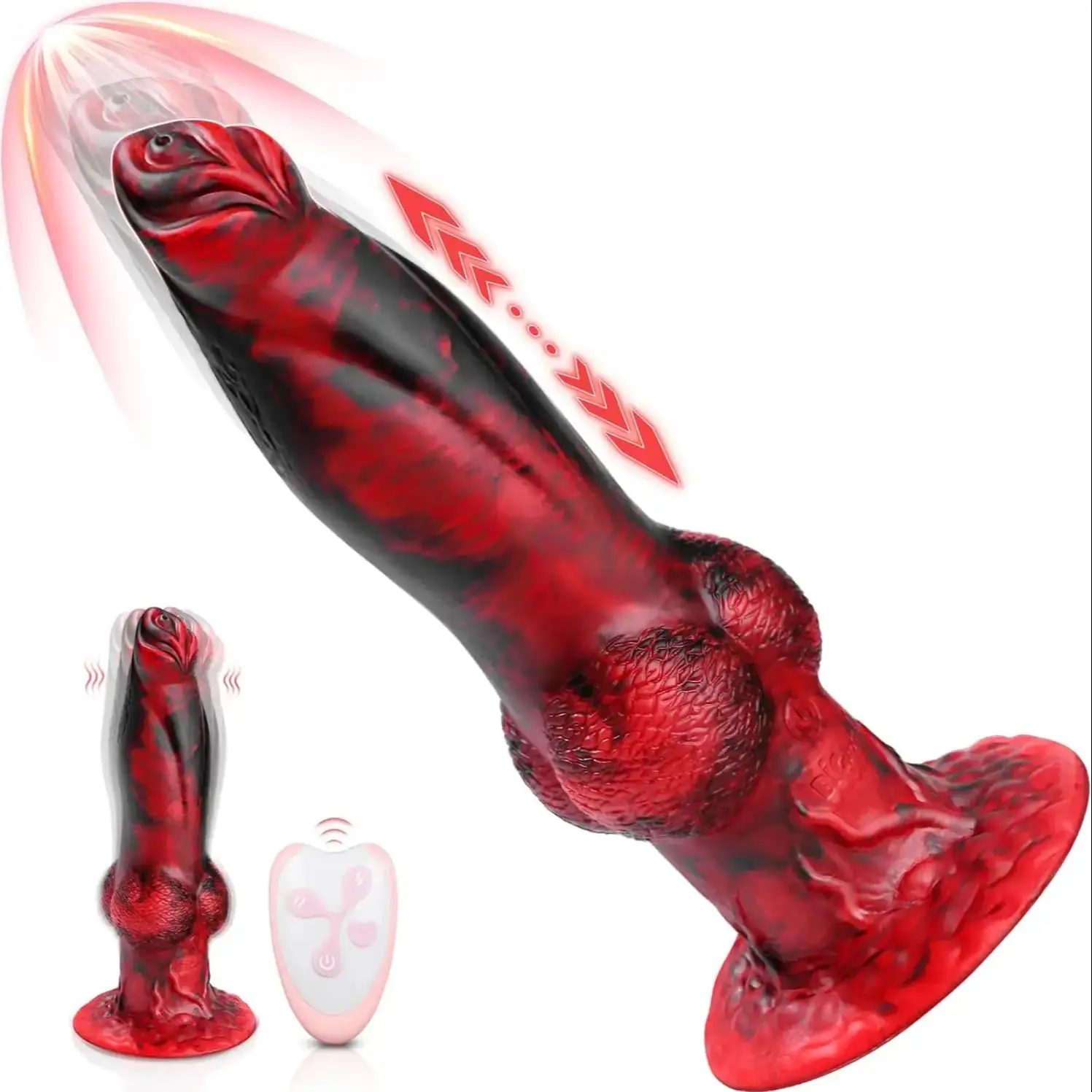
Use this quick decision tree:
- Sensitive pelvic floor / postpartum / new to the category? → Static curve, standard 35–40 mm radius, single motor, ≥5 intensity levels. Start at intensity 2–3.
- Experienced, wants “set and forget” mechanical engagement? → Thrusting model, amplitude adjustable 5–15 mm, dual motor.
- Noise-sensitive or share a small apartment? → Static curve (typically 10–15 dB quieter).
- Want shower/bath use without battery anxiety? → Static curve with 90+ min runtime beats most thrusting units.
- Budget under $50? → A well-made static curve in smooth silicone. Thrusting units at this price usually sacrifice waterproofing or use cheaper motors.
Filter on XNXXMALL by curve radius, motor count, and waterproof rating before you fall in love with a marketing photo.
Safety & Care
A few non-negotiables regardless of which design you choose:
- Always use a water-based lubricant with silicone products. Silicone-based lubes can break down the outer silicone layer within weeks, leaving micro-porous residue that traps bacteria.
- Clean before and after each use with mild, fragrance-free soap and warm water. Air-dry completely before storage.
- Store in a breathable pouch (cotton or mesh, not sealed plastic) to prevent condensation-related mold.
- Respect age verification and local regulations. XNXXMALL enforces 18+ verification at checkout and ships only to regions where adult product sale is legal. If your jurisdiction restricts import, check local law before ordering.
- Inspect the unit monthly for cracks, grommet wear, or actuator wobble. If the casing feels tacky or the motor sounds gritty, retire it.
Top Recommendations
| Tier | Model type | Why it works |
|—|—|—|
| Entry ($30–$50) | Static curve, 38 mm radius, single motor, IPX7 | Clean build, no learning curve, easy to care for |
| Mid ($60–$100) | Thrusting + vibration, adjustable 8–14 mm amplitude, 3 patterns | Dual-vector stimulation without a steep price jump |
| Premium ($110–$160) | App-controlled thrusting, dual motors, IPX8, 120-min battery | Full customization, water-submersible, quietest class |
| Specialty | Wide-tip static curve, 42 mm radius, dual rear motors | For users who find standard tips too narrow for the anterior band |
All listed options are available through XNXXMALL’s “G-Spot & Anterior” collection with real buyer reviews and curve-radius filters.
Worth It or Not?
- Under $50: Absolutely. A quality static curve at this price outperforms most $100 thrusting units in build longevity. You save on the motor complexity you may not need.
- $60–$100 (thrusting): Worth it if you’ve already used a static curve for 6+ months and want the oscillation layer added. Not worth it as a first purchase—the learning curve is steeper.
- $110+: Justified only if you value app control, IPX8 submersion, and a 2-year warranty. The marginal sensory gain over a $80 thrusting model is real but small. Buy it when the mid-tier has lived in your drawer for a year and you genuinely want more.
The honest answer: you do not need the most expensive unit to have a positive experience. You need the right curve for your anatomy and a material you can trust.
More Options on XNXXMALL
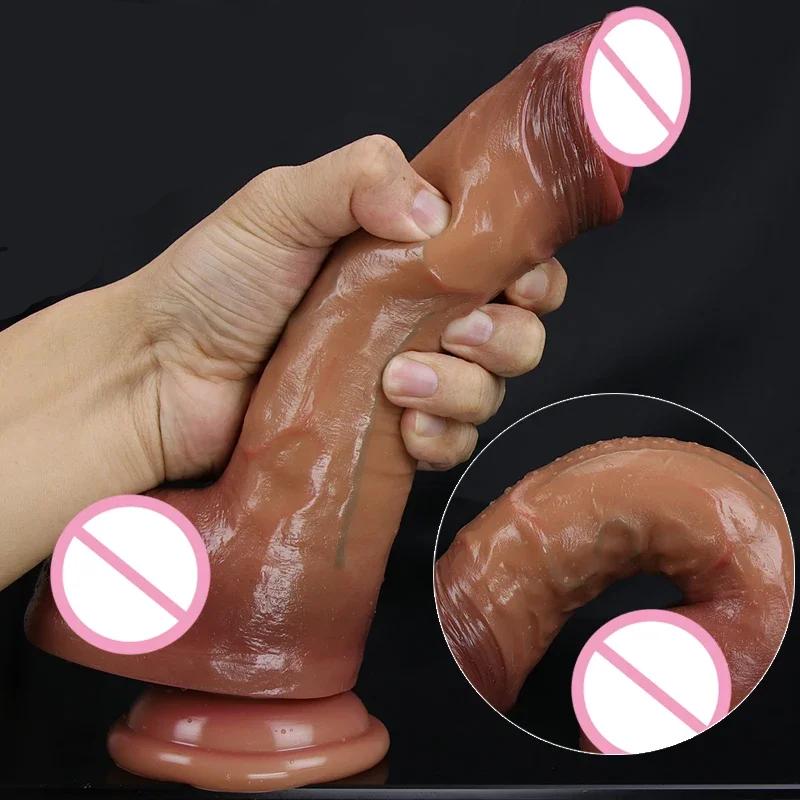
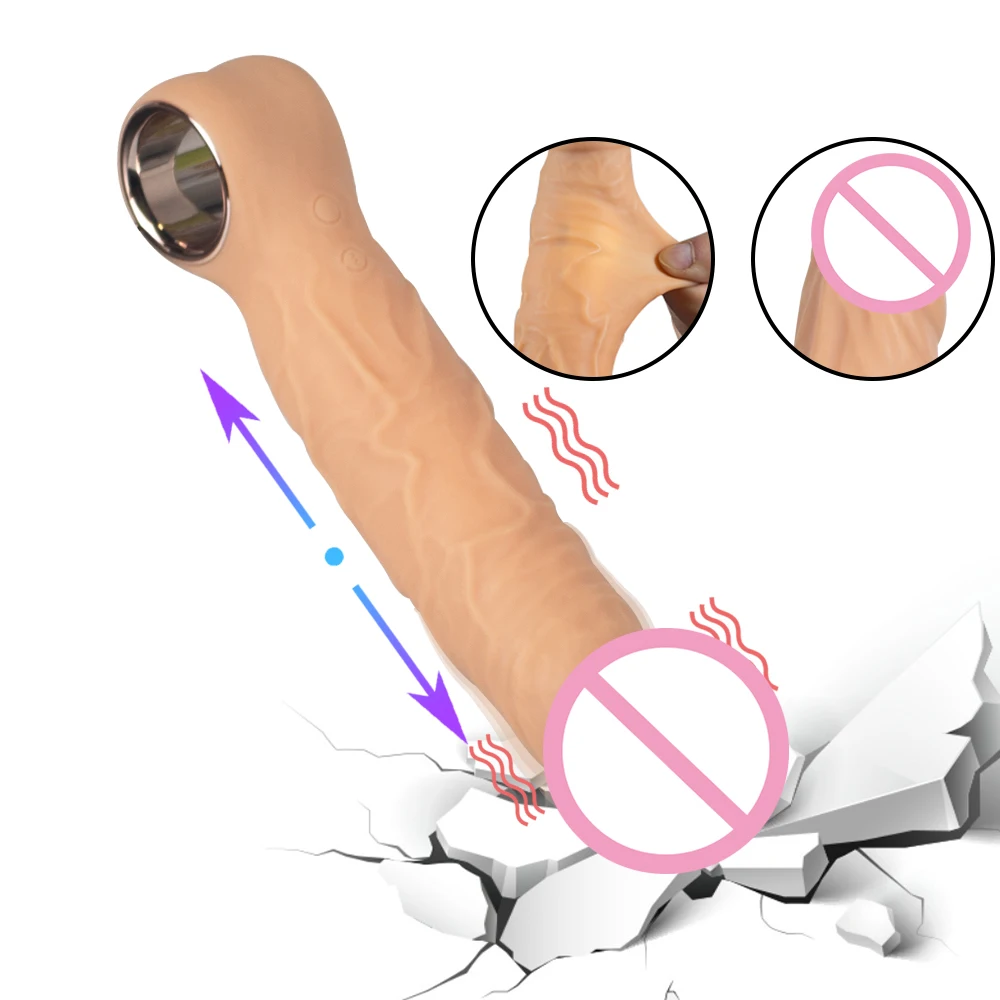
Frequently Asked Questions
: Is a thrusting G-spot vibrator better than a static curve for first-time users?
A: Generally, no. A static curve with a gentle 35–38 mm radius is more forgiving for first-time users because there is no mechanical oscillation to adapt to. You control all pressure and angle manually. Thrusting models excel for users who already know their anatomy and want “auto-pilot” rhythmic stimulation.
: Can I use a static curve as a replacement for a thrusting G-spot vibrator if I already own one?
A: You can, and many users alternate. The static curve offers sustained, predictable pressure; the thrusting model offers multi-vector oscillation. If your goal is variety rather than a single “better” device, owning one of each at a modest budget is a common and sensible setup.
: How do I know which thrusting G-spot vibrator vs static curve length fits my body?
A: Measure approximate vaginal depth (on average 7–12 cm, but highly individual). The insertable portion of a standard G-spot device is 7–10 cm. If your depth is on the shorter end, choose a static curve with a compact body (insertable ≤ 8 cm). For longer average depth, a thrusting model with 10 cm insertable length gives the oscillation more travel room. XNXXMALL product pages list insertable length in the spec table—check before buying.
: Will a thrusting G-spot vibrator damage my pelvic floor over time?
A: No, when used at moderate amplitude and for normal session lengths (15–40 minutes). Excessive use of very high-amplitude oscillation for extended periods can overstimulate pelvic floor muscles in sensitive individuals, leading to temporary tightness. This is the same principle as any muscle overuse. Rest, low-amplitude days, and pelvic floor exercises (see the Mayo Clinic sexual-health resources) keep things balanced.
: Do I need to buy a thrusting G-spot vibrator vs a static curve at a premium price to get good reviews?
A: No. XNXXMALL’s review data shows that satisfaction correlates more with fit and expectation than with price. A $45 static curve that matches your curve radius scores 4.7+ stars; a $150 thrusting model with the wrong curve for your anatomy scores 3.2. Read the fit-specific reviews, not just the star average.
Final Thoughts
The “thrusting G-spot vibrator vs static curve” question is really an anatomy-geometry question, not a brand-loyalty question. Measure what matters to you (curve radius, insertable length, sensitivity threshold, noise tolerance), match those numbers to a spec sheet, and you will almost certainly pick the right form factor on the first try.
If you want a one-stop place to filter by curve radius, waterproof rating, motor count, and verified buyer reviews, XNXXMALL’s G-spot and anterior-stimulation collection is the cleanest starting point. Start at the mid-tier, read the fit-specific reviews, and use their 30-day exchange policy if the first curve doesn’t sit right.
For broader context on pelvic health, Kegel integration, and when to consult a gynecologist about sensitivity changes, the [Mayo Clinic’s sexual health resources](https://www.mayoclinic.org/healthy-lifestyle/sexual-health) are an excellent, stigma-free reference.
Your body is the final spec sheet. Buy the curve that reads like you.
 No products in the cart.