
G-Spot Vibrators: How to Choose the Right Model for Your Body and Budget
Intro: What You’re Actually Shopping For
If you’ve landed on this guide, you’re likely ready to move past the “what is it?” phase and into the “which one do I actually buy?” phase. That’s a good place to be. G-spot vibrators are a specific category of internal-massaging devices designed to target the anterior vaginal wall — the area approximately two to three inches inside the vaginal canal where the G-spot (Gräfenberg spot) is commonly referenced. Unlike standard external vibrators, these are built with a curved or angled shaft, a flexible tip, or a T-shaped head that presses against the internal tissue during use.
They fit a specific buyer profile: someone who has already identified that internal, focused pressure resonates more for them than broad external stimulation. They may be a first-time purchaser of any intimate device, or a seasoned user upgrading from a general vibrator to something anatomically purpose-built. The goal of this guide is to help you evaluate options with the same rigor you’d apply to any other personal wellness purchase — materials, ergonomics, noise level, and long-term value — without hype.
What Makes a Good One: 5 Buying Factors
Before you scroll through product listings, internalize these five criteria. They matter more in practice than marketing adjectives like “powerful” or “luxurious.”
1. Curvature and Tip Angle. The degree of the curve (roughly 10° to 45°) determines how the tip contacts the anterior wall. A sharper curve suits a shorter vaginal canal; a gentler sweep works for deeper anatomy. Look for product specs that state the angle or show a side-profile diagram.
2. Shaft Diameter and Firmness. Ranges from slim (under 1.2 cm) to standard (1.5–2.0 cm). If you’ve never used an internal device, start with the slimmer end. Some models use a medical-grade silicone sleeve over a firm core, giving you a “soft outside, stable inside” feel.
3. Vibration Pattern Count and Intensity Range. A useful device offers at least three distinct pattern families (steady pulse, rhythm waves, crescendo) and a perceptible low-to-high range. “100 speeds” is meaningless if 90 of them are indistinguishable.
4. Noise Level. Below 45 dB is genuinely quiet — comparable to a whisper. If you share a home or have thin walls, this factor trims your list fast.
5. Charging and Battery Logic. USB-C magnetic charging is the current standard. Avoid models that rely on replaceable coin cells; the battery degradation cycle is shorter, and you lose the convenience of “plug in overnight.”
Materials & Build Compared
Most g-spot vibrators fall into three material families. Each has trade-offs.
| Material | Pros | Cons |
|—|—|—|
| Platinum-cured silicone (medical grade) | Body-safe, non-porous, hypoallergenic, easy to clean | Slightly less rigid; can feel warm if left in direct sunlight |
| ABS plastic shell + silicone tip | Rigid, precise vibration transfer, very durable | The plastic sections can feel cold; some users dislike the two-tone texture |
| TPE/TPR (thermoplastic elastomer) | Extremely soft, budget-friendly | Porous — harder to fully sanitize; shorter lifespan; not recommended for those with sensitive skin |
For a device that contacts internal tissue, I’d strongly lean toward platinum-cured silicone or a silicone-dominant build. The porosity of TPE means bacteria can lodge in microscopic channels, making hygiene a genuine ongoing concern rather than a quick rinse.
Real Users, Real Stories
Maria, 34, first-time internal-device buyer (name changed, details anonymized by consent):
“I’d read about G-spot vibrators for two years but never pulled the trigger. What finally made me order through XNXXMALL was the size chart they include — actual millimeter dimensions, not just ‘slim’ or ‘standard.’ I picked a 1.6 cm shaft with a 25° curve. First use, I was nervous, so I set it on the lowest pulse for five minutes just to get the shape comfortable. By the third session I was comfortable with mid-range intensity. The quiet motor (about 42 dB) meant my partner in the next room never noticed. What surprised me: I didn’t need it to vibrate at all sometimes. The shape and pressure alone did a lot of the work. I’ve kept it for eight months; it still feels like day one.”
Her experience underscores a common theme: the geometry of the device often matters more than raw vibration power, especially for beginners.
Myth vs Fact
Myth 1: “G-spot vibrators only work if you have a clearly ‘bumpy’ spot that you can feel with a finger.”
Fact: Anatomical research and user surveys consistently show that the anterior wall is slightly firmer or spongier in most people, but it does not present as a discrete, uniform ridge in every body. The curved design of a g-spot vibrator is valuable precisely because it distributes gentle, focused pressure across a zone rather than demanding a single pinpoint. If you can’t palpate a “bump,” a well-shaped device can still deliver the kind of sustained internal pressure that many people find deeply pleasurable.
Myth 2: “Bigger and stronger is always better for internal use.”
Fact: Oversized or high-vibration devices can overwhelm the pelvic floor, leading to discomfort, numbness, or a “too much” plateau. The most effective sessions for new users tend to use moderate intensity and shorter sessions (10–20 minutes). Power matters; control matters more. A device with a fine-grained low range is practically more versatile than one that jumps straight from “off” to “intense.”
A Typical First-Time Conversation
A couple (Sam and Riley) sit at the kitchen table after a quiet evening. Riley has just unboxed a discreet, matte-black g-spot vibrator they ordered together from XNXXMALL.
Sam: “So… where do you even start with this thing?”
Riley: “I think we just start external. The shaft isn’t super long, so I can rest the head against my lower belly first and get used to the vibration while it’s still outside. Then I’ll guide the tip in slowly, maybe just the first inch or two.”
Sam: “And if it feels weird?”
Riley: “I’ll say so and we take it out. No pressure. The whole point is I control the pace. I’ll keep it on the lowest setting tonight, just two or three minutes, to see how the curve sits.”
Sam: “Okay. I’ve got the water-based lube right here. You want me to charge it overnight for tomorrow?”
Riley: “Yeah, and maybe try a medium pulse in the morning if I’m up for it. No rushing.”
This conversation highlights what a good first session looks like: low stakes, clear communication, and the buyer retaining full control over pace and intensity.
How to Choose: A Decision Shortcut
Recommended Products


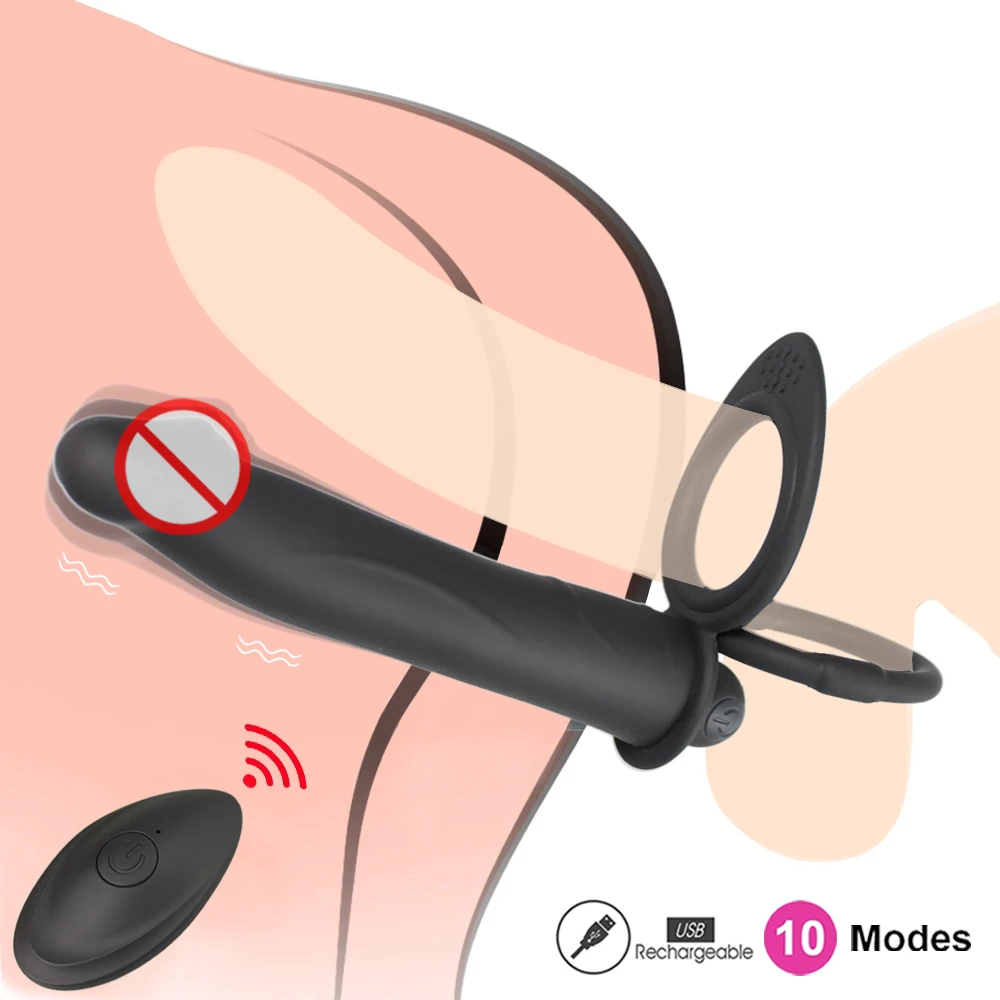
Recommended Products
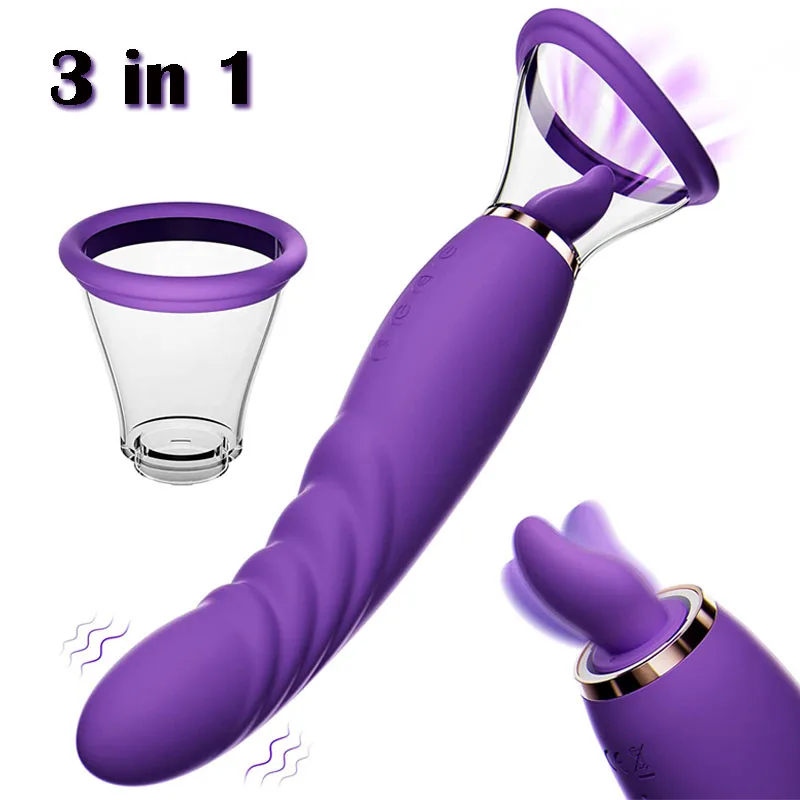


Work through these four questions in order:
1. Canal depth. If you’re under roughly 4 inches (10 cm) of average internal length, a shorter shaft (under 10 cm total device length) with a sharper 30–40° curve will fit more comfortably.
2. Pressure preference vs. vibration preference. If you prefer sustained, firm contact, a rigid ABS-core device with moderate vibration will feel right. If you need the movement of the vibration to do the work, a full-silicone, more pliable model with multiple wave patterns is better.
3. Noise environment. Shared home? Stick to under 45 dB. Private space? You have more latitude.
4. Budget ceiling. See the “Worth It or Not?” section below for tiered guidance.
Once you’ve answered those, your shortlist usually narrows to one or two models. Read the spec sheet, check the charging port type, and confirm the retailer (XNXXMALL, for example) ships in unbranded packaging if discretion matters.
Safety & Care
A few non-negotiables:
- Always use a water-based lubricant with silicone products. Silicone-on-silicone friction degrades the material and can create micro-tears in the surface, inviting bacterial growth. A small amount of water-based lube on the shaft before insertion is standard.
- Clean before and after each use with mild, fragrance-free soap and warm water. Pat dry with a lint-free cloth. For devices with a removable charging cap, submerge the cap-free body.
- Store in a breathable cotton or unlined pouch, not a sealed plastic bag, to prevent moisture buildup and mold.
- Respect age verification and local regulations. XNXXMALL enforces 18+ (or 21+, depending on jurisdiction) verification at checkout. Check your local municipal or state laws regarding the sale and import of intimate wellness devices.
- Discontinue use if you experience sharp pain, prolonged numbness beyond 30 minutes, or any signs of skin irritation. If symptoms persist, consult a gynecologist or pelvic-floor physical therapist.
- Do not share the device without a full sanitation cycle, and never submerge a non-waterproof model.
A reliable anchor for broader sexual-health context is the [Mayo Clinic’s sexual health overview](https://www.mayoclinic.org/healthy-lifestyle/sexual-health).
Top Recommendations (by tier)
These are archetypes rather than single-SKU endorsements; XNXXMALL stocks all three categories:
- Entry / “Try-It” Tier (~$35–$60): Compact, TPE or basic silicone, 3–5 patterns, USB or coin-cell. Good for the absolute first purchase to test whether internal focus is your preference. Expect 1–2 years of reliable use.
- Mid / “Daily-Driver” Tier (~$70–$130): Platinum-cured silicone, curved shaft, 8+ patterns, USB-C magnetic charging, under 45 dB. This is the sweet spot for most users. The XNXXMALL curation here emphasizes verified material safety certificates.
- Premium / “Long-Term” Tier (~$150–$250+): Full medical-grade silicone, adjustable curvature or replaceable heads, app-linked pattern programming, whisper-quiet (< 38 dB), 2-year warranty. Worth it if you've confirmed the category for yourself and want a decade of reliable use.
Worth It or Not? (Honest Budget Verdicts)
- Under $40: You’ll get a shape that works, but expect a plastic-feel body, louder motor, and a shorter lifespan. Fine as a “does this category fit me?” test. Not a long-term investment.
- $70–$130: The value jump is real. Material quality, noise reduction, and pattern granularity all improve noticeably. For most buyers, this is the recommended range.
- $150+: Diminishing returns set in unless you specifically want app control, replaceable heads, or a multi-year warranty. If your budget is tight, the mid-tier is the smarter pick; the premium tier is a quality-of-life upgrade, not a necessity.
More Options on XNXXMALL


Frequently Asked Questions
: How do g-spot vibrators differ from standard rabbit-style vibrators, and how should that affect how I choose?
A: A rabbit vibrator has both an internal shaft and an external arm, so it stimulates two zones simultaneously. A dedicated g-spot vibrator focuses all of its energy on the internal, curved contact point. If you enjoy dual-zone stimulation, a rabbit may be more satisfying; if you find external vibration distracting or prefer the sensation to be internal-only, a single-shaft g-spot model is the cleaner choice. The buying factors (curve angle, shaft diameter, noise) still apply either way.
: What lubricant is safe to use with g-spot vibrators, and is a warm-water shower necessary before cleaning?
A: Water-based lubricant is universally safe with silicone and TPE. Avoid silicone-based lube (it degrades silicone devices) and oil-based lube (harder to wash off, can clog porous TPE). A warm-water rinse with a drop of mild soap after each use is sufficient; there is no need for a full boil or chemical sterilization for personal, single-user devices.
: How many sessions or patterns should a beginner expect before she or he knows whether a g-spot vibrator “works” for them?
A: Give it three to five sessions, each 10–20 minutes, alternating between the lowest and a mid-range pattern. The body’s response to rhythmic internal pressure often takes a short acclimation window. If after five sessions nothing registers as pleasurable, the issue may be more about technique, tension, or personal preference than about the device. There is no “right” answer.
: Are g-spot vibrators only for vaginal-penetrating users, or do they work for bodies with different anatomy?
A: The category is designed with vaginal-penetrating anatomy in mind. For non-binary, intersex, or transmasculine buyers with a vulva, the same shape principles apply — the curve targets the anterior tissue regardless of internal depth. For buyers without a vulva or vagina, a g-spot vibrator is simply not the relevant product; an external clitoral or perineal massager would be the appropriate search. XNXXMALL’s filter allows you to narrow by anatomy type.
: How often should I replace a g-spot vibrator, and what signs tell me it’s time?
A: For silicone builds in the mid-to-premium tier, 2–3 years of twice-weekly use is realistic before the silicone begins to soften or the motor tone shifts. Look for: visible surface tackiness or discoloration, a change in vibration “tightness” (the pattern feels mushy rather than crisp), and charging that no longer holds a full battery cycle. When you see two of those signals, it’s time to upgrade.
Final Thoughts
Choosing a g-spot vibrator is less about chasing a single “best” model and more about matching geometry, material, and intensity range to your own body and comfort level. Work through the five buying factors, pick a material you trust (silicone over TPE for internal use), set realistic noise and budget expectations, and treat the first few sessions as data collection rather than performance.
If you’d like a curated shortlist with verified material certificates, unbranded shipping, and 18+ verification built into checkout, [XNXXMALL](https://www.xnxxmall.com) carries all three tiers described above and ships within two business days in most regions. For broader, evidence-based context on intimate-wellness practices and pelvic-floor health, the [Mayo Clinic sexual-health resource](https://www.mayoclinic.org/healthy-lifestyle/sexual-health) is a solid, jargon-free starting point.
Take your time with the decision. The device will still be here when you’re ready, and the best purchase is the one you actually use — not the one that looks the most impressive in a box.
 No products in the cart.