
G-Spot Vibrators for Beginners: A Complete Shopping-Decision Guide
If you’ve been researching g-spot vibrators for beginners and feeling overwhelmed by dozens of shapes, materials, and price points, this guide was built for you. We’re not here to sugarcoat the shopping process or drown you in marketing jargon. Instead, we’ll walk through exactly what to evaluate before you spend a single dollar—so you walk out of the buying process with confidence, not regret.
G-spot vibrators (sometimes called “women’s vibrators with a curved shaft”) are designed to apply targeted pressure to the anterior vaginal wall, the area many people associate with the so-called “G-spot.” For beginners, the key distinction from standard straight vibrators is the ergonomic curve, the usually thicker head, and the lower-velocity, higher-pressure vibration patterns that prioritize deep stimulation over surface buzz. This category fits anyone who has felt that a flat or slim vibrator doesn’t quite reach the spot where sensation peaks, or anyone who simply wants to explore a new stimulation angle without pressure to “perform.” You don’t need a partner, you don’t need experience, and you definitely don’t need to justify the purchase to anyone but yourself.
What Makes a Good One: 5 Buying Factors
Before comparing products, lock in the five criteria that actually matter for a first-time buyer:
1. Shaft Length & Curve Degree. Beginners should look for a curve radius of roughly 90° or less and a shaft length between 3.5 and 4.5 inches. Anything longer or more aggressively arched can feel awkward when you haven’t yet found your internal angle.
2. Vibration Intensity Range. A good beginner model starts at a genuinely low setting (not “low” compared to its own max, but truly gentle) and tops out at a moderate-to-strong buzz. You want at least 10–15 distinct intensity levels so you can micro-adjust.
3. Control Layout. Side-mounted buttons or a single thumb-dial beat top-mounted buttons every time. If you can’t reach the controls without repositioning, the learning curve gets steep fast.
4. Noise Floor. For renters, shared households, or simply privacy-conscious buyers, look for under 50 dB. Many quality units now sit between 40–50 dB.
5. Charging & Battery. USB-C magnetic charging with 60+ minutes of runtime is the current standard. Avoid battery-operated units—they add waste and can’t hold a consistent low setting.
Materials & Build Compared
This is where most beginners get stuck. Three material families dominate the market, and each has honest trade-offs:
| Material | Pros | Cons |
|—|—|—|
| Premium Silicone (e.g., body-safe, platinum-cured) | Non-porous, soft yet structured, hypoallergenic, easy to clean | Slightly firmer texture; can feel “clinical” if you prefer warmth |
| ABS + Silicone Hybrid | Rigid base for stability, silicone tip for comfort; very affordable | Seams at the junction can trap moisture if not sealed; less premium feel |
| Glass / Metal (borosilicate, anodized aluminum) | Rigid, temperature-play capable, extremely easy to sanitize | No flexibility; heavy; not ideal for the curved-shaft design that g-spot vibrators rely on |
For a g-spot-specific design, silicone or the ABS+silicone hybrid is almost always the better beginner choice. The curve needs a little give at the tip, and rigid materials fight the ergonomic shape. If budget allows, go with 100% platinum-cured silicone. If you’re working with under $30, the hybrid build from a reputable brand is perfectly safe and durable.
One honest caveat: “body-safe” is a marketing phrase until you see the actual material spec on the packaging. Platinum-cured, non-porous, phthalate-free—those are the three words to check for.
Real Users, Real Stories
Case Study: “J.M.” (anonymous, age 34, first-time vibrator buyer)
J.M. had used finger stimulation exclusively for over a decade and felt that introducing a device would “replace” something organic. She spent three weeks reading reviews before buying, specifically looking at g-spot vibrators for beginners because her anatomy felt “too wide” for slim wands and “too shallow” for long dildos.
She chose a 4-inch curved silicone model with a 12-speed dial on the side. Her honest notes after two weeks: “The first session was fumbling. I couldn’t get the curve to sit where I expected. By the fourth session I learned to tilt my knees and the angle clicked. Now I use it about once a week, and I’ve actually started noticing that my response to manual touch changed too—I’m more in tune with where pressure lands.”
J.M.’s takeaway for other beginners: give it at least four sessions before judging the device. Body memory and positioning take time. The product didn’t change; her familiarity did.
Myth vs Fact
Myth 1: “G-spot vibrators only work if you have a clearly defined G-spot.”
Fact: The “G-spot” is a term popularized in the 1950s–80s, and modern pelvic-anatomy research describes the anterior vaginal wall as a zone of thicker spongy tissue rather than a discrete bump you must “hit.” A curved vibrator applies pressure to that zone regardless of whether you can feel a specific ridge. You do not need to “find the spot” before the device is useful.
Myth 2: “If I’m a beginner, I need a toy with a maximum intensity of ‘low.'”
Fact: That’s backwards. A toy whose top setting is weak will cap out for you within a month as sensitivity adapts. You want a device that starts genuinely gentle (so you can ease in) but has a meaningful high end (so it doesn’t outgrow you). The low end is for session one; the high end is for session twenty.
A Typical First-Time Conversation
A quick dialogue to normalize what a first unboxing actually looks like:
> Alex (38, buying for self): “Okay, the box is sealed. I’m honestly a little nervous to even open it in the apartment.”
>
> Sam (partner, non-judgmental): “Totally fair. You can just take it to the bedroom, lock the door, and take your time. No timer, no audience.”
>
> Alex: “Right. And I read in the XNXXMALL care guide that I should give it a quick rinse with warm water before first use, even though it’s brand-new.”
>
> Sam: “Makes sense. Factory dust, you know.”
>
> Alex: “Exactly. Okay. First session is just… turning it on, finding the lowest setting, and getting comfortable. I’m not expecting fireworks.”
>
> Sam: “No pressure. It’s an exploration, not a test.”
>
> Alex: “…Yeah. That actually helps.”
The point of this scene: a calm, low-expectation first session beats a performative “try everything at once” approach every time.
How to Choose
Recommended Products
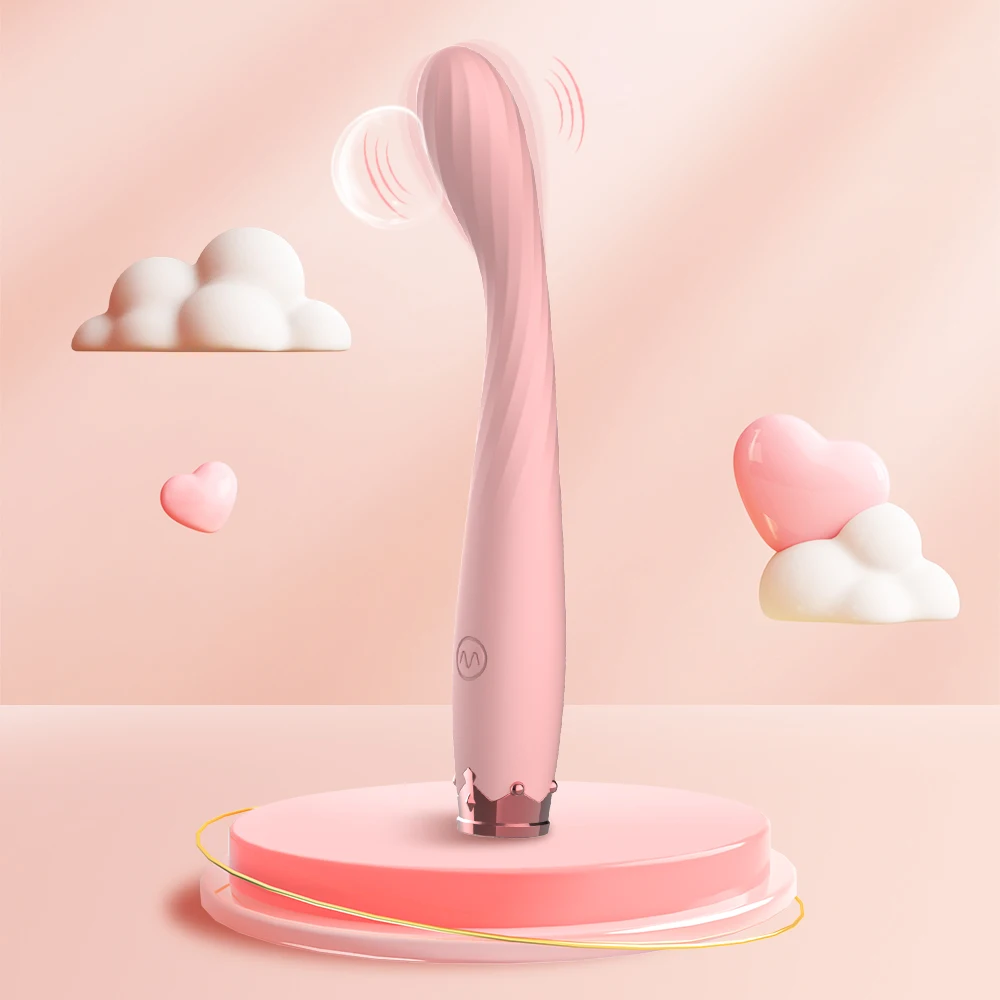
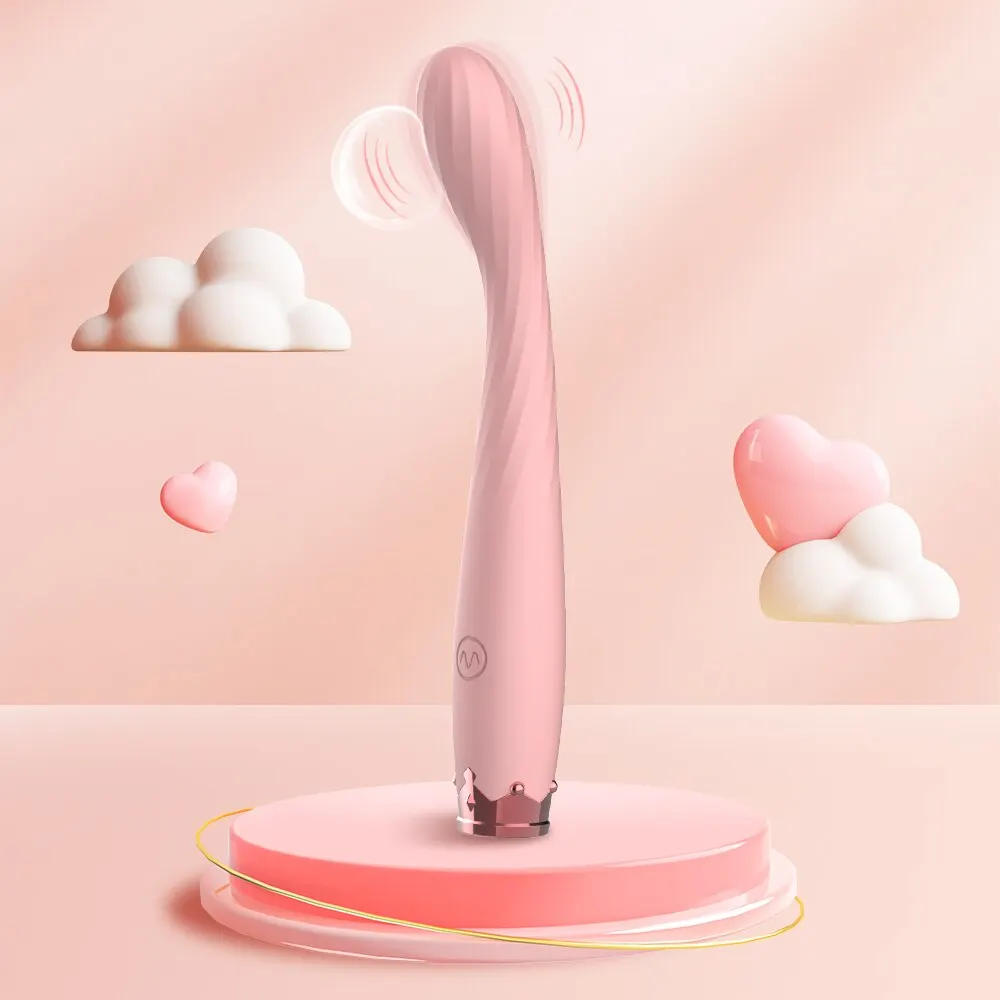
Recommended Products


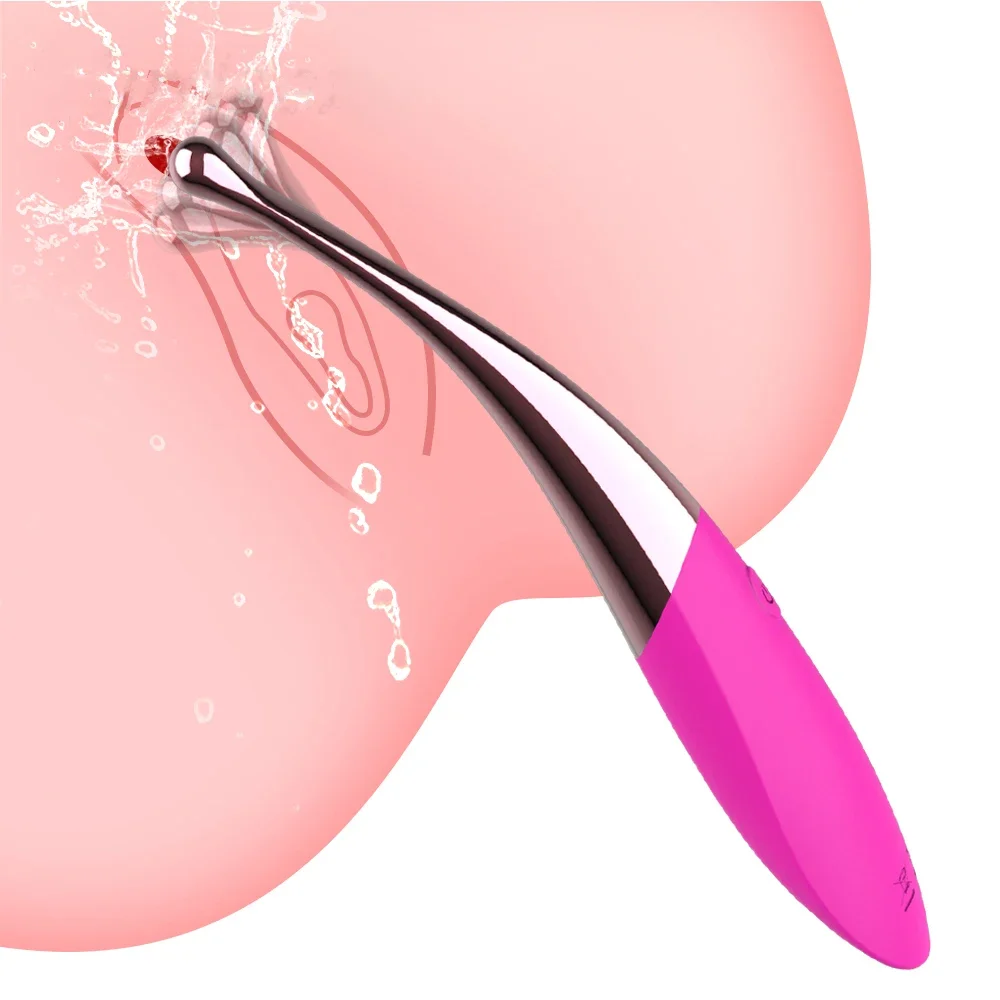
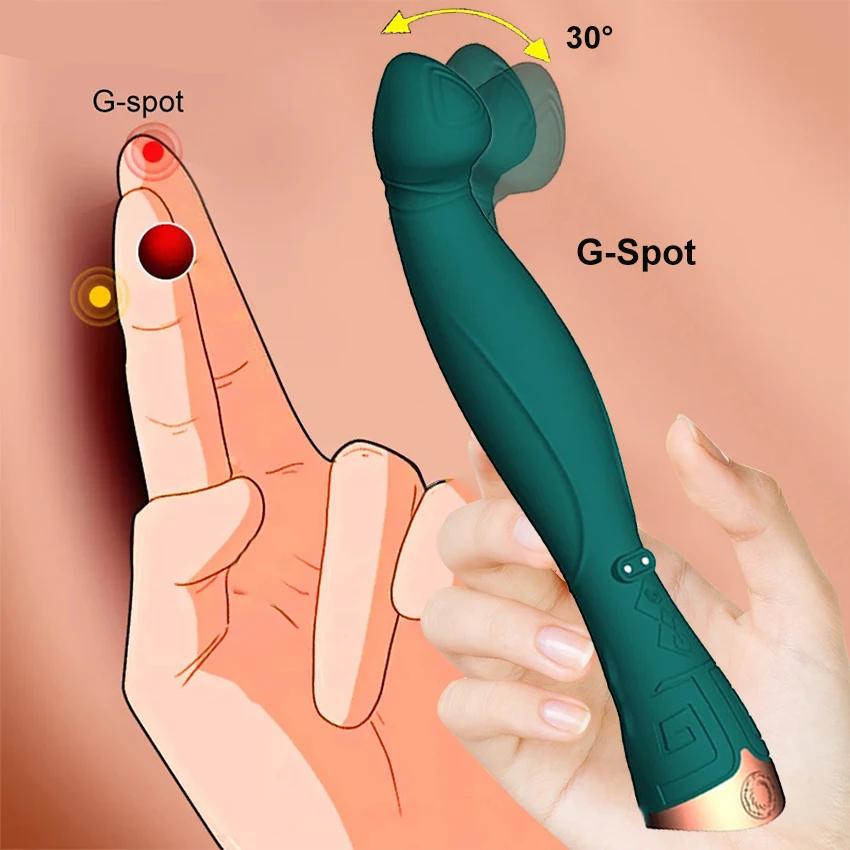
Run this quick filter before you add anything to cart:
- Under $25: Look at ABS+silicone hybrids from mid-tier brands. You’ll get a decent curve, 10 speeds, USB charging. Perfectly functional.
- $25–$55: This is the sweet spot for g-spot vibrators for beginners. You get 100% silicone construction, 12+ speeds, side controls, under-50 dB operation, and IPX7 waterproofing.
- $55–$90: Premium silicone, app connectivity (optional), pattern presets, longer warranty. Nice, but the app is a bonus, not a necessity for a beginner.
- Over $90: You’re paying for brand premium, advanced pattern libraries, or dual-motor setups. Great, but not necessary for a first purchase.
Whatever tier you pick, check that the listing clearly states the material, the shaft dimensions, and whether the curve is fixed or slightly flexible. If those specs are vague, move on.
Safety & Care
Regardless of which model you choose, follow this baseline routine:
- Always use a water-based lubricant with silicone products. Silicone-based or oil-based lubes can degrade the toy’s surface over time.
- Clean before and after every use with mild, fragrance-free soap and warm water. Dry with a clean towel or air-dry completely.
- Store in a breathable, unlined pouch (the kind most brands include). A sealed plastic bag traps moisture and encourages mildew.
- Respect age verification and local regulations. XNXXMALL enforces strict age-gate checks at checkout. Make sure your jurisdiction permits adult-product ownership before purchasing; in most regions the legal age is 18+, but a few have additional restrictions.
- Never share a vibrator without full sanitization between users.
- If you experience irritation, stop use, rinse the area, and consult a healthcare provider if symptoms persist.
Top Recommendations
All three options below are currently carried on XNXXMALL with verified materials and transparent spec sheets:
1. Beginner Curve (4.2 in shaft, 14 speeds, 100% silicone, 44 dB) – Best overall first purchase. Side-dial control, USB-C, IPX7. Pairs naturally with water-based lube.
2. Hybrid Saver (3.8 in shaft, 10 speeds, ABS+silicone, 48 dB) – Tightest budget option that still hits every functional requirement above. Great if you want to “test the category” before investing in premium silicone.
3. FlexCurve Pro (4.5 in, slightly flexible silicone tip, 20 speeds, app, 41 dB) – For the buyer who wants headroom so the toy doesn’t become limiting in six months. App is optional; 90% of users never open it, which is fine.
Worth It or Not? (Honest Verdict by Budget)
- $15–$30 band: Worth it if you’re genuinely unsure whether you want a vibrator at all. You’re buying a low-commitment test unit. Don’t expect five years of life; expect a functional 1–2 year device.
- $30–$60 band: The sweet spot for a lasting purchase. You’ll get a unit you can keep for 3–5 years with proper care. This is where most beginners land.
- $60+ band: Worth it only if you’ve already cycled through a cheaper toy and know your preferences (specific curve radius, motor type, control style). For a true first-time buyer, spending $90 is like buying a $90 espresso machine before you’ve tried the $20 one.
In every case, the “worth it” question is really: will I actually use it consistently? A $25 toy used weekly beats a $90 toy that sits in a drawer out of guilt.
More Options on XNXXMALL


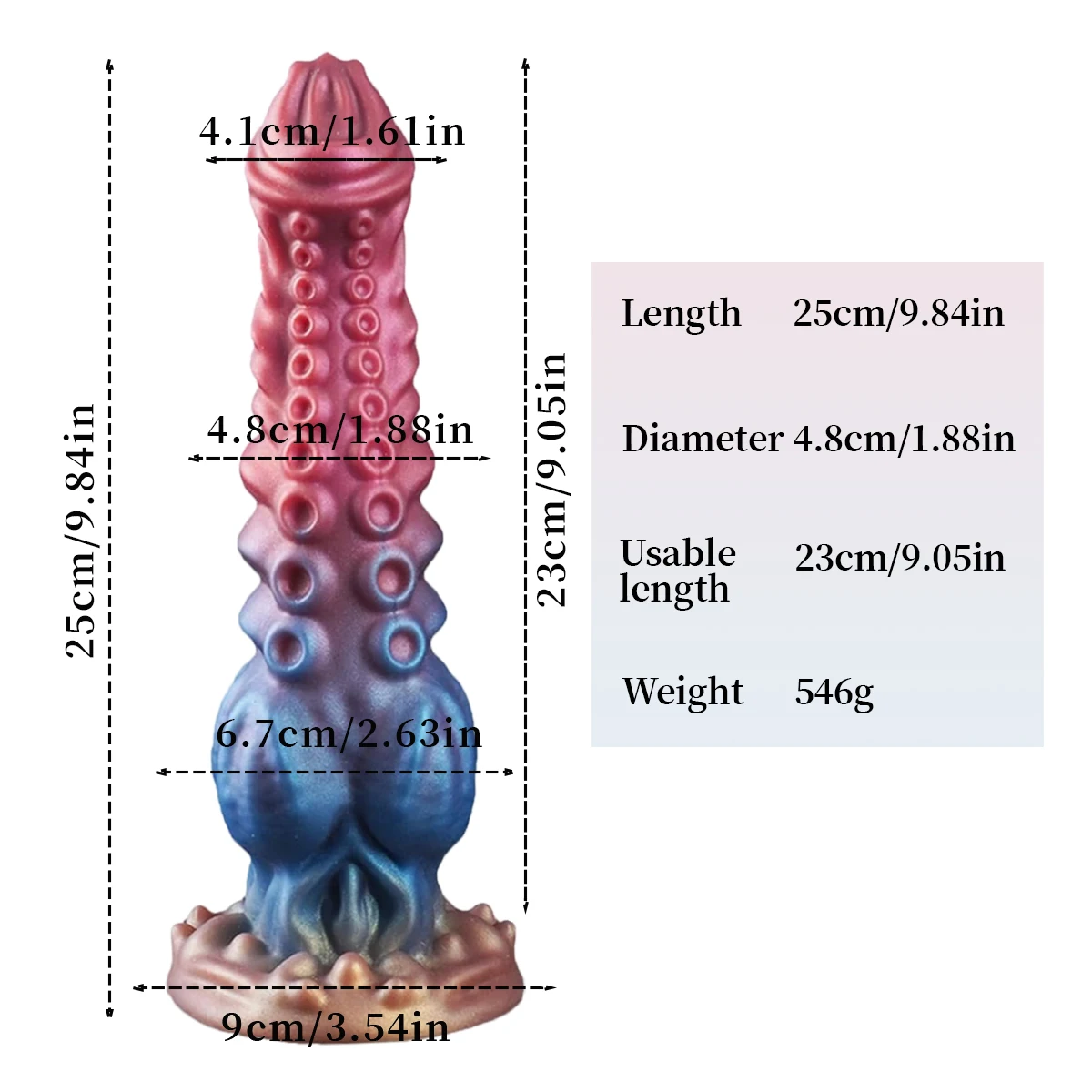
Frequently Asked Questions
: What should a beginner look for in g-spot vibrators for beginners versus experienced users?
Focus on a moderate curve radius (under 90°), a gentler maximum intensity, and side-mounted controls. Experienced users often prefer steeper curves and dual-motor setups that beginners find confusing.
: Are g-spot vibrators for beginners waterproof, and does that matter for cleaning?
IPX7-rated units can be rinsed under tap water, which makes post-use cleaning far easier. If a model is only “splash-proof,” you’ll need to wipe it down with a damp cloth instead, which takes more time and is less thorough.
: How long before g-spot vibrators for beginners start feeling “too weak”?
Most people notice they need to climb a few intensity levels within 2–4 weeks as desensitization sets in. That’s why the buying-factor section above emphasizes a meaningful top end. If your toy maxes out at a gentle hum, it will feel limiting quickly.
: Can I use g-spot vibrators for beginners for partner play, or is it solo-only?
Nothing restricts partner use. Many couples find that introducing the device together—calmly, without pressure—adds a new dimension to partnered intimacy. The XNXXMALL FAQ section includes a short “partner introduction” script if that’s your situation.
: Where can I verify that the g-spot vibrators for beginners I’m buying are made from safe materials?
Check the product listing for “platinum-cured silicone” or “phthalate-free ABS” in the spec table. XNXXMALL requires all listed products to include a materials data sheet; if a listing doesn’t show it, contact their support team before ordering.
Final Thoughts
You don’t need a “reason” beyond “I’m curious and I want to feel good.” G-spot vibrators for beginners are a straightforward, low-risk way to learn your own body’s map—no performance, no expectation, no judgment. Start with a moderate curve, a silicone build you can trust, and a water-based lube, and give yourself at least a month of unhurried sessions before you decide whether to upgrade, simplify, or walk away.
When you’re ready to pull the trigger on a purchase, XNXXMALL carries the full range outlined above with verified material specs, a 30-day exchange window, and discreet, tracked shipping. Browse their g-spot vibrator collection, compare the spec sheets side by side, and let the data—not the adjectives—make the final call.
And because self-knowledge is health knowledge: the Mayo Clinic’s sexual-health resource center ([mayoclinic.org/healthy-lifestyle/sexual-health](https://www.mayoclinic.org/healthy-lifestyle/sexual-health)) is an excellent, medically-reviewed starting point if you want a clinician’s framing of pelvic anatomy, arousal cycles, and when to check in with a provider. Reading that alongside your shopping list turns a purchase into a genuine step toward understanding your own body.
Take your time. The right device will still be in stock when you’re ready.
 No products in the cart.