
BDSM Tools & Accessories Safety Guide: A Health-First Approach to Exploring Intimacy
BDSM tools and accessories, when used with knowledge and care, are legitimate components of a healthy, consensual intimate relationship. Yet most people searching for a bdsm tools & accessories safety guide are doing so not from experience, but from curiosity, a partner’s suggestion, or a personal desire to deepen physical and emotional connection. That is completely normal.
This guide treats every item in that category as what it truly is: a wellness and self-expression tool. It will walk you through understanding your own needs, correcting widespread misinformation, choosing equipment that protects your body, and maintaining a routine of hygiene and safety that mirrors the care you’d give any health-related product. Whether you have opened the box or you are still in the research phase, the information here is designed to make your journey informed, dignified, and free of fear.
Understanding Your Needs
Before a single accessory leaves a shopping cart, take five honest minutes to define what you actually need. Ask yourself:
- What is the physical goal? Are you exploring sensory play, establishing trust through light bondage, or building comfort around a particular kink that has surfaced organically in your relationship?
- What is your tolerance baseline? A first-time user and someone who has explored this space for years have fundamentally different safety thresholds.
- Who is in the room? Solo exploration and partnered play require different safety protocols, especially around materials that can cause skin irritation or pressure points.
- What is your health history? Skin sensitivities, allergies to metals or latex, circulatory conditions, or any diagnosed condition affecting blood flow should shape material choices.
A useful first step is a simple inventory of your body’s signals. Note which surfaces (wrists, ankles, shoulders) are more sensitive, whether you have eczema, psoriasis, or a history of skin reactions, and whether you experience pain at lower thresholds than average. This self-knowledge is the foundation of every bdsm tools & accessories safety guide that matters, because no two bodies respond identically.
Real Users, Real Stories
Anonymous Case: The First-Time Buyer Who Almost Skipped the Safety Step
Marcus, 34, and his partner Elena, 31, decided to introduce light rope bondage into their intimate evenings. Marcus had read a forum post claiming that “any cotton rope will do” and bought a two-metre length from a discount online shop. On the first attempt, the rope’s rough weave caused visible redness and a mild abrasion on Elena’s inner wrist within fifteen minutes. He stopped immediately, but the experience left Elena anxious and the two of them unsure whether they would try again.
Three weeks later, Marcus revisited the idea. He read XNXXMALL’s product safety notes, watched a short demonstration video on proper rope tension, and upgraded to a smooth, medium-diameter cotton rope with a flat weave, paired with a soft cuff and a set of safety scissors for quick release. Before the second session, both partners agreed on a verbal safe word, a post-play check routine (looking at skin for pressure marks), and a five-minute “aftercare” period of gentle stretching and hydration. The second experience was comfortable, communicative, and something the two of them now look forward to.
The difference was not the rope itself. It was the system around the rope: material choice, tension awareness, a clear exit signal, and a post-play body check.
Myth vs Fact
Myth 1: “Rope or restraint means I am giving up control.”
Fact: Bondage and restraint tools are built around structured consent, not its absence. A trained user applies a known amount of pressure, monitors skin colour and temperature continuously, and releases the moment a partner signals discomfort. The tool actually increases control because the applying partner must stay present, attentive, and responsive. Think of it as a physical expression of attentiveness rather than a removal of agency.
Myth 2: “If it looks ‘tough,’ it must be safe.”
Fact: Visual toughness is not a safety metric. A heavy-duty leather collar, for example, is safe when it is the correct size, has a quick-release buckle, and is worn for limited durations with regular skin checks. It becomes unsafe when a partner assumes that because the material is durable, the wearer’s body is invulnerable. Pressure, duration, and fit matter far more than material weight.
A Typical First-Time Conversation
> Partner A: “I saw this little blindfold and a set of silk cuffs on XNXXMALL. I’m curious, but I want to make sure we do it the right way.”
>
> Partner B: “I like that you’re asking first. Can we both agree on a word that means ‘stop, everything, now’? I’m thinking ‘red.'”
>
> Partner A: “Red works for me. And I want to check in every couple of minutes—am I in your mind?”
>
> Partner B: “Yes. I’ll tap your shoulder gently and ask ‘how’s the skin?’ If anything stings, you say red or just lift your hand and we undo immediately.”
>
> Partner A: “Also, can we keep the timer on? I don’t want anything on one spot for more than twenty minutes.”
>
> Partner B: “Twenty-minute cap. Noted. And we’ll wash the cuffs before and after. I’ll keep a small bottle of mild soap by the bed.”
This exchange is not small talk. It is the safety conversation that every beginner should have before touching a single accessory. It establishes boundaries, a duration limit, a check-in rhythm, and a hygiene plan—four pillars that any bdsm tools & accessories safety guide should anchor.
How to Choose
Recommended Products
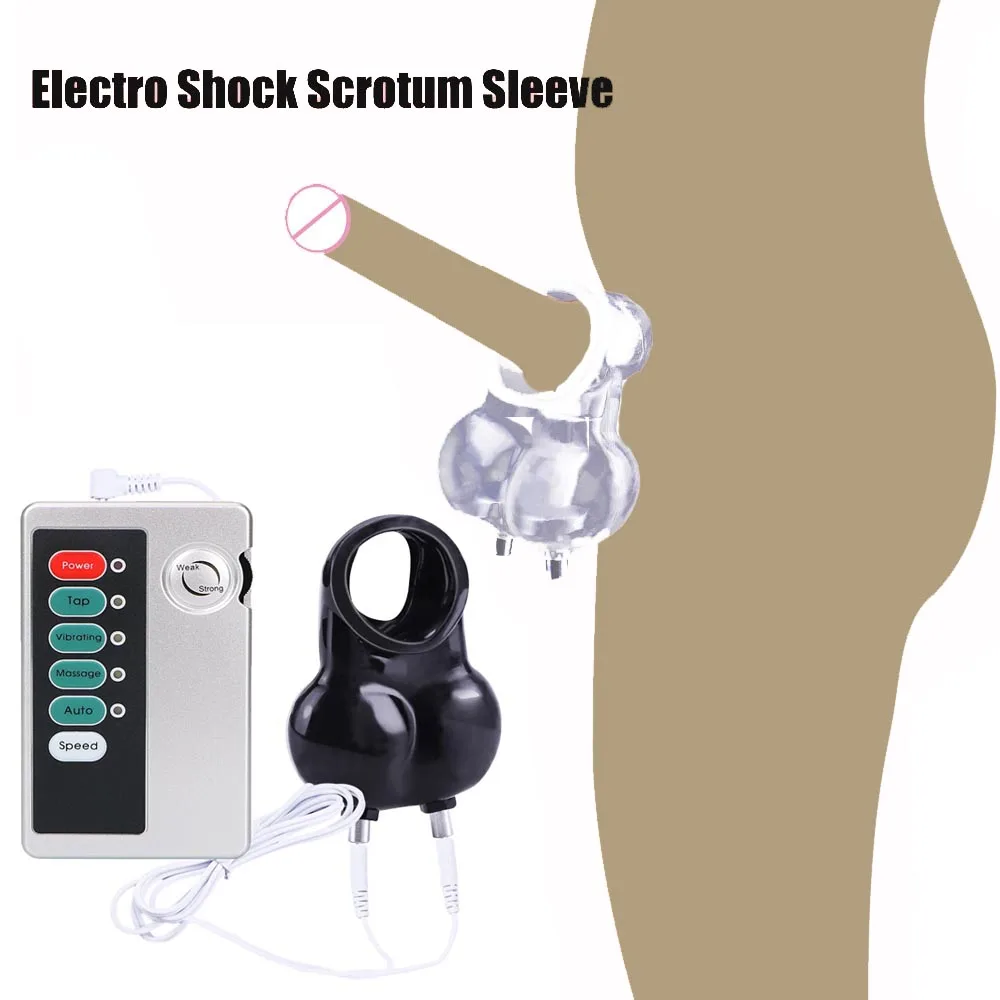


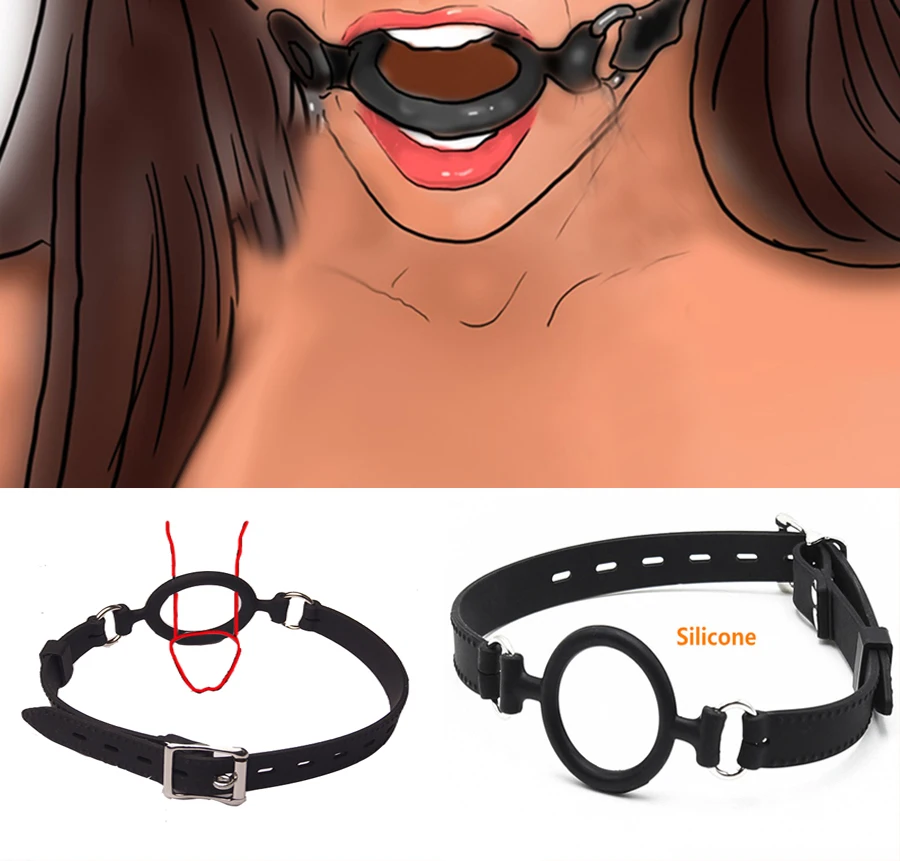
Recommended Products
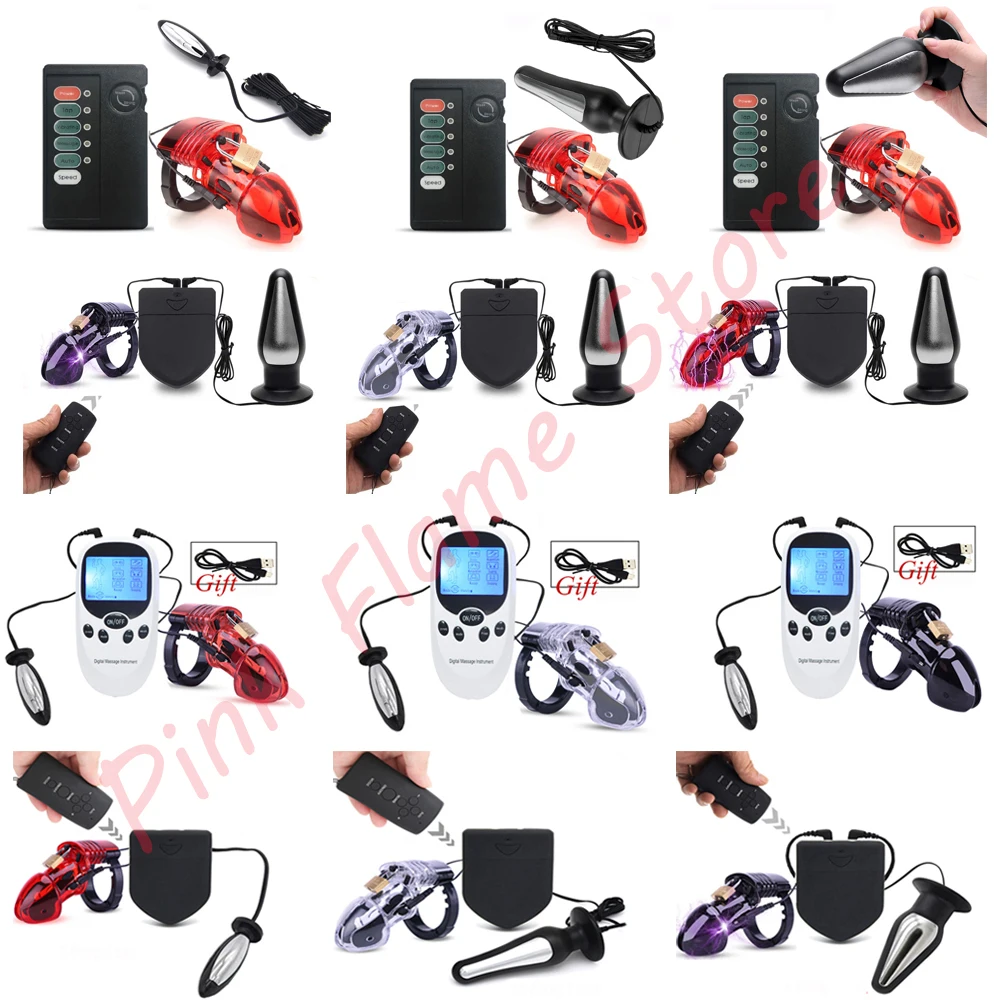


Treat selection the way you’d treat choosing a medical device: match the tool to the specific use, not to a label.
- Material: For skin contact, prioritise non-porous, hypoallergenic options—medical-grade silicone, smooth cotton, or tanned leather with a sealed finish. Avoid unlabelled “synthetic” fabrics that may off-gas.
- Size & Fit: A cuff that leaves a two-finger gap is a safety gap. A collar that leaves one-finger space is a comfort space. Measure, do not guess.
- Weight & Duration: Lighter items suit longer sessions. Heavier items suit short, focused uses. Check the manufacturer’s stated maximum wear time.
- Release Mechanism: Every restraint should have a single-action release (a clasp, a Velcro strip, a carabiner). If releasing requires two hands, a tool, or a knot-undo, it is not beginner-safe.
- Vendor Transparency: Buy from a retailer like XNXXMALL that publishes material composition, care instructions, and safety warnings on each product page. Ambiguity is a red flag.
Safety & Care
This section is the heart of any bdsm tools & accessories safety guide, and it should be printed, pinned, and re-read before every session:
- Lubricant compatibility: Always use a water-based lubricant with silicone products. Oil- or silicone-based lubricants break down the surface of silicone, creating microscopic channels that trap bacteria and compromise the material’s integrity.
- Cleaning routine: Clean every accessory before and after use with mild, fragrance-free soap and warm water. Dry completely before storage.
- Storage: Keep items in a breathable cotton or mesh pouch in a cool, dry drawer. A sealed plastic bag traps moisture and encourages mould or mildew, especially on natural fibres.
- Skin checks: After any restraint or pressure play, inspect the skin for sustained redness, swelling, or a “blanch” mark (an area that stays white after pressing). If a mark has not faded within one hour, monitor it; if it darkens, blisters, or the area feels numb, seek medical attention.
- Age verification and local regulations: Respect that every reputable retailer, including XNXXMALL, requires verified adult age at purchase. Additionally, familiarise yourself with your local jurisdiction’s laws regarding the manufacture, sale, and use of restraint equipment. Compliance is a safety step, not a legal formality.
- Duration rule of thumb: No single point of pressure should exceed 20–30 minutes without a full release and skin check. Rotate or reposition.
Top Recommendations
For a health-conscious beginner kit, consider:
| Item | Why It Works |
|—|—|
| Medium-diameter smooth cotton rope (≈ 10 mm) | Gentle on skin, easy to tie and release, no pinching |
| Pair of adjustable soft-fabric cuffs with quick-release buckle | Size flexibility, no metal-edge abrasion |
| Small medical-grade silicone blindfold | Non-porous, easy to sanitise, breathable |
| Safety scissors (compact, blunt tip) | Guarantees instant release of any textile restraint |
| Water-based personal lubricant | Compatible with every material, body-safe, pH-balanced |
| Breathable storage pouch set | Protects items, allows air circulation |
All of these are available through XNXXMALL with full material disclosures and care cards included in the packaging.
Expert Tips
- Hydrate before and after. Dehydrated skin is more prone to micro-tears and slower to recover from pressure marks.
- Keep nails trimmed and smooth if you are the applying partner. Unintentional scratches are the most common “invisible” injury in restraint play.
- Have a warm, dry blanket ready for aftercare. A brief period of warmth and gentle stretching helps circulation recover and signals to the nervous system that the session is complete.
- Log your sessions. A simple notes app entry—what was used, how long, how the skin looked after—builds a personal safety record over months and helps you notice patterns (e.g., “my wrists mark more than my ankles”).
- Never use a tool while under the influence of alcohol or sedating medication. Judgment, reaction time, and the ability to monitor a partner’s skin all degrade significantly.
Common Myths
1. “I need to be an experienced ‘practitioner’ before I can use these safely.”
You need knowledge, not years of practice. A thirty-minute reading of manufacturer instructions and a calm conversation with your partner will make a first session safer than a fifth session done out of habit without check-ins.
2. “All injuries from these tools are invisible or just bruising.”
Sustained pressure can compromise peripheral nerves, reduce local blood flow, and—rarely but seriously—cause compartment-like swelling in the forearm or calf. The “just a bruise” mindset is the most dangerous one. Treat persistent numbness, tingling, or a skin colour that does not return to normal within an hour as a reason to see a clinician.
3. “The stronger the material, the safer the tool.”
As covered above, material toughness is irrelevant to the wearer’s safety. Fit, tension, duration, and release readiness are what protect the body.
More Options on XNXXMALL


Frequently Asked Questions
: Where can I find a reliable bdsm tools & accessories safety guide before I buy anything?
Start with the manufacturer’s care and safety card that ships with every XNXXMALL product. Pair that with the step-by-step demonstration videos on the product page. No single external source replaces reading the specific instructions for the specific item you own.
: How does a bdsm tools & accessories safety guide apply to solo use versus partnered use?
The core principles—skin checks, duration limits, release readiness, and hygiene—are identical. In solo use you are both the applying and the worn party, so the conversation shifts to an internal one: “Am I still comfortable? Do I see a mark that’s not fading?” Many solo users set a phone timer as an external accountability tool.
: What should I look for on a product page to verify it follows a proper bdsm tools & accessories safety guide standard?
Look for: full material composition (no “mixed polymer” with no breakdown), a stated maximum use duration, a quick-release mechanism description, a cleaning protocol, and an age-verification gate at checkout. XNXXMALL lists all of these on every qualifying product page.
: Are there any medical conditions that make following a bdsm tools & accessories safety guide more critical?
Yes. Anticoagulant therapy, diabetes (reduced peripheral sensation and slower wound healing), peripheral vascular disease, and active skin conditions all raise the stakes. If you have any of these, run your intended kit and routine past your doctor before your first session.
: How often should I re-read or update my understanding of a bdsm tools & accessories safety guide?
Review the care instructions at least twice a year, or whenever you add a new material to your kit. Skin sensitivity, body composition, and even the manufacturer’s recommendations can evolve. A quick re-read prevents complacency.
Final Thoughts
Exploring intimacy with tools—rope, cuffs, blindfolds, collars, and their accessories—is a deeply personal expression of trust, curiosity, and care. It does not need to be shrouded in stigma, and it does not require you to be an expert on day one. What it does require is the same diligence you’d bring to any health-related decision: read the instructions, respect your body’s signals, keep everything clean, and never skip the conversation with your partner.
XNXXMALL is committed to being the trusted, transparent source where that knowledge lives alongside the products themselves. Every item is listed with material transparency, a care card, and a safety note, so that the research phase and the product phase stay connected.
For a broader, medically grounded perspective on sexual wellness and consent-based intimacy, the Mayo Clinic’s sexual health resource is an excellent complement to any bdsm tools & accessories safety guide you follow: [https://www.mayoclinic.org/healthy-lifestyle/sexual-health](https://www.mayoclinic.org/healthy-lifestyle/sexual-health).
Your body, your pace, your boundaries. Make sure the tools you choose honour all three.
 No products in the cart.