
Batteries & Charger Cables Safety Guide: What Every Wellness Device Owner Should Know
Personal wellness devices have become a mainstream part of adult health routines, much like a pressure-massage gun or a smart sleep tracker. Yet most buyers know very little about the small but critical components that power these tools: the batteries inside them and the charger cables that keep them ready. A batteries & charger cables safety guide is not just a consumer checklist — it is a health-and-safety document. A failing battery can overheat, a damaged cable can carry a micro-fault, and neither should be overlooked. This guide builds your understanding from zero, walks you through real scenarios, and gives you the confidence to power your wellness kit correctly and safely.
Understanding Your Needs
Before you pick up a single battery or cable, ask yourself three questions:
1. What does my device use? Most modern vibrators, massagers, and wellness tools run on either replaceable AA/AAA alkaline batteries, rechargeable lithium-ion packs, or USB-C / Micro-USB cables. Older devices may still rely on 9V cells. Knowing the exact specification prevents mismatched power delivery.
2. How often do you use it? A weekly user might prefer low-voltage alkaline cells for simplicity. A daily user benefits from a reliable lithium-ion rechargeable pack and a certified cable.
3. What is your environment? Humidity, travel, children in the home, and pet access all change which battery chemistry and cable build are safest.
Understanding these variables up front saves you from the most common complaint: buying the wrong charge input or a cable that kinks and fractures after a few weeks.
Real Users, Real Stories
Case: “M.” — First-Time Buyer, Anonymous
M. purchased a mid-range, battery-operated personal massager as a birthday gift for a partner. The device came with two AA alkaline cells, but M. had no idea which batteries were “safe” versus “cheap and risky.” After ordering a random bulk pack of AA cells from an unknown seller, the device began to leak a faint brown residue within three weeks. M. stopped using it and contacted the retailer’s support line.
At XNXXMALL, the support team walked M. through a batteries & charger cables safety guide over chat: identify the battery chemistry (alkaline vs. lithium), check for IEC 60086-120 compliance markings, and replace any swollen or leaking cells immediately. M. switched to a sealed-pack of name-brand alkaline cells, learned to store spares in a cool drawer, and the issue disappeared. The conversation ended with M. recommending the retailer’s “battery + cable starter kit” to two friends.
The lesson: the smallest component in your kit deserves the same scrutiny as the device itself.
Myth vs Fact
Myth 1: “Any USB cable will do.”
Fact: Not every cable is rated for the same current. A cable designed for charging a smartwatch at 0.5 A can overheat or deliver inconsistent voltage to a massager expecting 1 A or 2 A. Look for cables marked with an amperage rating that meets or exceeds your device’s specification, and prefer braided or silicone-jacketed cables that resist kinking. A damaged, frayed, or internally bent cable is a micro-short circuit waiting to happen.
Myth 2: “Rechargeable batteries are always better than alkaline.”
Fact: Rechargeable lithium-ion packs offer convenience and long-term cost savings, but they require a quality charge-management circuit. A cheap, uncertified charger can over-voltage the cell, reducing its lifespan or, in rare cases, causing thermal runaway. Alkaline AA/AAA cells, when sourced from a reputable manufacturer, remain a perfectly safe and simple option for devices used infrequently. The right choice depends on usage frequency, not a blanket “rechargeable = superior” rule.
A Typical First-Time Conversation
Setting: A new customer, “J,” messages XNXXMALL’s support team via live chat.
J: Hi — I just got the Nova Pulse massager. It says “USB-C 5V/1.5A.” I already have a phone cable. Can I just use that?
Support: Great question, J. In principle, a USB-C cable rated for at least 1.5 A will work. However, many phone cables are built for lower continuous current and can flex at the connector. For a wellness device you’ll use regularly, we recommend the XNXXMALL-certified cable included in the box, or one rated 2 A with a braided nylon jacket. It will last longer and won’t develop a loose connection.
J: What about the batteries in the remote?
Support: The remote takes two AAA alkaline cells. Use name-brand cells, and if you won’t use the remote for more than a few months, pull the batteries to prevent acid leakage. Store spares in a dry, cool place — not a drawer next to a heater.
J: Should I worry about the cable getting wet in the shower?
Support: The massager body is IPX7 water-resistant, but the USB-C port and cable are not. Charge on a dry surface. Wipe the port with a soft, dry cloth after any splashing. That’s it — a simple habit that protects both the electronics and your safety.
How to Choose
Recommended Products
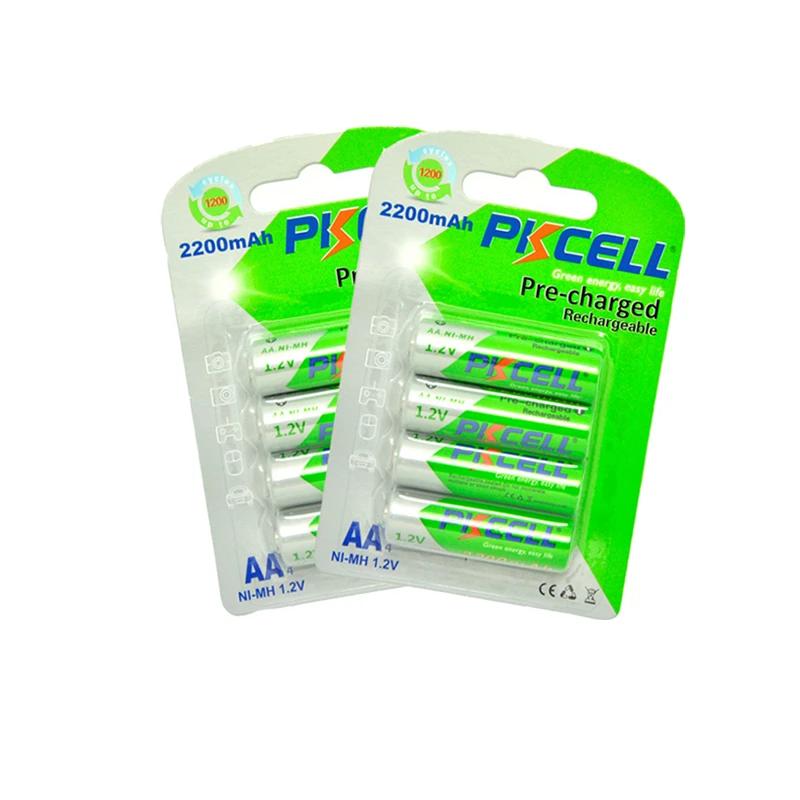
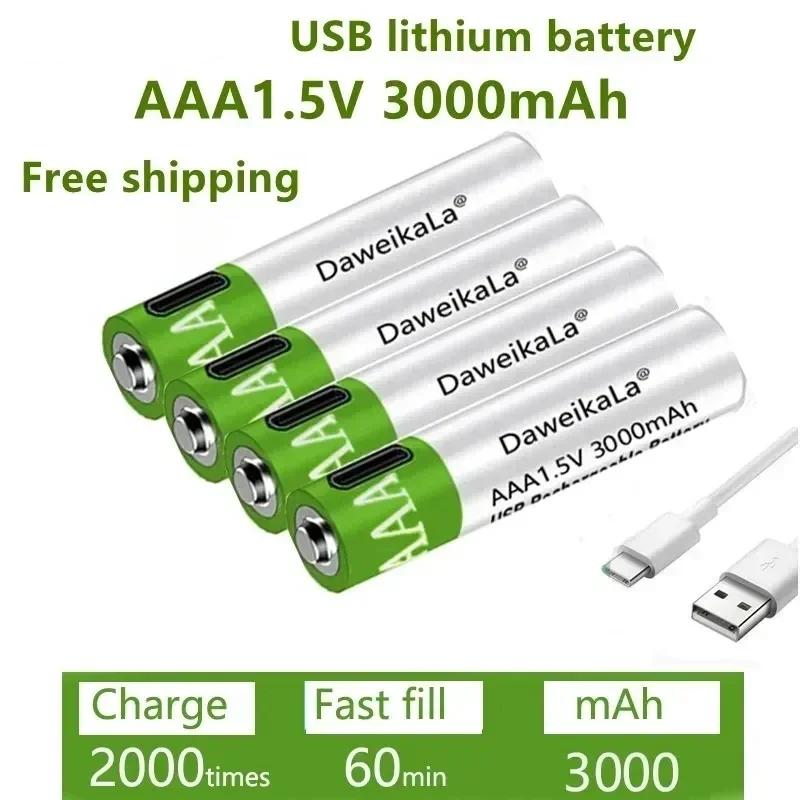
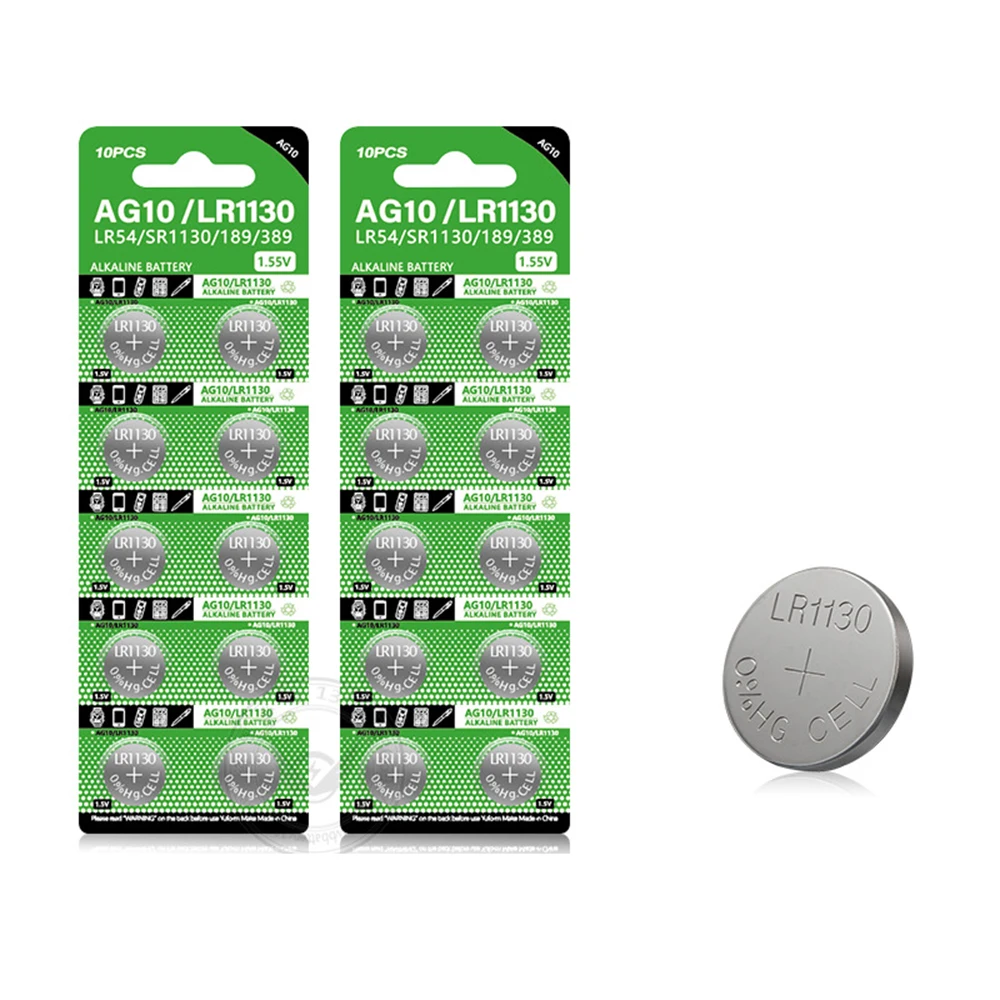

Recommended Products
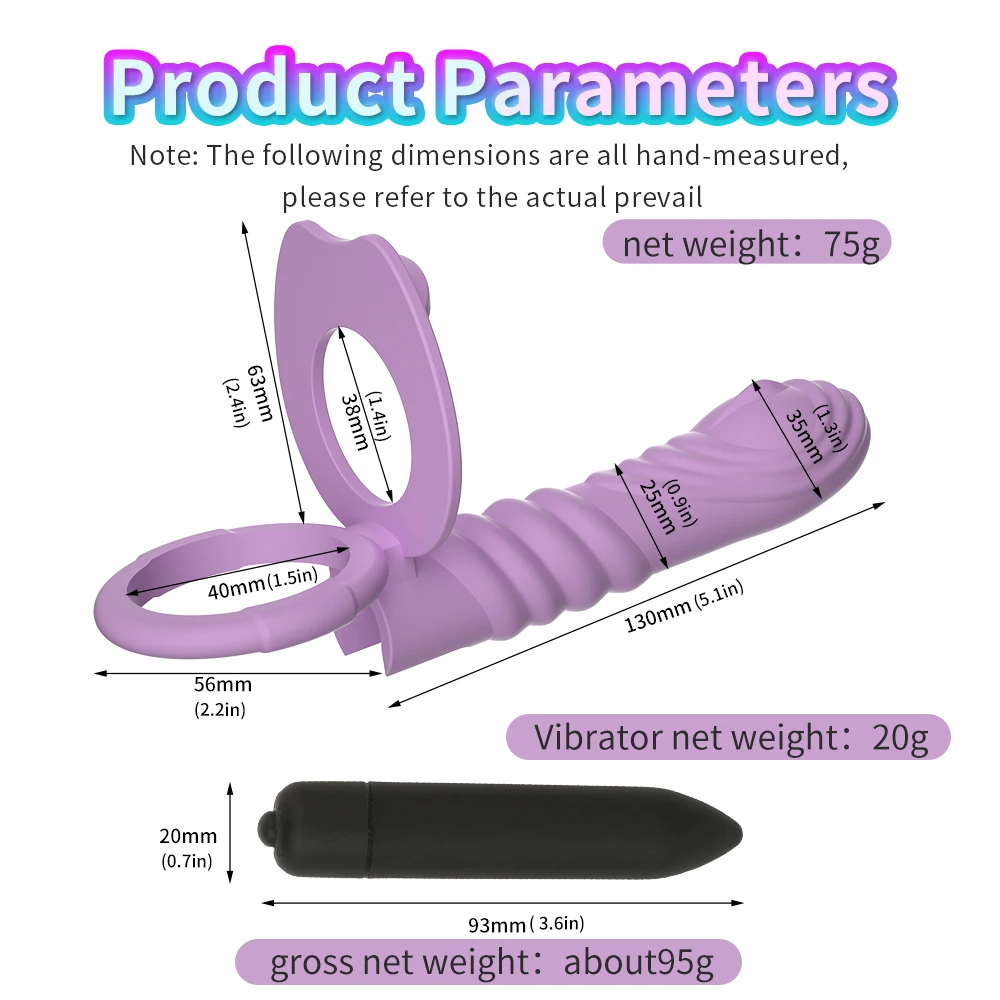
- Match the voltage and amperage. Your device’s spec sheet (or packaging) states the required input. Never use a charger that exceeds the rated voltage; a slight under-voltage is safer than over-voltage.
- Prefer certified cables. Look for USB-IF (USB Implementers Forum) certification or, at minimum, a printed amperage rating on the cable body. Avoid cables with no markings at all.
- Pick battery chemistry for your routine. Infrequent use → sealed alkaline AA/AAA. Daily use → quality lithium-ion rechargeable pack with a dedicated charge port.
- Check connector type. USB-C, Micro-USB, proprietary magnetic pogo-pin, or standard barrel connector. A mismatched connector can damage the device’s charge circuit.
- Buy from a transparent retailer. XNXXMALL lists full cable and battery specifications on each product page, including charge current, cable length, and battery compatibility, so you can verify before you buy.
Safety & Care
Treat the power components of your wellness kit with the same respect you’d give any personal health tool. Follow these core principles:
- Never charge or use a device while it is submerged. Even “waterproof” units have charge ports that are not sealed under water.
- Inspect cables before every use. Look for fraying, exposed copper, bulging, or a warm connector. If you see any of these, stop and replace the cable.
- Store batteries properly. Keep spares in their original sealed packaging until needed. Remove batteries from a device you won’t use for more than a month to prevent corrosion.
- Always use a water-based lubricant with silicone products, clean before and after with mild soap and warm water, store in a breathable pouch, and respect age verification and local regulations. This single line covers material compatibility, hygiene, storage, and legal compliance. A silicone-based lubricant on a silicone device can degrade the surface; a water-based formula will not.
- Dispose of dead lithium-ion packs at a battery-recycling station, not in household waste. Most retailers, including XNXXMALL, will point you to the nearest drop-off location.
- Keep all components away from children and pets, especially loose buttons or small-cell batteries that pose a choking or ingestion hazard.
Top Recommendations
| Need | What to Look For |
|—|—|
| Daily-recharge device | 5 V / 2 A braided USB-C cable, 1 m length, USB-IF certified |
| Occasional use, AA-powered device | Sealed-pack name-brand alkaline AA (e.g., 10-pack with desiccant) |
| Occasional use, AAA-powered remote | 4-pack sealed alkaline AAA, stored dry |
| Travel kit | Compact 5 V / 1 A USB-A-to-USB-C cable + spare alkaline cells |
| Proprietary charge port | OEM or retailer-certified replacement cable only — avoid generic clones |
XNXXMALL carries certified replacement cables and sealed battery packs alongside each device, so you can bundle everything in one order and keep the spare drawer stocked.
Expert Tips
- Charge to 80–90 %, not 100 %, if your device uses a lithium-ion pack. This extends cell life by a measurable margin and reduces thermal cycling.
- Avoid fast-charge “gimmick” cables. A cable advertised as “3 A” for a device that needs 1.5 A is overkill and, in poorly engineered cases, can push more current than the device’s charge IC is designed to handle.
- Rotate cables. If you use two interchangeable cables, switch between them weekly. This distributes wear and prevents one cable from becoming a single point of failure.
- Label your battery stash. A small sticker noting “AA – for Massager A” versus “AAA – for Remote B” prevents the common mix-up that leads to buying the wrong cells.
- Run a quick visual check monthly. Ten seconds of looking over the cable jacket, connector pins, and battery compartment keeps small problems from becoming big ones.
Common Myths
- “If it fits, it’s safe.” A physically compatible cable can still have an internal wire break or inadequate insulation. Visual inspection matters.
- “A slightly warm cable is normal.” A cable that is warm to the touch during a routine 2-hour charge is dissipating excess heat, which signals internal resistance higher than it should be. Stop charging and replace it.
- “Alkaline batteries are ‘dead’ once they stop working.” Low-voltage alkaline cells can sometimes be jump-started by swapping in fresh cells, but a chronically drained set that has leaked is not recoverable — discard and replace.
Frequently Asked Questions
: Where can I find a batteries & charger cables safety guide specific to my device model?
A: Check the user manual that came with your product, or visit the product page on XNXXMALL. Each listing includes a “Power & Care” section with the exact battery type, required charge voltage/amperage, and recommended cable build.
: How often should I replace a charger cable that still works?
A: As a guideline, inspect every 30 days and replace the cable after 12–18 months of regular use, or immediately if you notice fraying, a loose connector, or unusual warmth. A well-made braided cable will last at least a year of daily use.
: Is it safe to use a third-party USB-C cable for my wellness device, or should I stick with the included one?
A: A third-party cable is safe if it is USB-IF certified and rated for at least your device’s amperage. However, the OEM cable included by the manufacturer (or by XNXXMALL as a bundled accessory) has been tested to the exact spec, so it is the lowest-risk starting point.
: What should I do if a battery leaks inside the device compartment?
A: Power off the device, remove the battery, and clean the compartment with a cotton swab dipped in a small amount of white vinegar, then wipe dry. Do not reinsert the battery until the compartment is completely clean. Dispose of the leaked battery at a recycling facility.
: Does a batteries & charger cables safety guide apply to magnetic pogo-pin charging too?
A: Yes. Pogo-pin connectors accumulate body oils and debris, which can increase contact resistance and generate heat. Clean the pins with a dry, lint-free cloth before each charging session, and confirm the cable’s rating matches the device spec.
Final Thoughts
You do not need to be an electronics engineer to keep your personal wellness kit running safely. You do need to read the spec, inspect the cable, choose the right battery chemistry, and follow a simple care routine. Treat the small components with the same dignity you give the device itself, and the risk of a short circuit, a leak, or a degraded session drops to near zero.
For certified cables, sealed battery packs, and full compatibility specs, browse the Batteries & Charger Cables section at [XNXXMALL](https://www.xnxmall.com). Every product page lists the safety data you need before you buy, and every order ships with a printed care card.
For broader context on how personal wellness fits into overall health maintenance, the Mayo Clinic’s sexual-health resources are a thoughtful, non-stigmatising read: [https://www.mayoclinic.org/healthy-lifestyle/sexual-health](https://www.mayoclinic.org/healthy-lifestyle/sexual-health).
Stay informed, stay safe, and power up with confidence.
 No products in the cart.