
Ball Gags & Mouth Restraints Safety Guide: A Complete Health-Focused Introduction
Intro
Oral restriction devices—including ball gags, face cuffs, and soft mouth restraints—have moved from niche curiosity into mainstream sexual wellness conversations. Yet most buyers approach them with fragmented information, relying on unvetted forums or product listings that skip the anatomical and safety context entirely.
This guide treats mouth restraints as what they truly are: intimate wellness tools that demand the same respect you’d give any health product. Here, we build understanding from zero. We cover material science, jaw anatomy, communication protocols, and the specific care routines that keep these devices safe for long-term use. Whether you are exploring your first purchase or auditing a well-worn collection, the principles below apply.
XNXXMALL, a trusted adult-wellness retailer, stocks a curated selection of these products and pairs every listing with care instructions. This article complements that retail knowledge with the deeper “why” behind each safety rule.
Understanding Your Needs
Before selecting a device, clarify the purpose:
- Sensory focus. A soft foam or silicone ball gag redirects oral sensation, encouraging partners to rely on touch, breath, and visual cues. Understanding this sensory shift helps you choose a size that creates mild pressure rather than pain.
- Communication pause. Mouth restraints deliberately limit speech. Recognize that this is a pause, not a shutdown. A pre-agreed hand signal or tap system replaces verbal check-ins.
- Positional support. Face cuffs and strap-based restraints can stabilize the head during hands-free positioning. The restraint is structural, not punitive.
Anatomically, the mandible (lower jaw) rotates roughly 35–50 degrees in a healthy adult. A properly sized ball gag (typically 4–6 cm in diameter for most adults) fills the oral cavity without forcing the jaw beyond its comfortable range. Exceeding that range strains the temporomandibular joint (TMJ) and can trigger headaches, clicking, or prolonged soreness. Knowing your own baseline—open your mouth gently and note the comfortable limit—serves as your reference point.
Real Users, Real Stories
Anonymous case: first-time buyer, 31, partnered.
“After six months of reading safety forums, my partner and I decided to try a soft silicone ball gag from XNXXMALL. I was genuinely anxious about my jaw. Before we started, I measured the distance from the tip of my nose to the chin and confirmed the 5 cm ball would sit comfortably without touching my teeth. We set a hard 10-minute timer, agreed on a two-finger tap meaning ‘pause’ and one tap meaning ‘I’m good.’ Halfway through, I tapped twice—not because it hurt, but because I simply wanted to talk. We removed it, I drank water, and we both laughed at how silly my pre-conversation had been. The device felt like a warm, firm ball between my cheeks. No pain. No pressure on my jaw. Afterward I rinsed with warm water, wiped the gag with mild soap, and placed it in the cotton pouch they included.
The biggest takeaway: the safety talk we had before the experience was more important than the experience itself. We walked into the room calm because we’d already answered every ‘what if.'”
Myth vs Fact
Myth 1: “A larger ball gag is always more intense and therefore more satisfying.”
Fact. Intensity scales with jaw pressure, not ball diameter. A 7 cm ball on a narrow jaw can compress the TMJ, restrict airflow through the nose and mouth simultaneously, and create a mild hypoxia risk within minutes. A 4.5 cm ball that fits comfortably delivers consistent, manageable pressure for far longer sessions. The goal is steady sensation, not maximum squeeze.
Myth 2: “Once you tie the straps, you can’t get the gag off, so you need a partner to cut it free.”
Fact. Every well-designed mouth restraint includes a quick-release mechanism: Velcro strips, toggle snaps, or breakaway buckles. If you cannot remove the device in under three seconds without a tool, the design is inappropriate for solo or semi-solo use. Always test release speed on your own body before involving a partner. A locked jaw in a non-removable gag turns a wellness session into a safety incident.
A Typical First-Time Conversation
Setting: A quiet living room, both partners seated. A new silicone ball gag sits on the coffee table between them.
Partner A: “I want to try this tonight, but I want us to slow-walk through it. Can we do a ten-minute trial with a timer on the phone?”
Partner B: “Totally. I’ll be the one holding the strap. You signal—two taps means stop, one tap means continue. You can also just say ‘pause’ before the gag is on.”
Partner A: “Good. I’ll check my jaw first. If it clicks or aches, I stop immediately. No toughing it out.”
Partner B: “Agreed. And I’m not rushing the straps. I’ll hold them loose for thirty seconds so you can get used to the feel before I tighten.”
Partner A: “Perfect. And after, I want to drink water and just sit for a couple of minutes. My face is going to feel weird.”
Partner B: “Of course. That’s part of the routine.”
This script—timer, signal system, jaw check, gradual tightening, post-session reset—covers the four pillars of a safe first use. Memorize yours before the product touches your face.
How to Choose
Recommended Products
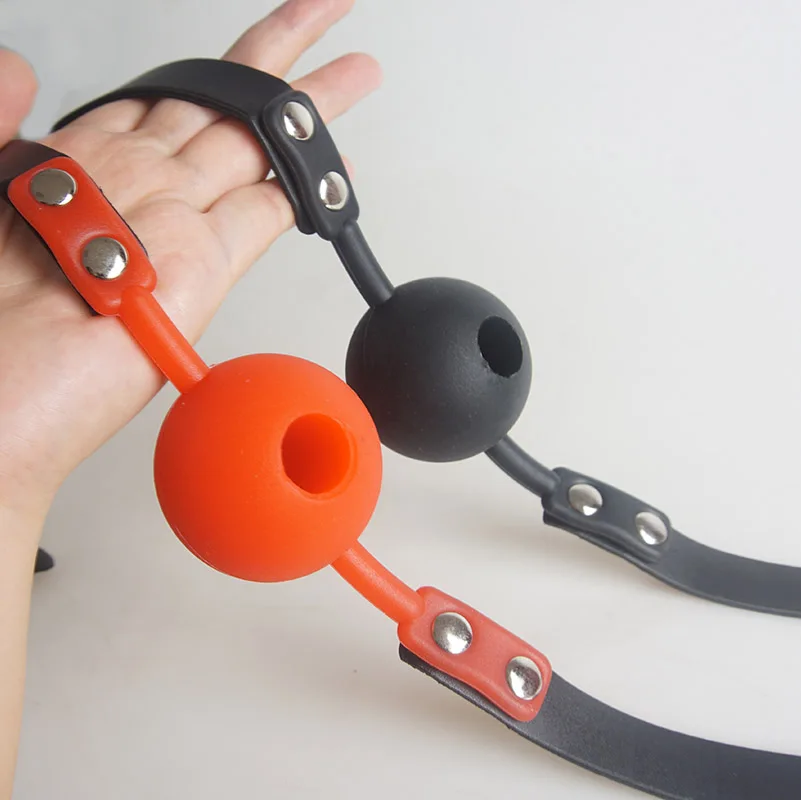
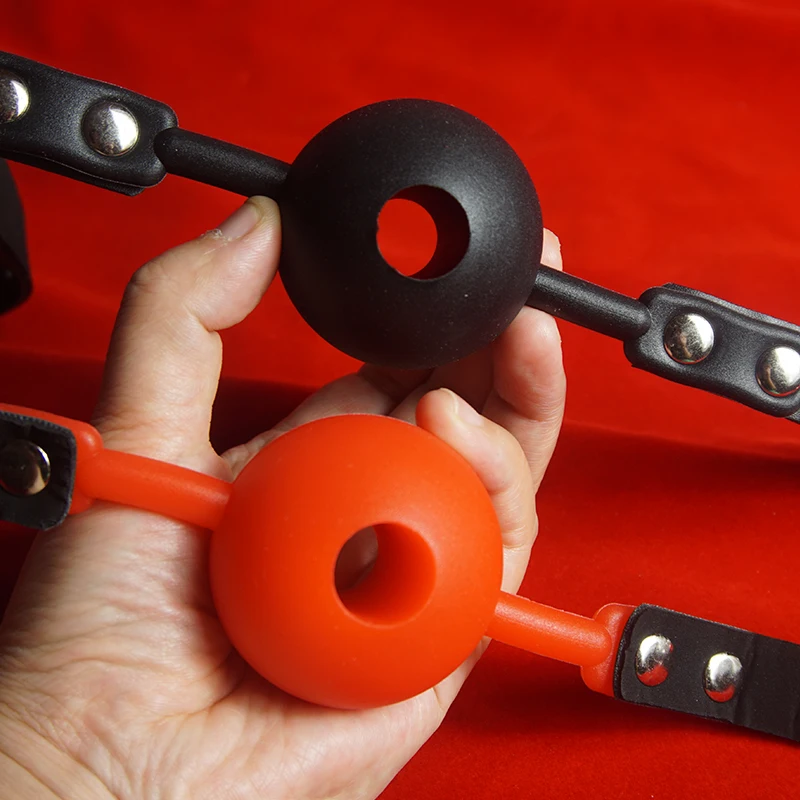
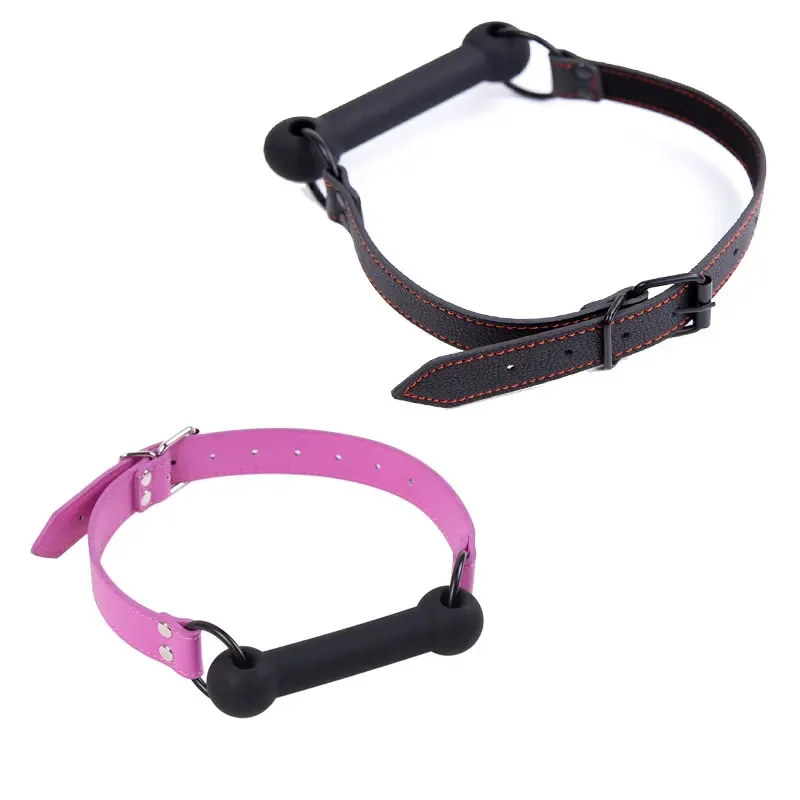
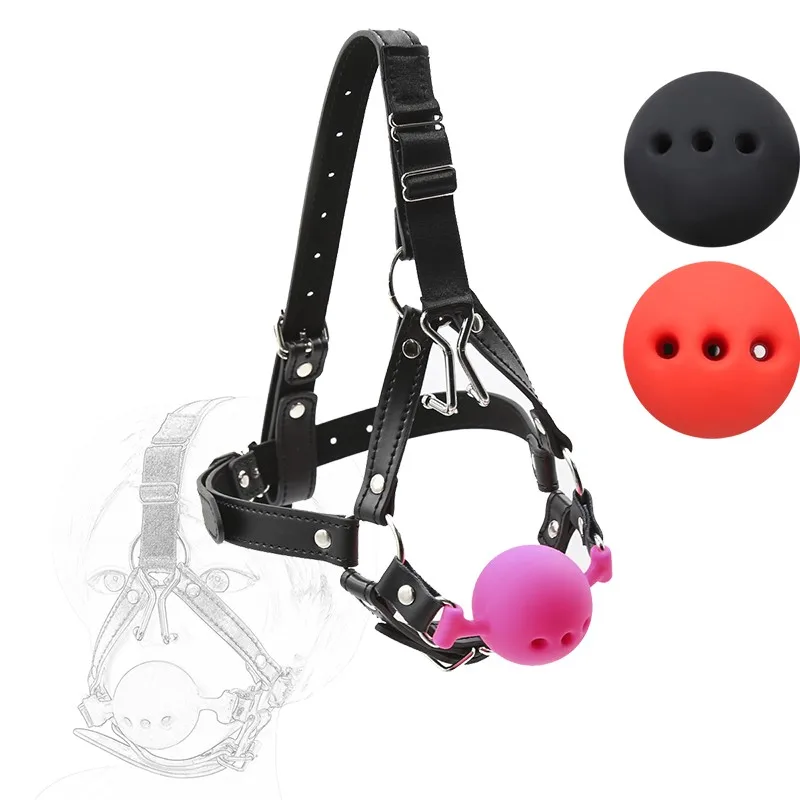
Recommended Products
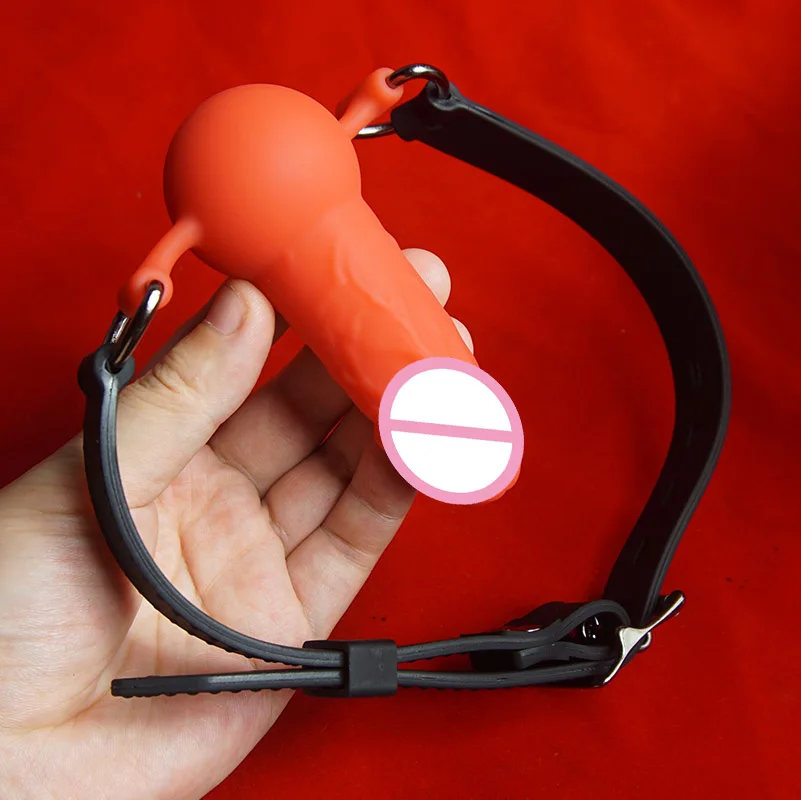
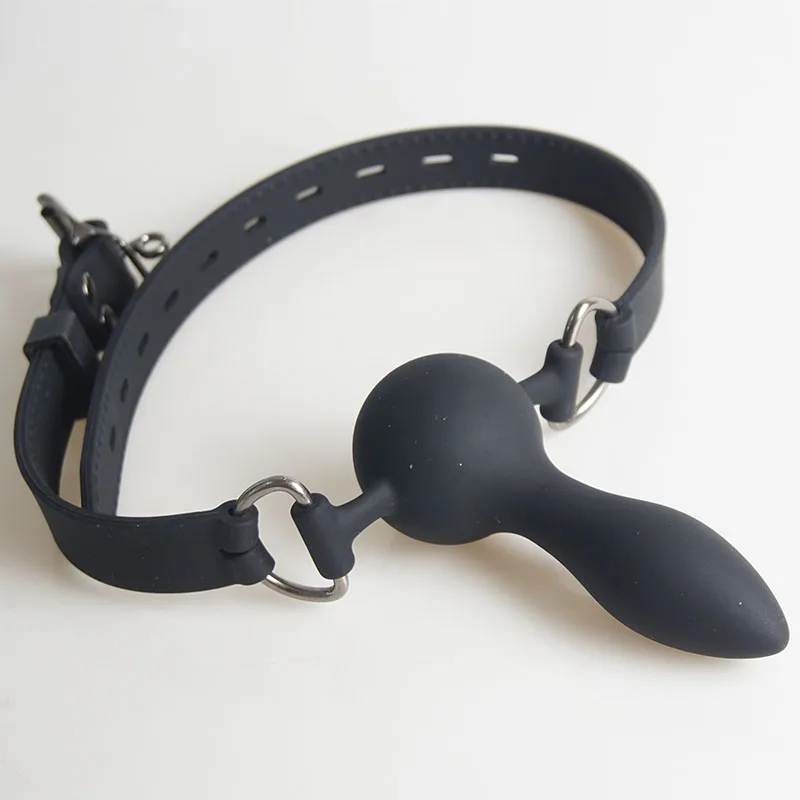
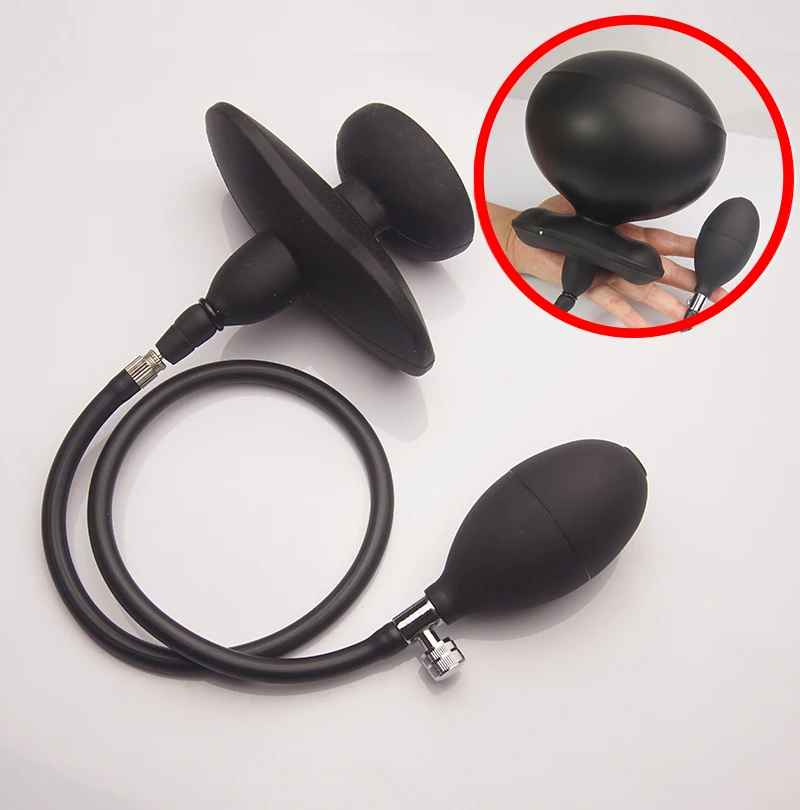

| Factor | What to look for |
|—|—|
| Material | Body-safe silicone (platinum-cured) or high-density soft PVC. Avoid hard plastic with visible seams that can cut soft tissue. |
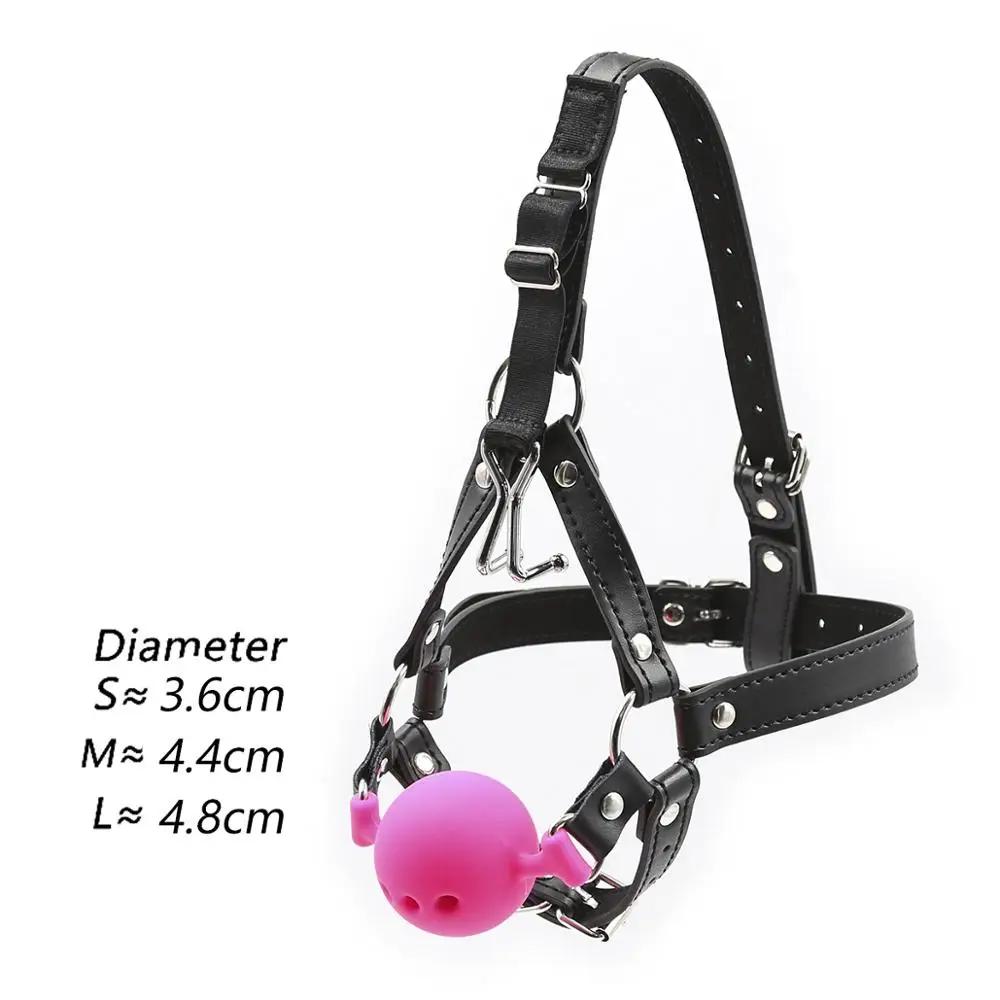
| Size | Ball diameter 4–6 cm for most adult jaws. If you have a narrower arch, start at 4 cm. |
| Closure | Velcro or toggle-buckle straps preferred over tied cord for first-timers. Breakaway buckle = non-negotiable for solo use. |
| Strap width | ≥ 2 cm to distribute pressure across the back of the head without cutting. |
| Cushioning | A thin foam or gel pad where the strap meets the skin prevents pressure marks. |
XNXXMALL lists material composition, inner diameter, and closure type on every product page, making side-by-side comparison straightforward.
Safety & Care
Treat your device the way a dentist would treat an orthodontic aligner—consistent hygiene, correct storage, and honest inspection.
- Always use a water-based lubricant with silicone products. Silicone-on-silicone friction increases micro-abrasions on the ball surface and can degrade the material over weeks. A thin layer of water-based lube at the jaw contact points reduces pressure hot-spots.
- Clean before and after with mild, fragrance-free soap and warm water. Run the ball under the stream, gently flex the straps, and dry on a clean towel. Avoid alcohol or bleach; they degrade silicone.
- Store in a breathable pouch. A cotton or unbleached-linen pouch prevents trapped moisture that breeds mold while allowing air circulation. Do not seal in plastic for more than a day.
- Inspect weekly. Look for hairline cracks in the ball, frayed Velcro, or a stretched buckle. Retire the device the moment any component fails.
- Respect age verification and local regulations. These products are sold to adults only. Confirm you meet the legal age requirement in your jurisdiction and that no minors can access the items. XNXXMALL enforces ID verification at checkout.
- Respiratory awareness. A mouth restraint removes the mouth from the airway. Confirm you can breathe comfortably through your nose for the full session length. If you have a deviated septum, nasal congestion, or anxiety-related shallow breathing, reduce session time or skip oral restriction entirely.
Top Recommendations
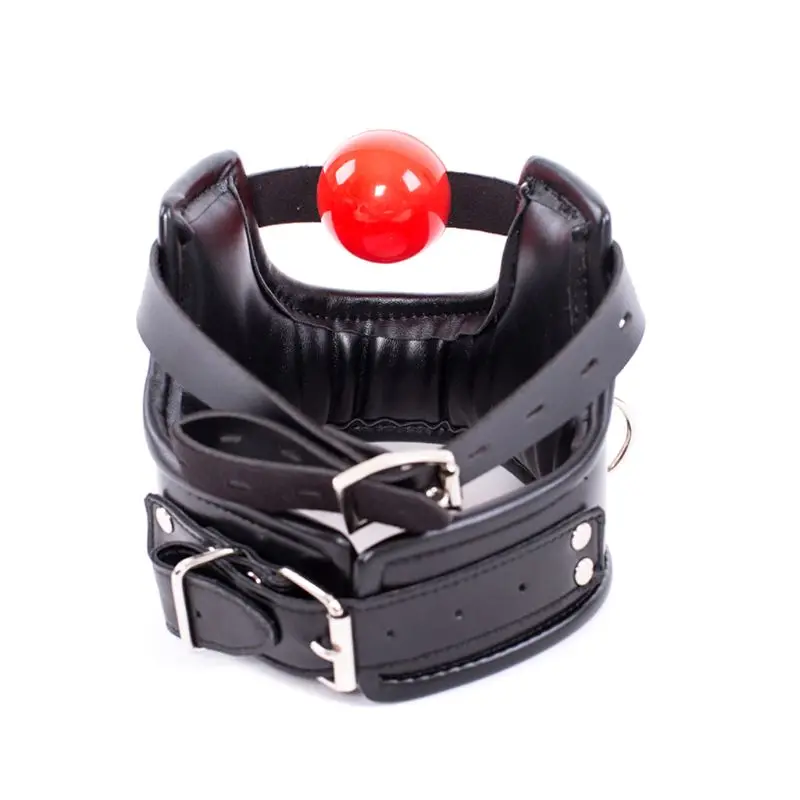
For a first purchase, a soft silicone ball gag with Velcro straps and a 5 cm ball offers the safest entry point: gentle pressure, easy release, and a material that tolerates regular washing. For experienced users who want longer sessions, a padded face-cuff system with adjustable tension spreads force across the forehead and occiput, reducing localized jaw strain. XNXXMALL’s “Beginner to Experienced” collection tags each item by recommended experience level, removing guesswork.
Expert Tips
1. Warm up first. Gentle facial massage and a few minutes of wide, relaxed jaw movements reduce the “cold start” stiffness that makes the first use feel harsher than it needs to be.
2. Hydrate beforehand. A dry mouth amplifies the sensation of the ball pressing against teeth and gums. A glass of water ten minutes prior makes the session noticeably more comfortable.
3. Start at 50 % tension. You can always tighten; you cannot un-tighten a nerve you’ve already irritated. Begin loose, hold for two minutes, then add a quarter-turn.
4. Keep a towel and scissors nearby. Even with breakaway buckles, a pair of safety scissors at arm’s reach handles the unlikely jam without panic.
5. Debrief in plain language. “My jaw felt tight at minute six” is more useful to your partner than “it was okay.” Specific feedback refines the next session.
Common Myths
- “Mouth restraints are just for ‘dominance’ scenes.” They function equally well in sensory-exploration, breathing-technique, or simply curiosity-driven sessions with no power dynamic.
- “If it doesn’t hurt, it’s not working.” Pain is the signal that the jaw or soft tissue is being overstressed. A correctly sized device delivers firm, even pressure without pain. Discomfort should be a red flag, not a goal.
- “You only need one size.” Different scenes, different body positions, and even different days of the week shift how the jaw sits. Keeping two sizes (e.g., 4 cm and 5.5 cm) covers most variations.
More Options on XNXXMALL

Frequently Asked Questions
: What should I do before my first session using ball gags & mouth restraints safety guide recommendations?
Run through the full checklist: measure jaw range of motion, confirm nasal breathing capacity, set a timer, agree on signal language, place scissors and a towel within reach, and have a glass of water ready. The guide above walks through each step in order.
: How do I know if a ball gag is the right size for my jaw?
Sitting comfortably, open your mouth to a natural, pain-free limit. The ball should fill the oral cavity while leaving roughly 1–2 mm of clearance on each side. If you must force your jaw wider to close around the ball, it is too large. XNXXMALL’s sizing chart on each product page maps head-circumference and jaw-span ranges to specific diameters.
: Can I use a mouth restraint if I have TMJ syndrome?
Consult your dentist or physiotherapist first. Many TMJ patients tolerate very light, short-duration restriction, but a standard 5 cm ball may exceed your safe range. A smaller 3.5 cm silicone ball or a padded face-cuff that bypasses the jaw entirely may be better options. Follow your clinician’s guidance.
: How often should I replace my device based on the ball gags & mouth restraints safety guide?
Inspect weekly; replace any component showing cracks, delamination, or weakened Velcro. Under regular use, a quality silicone ball gag lasts 12–18 months. The materials table on XNXXMALL product pages lists expected lifespan per care frequency.
: Is it safe to use a mouth restraint during sleep or extended periods?
No. Prolonged restriction (beyond roughly 20 minutes) increases the risk of jaw fatigue, airway compromise, and reduced salivary flow. These devices are session-based tools, not sleep accessories. Always set a timer and never fall asleep with the device in place.
Final Thoughts
A mouth restraint, used with intention and informed by basic anatomy, is a modest and manageable addition to an intimate wellness routine. The safety work lives in the before—measuring, talking, testing release speed, agreeing on signals—and the after—rinsing, storing, inspecting. The product itself is secondary to those habits.
If you are ready to explore, browse the full collection at XNXXMALL, where every ball gag and face-cuff listing includes material specs, care instructions, and experience-level tags. For a broader perspective on sexual wellness and healthy-lifestyle habits, the Mayo Clinic’s resource on [sexual health](https://www.mayoclinic.org/healthy-lifestyle/sexual-health) offers physician-reviewed context that pairs well with the product-specific guidance above.
Take your time, keep the conversation open, and let comfort—not maximum pressure—be your benchmark. Your jaw, your breath, and your peace of mind are the only metrics that matter.
 No products in the cart.