
Ball Gags & Mouth Restraints for Beginners: An Honest Buying Guide
If you have been researching power exchange play and keep landing on the same piece of hardware, it is usually this one: a small, wearable device that quiets the mouth and shifts attention somewhere else entirely. Ball gags and mouth restraints are among the most recognizable items in bondage, and also among the most misunderstood. They are not a novelty purchase; they are a safety-critical one, because they sit on an airway.
That is exactly why the buying decisions matter more here than in most categories. A poorly chosen gag is uncomfortable, unhygienic, and in the worst case genuinely risky. A well-chosen one is a clean, reversible way to introduce silence, surrender, and focus into an intimate scene.
This guide is written for the first or second purchase. It is a shopping-decision deep-dive, not a general introduction: what to compare, what the materials actually do differently, what real buyers wish they had known, and what is worth your money at each budget level. Everything assumes consenting adults, negotiated limits, and the ability to stop instantly.
What Makes a Good One: 5 Buying Factors
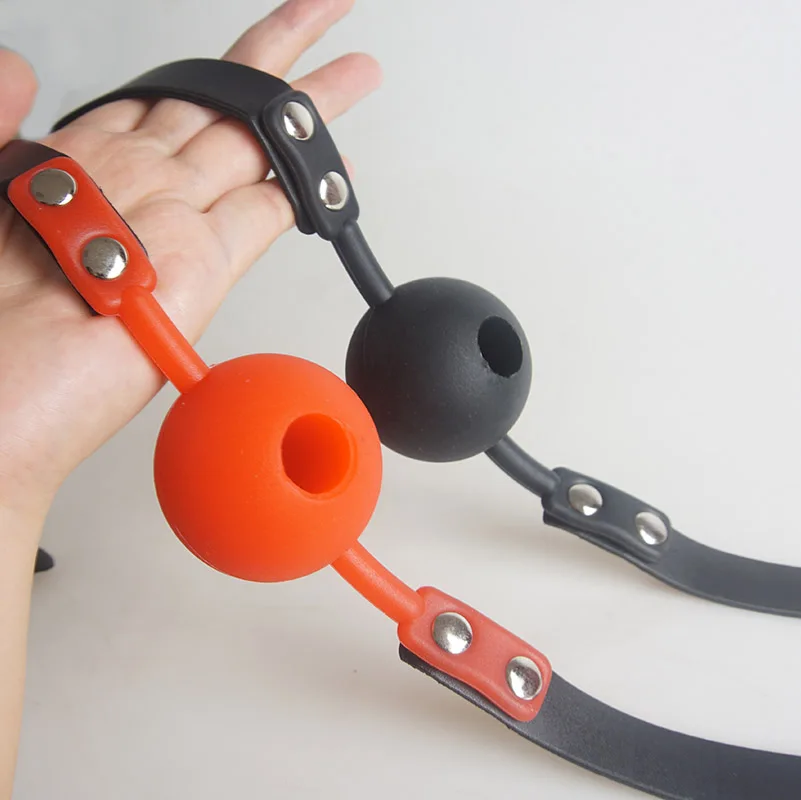
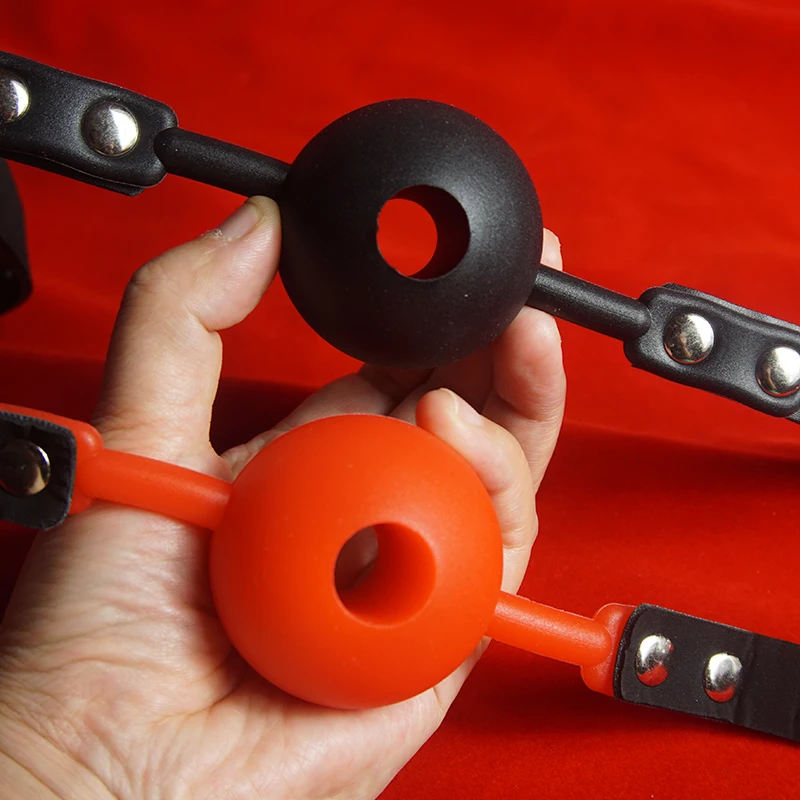
1. Breathing clearance. The single non-negotiable factor. A beginner’s gag must leave a clear path for nasal breathing and should never press the tongue so far back that the throat is obstructed. Hollow-center designs, where the ball has an open tube through it, are meaningfully safer than solid spheres for anyone new to this.
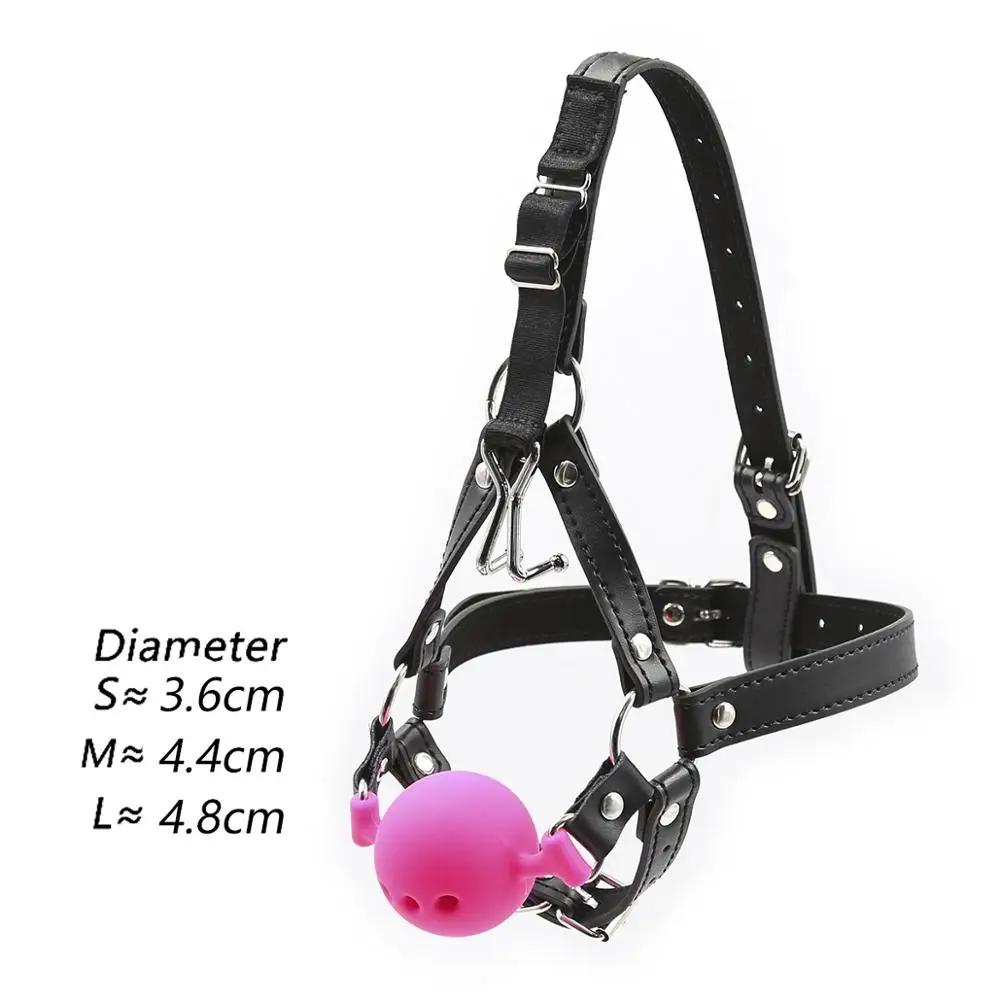
2. Diameter, not “size up.” Most first-time regret comes from buying too large. A 40–45mm ball is a sane starting range for the average adult mouth. A 55mm sphere may look like commitment on a product photo; in practice it is jaw-cramping and often unusable. Measure your own comfortable open-mouth width before ordering.
3. Flare or strap geometry. The part outside the mouth has to hold without crushing lips. A wide, soft-edged O-ring distributes pressure. A thin cord cuts. Neoprene-backed straps are far kinder to facial hair and sensitive skin than bare webbing.
4. Wear time tolerance. Realistically, most beginners manage 10–25 minutes before the jaw aches and swallowing gets tedious. Whatever you buy should be easy to remove with one hand, or with a quick-release. If removal requires fiddling with a buckle while you cannot speak, that is a design flaw, not a feature.
5. Cleanability. Saliva, silicone, and porous materials do not mix well. Seamless, non-porous, one-piece construction can be washed and dried properly. Seams, foam edges, and fabric straps trap moisture.
Materials & Build Compared
Silicone. The default recommendation for beginners, and the best all-around material. Medical-grade silicone is body-safe, non-porous, hypoallergenic, flexible without being floppy, and easy to sterilize. It has a slight “grip” that keeps it seated. Downside: it attracts lint and dust if stored bare, and cheap silicone can have a chemical smell that needs washing out. Price range is wide, which is where buyers get burned.
Rubber and latex. Inexpensive, elastic, and widely available. Honest downsides: latex is a genuine allergen risk, rubber oxidizes and gets sticky over time, and low-cost rubber often contains plasticizer odors. Choose this only if you know your latex tolerance and plan to replace it regularly.
Hard plastic or acrylic. Very easy to clean, structurally rigid, and often the cheapest with a hollow breathing core. The tradeoff is zero forgiveness: no give against teeth, and a harder learning curve on jaw comfort. Practical for shared use and strict hygiene, less cozy for long wear.
Metal (stainless steel). Heavy, temperature-sensitive, and completely unyielding. Stainless is easy to sanitize and can feel pleasant when warmed, but metal is not a beginner material. It also carries higher risk against dental work. Consider it only after you know your comfortable diameter.
Strap materials. Neoprene-lined webbing is the kindest to skin and beards. Nylon webbing is durable but grabs hair. Leather looks premium and needs conditioning; it is not your friend in a wet scene. Plastic side-release buckles beat metal buckles for beginners purely on speed of removal.
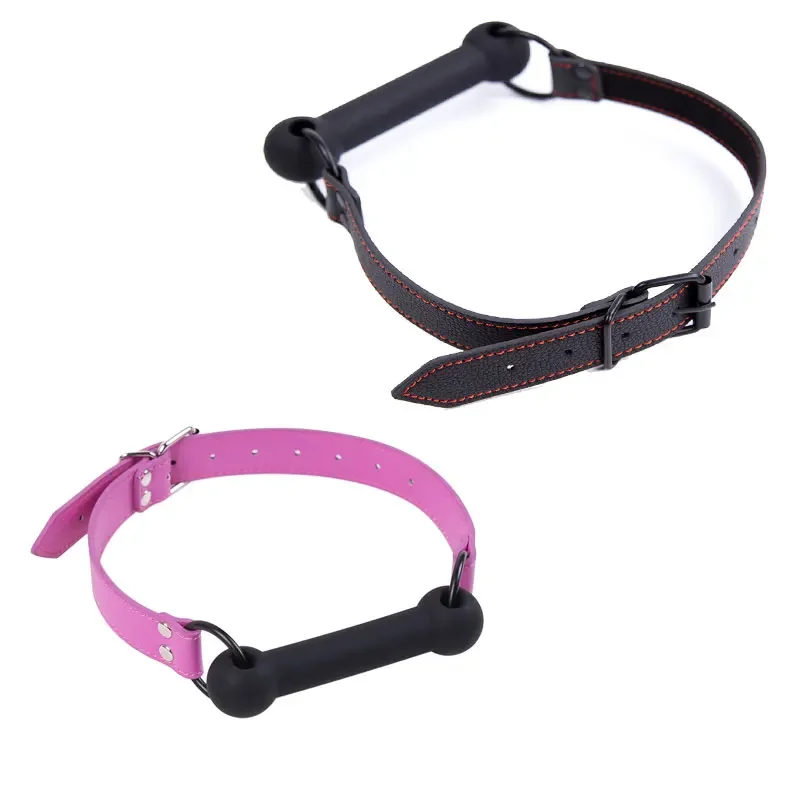
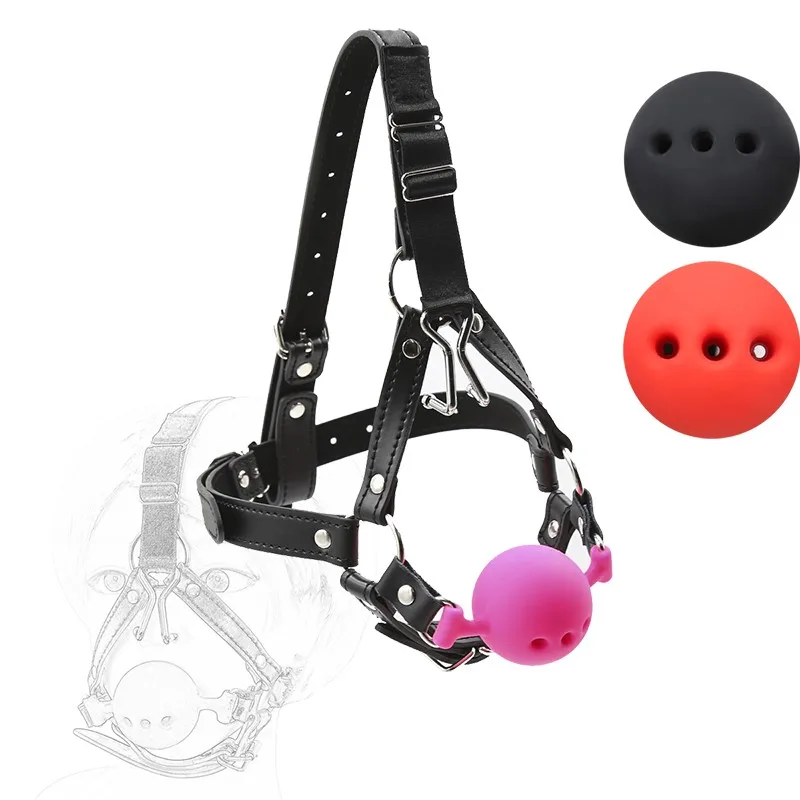
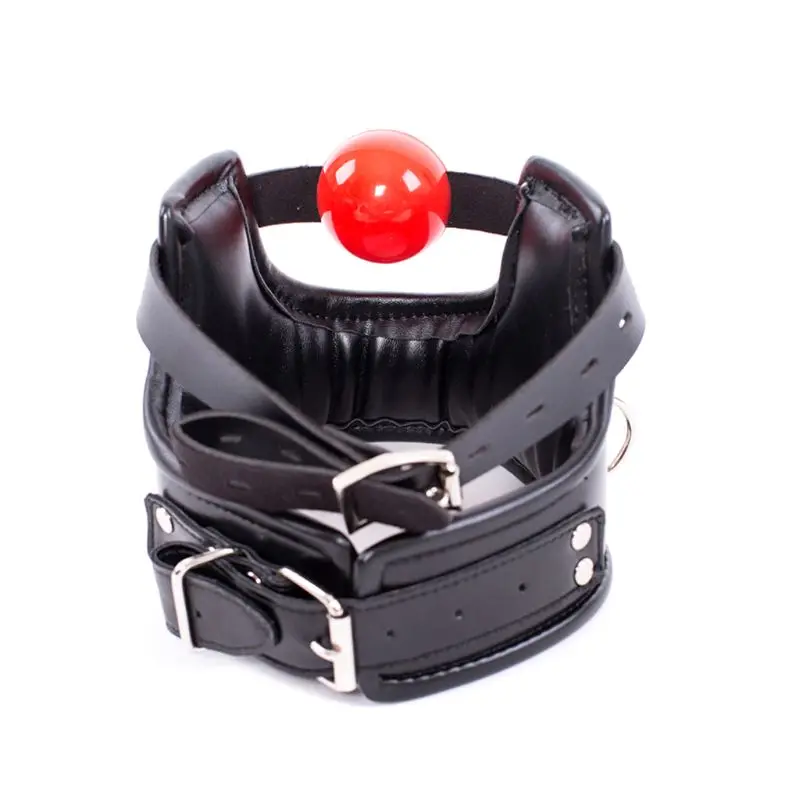
Gag style comparison. A classic O-ring ball gag is adjustable and versatile. A bit-type gag (flat bar instead of ball) changes pressure distribution and is easier on the jaw but offers less of the sensation people expect. An open-mouth gag is more restrictive and should be approached with caution. A simple fabric or mesh “silence” gag is gentler but often less secure. For a first purchase, an adjustable O-ring with a hollow silicone ball is the consensus safe pick.
Real Users, Real Stories
A buyer we will call “R” ordered a mid-range silicone gag after about six hours of reading, mostly because the price seemed reasonable at $22 and the ball looked appropriately sized in the photos. It arrived, and the first attempt lasted four minutes. The diameter was listed as “one size,” and it turned out to be about 50mm — enough that R’s jaw ached for the rest of the evening and the nasal breathing felt restricted in a way that made both partners immediately nervous.
What they changed: they ordered two sizes instead of guessing, picked a hollow-core design, and added a set of safety shears to the bedside drawer. The second attempt, a week later, ran about twenty minutes and ended because they chose to end it, not because the body complained. R’s summary was blunt: “I spent money twice because I was too embarrassed to measure the first time.”
The lesson generalizes. Beginners consistently under-buy on fit and over-buy on aesthetics. Also worth noting: R mentioned that browsing on XNXXMALL helped because the size chart was attached to the product rather than buried in a separate tab. Small merchandising detail, decisive outcome.
Myth vs Fact
Myth 1: “A gag means you cannot communicate, so it is inherently dangerous.”
Fact: Communication does not require speech. Established practice uses a pre-negotiated nonverbal signal — dropping a held object, two taps on the partner’s leg, a foot tap — plus a video-monitoring approach where the scene simply stops if the signal appears. What makes a gag dangerous is not silence, it is the absence of an agreed signal and an unpracticed one-hand removal. Solve those two things and the risk profile changes completely.
Myth 2: “Bigger means more committed / more effective.”
Fact: Larger diameters increase the risk of jaw strain, temporomandibular discomfort, gum and tooth pressure, and impaired swallowing — and they do not improve the experience. Comfort is what allows the mind to relax into restraint. A correctly sized smaller ball produces a calmer, longer, more focused scene than an oversized one that has your partner thinking about their jaw instead of the moment.
A third, quieter correction: gags are never used on someone who is asleep, heavily intoxicated, or unattended, and never with anything that adds throat pressure such as a combined neck restriction. That combination is where documented harm actually occurs.
A Typical First-Time Conversation
“Can I ask something awkward?”
“You can ask.”
“I want to try the gag. Not the extreme one. The basic silicone one.”
“Okay. My first question is what happens if you don’t like it — how do you tell me?”
“We pick a signal. I hold the remote in my hand, I drop it, everything stops. And you can just take it off, right?”
“Yes, the buckle is one-handed. I’ll test it once before, so I’m not figuring it out later.”
“Good. Also, can we do it short the first time? Ten minutes, then we check in?”
“Ten minutes. And if your jaw hurts, say so with the signal, no performance required.”
“And we clean it before and after? I read that matters more than people think.”
“Before and after. Water-based lube on the ball, mild soap afterward, dry it fully, back in the pouch.”
That conversation is the actual safety equipment. The device is secondary.
How to Choose
Recommended Products
Recommended Products
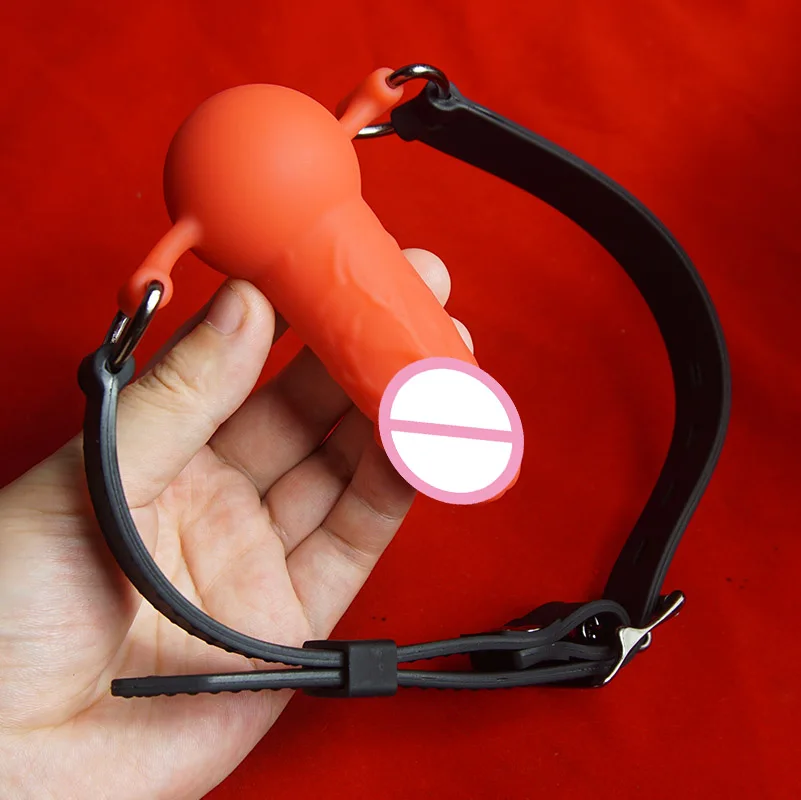
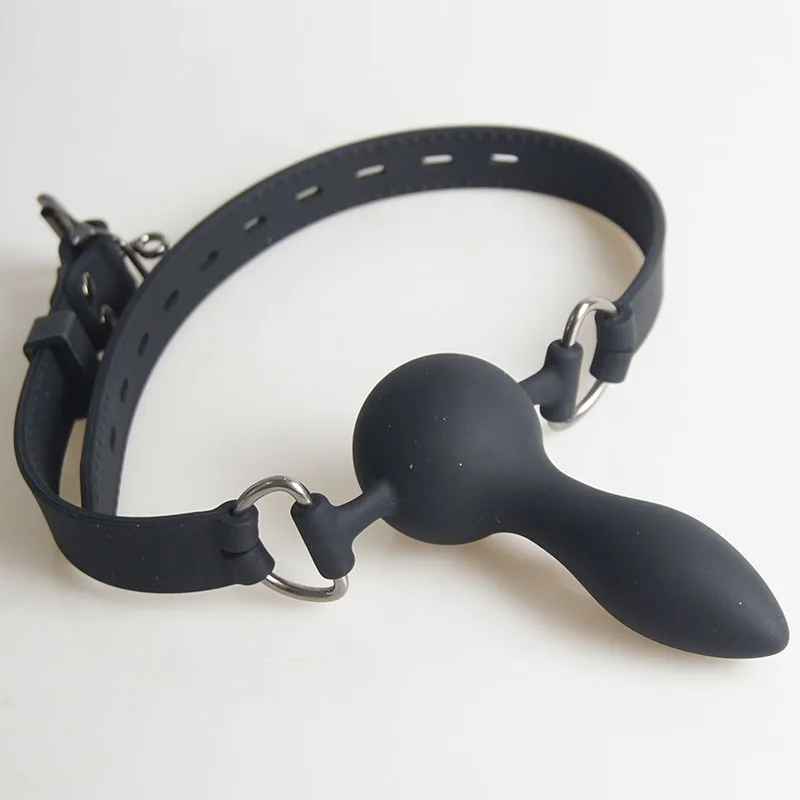
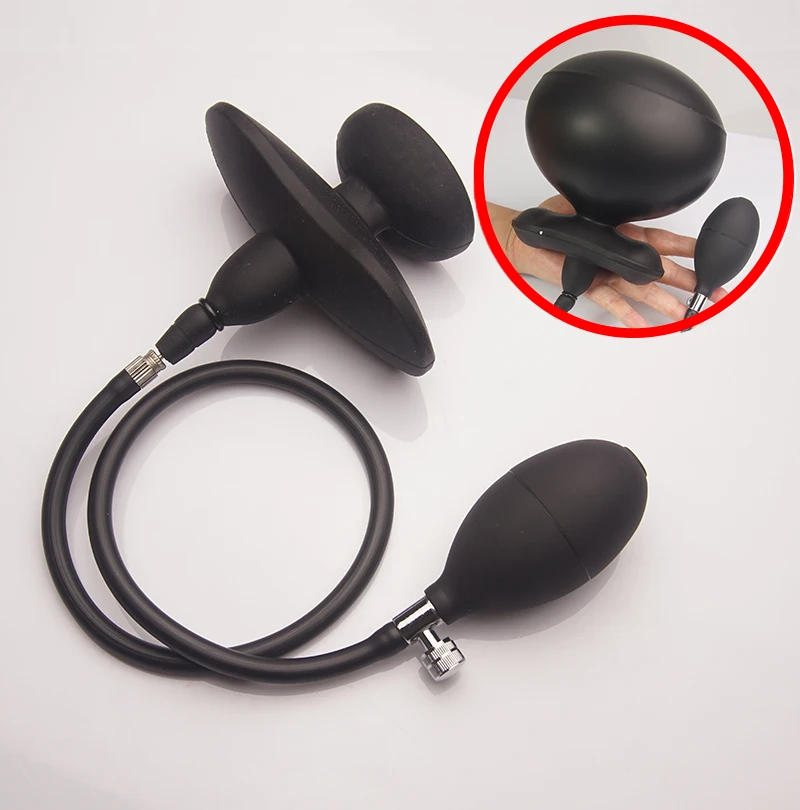

- First purchase: adjustable O-ring, hollow silicone ball, 40–45mm, neoprene-lined strap, side-release buckle.
- Second purchase, after you know your size: consider a bit-type for jaw relief, or a solid silicone ball at your proven diameter.
- Shared use or hygiene priority: rigid plastic with a hollow core, or two balls on one strap so each wears their own.
- Facial hair or sensitive skin: neoprene backing, avoid bare webbing and leather.
- Latex allergy in the household: silicone only, confirm “latex-free” in the spec sheet, not just the title.
- Skip for now: metal, open-mouth designs, anything requiring two hands or a key to remove.
Order at least two sizes when a retailer allows easy returns. This is the highest-leverage move available to a first-time buyer.
Safety & Care
Always use a water-based lubricant with silicone products, clean before and after with mild soap and warm water, store in a breathable pouch, and respect age verification and local regulations.
Beyond that, the operating rules are short and worth memorizing:
- Never use with a full or heavy meal, and never with anything impairing judgment — alcohol included.
- Never leave a gagged partner alone, unattended, asleep, or out of direct line of sight.
- Keep safety shears within arm’s reach if any strap could conceivably tangle or fail to unbuckle.
- Stop for jaw pain, numbness, dizziness, drooling beyond normal, or any breathing change. Nasal breathing should feel effortless the entire time.
- Check teeth, fillings, and braces before tightening; hard materials and dental work do not cooperate.
- Inspect silicone regularly for tackiness, cracking, or a changed smell — that means it is time to retire it.
- Dry completely before storage. Trapped moisture is how the cheapest-looking item becomes the most expensive one.
For a broader, medically grounded view of sexual health communication and consent, the guidance published at the Mayo Clinic sexual health resource is a genuinely useful reference: https://www.mayoclinic.org/healthy-lifestyle/sexual-health
Top Recommendations
Rather than a single “best,” here are the four archetypes that cover almost every beginner decision, at typical price tiers.
Under $20 — Adjustable hollow silicone O-ring gag. The correct first item. Easy to clean, one-hand release, forgiving. Expect generic packaging and a brief initial odor that washes off. This tier is where most beginners should start and it is not a compromise; it is the smart choice.
$25–$45 — Dual-size or size-graded silicone set. Two diameters on one strap system, or a kit sold in explicitly measured sizes. Slightly better silicone, better buckle, and it solves the guessing problem in a single order. Best value for anyone who would otherwise buy twice.
$45–$80 — Designed-bit or premium-mold systems. Better-machined tolerances, neoprene-backed straps, considered ergonomics, often a bit-type bar option. Buy here if fit is already known and you want long-term comfort over repeated wear.
$80+ — Steel, custom-molded, or luxury-strap pieces. Beautiful, durable, and specific. Also unforgiving. This tier rewards buyers who already know their diameter and their tolerance, and it punishes impulse purchases.
Where to buy matters as much as what: a retailer that publishes measured diameters in millimeters, lists actual material grades, enforces age verification, and accepts returns on unopened items. That is the standard we hold ourselves to at XNXXMALL, and it is the standard you should hold any store to.
Worth It or Not?
Under $20: Yes, if you are testing interest. Buy the hollow-core version, not the decorative one. Treat it as a consumable — you may replace it within a year, and that is fine.
$25–$45: The best spend in the category. A size-graded silicone set converts a guessing purchase into an informed one, and it is the item most likely to still be in regular use two years later.
$45–$80: Worth it only after at least a handful of successful scenes. Comfort gains are real but incremental; you are buying refinement, not capability.
$80+: Not for beginners. Honest answer. A steel piece at this price will most often end up unworn because the buyer never established their comfortable diameter.
Verdict: the correct beginner investment is roughly $30–$40 in a well-specified silicone set, plus ten minutes of measuring. Everything cheaper risks a second purchase; everything dearer risks a shelf ornament.
More Options on XNXXMALL

Frequently Asked Questions
: What size of ball gags & mouth restraints for beginners should I actually order?
A: Start with a hollow-center ball in the 40–45mm range and an adjustable strap. Measure your comfortable open-mouth diameter first and buy two sizes if the retailer permits easy returns. Sizing, not material, causes most first-time dissatisfaction with ball gags & mouth restraints for beginners.
: Are ball gags & mouth restraints for beginners safe to use?
A: They are when three rules hold: nasal breathing stays effortless, removal is possible with one hand, and a nonverbal stop signal is agreed in advance. Never use ball gags & mouth restraints for beginners on a sleeping, intoxicated, or unattended partner, and never combine them with neck restriction.
: How long can a gag realistically be worn?
A: Plan for 10–25 minutes on early scenes. Jaw fatigue and the effort of continuous swallowing, not the device, set the limit. Ending on your own terms at fifteen minutes is a successful scene, not a failed one.
: What is the difference between ball gags & mouth restraints for beginners and a bit-type design?
A: A ball concentrates pressure at the front of the mouth and produces the classic “held” sensation; a flat bit spreads pressure differently and tends to be easier on the temporomandibular joint. Both belong to ball gags & mouth restraints for beginners, and many buyers prefer the bit after their first session.
: Can silicone ball gags & mouth restraints for beginners be shared with a partner?
A: Sharing is possible only with non-porous materials and proper sanitation between users — mild soap and warm water, full air-drying, or a boil-safe silicone where the manufacturer confirms it. Better still: one strap, two individually labeled balls, so nobody shares an oral-contact item.
Final Thoughts
The most useful thing to say about ball gags & mouth restraints for beginners is that this is a fitting purchase wearing the costume of an impulse purchase. Diameter, breathing clearance, and one-hand removal decide whether the item gets used or quietly resented. Measure, buy two sizes, insist on hollow-core silicone, negotiate a nonverbal signal out loud before the device ever comes out of its pouch, and clean it properly every single time.
Do that and the object stops being intimidating and starts being what it actually is — a small, honest tool for trust.
Browse measured, body-safe ball gags & mouth restraints for beginners at XNXXMALL, with millimeter-accurate sizing, material grades stated plainly, returns that respect the awkwardness of guessing, and age verification enforced. And for the conversation piece that matters more than the purchase, read the Mayo Clinic’s guidance on sexual health and communication: https://www.mayoclinic.org/healthy-lifestyle/sexual-health
 No products in the cart.