
How to Tell If a Dildo Is Fake Silicone or Jelly Material: A Complete Guide
The short answer: genuine medical-grade silicone feels firm yet yielding, holds its shape without warping, carries no chemical odor, and passes a simple squeeze-and-recovery test, while jelly (PVC) products are softer, tackier, emit a faint plastic smell, and may contain phthalate plasticizers.
Quick Answers
- How to tell if a dildo is fake silicone or jelly material by touch? Press your thumb into the surface for five seconds. Real silicone springs back to its original shape within one or two seconds; jelly material stays dented or slowly creeps back.
- Can you tell by smell? Authentic silicone has virtually no odor. Jelly or PVC-based items often carry a light chemical or “plastic” smell, especially when first unboxed.
- Does the price matter? Yes. Genuine silicone products typically cost 2–4× more than jelly equivalents of the same size because the raw material is more expensive.
- Is “silicone” on the label enough to trust? No. Some low-cost products are stamped “silicone-blend” or simply “soft plastic.” Look for the phrase “platinum-cured” or “medical-grade” and verify the retailer’s material certification page.
- Where can you buy verified silicone? Reputable specialty retailers such as XNXXMALL list material composition, origin, and batch information on every product page, reducing the risk of receiving a mislabeled item.
Who Is This For?
This guide is written for:
- First-time buyers navigating the toy aisle (physical or online) for the first time and unsure which material is actually safe for skin contact.
- Couples who want a shared intimacy tool and want to confirm what they purchased is non-porous, body-safe, and long-lasting.
- Anyone who bought a product labeled “silicone” but noticed a sticky surface, a strange smell, or rapid softening, and is now trying to confirm whether they received a genuine silicone item or a jelly/PVC lookalike.
- Health-conscious consumers who want to avoid phthalates and porous plastics that trap bacteria.
If you fall into any of these groups, the sections below will help you verify what you hold in your hands and make a confident decision for your next purchase.
Real Users, Real Stories
Case: Anonymous first-time buyer, age 29, purchased online
> “I ordered a 7-inch ‘silicone’ dildo from a marketplace seller for about $12. When it arrived, it was noticeably sticky, smelled like a new car interior, and the packaging said ‘premium silicone’ with no batch number. I ran the squeeze test from an online guide, and the indentation stayed for nearly ten seconds. I realized I’d been sold a jelly product. I returned it, and after researching, I re-ordered from XNXXMALL. The second product came with a material certification slip, felt firm and cool to the touch, had zero odor, and the packaging clearly stated ‘platinum-cured, non-porous silicone, phthalate-free.’ That contrast taught me the difference better than any ad could.”
This buyer’s experience mirrors a very common pattern: the first, cheaper item feels “close enough,” but the sensory details betray it within minutes. The second, verified purchase removes the anxiety entirely.
Myth vs Fact
Myth 1: “If it says silicone on the box, it must be silicone.”
Fact: Labeling regulations in many regions allow broad terms like “soft silicone” or “silicone-like material.” A genuine product will specify platinum-cured, platinum-catalyzed, or medical-grade silicone, and the manufacturer will be traceable. Jelly and PVC products are sometimes stamped “silicone” loosely because the two look similar in photos. Always cross-check the material description on the retailer’s product page against the packaging insert.
Myth 2: “Jelly material is just ‘lower quality’ but still safe for occasional use.”
Fact: Many jelly/PVC toys contain phthalate plasticizers to achieve their soft, tacky feel. Phthalates are endocrine-disrupting chemicals that can migrate into skin over repeated contact. Non-porous silicone is chemically inert, hypoallergenic, and far easier to sanitize. For anything used with mucous membranes, silicone is the materially safer choice, not a luxury upgrade.
A Typical First-Time Conversation
Setting: A couple, Sam and Riley, standing in a well-lit retail store browsing the intimate-wellness section.
Riley: “Okay, so which one is the real silicone? They all look the same in the catalog.”
Sam: “Let me show you. Hold this one and press your thumbnail in for about three seconds.” (Hands over a product.) “Now let go.”
Riley: “…It’s still dented a little.”
Sam: “That’s the jelly one. Now this.” (Hands over a second item.) “Press it.”
Riley: “Whoa, it bounced right back. And it doesn’t have that sticky feeling on my finger.”
Sam: “Exactly. Real silicone is non-porous, so it doesn’t pick up residue. And no chemical smell. This is the one we want.”
Riley: “How do we know the store isn’t just labeling everything ‘silicone’?”
Sam: “That’s why I cross-checked the brand on XNXXMALL’s site before we came in. The listing says platinum-cured, non-porous, and there’s a QR code on the box for batch verification. One extra check, no guesswork.”
How to Choose: A Step-by-Step Verification Checklist
Recommended Products


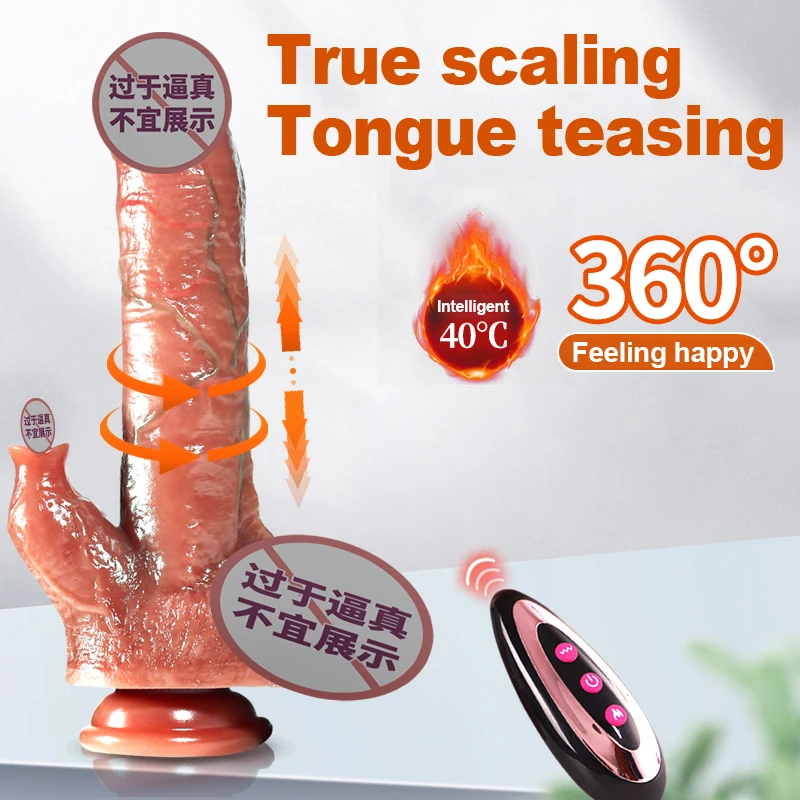
Recommended Products
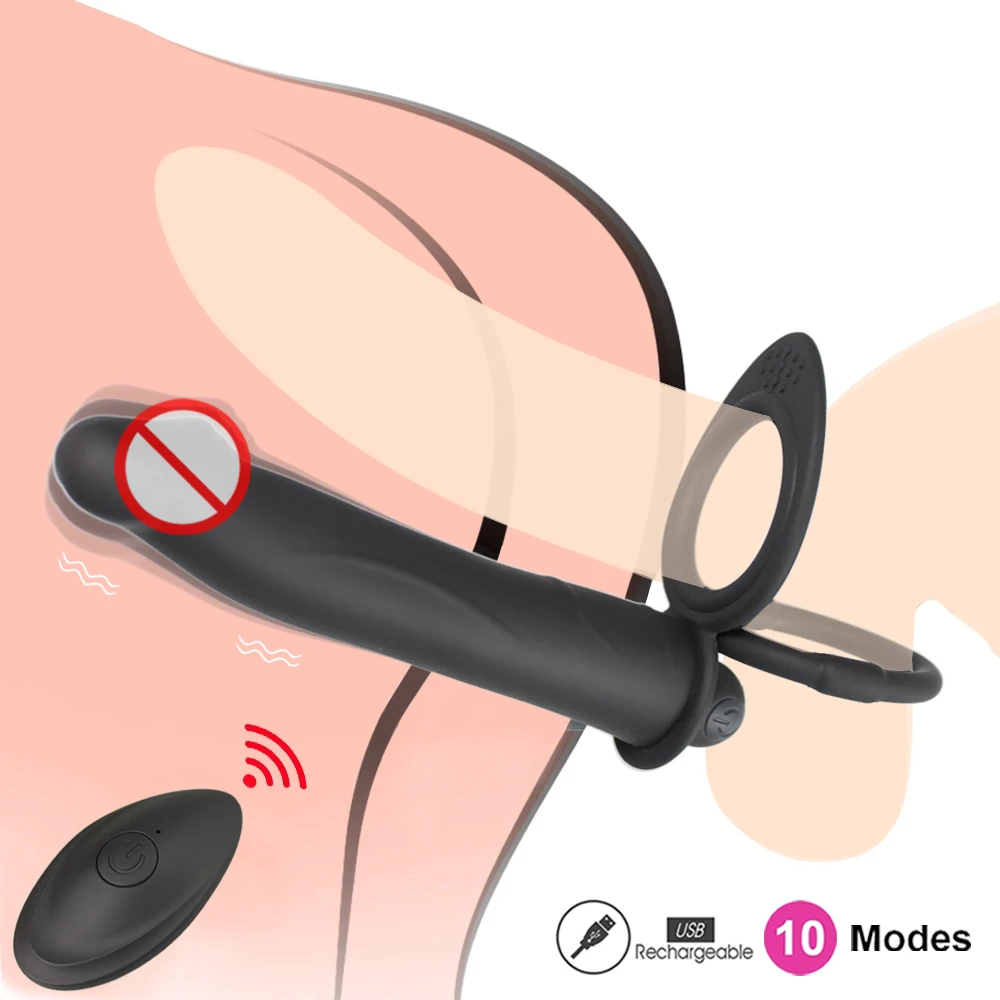


When you are evaluating a product in hand or reviewing a listing, run through these steps:
1. Visual inspection. Genuine silicone has a uniform, matte-to-soft-sheen finish. Jelly material often looks slightly glossy, translucent, or uneven.
2. Press test. Press firmly with your thumbnail for 3–5 seconds. Silicone recovers instantly (1–2 s). Jelly lags, creeps, or holds the dent.
3. Surface feel. Silicone should feel smooth and dry, not tacky or greasy. If your finger leaves a residue film, that’s a red flag for PVC.
4. Odor check. Hold it near your nose for two seconds. Medical-grade silicone is essentially odorless. A plastic, chemical, or “new car” smell indicates jelly or low-grade PVC.
5. Heat test (at home, gently). Warm a small area with your palm for a minute. Real silicone stays cool and stable. Jelly softens noticeably and may become tackier with body heat.
6. Label and certification. Look for “platinum-cured silicone,” “non-porous,” “phthalate-free,” and a traceable manufacturer or batch number. Retailers like XNXXMALL print these details on every product page and include a certification insert in the box.
7. Price sanity check. A 6–8-inch solid silicone dildo from a reputable brand typically ranges from $35–$80. Anything under $15 that claims “silicone” deserves extra scrutiny.
Safety & Care
Proper material identification is only half the equation. Once you confirm you have genuine silicone, follow these care rules:
- Lubricant: Always use a water-based lubricant with silicone products. Silicone-based lubes degrade the surface of silicone toys over time, making them tacky and compromising their non-porous integrity.
- Cleaning: Clean before first use and after every session with mild, fragrance-free soap and warm water. Dry completely with a clean cloth or air-dry upright.
- Storage: Keep the toy in a breathable pouch (cotton or unbleached muslin) away from direct sunlight and other toys to prevent material migration or surface scratches.
- Inspection: Before each use, check for cracks, tears, or surface changes. Discontinue use if the integrity is compromised.
- Age verification & local regulations: Ensure you are of legal age in your jurisdiction and that the purchase complies with local sales regulations. Reputable retailers, including XNXXMALL, implement age-gate verification at checkout.
Top Recommendations (Material-Verified)
When you are ready to purchase, look for these markers in the product listing:
- Platinum-cured, non-porous silicone with a clear batch number.
- Firm-to-soft density options so you can match your comfort level.
- Seamless, mold-free construction to minimize bacteria harboring.
- Phthalate-free certification from a third-party lab.
- Retailers that provide material test reports on request, such as XNXXMALL, which lists composition, origin, and a customer-verification QR code for every silicone item in its catalog.
Common Mistakes & How to Avoid Them
| Mistake | Why It Happens | How to Avoid |
|—|—|—|
| Buying the cheapest “silicone” on a marketplace | Ad copy says “silicone” but the material is PVC blend | Check for batch numbers, third-party lab reports, and retailer certification pages before paying |
| Using silicone lube on a silicone toy | Both materials bond and degrade the surface | Keep a water-based lube bottle next to your toy; never mix the two |
| Storing toys in sealed plastic bags | Traps moisture, promotes bacterial growth | Use a breathable cotton pouch; allow the surface to fully air-dry |
| Skipping the press test at unboxing | The product “looks” right, so you assume it is | Spend 10 seconds running the five-point checklist above before first use |
| Ignoring the smell | You think it’s “new-packaging” odor | If the chemical smell persists after 30 minutes of air, it is the material, not the packaging—return the item |
More Options on XNXXMALL


Frequently Asked Questions
: How to tell if a dildo is fake silicone or jelly material without any tools?
Press your thumbnail into the surface for three to five seconds, release, and time the recovery. Genuine silicone springs back in under two seconds; jelly or PVC holds the dent or creeps back slowly. Combine this with a surface-feel check (dry vs. tacky) and an odor sniff to confirm.
: How to tell if a dildo is fake silicone or jelly material by looking at the label?
Look for the words “platinum-cured” or “platinum-catalyzed” silicone, “non-porous,” and “phthalate-free.” If the label only says “soft silicone,” “silicone blend,” or “silicone-like,” it may be a PVC jelly product. A traceable manufacturer name and batch number add credibility.
: How to tell if a dildo is fake silicone or jelly material using a heat test at home?
Warm a small area of the toy with your palm for about a minute. Real silicone remains cool, stable, and unchanged in texture. Jelly material softens, becomes noticeably tackier, and may feel “mushy” with body heat. Perform the test in a well-ventilated area and wash your hands afterward.
: How to tell if a dildo is fake silicone or jelly material if both look identical in photos?
Rely on tactile and olfactory cues that photos cannot convey: the instant-recovery press test, the dry-versus-tacky surface feel, and the presence or absence of a chemical smell. If you are buying online, choose a retailer that provides a material certificate or video verification, such as XNXXMALL’s batch-traceable product pages.
: How to tell if a dildo is fake silicone or jelly material if the seller disputes it?
Request a material test report or batch documentation from the seller. If the item is a jelly product mislabeled as silicone, most reputable retailers will accept a return. Document the press-test result, photos of the label, and the odor description before filing a claim. For future purchases, buy from retailers that publish material compositions openly.
Final Thoughts
Knowing how to tell if a dildo is fake silicone or jelly material is not just a shopping tip—it is a small act of self-care. A non-porous, phthalate-free silicone product respects your skin, simplifies hygiene, and lasts for years with proper maintenance. The five-point checklist in this guide (visual, press, feel, odor, label) takes less than a minute and removes the guesswork from every purchase.
When you are ready to make your next choice, explore the material-verified silicone collection at [XNXXMALL](https://www.xnxxmall.com/), where every listing includes composition details, batch tracking, and customer verification tools so you can buy with confidence. For broader guidance on sexual wellness, safe practices, and when to consult a healthcare professional, the [Mayo Clinic’s sexual-health resources](https://www.mayoclinic.org/healthy-lifestyle/sexual-health) offer clear, evidence-based information.
Your comfort, your body, your standards—choose the material that meets all three.
 No products in the cart.