
Self-Contained Strokers How to Choose: A Practical Buyer’s Evaluation Guide
Intro: What This Is and Who It Fits
A self-contained stroker is a standalone, battery-free (or rechargeable) male intimate wellness device designed to provide controlled, hands-on stimulation without requiring a companion, app, or external power source. Think of it as a purpose-built personal care tool—similar in category to a high-quality massager or a textured bath toy, but engineered specifically for the male anatomy.
You’re likely reading this guide because you’ve been researching options and want to cut through the marketing noise. The market is saturated with look-alike products at wildly different price points, and two devices that appear identical on a product page can feel completely different in hand. This guide walks you through a structured evaluation framework: materials, construction quality, ergonomic fit, cleaning practicality, and long-term value—so you can decide what actually fits your needs rather than what a thumbnail suggests.
This content is for adults. If you have an ongoing medical concern affecting intimate function, a conversation with your primary care provider or a sexual-health specialist (see the resources at the end of this article) is always worthwhile before investing in any wellness product.
What Makes a Good One: 5 Buying Factors
When you hold a self-contained stroker in your hands (or study its product specifications), five criteria separate a well-engineered tool from a cheap novelty:
1. Channel geometry and internal texture. The internal channel’s length, taper, and ridge pattern determine the type of stimulation. A “tight” channel with aggressive ridges delivers high-intensity, concentrated sensation; a longer, gently textured channel prioritizes duration and gradual escalation. There is no universal “best”—there is only what matches your sensitivity profile.
2. Outer shell grip and ergonomic contour. A self-contained unit sits in your palm. The exterior should have a non-slip texture, a comfortable diameter (typically 5–7 cm), and a shape that doesn’t create pressure points during a 10–20 minute session.
3. Material safety and transparency. Look for body-safe TPE (thermoplastic elastomer), medical-grade silicone, or ABS plastic. Vague material labels (“hypoallergenic blend”) are a red flag. Reputable brands list the exact polymer.
4. Sealing and cleaning accessibility. A good stroker has a removable internal sleeve or a fully open channel that allows soap and water to reach every surface. One-piece molded units with internal nooks are harder to dry properly, inviting mildew.
5. Durability markers. Check whether the seam or join between the outer shell and inner sleeve is heat-bonded or glued. Check the thickness of the TPE (≥3 mm for the main body). Check whether the brand offers a warranty (even 30–60 days signals confidence).
Materials & Build Compared
| Material / Build | Pros | Cons |
|—|—|—|
| Body-safe TPE (soft, matte) | Very realistic softness; easy to mold into complex internal textures; generally affordable | Porous—requires thorough drying; can degrade faster with oil-based lubricants; typically lasts 3–6 months with regular use |
| Medical-grade silicone | Non-porous; easy to clean; very durable (1–2 years); retains shape well | Firmer texture; less “skin-like”; slightly more expensive; requires water-based lube only |
| ABS hard-shell with TPE insert | Rigid outer structure preserves channel geometry; insert is replaceable; easy to grip | Two-part design means two surfaces to clean; insert can shift if not properly seated |
| Hybrid (silicone body, TPE sleeve) | Combines silicone durability with TPE softness | Slightly higher price; check that both components are body-safe and compatible with your chosen lubricant |
Honest note: No material is “better” in the abstract. A TPE unit with a replaceable sleeve is more economical for a first purchase; a full silicone build is the smarter long-term investment if you plan daily use.
Real Users, Real Stories
Case: First-Time Buyer, Anonymous
Jordan, 34, had never purchased a solo-intimacy product before. After months of scrolling product pages, he was overwhelmed by conflicting reviews. He narrowed his search using the five factors above and settled on a hybrid silicone-body/TPE-sleeve stroker at the mid-range price point, purchased through XNXXMALL because the listing included a full material disclosure, a dimension diagram, and a 60-day replacement window.
“The biggest shift for me was stopping the ‘which one is the most extreme texture’ thinking,” Jordan said. “I realized I wanted a moderate, gradual channel first. I bought one mid-range unit, tried it for two weeks, and only then ordered a second with a different texture profile. That two-week gap taught me what my body actually responded to.”
He now uses the silicone unit three times a week and the TPE insert once a week for the softness variation. Total cost across both units was under $80—a fraction of what he would have spent impulsively on a single “flagship” product.
Myth vs Fact
Myth 1: “A more expensive stroker is always more effective.”
Fact. Price tracks brand packaging, marketing spend, and sometimes a rigid shell aesthetic. The actual stimulation depends on channel geometry and your personal sensitivity, which no price tag determines. A $30 mid-tier TPE stroker with a well-designed internal profile will outperform a $90 “premium” unit with a generic texture for your anatomy. Evaluate the channel specs, not the price sticker.
Myth 2: “You can just skip cleaning if you use it in a sealed pouch.”
Fact. Skipping cleaning is the single fastest way to develop bacterial or fungal buildup inside porous materials. A sealed pouch is for storage and transit, not a substitute for washing. After every session, the device should be washed, dried, and then placed in a breathable pouch for storage (see Safety & Care below).
A Typical First-Time Conversation
At a friend’s kitchen counter, two college-aged men, Marcus and Eli. Eli has never owned one; Marcus has used three over two years.
Eli: “I keep seeing these in my browser history and I’m not sure they’re even… safe. Like, hygienically.”
Marcus: “Totally fair question. The short version: if it’s body-safe material and you wash it with mild soap and warm water before and after, you’re in the same hygienic category as cleaning a massager or a bath toy. The material is the big variable. Avoid anything that smells like a new plastic container.”
Eli: “So what do I actually look for?”
Marcus: “Start with a mid-size channel, moderate texture, and a removable sleeve if you can find one. That way you’re not committing to one intensity forever. And grab a water-based lube—never silicone lube on silicone material, it breaks down the surface.”
Eli: “Where do people usually order without, you know, the whole experience being weird?”
Marcus: “XNXXMALL ships in plain packaging and the checkout is straightforward. No judgment, no questions. Honestly, the product pages there list materials and dimensions clearly, which saves you the ‘will this even fit in a drawer’ anxiety.”
How to Choose
Recommended Products

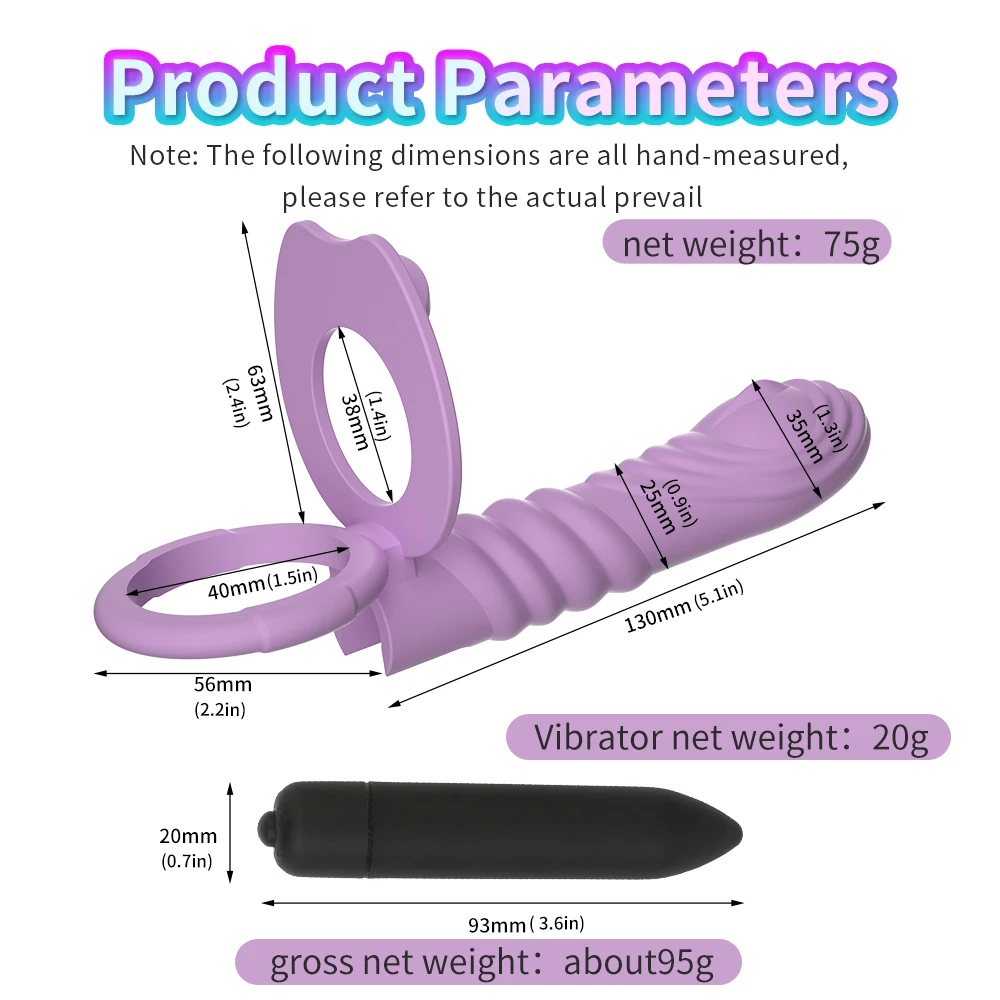
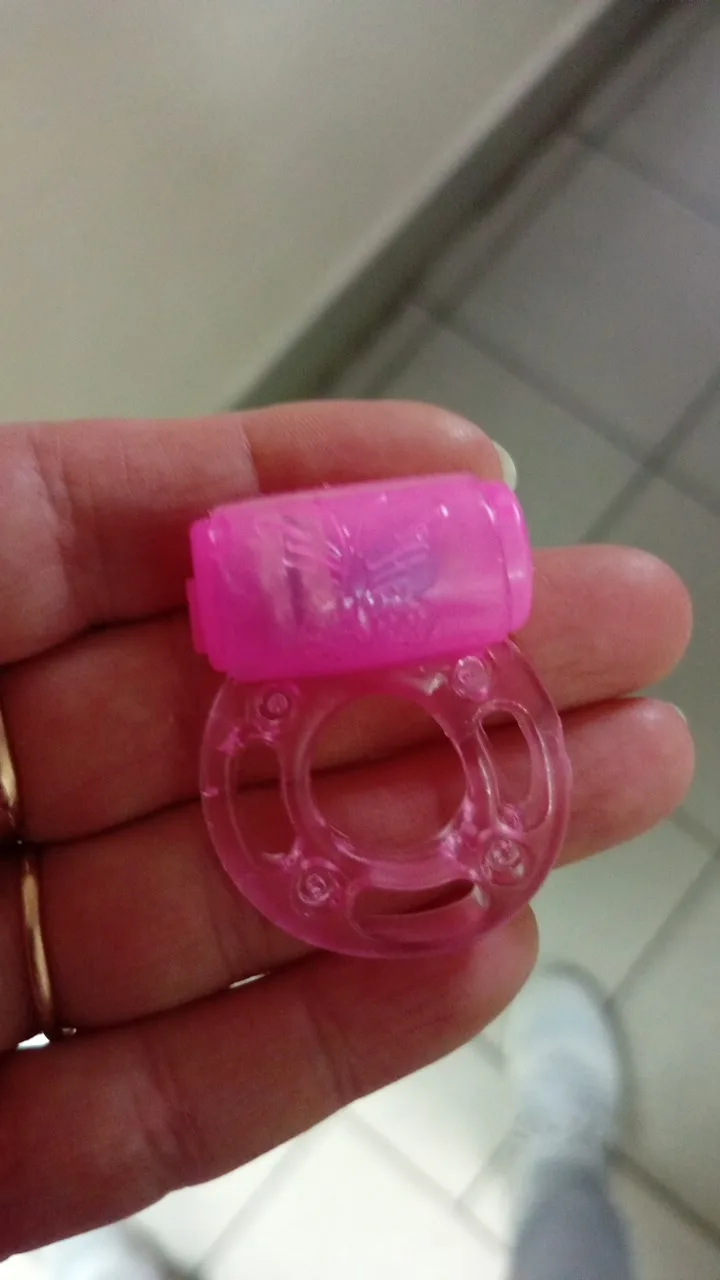

Use this decision flow:
1. Set a budget band. Under $30: solid TPE entry model. $30–$60: hybrid or quality silicone. $60+: premium silicone or multi-texture set.
2. Define your stimulation preference. Tight and intense → shorter channel (12–14 cm), pronounced ridges. Gradual and longer → 15–18 cm channel, subtle undulations.
3. Check material compatibility with your lubricant. Water-based lube is universal-safe. Silicone lube is only safe with hard-shell/ABS or TPE (not silicone body). Oil-based products degrade most soft polymers—avoid.
4. Verify cleaning access. Removable sleeve or fully open channel = ideal.
5. Read the seller’s material disclosure. If the listing says “premium soft material” without naming the polymer, walk away. XNXXMALL listings typically list exact material grades in the spec table.
6. Start with one unit, not a collection. Give yourself two to three weeks of use before purchasing a second texture or size.
Safety & Care
Treat a self-contained stroker with the same care standard you’d apply to any personal hygiene product:
- Lubricant: Always use a water-based lubricant with silicone products. For TPE, water-based is also safest. Avoid silicone and oil-based lubricants on soft polymer surfaces.
- Cleaning: Clean before first use and after every session with mild, fragrance-free soap and warm (not hot) water. Dry thoroughly—porous TPE traps moisture, which promotes microbial growth.
- Storage: Store in a breathable cotton or mesh pouch, away from direct sunlight and heat. Do not keep it sealed in a plastic bag, which traps moisture.
- Age verification & regulations: All reputable retailers, including XNXXMALL, enforce age-verification at checkout and comply with local shipping regulations. These products are for adults only. If your region has specific import or tax rules for personal wellness items, review them before ordering.
- When to stop and consult a professional: If you experience persistent pain, numbness, skin irritation that lasts more than 48 hours, or notice the device developing a persistent odor despite proper cleaning, discontinue use and speak with a healthcare provider.
Top Recommendations
These are editorial picks based on the evaluation framework above, not paid placements:
- Best first purchase (under $30): A mid-channel TPE stroker with removable sleeve (e.g., a 15 cm channel, 3–4 gentle ridges). Look for body-safe TPE labeling.
- Best mid-range hybrid ($35–$55): Silicone body with a TPE insert that offers two internal profiles (gentle / textured). XNXXMALL’s hybrid category typically lists sleeve replacement kits separately.
- Best durability investment ($55–$80): Full medical-grade silicone, open channel, heat-bonded construction, 12-month warranty. Ideal for daily users who want one device that lasts.
- Best for beginners who want variety: A two-pack set (one tight, one gentle) in the $40–$55 range—cheaper than buying two single units.
Worth It or Not? (Honest Verdict by Budget)
- Under $25: You will likely get a generic, unnamed-material unit. The experience is “fine” but durability and hygiene risk are higher. Acceptable as a one-time trial only.
- $25–$60: The sweet spot. You get named body-safe materials, reasonable texture design, and a practical cleaning structure. This is where most first-time buyers should spend.
- $60–$100: You gain durability (silicone build), warranty, and sometimes a replaceable-sleeve system that extends the device’s life to 18+ months. Worth it if you use the device more than twice a week.
- Over $100: Premium packaging, multi-texture kits, or brand-loyalty pricing. Diminishing returns on stimulation quality; you’re paying for convenience and longevity rather than a fundamentally better experience.
Verdict: For most buyers, a single $35–$55 unit from a retailer with clear material specs is the rational entry point. Avoid the “buy five at once” impulse; your body’s feedback after two weeks will tell you what to invest in next.
Frequently Asked Questions
: How do self-contained strokers work without a motor or app?
A: They are manually operated. The internal channel’s geometry and the outer shell’s firmness create the stimulation profile. You control pace, pressure, and angle. No electronics means no charging, no firmware, and a longer product life.
: What size self-contained stroker should a first-time buyer choose?
A: Start with a 14–16 cm channel length and a moderate (not aggressive) texture. This range accommodates the widest sensitivity spectrum. You can always add a tighter or longer unit later; starting too intense is the most common first-purchase mistake.
: Are self-contained strokers hygienic compared to open-design devices?
A: A sealed, self-contained unit with a removable sleeve is actually easier to sanitize than an open mesh design, because there are no external mesh pockets to trap residue. The key is material choice (non-porous or easily cleanable) and consistent washing with mild soap and warm water.
: How long does a self-contained stroker last with proper care?
A: TPE units: roughly 3–6 months of regular use before the material softens or the surface degrades. Silicone units: 12–24 months. The removable sleeve on hybrid designs extends the life of the outer shell significantly. Replace TPE inserts when they lose shape or develop a persistent odor.
: Where can I find reliable material specs when shopping for self-contained strokers?
A: Look for retailers that list the exact polymer (e.g., “platinum-cure silicone, Shore A 30–40”) rather than vague descriptors. XNXXMALL product pages include a materials table, dimension diagrams, and lubricant-compatibility notes in the spec section, which makes comparison shopping straightforward.
Final Thoughts
Choosing a self-contained stroker is less about finding the “most powerful” device and more about matching channel geometry, material, and texture to your body’s feedback. Start moderate, clean consistently, use the right lubricant, and give yourself a two-week evaluation window before upgrading or expanding your collection.
You can browse the full catalog, compare material specs side by side, and place a discreet-shipment order at [XNXXMALL](https://xnxxmall.com). For broader sexual-health context—including when to discuss intimate-wellness questions with a medical professional—the Mayo Clinic’s sexual-health resource is an excellent, judgment-free starting point: [https://www.mayoclinic.org/healthy-lifestyle/sexual-health](https://www.mayoclinic.org/healthy-lifestyle/sexual-health).
Take your time, read the material specs, and let your first two weeks of honest feedback guide the next purchase. That’s the most reliable way to find the unit that actually works for you.
 No products in the cart.