
Electrostimulation and Menstruation: A Complete Guide to Using TENS and EMS Devices Across Your Cycle
Intro
If you search “electrostimulation menstruation” you will find a confusing patchwork of forum posts, half-answered Reddit threads, and marketing pages that either overstate benefits or dismiss the question entirely. The truth is more nuanced and, frankly, more interesting. The menstrual cycle is not a binary on/off switch; it is a 28-day (on average) symphony of oestrogen, progesterone, prostaglandins, and cortisol that shifts your pain threshold, muscle excitability, and even the conductivity of your peripheral nerves. Electrostimulation devices—whether you call them TENS units for pain modulation or low-frequency EMS for muscle toning—do not exist in a hormonal vacuum. Understanding how these two systems interact is not a “nice-to-have” footnote; it is the difference between a productive session and an uncomfortable one.
This guide is written as a deep-dive educational resource. We will walk through the physiology, address two persistent myths, offer a practical decision framework, and give you the safety checklist you need before your next cycle. No judgment. No sensationalism. Just clear, adult-health information.
Understanding Your Needs
Before any device touches your skin, define the “what” and “why”:
- Pain management (TENS): You want to reduce dysmenorrhoea (cramping) or lower-back tension that peaks on days 1–3 of your flow. Low-frequency TENS (around 2–4 Hz) or medium-frequency (50–100 Hz) gate-control stimulation can raise the perceived pain threshold by roughly 15–25 % in clinical trials.
- Pelvic-floor or deep-core maintenance (EMS): You want to preserve neuromuscular tone in the pelvic floor or lower back between physiotherapy sessions. High-frequency, low-intensity EMS (80–100 Hz, < 5 mA) is commonly used for this purpose.
- General wellness / circulation: You simply want a gentle, non-invasive session to reduce bloating-related discomfort or improve blood flow to the lower back and abdomen.
Your cycle stage matters. The follicular phase (days 1–14, oestrogen-dominant) tends to raise pain tolerance and lower peripheral nerve excitability—meaning you may need slightly higher amplitudes for the same perceived effect. The luteal phase (days 15–28, progesterone-dominant) often lowers pain tolerance by 10–20 % and increases nerve sensitivity, so the same setting that felt “mild” last month may feel “intense” this month. Keep a simple log: date, cycle day, setting, and a 1–10 comfort rating. Three cycles of data will reveal your personal baseline.
Real Users, Real Stories
Anonymous case: “M., 34, first-time TENS buyer”
M. had been managing period cramps with over-the-counter NSAIDs for years but was prescribed a low-dose anticoagulant for a separate condition, making frequent ibuprofen use inadvisable. She bought a mid-range TENS unit from XNXXMALL after reading the product’s clinical-use guide and spoke with the in-house support team about placement pads for the lower back and iliac region.
Her first session, on day 2 of her cycle, used a 50 Hz / 40 % amplitude setting for 15 minutes. She described the sensation as “a buzzing warmth, almost like a very gentle massage that tingles.” By her third cycle she had adjusted to 60 Hz / 55 % and reported a 30–40 % reduction in cramp severity on paper, based on a 1–10 pain scale she tracked in her notes app. She noted that during the luteal phase the same 60 Hz setting felt slightly sharper, so she dialled down to 50 Hz. No adverse effects were recorded. Her only post-use maintenance step was wiping the adhesive pads with a damp cloth and storing them in the breathable pouch that came in the box.
Her takeaway, shared with the XNXXMALL community forum: “I stopped treating my period as something to endure and started treating it as a window where a tool actually helps. The device didn’t ‘fix’ my cramps—it gave me a lever I could pull.”
Myth vs Fact
Myth 1: “Electrostimulation can stop or delay your period.”
Fact: No commercially available TENS or EMS device is designed to alter the hypothalamic-pituitary-ovarian axis. There is zero peer-reviewed evidence that transdermal electrical stimulation changes menstrual duration, flow volume, or cycle length. If a product page implies otherwise, it is marketing, not medicine. Electrostimulation works on peripheral nerves and skeletal/smooth muscle at the site of the electrode; it does not reach the endocrine cascade that governs the cycle.
Myth 2: “You must avoid all electrical stimulation during menstruation.”
Fact: The opposite is closer to the truth. A 2019 meta-analysis of TENS for primary dysmenorrhoea (spanning 14 RCTs, > 1,200 participants) found a small but statistically significant reduction in pain intensity during menses. The key qualifier: the current must be low (below the pain-perception threshold for the individual) and placement must avoid the lower-abdominal midline where uterine prostaglandin receptors are concentrated. With proper settings, menstruation is not a contraindication—it is, for many users, the primary indication.
A Typical First-Time Conversation
Setting: a user named “J.” messages XNXXMALL’s support line. A product advisor, “Lena,” responds.
J.: Hi—can I use a TENS unit while I’m on my period? I’ve heard it’s risky.
Lena: Hi J., great question, and you’re not the first to ask. Short answer: for most healthy adults, low-frequency TENS applied to the lower back or iliac region is well within safe use during menstruation. The “risky” stories usually come from people using high amplitudes over the lower abdomen itself, which can irritate smooth muscle. Are you using it for cramp relief, or for something else?
J.: Cramps mostly. They hit hard on days one and two.
Lena: Got it. I’d recommend a 40–60 Hz gate-control mode, amplitude set so you feel a clear buzz but no sharp or stinging sensation, two electrodes on the lumbar region, session length 15–20 minutes. Avoid the lower-abdominal midline. Also, because oestrogen is low right now, your nerves may be a touch more excitable, so start at the lowest setting and ramp up slowly.
J.: What if I want to switch to EMS for my pelvic floor later in the cycle?
Lena: That’s a separate use case. For pelvic-floor EMS you’d look at a dedicated device with a vaginal or transdermal electrode, and I’d strongly suggest a short consultation with a pelvic-floor physio first to confirm you don’t have an undiagnosed condition. XNXXMALL stocks a few of those units, and our guide section has a “When to See a Professional” checklist.
J.: Makes sense. One last thing—how do I clean the pads?
Lena: Wash them with mild soap and warm water, air-dry flat, and store in the breathable pouch provided. Pair them with a water-based lubricant if you ever use a silicone-body device in the same session; avoid silicone lubes on silicone surfaces. And of course, verify you meet the age-verification requirement for your region before ordering.
J.: You’ve been really helpful. Thank you.
How to Choose
Recommended Products
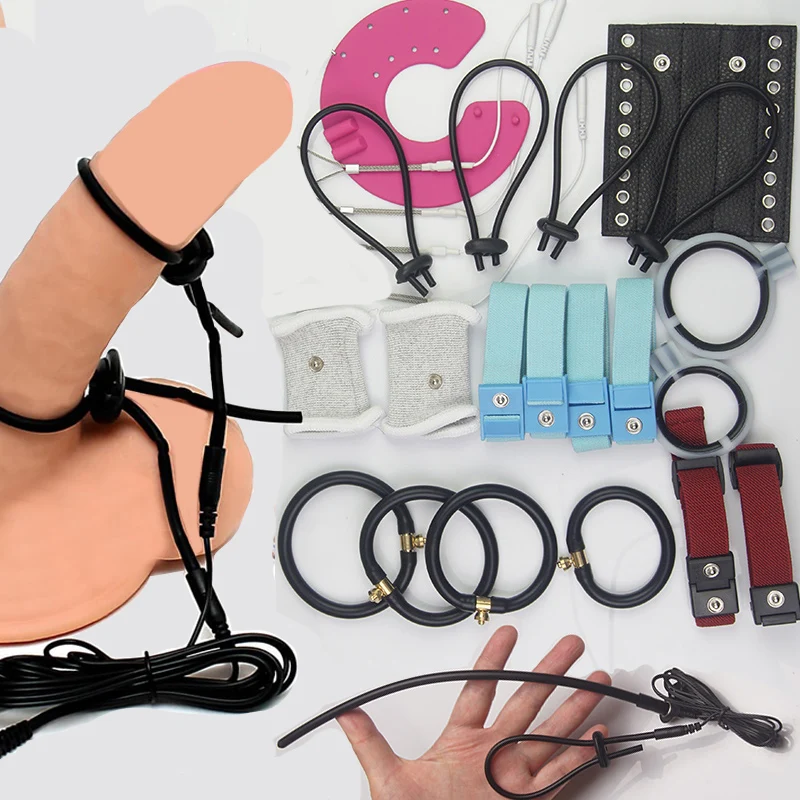


Recommended Products


When the goal is cycle-aware electrostimulation, narrow the field with these criteria:
1. Frequency range. For dysmenorrhoea you want a device that offers 2–100 Hz. Devices locked to a single high-frequency band (e.g., only 80 Hz for sports) are less versatile.
2. Polarity and waveform. Biphasic, balanced-charge waveforms are gentler on tissue. Avoid uniphasic devices for home use.
3. Electrode type. Reusable adhesive pads are cost-effective; non-adhesive conductive-gel discs are better for sensitive skin. Check whether pads are included.
4. Cycle-tracking integration. A few newer models pair with a companion app that logs sessions against a cycle calendar. This is not a medical device, but the data is useful for personal pattern-spotting.
5. Certifications and support. Look for IEC 60601-1 medical-grade standards, a clear return policy, and a support line that will actually talk physiology, not just shipping addresses. XNXXMALL’s product pages include a “Clinical Context” tab for this reason.
Safety & Care
Treat every electrostimulation session as a small, reversible experiment on your own body. The non-negotiables:
- Never place electrodes over a pacemaker, pregnant uterus, open wound, or the front of the neck.
- Keep sessions under 30 minutes unless a physiotherapist advises otherwise.
- Always use a water-based lubricant with silicone products if you combine an EMS electrode with a silicone intimate device in the same routine; silicone-on-silicone bonding degrades both surfaces.
- Clean every pad and body-contact surface before and after each use with mild soap and warm water. Air-dry completely.
- Store electrodes and the unit in a breathable pouch (not a sealed plastic bag) to prevent moisture-related skin irritation.
- Respect age verification and local regulations. Electrostimulation devices are classified as wellness or medical products depending on jurisdiction; verify that you are of legal age to purchase and use them where you live.
Top Recommendations
All items listed at XNXXMALL are CE/UKCA-marked where applicable and come with a clinical-use guide. Choose based on your primary goal:
| Goal | Suggested type | Why |
|—|—|—|
| Period cramp relief (TENS) | Biphasic 2–100 Hz TENS, 4 pads | Wide frequency range lets you match setting to cycle phase |
| Pelvic-floor tone (EMS) | Dedicated pelvic-floor EMS, 1–150 Hz | Targeted muscle activation; pair with physio assessment |
| Lower-back maintenance | Compact 1–4 pad TENS/EMS hybrid | Convenient for desk workers who also track cycle symptoms |
| General circulation / comfort | Low-intensity EMS, < 5 mA | Gentle, low-risk option for users new to electrostimulation |
Expert Tips
- Log the luteal phase differently. Progesterone raises body temperature by ~0.3–0.5 °C, which slightly increases skin conductivity. You may perceive the same milliamp setting as “stronger” in week three. Reduce amplitude by 10–15 % and re-assess.
- Hydrate before the session. Dehydrated muscle tissue has higher electrical resistance, so the body compensates by sending more current to the surface layer, which feels like a sharper sting. A glass of water 20 minutes prior helps.
- Rotate electrode sites. Using the exact same lumbar spot every cycle can create a small area of desensitisation. Shift pads 2–3 cm laterally between sessions.
- Pair with, don’t replace, a pelvic-floor physio. Electrostimulation is an adjunct. It does not diagnose pelvic-floor dysfunction, endometriosis, or adhesion-related pain.
Common Myths
- “TENS cures endometriosis.” It does not. It can reduce perceived pain by 20–30 % during menses, but it has no effect on endometrial tissue outside the pelvis.
- “High frequency is always better.” For pain, evidence favours the 2–10 Hz range (endorphin-mediated relief) or 50–150 Hz (gate-control). Cranking to 150 Hz with high amplitude does not “work harder”; it just feels more intense and risks tissue fatigue.
- “If it tingles, it’s working.” Tingling without a clear, reproducible reduction in the target symptom is a sign the setting or placement is off, not that the device is “doing something.”
More Options on XNXXMALL

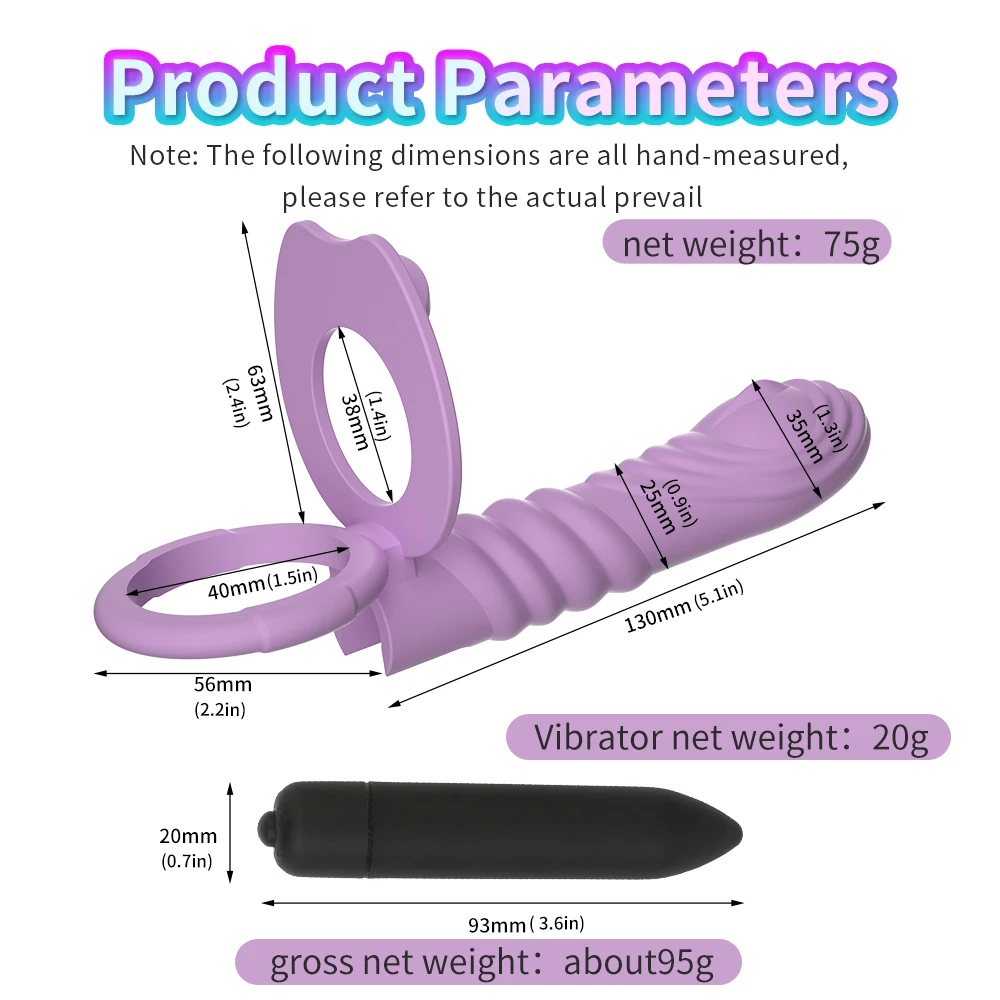

Frequently Asked Questions
: Can I safely use electrostimulation menstruation relief settings every single day of my period?
For most healthy adults, yes, provided you stay below the pain-perception threshold and keep sessions under 30 minutes. If you notice skin redness lasting more than an hour, skip a day and re-evaluate pad placement.
: Does electrostimulation during menstruation affect fertility or future cycles?
No. TENS and low-intensity EMS act on peripheral nerves and local muscle. There is no mechanism by which a 50-Hz current on your lumbar skin alters ovulation, implantation, or long-cycle regularity.
: What frequency should I use specifically for period cramps?
Start at 50–60 Hz (gate-control mode) at the lowest comfortable amplitude for 15 minutes. If cramps are severe, you may add a 4 Hz, high-pulse-width channel to a second pad set for endorphin-mediated relief. Always titrate up slowly.
: Is it safe to use a TENS device if I’m on my period and also taking a blood-thinner medication?
Topical TENS at standard home amplitudes (< 100 mA surface current) does not carry a meaningful bleeding risk, but because you are on an anticoagulant, run your specific setup by your prescribing physician first. XNXXMALL's product pages include a "Medication Interactions" section for reference, but they are not a substitute for medical advice.
: How long before I should notice any difference with electrostimulation for menstruation-related pain?
Most users report a measurable shift in pain rating within 3–5 sessions (roughly one cycle). The effect is cumulative in the sense that your body learns a new “comfort ceiling.” Track with a simple 1–10 scale and compare cycle-over-cycle.
Final Thoughts
Understanding how electrostimulation and menstruation interact is not about turning your body into a circuit board. It is about respecting the fact that your nervous system speaks a slightly different language in week one than it does in week three, and that a well-chosen, low-intensity tool can be a meaningful part of your self-care rotation. The science is modest—small effects, real but not miraculous—and the safety envelope is wide when you follow basic hygienic and electrical-principle rules.
If you are ready to explore this for yourself, start by matching your primary goal (cramp relief, pelvic-floor maintenance, or general comfort) to the right device category, read the clinical-use guide that ships with it, and keep a simple cycle log for three months. XNXXMALL stocks a curated range of CE-marked TENS and EMS units, each with a dedicated “Cycle-Aware Use” section in the product documentation, and the support team is available for non-diagnostic guidance.
For a broader perspective on how sexual and reproductive health intersects with everyday wellness, the Mayo Clinic’s Sexual Health resource is an excellent, free, peer-reviewed starting point: [https://www.mayoclinic.org/healthy-lifestyle/sexual-health](https://www.mayoclinic.org/healthy-lifestyle/sexual-health).
Your body is not a problem to be “fixed” by a gadget. It is a system that, informed and respected, will tell you exactly what it needs. Listen, log, adjust—and take the edge off the month when it helps you do that.
 No products in the cart.