
Latex Condom Reaction with Burning and Itching: What Should I Do and Which Material Is Safer?
If you are experiencing burning or itching after using a latex condom, the immediate answer is: stop using latex, rinse the area gently with lukewarm water, and switch to a non-latex material such as polyisoprene, polyurethane, or natural polyurethane at your next purchase.
Quick Answers
- What to do right now? Rinse with plain lukewarm water, apply a fragrance-free moisturizing ointment, and avoid re-exposing the skin to latex until symptoms fully resolve.
- Which material is safer for latex-sensitive skin? Polyisoprene (a synthetic rubber that mimics latex feel without the allergenic proteins) and polyurethane (thin, firm, highly sensitive) are the two best alternatives.
- How long do symptoms last? Mild irritation typically clears within 24–72 hours; persistent burning beyond 72 hours or a spreading rash warrants a visit to a healthcare provider.
- Can I use a non-latex condom with any lubricant? Water-based lubricant is the universally safe pairing; silicone lubricant should also be fine with polyisoprene, but always check the packaging.
- Where can I find a reliable, allergy-tested option? XNXXMALL curates a selection of dermatologist-reviewed non-latex barrier products with clear material labeling.
Who Is This For?
This guide speaks directly to three groups:
- First-time buyers who purchased a standard condom online, experienced an unexpected reaction, and now feel confused about whether it was an infection, an allergy, or simply friction.
- Couples in their second or third year together who previously used latex without issue but are noticing new sensitivity—possibly due to hormonal shifts, medication changes, or a developing IgE-mediated latex sensitivity.
- Anyone who has been diagnosed (or strongly suspects) a latex allergy and needs a clear, judgment-free roadmap for choosing a safe, effective barrier method without sacrificing comfort or protection.
If you have a confirmed latex allergy via patch testing or have experienced anaphylaxis, treat this article as supplementary to your allergist’s advice, not a replacement.
Real Users, Real Stories
M., 28, first-time condom buyer
M. ordered a value pack of standard latex condoms from a mainstream pharmacy for a new partner. During their first shared encounter, M. felt a tight, hot sting at the shaft and base within minutes of application. Removing the condom revealed a faint reddish ring and a pruritic (itching) band that lasted into the next morning. M. panicked, assumed it was an STI, and avoided intimacy for two weeks. A quick online search led to XNXXMALL’s material-guide page, where M. learned that roughly 6–11 % of healthcare workers and an estimated 1–6 % of the general population report some degree of latex sensitivity. M. switched to a polyisoprene condom, used a water-based lubricant, and experienced zero reaction. The entire episode lasted about ten days from symptom to resolution—no prescription needed, just a material switch and patience.
Myth vs Fact
Myth 1: “If it stings, it must be an infection or an STI.”
A brief, localized burning or itching that appears during or immediately after barrier use and resolves within a day or two is far more commonly a material sensitivity or friction-irritant response than a sexually transmitted infection. True STIs typically present with discharge, persistent pain, or systemic symptoms (fever, malaise) that do not correlate with a specific product. If symptoms persist beyond 72 hours or worsen, then seek medical evaluation.
Myth 2: “Non-latex condoms are just ‘weaker’ and don’t protect as well.”
Modern polyisoprene and polyurethane condoms meet or exceed FDA and CE-marked tensile-strength and breakage-rate standards. Polyurethane, in fact, conducts heat about 4× faster than latex, meaning users often report heightened sensitivity. The protective integrity—against pregnancy and STIs—remains equivalent when the condom is within its shelf life and used correctly.
A Typical First-Time Conversation
Partner A: “Hey, do you want to try that new brand I picked up?”
Partner B: “I’m a little hesitant—I got this weird itch last time.”
Partner A: “Oh, you mean the latex one? Did it feel different?”
Partner B: “Yeah, like a hot, tight band. Faded after a few hours, but I didn’t want to ignore it.”
Partner A: “I did some reading. Turns out it’s probably the latex proteins. There’s a whole line of polyisoprene stuff—feels almost the same but without the allergen. Want to try one?”
Partner B: “Let’s grab one of those and a water-based lube just in case.”
Partner A: “Good call. And if it stings again, we stop, wash it off, and no pressure. No big deal.”
This short exchange illustrates the key principle: a non-judgmental, factual conversation between partners reduces anxiety and makes the switch to a safer material feel routine rather than stigmatizing.
How to Choose
Recommended Products

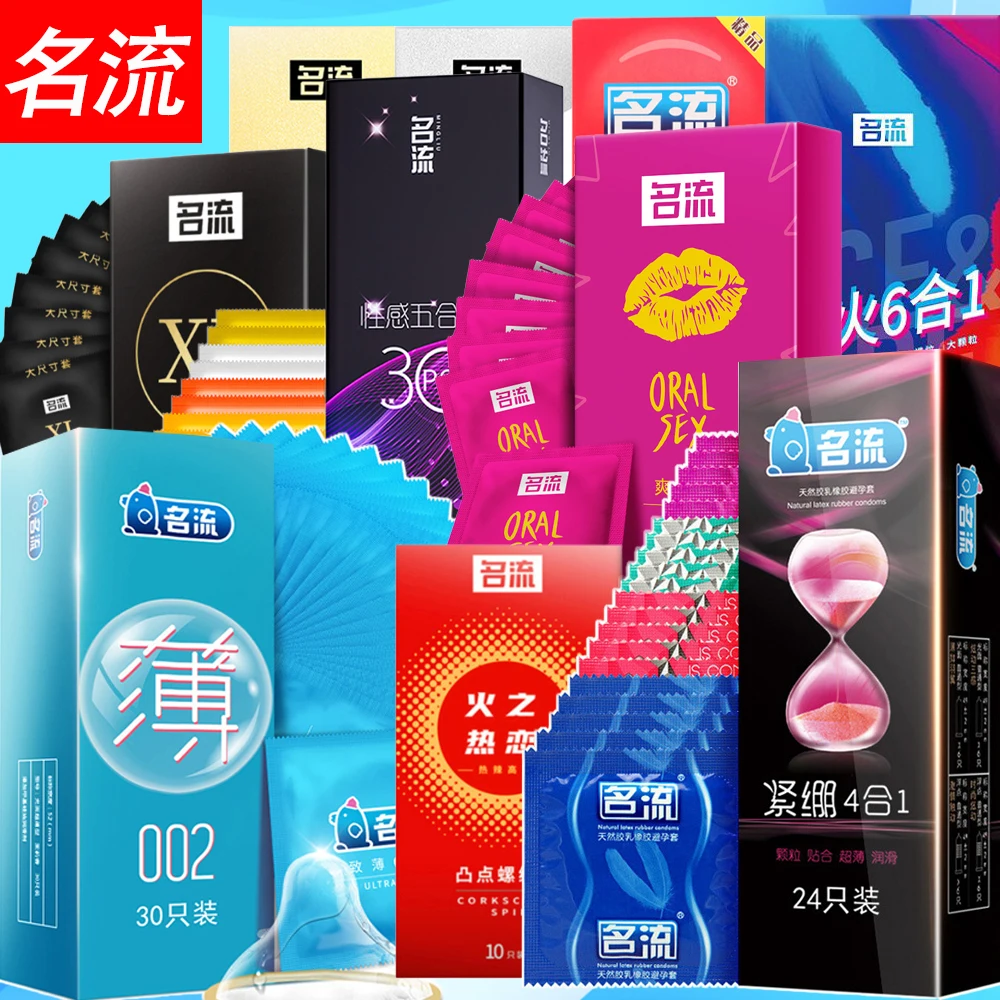
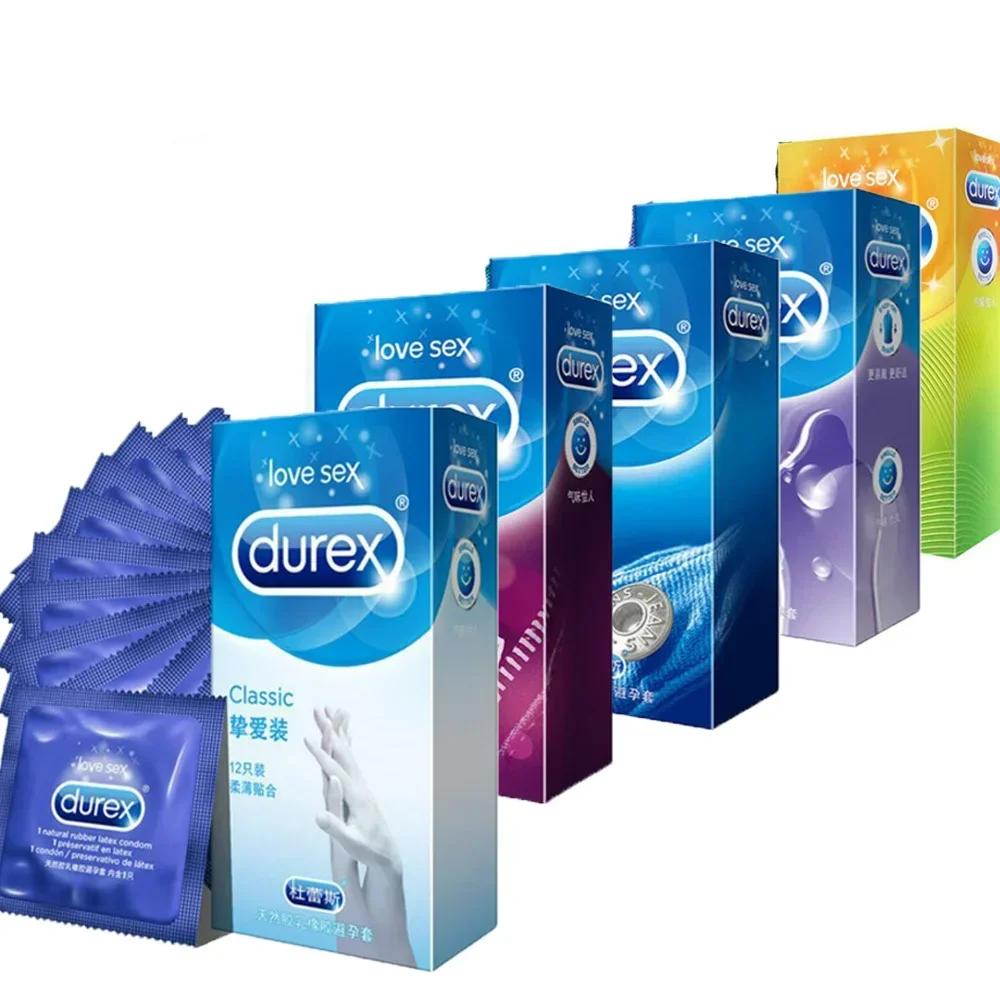
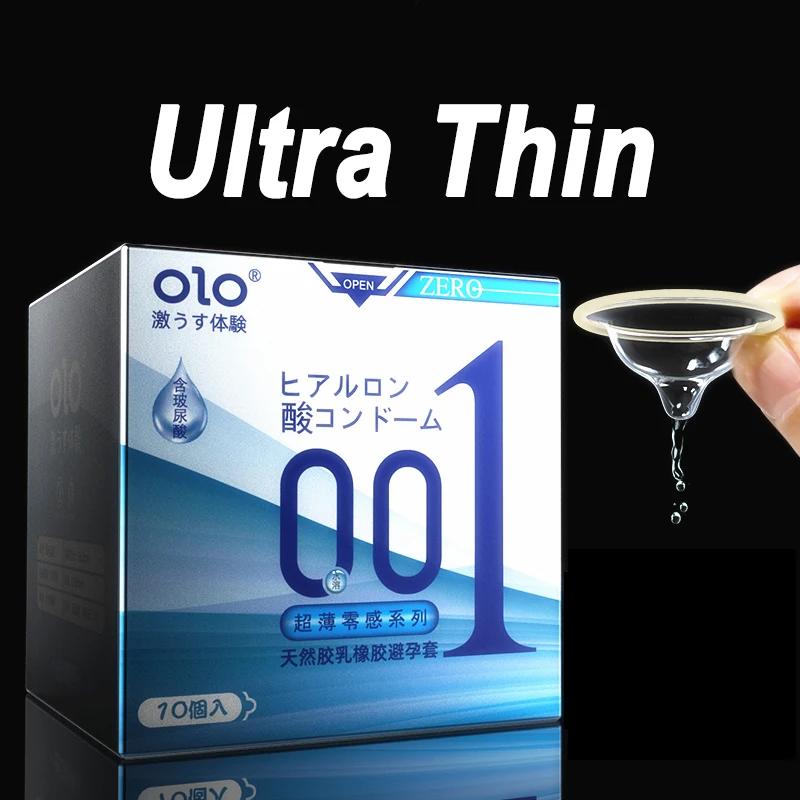
Recommended Products
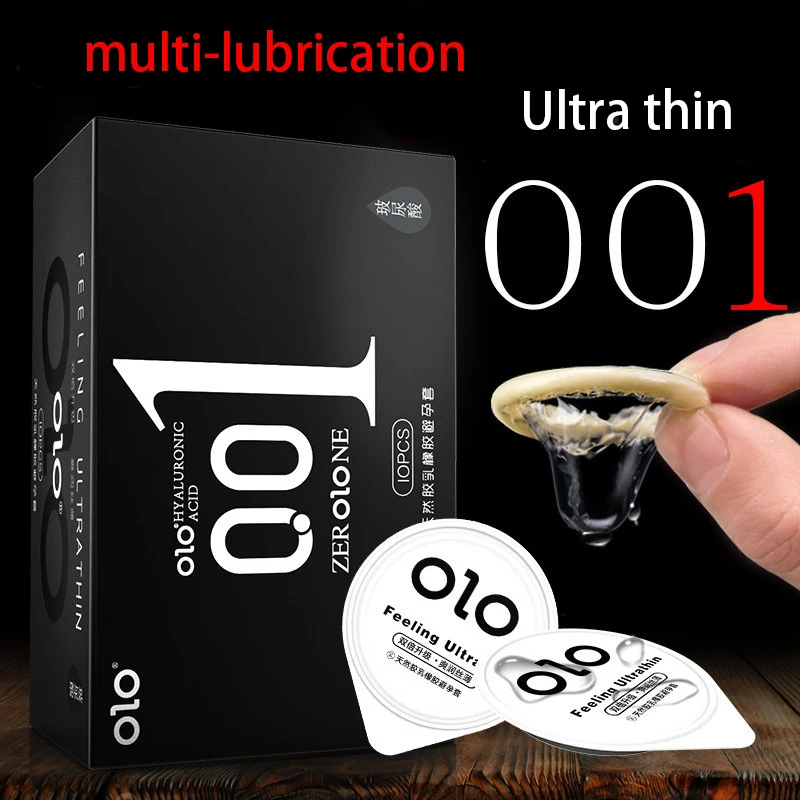
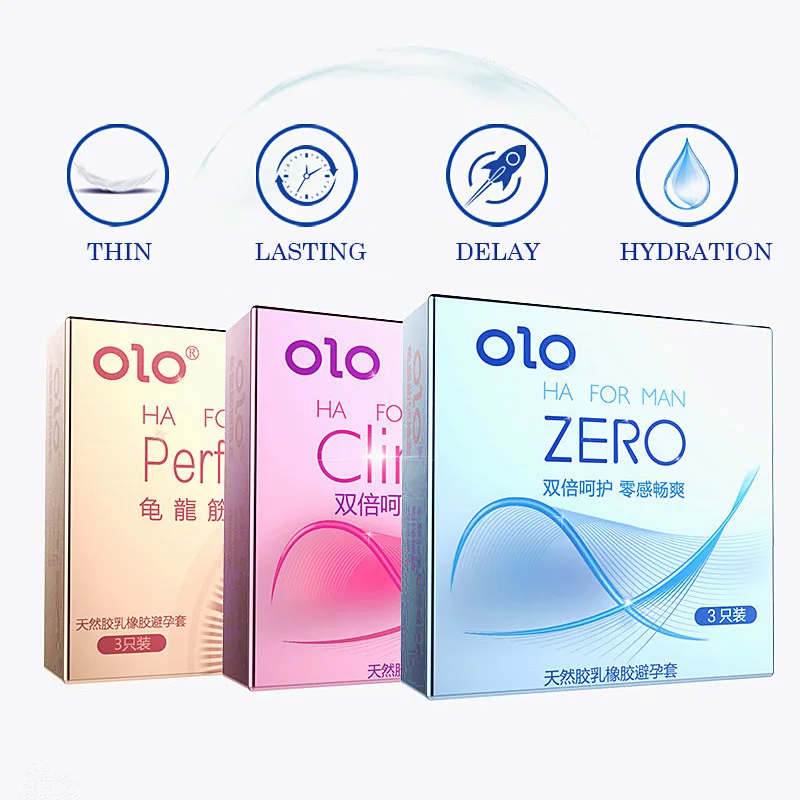
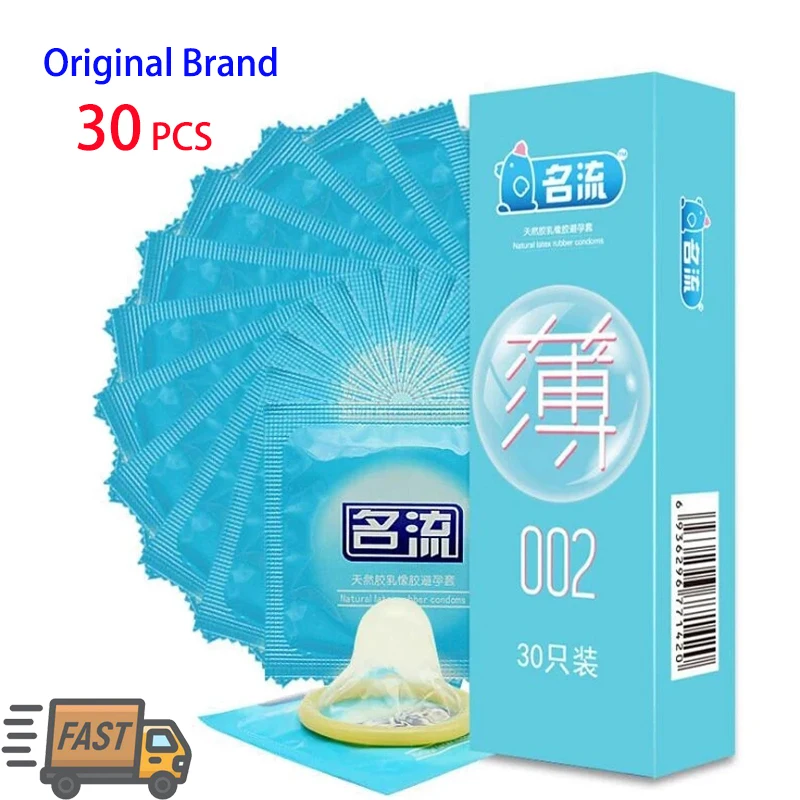
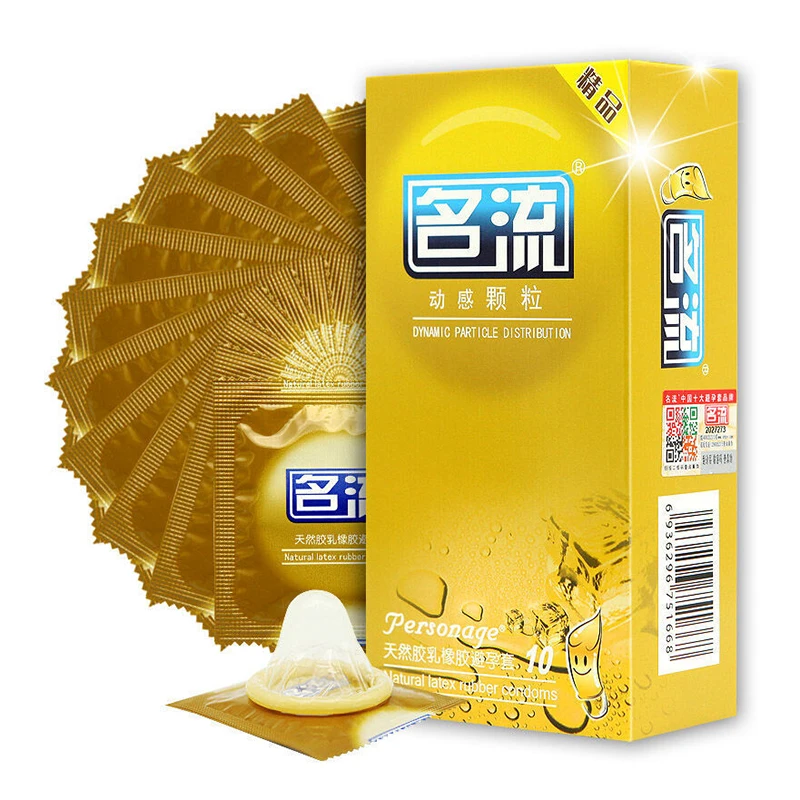
When you are ready to move past latex, consider these variables:
1. Material. Polyisoprene is the closest feel-to-latex option (stretchy, warm-conducting). Polyurethane is thinner and firmer; ideal if you prioritize heightened sensation over stretch. Natural (lambskin) condoms block pregnancy but do not protect against STIs—pair them with additional precautions.
2. Fit. A condom that is too tight increases friction and can mimic an “allergic” sting. Measure your flaccid girth and select the width labeled on the box; XNXXMALL lists each product’s nominal width in the specification panel.
3. Lubricant compatibility. Use a water-based lubricant as your default. Check the condom’s material: polyisoprene and polyurethane are both water-based-lube compatible. Avoid oil-based products (petroleum jelly, baby oil) with any polymer, as they degrade the material within minutes.
4. Sizing range. If you are between two sizes, err on the slightly larger side to reduce constriction.
5. Certification. Look for FDA 510(k) clearance (US) or CE 0086 (EU) marking on the packaging to confirm tensile testing was performed.
Safety & Care
Regardless of material, follow this care protocol to keep every product performing as designed:
- Lubricant pairing. Always use a water-based lubricant with silicone or polymer products; reapply as needed to prevent micro-tears.
- Cleaning routine. If you are reusing any silicone-based wellness accessory, clean before and after each use with mild, fragrance-free soap and warm water. Air-dry completely.
- Storage. Keep unused condoms in a cool, dry place inside a breathable pouch (cotton or paper, not plastic, to avoid UV and heat degradation). The pouch should not seal airtight—moisture and heat accelerate polymer breakdown.
- Age verification & local regulations. XNXXMALL enforces strict age-verification at checkout and flags any region-specific regulatory restrictions before shipping. Respect your local laws; some jurisdictions require specific labeling or restrict online sales of barrier products.
- Shelf life. Check the expiration date on every pack. A condom past its date can become brittle or, conversely, soft and tacky—both increase breakage risk.
Top Recommendations
All items below are available through XNXXMALL’s Sexual Wellness category, where each listing includes a material-compatibility chart and a derm-tested badge:
| Product Type | Best For | Key Note |
|—|—|—|
| Polyisoprene standard (e.g., the most common latex-free line) | Couples wanting closest-to-latex feel without allergen | Stretchy; use water-based lube |
| Polyurethane ultra-thin | Sensitivity-focused users; thin-film preference | Conducts heat; firmer texture |
| Polyisoprene extra-wide (58 mm+) | Larger girth; comfort priority | Reduces constriction-related stinging |
| Lambskin + external barrier combo | Pregnancy-only context (no STI risk) | Not an STI barrier; use only after partner testing confirms no infection |
Common Mistakes & How to Avoid Them
- Mixing two barrier products. A condom plus another condom (or a diaphragm) dramatically raises friction and breakage risk. One barrier at a time.
- Using oil-based lube on polymers. Petroleum, coconut oil, and mineral oil degrade polyurethane and polyisoprene within 60 seconds. Stick to water-based.
- Storing in a wallet or bedside drawer for months. Heat, UV, and compression all accelerate polymer aging. Rotate your supply; buy 3–6-month quantities.
- Ignoring the “dull side” rule. The condom should unroll so the reservoir faces out. If you feel it sliding, re-position before intimacy begins.
- Assuming a mild sting is “normal.” Persistent burning is not a rite of passage. Log the sensation (timing, location, duration) and share it with a clinician if it recurs across two different products.
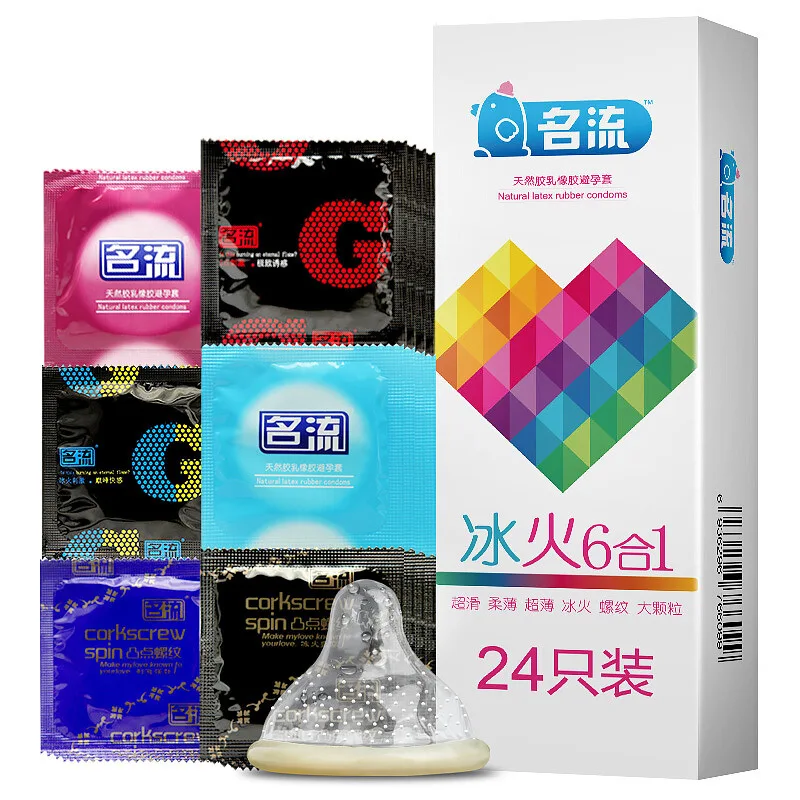
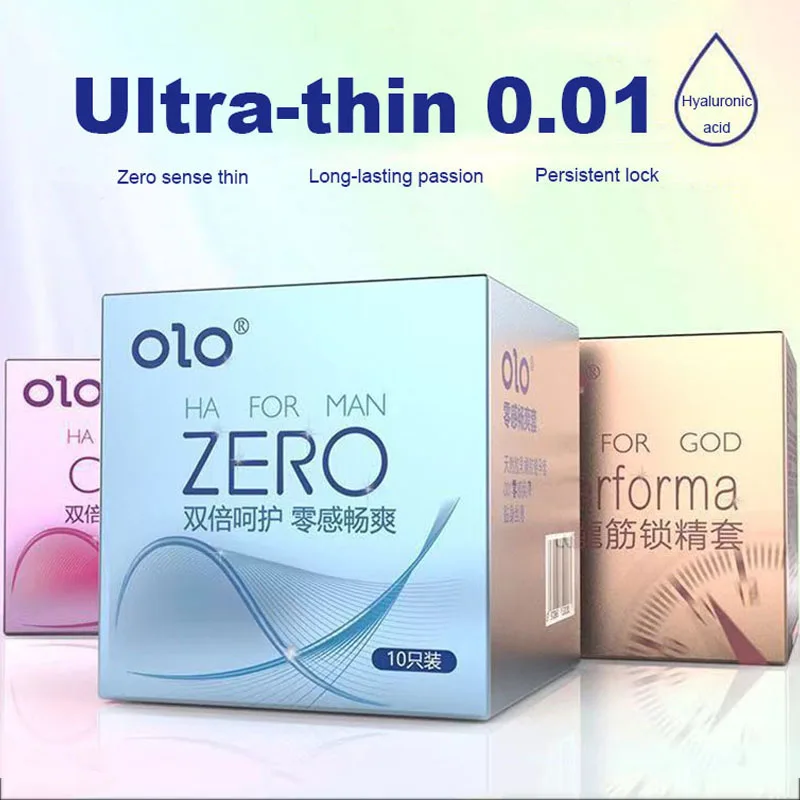
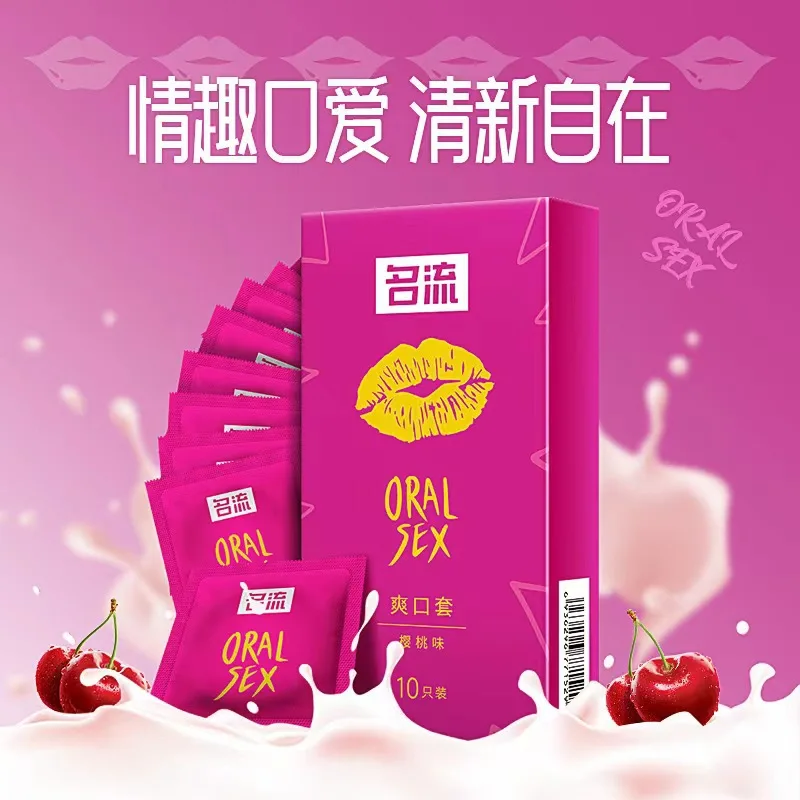
More Options on XNXXMALL

Frequently Asked Questions
: I had a latex condom reaction with burning and itching—what should I do and which material is safer for me next time?
Rinse the area with lukewarm water, apply a fragrance-free barrier cream, and switch to polyisoprene or polyurethane. If symptoms exceed 72 hours or include spreading hives, see a dermatologist or allergist.
: Can a latex condom reaction with burning and itching actually be a sign of something more serious than a material allergy?
In most cases, it is a Type I (IgE-mediated) or Type IV (delayed) hypersensitivity to latex proteins or to the accelerators (carbonyl sulfide, thiurams) used in manufacturing. However, a persistent, non-product-specific burning could indicate a local fungal issue. Two consecutive negative reactions to non-latex products plus a clean dermatology exam essentially rule out the more serious causes.
: Which material is safer for long-term, frequent use if I suspect a mild latex sensitivity?
Polyisoprene is the most forgiving for frequent use because it stretches, warms quickly, and is compatible with water-based lubricants. Polyurethane is slightly less stretchy but is the thinnest option and best for users who notice “latex feel” sensitivity more than protein-sensitivity.
: How do I confirm it was the condom and not the lubricant that caused the burning?
Perform a simple cross-check: use the same lubricant with a non-latex condom on one occasion and a different, known-safe water-based lubricant with the latex condom on another. If the reaction tracks with the material rather than the lube, the condom is the trigger. XNXXMALL lists the full ingredient (INCI) panel for every lubricant, making this comparison straightforward.
: Are non-latex condoms less effective at preventing pregnancy or STIs?
No. Polyisoprene and polyurethane condoms carry the same FDA/CE breakage-rate standards as latex. Per-user-per-act failure rates for typical use are within the same 2–4 % range for pregnancy prevention and remain the only recommended STI barrier when used consistently. The material swap changes comfort and allergy profile, not protective integrity.
Final Thoughts
A brief sting or itch after using a latex condom is not a reason to stop caring about sexual health—it is a clear signal from your body that the material in front of you is not the right fit. The path forward is straightforward: identify the trigger, choose a non-latex alternative that matches your comfort preferences, pair it with a water-based lubricant, and store everything properly in a breathable pouch.
If you would like to compare materials side by side, read dermatologist-reviewed product notes, or simply find a non-latex option without the guesswork, browse the Sexual Wellness collection at [XNXXMALL](https://www.xnxmall.com). Every listing includes a material-safety card, sizing guide, and lubricant-compatibility chart so you can make the switch with confidence and zero trial-and-error.
For deeper, clinically grounded reading on sexual-health basics, barrier-method efficacy, and when to consult a provider, the American medical reference at [Mayo Clinic – Sexual Health](https://www.mayoclinic.org/healthy-lifestyle/sexual-health) is an excellent, judgment-free starting point.
Your comfort is not a luxury; it is the foundation of consistent, effective protection. Choose the material that lets you relax, and protect what matters most.
{“@context”: “https://schema.org”, “@type”: “FAQPage”, “mainEntity”: [{“@type”: “Question”, “name”: “Myth 1: “If it stings, it must be an infection or an STI.””, “acceptedAnswer”: {“@type”: “Answer”, “text”: “A brief, localized burning or itching that appears during or immediately after barrier use and resolves within a day or two is far more commonly a material sensitivity or friction-irritant response than a sexually transmitted infection. True STIs typically present with discharge, persistent pain, or systemic symptoms (fever, malaise) that do not correlate with a specific product. If symptoms persist beyond 72 hours or worsen, then seek medical evaluation.”}}, {“@type”: “Question”, “name”: “Myth 2: “Non-latex condoms are just ‘weaker’ and don’t protect as well.””, “acceptedAnswer”: {“@type”: “Answer”, “text”: “Modern polyisoprene and polyurethane condoms meet or exceed FDA and CE-marked tensile-strength and breakage-rate standards. Polyurethane, in fact, conducts heat about 4× faster than latex, meaning users often report heightened sensitivity. The protective integrity—against pregnancy and STIs—remains equivalent when the condom is within its shelf life and used correctly.”}}, {“@type”: “Question”, “name”: “: I had a latex condom reaction with burning and itching—what should I do and which material is safer for me next time?”, “acceptedAnswer”: {“@type”: “Answer”, “text”: “Rinse the area with lukewarm water, apply a fragrance-free barrier cream, and switch to polyisoprene or polyurethane. If symptoms exceed 72 hours or include spreading hives, see a dermatologist or allergist.”}}, {“@type”: “Question”, “name”: “: Can a latex condom reaction with burning and itching actually be a sign of something more serious than a material allergy?”, “acceptedAnswer”: {“@type”: “Answer”, “text”: “In most cases, it is a Type I (IgE-mediated) or Type IV (delayed) hypersensitivity to latex proteins or to the accelerators (carbonyl sulfide, thiurams) used in manufacturing. However, a persistent, non-product-specific burning could indicate a local fungal issue. Two consecutive negative reactions to non-latex products plus a clean dermatology exam essentially rule out the more serious causes.”}}, {“@type”: “Question”, “name”: “: Which material is safer for long-term, frequent use if I suspect a mild latex sensitivity?”, “acceptedAnswer”: {“@type”: “Answer”, “text”: “Polyisoprene is the most forgiving for frequent use because it stretches, warms quickly, and is compatible with water-based lubricants. Polyurethane is slightly less stretchy but is the thinnest option and best for users who notice “latex feel” sensitivity more than protein-sensitivity.”}}, {“@type”: “Question”, “name”: “: How do I confirm it was the condom and not the lubricant that caused the burning?”, “acceptedAnswer”: {“@type”: “Answer”, “text”: “Perform a simple cross-check: use the same lubricant with a non-latex condom on one occasion and a different, known-safe water-based lubricant with the latex condom on another. If the reaction tracks with the material rather than the lube, the condom is the trigger. XNXXMALL lists the full ingredient (INCI) panel for every lubricant, making this comparison straightforward.”}}, {“@type”: “Question”, “name”: “: Are non-latex condoms less effective at preventing pregnancy or STIs?”, “acceptedAnswer”: {“@type”: “Answer”, “text”: “No. Polyisoprene and polyurethane condoms carry the same FDA/CE breakage-rate standards as latex. Per-user-per-act failure rates for typical use are within the same 2–4 % range for pregnancy prevention and remain the only recommended STI barrier when used consistently. The material swap changes comfort and allergy profile, not protective integrity.”}}]}
 No products in the cart.