
Bath and Body Sexual Wellness Products: A Complete Shopping-Decision Guide for Informed Buyers
If you’ve searched “bath and body” products expecting only shower gels and lotions, you’ve been shown one side of the aisle. The other side—intimate body care, warm-soak rituals, massage formulations, and skin-safe wellness oils—is where many people genuinely need guidance. This guide is not a product catalog. It is a buying framework. Whether you are purchasing for solo self-care, a partner ritual, or simply resetting your weekly routine after a long stretch, this deep-dive walks you through materials, safety specs, real user experiences, and honest budget verdicts so you walk out (or click checkout) knowing exactly why you chose what you chose.
The audience for this article: adults 18+ who want to integrate intimate body care into a structured wellness habit, who value ingredient transparency, and who are evaluating a first purchase (or an upgrade) at a retailer like XNXXMALL. No prior experience assumed.
What Makes a Good One: 5 Buying Factors
Before comparing brands, lock in the five criteria that actually separate a well-formulated intimate body product from a marketing puff:
1. Ingredient transparency. The full INCI list must be printed on the package or clearly posted online. If a product says “fragrance-free” but lists “parfum” in small print, that is a red flag. For intimate application, you want to see every component.
2. pH and osmolality balance. Products touching mucous membranes or highly vascular skin should sit near the body’s natural pH (roughly 3.8–4.5 for intimate zones, 4.5–5.5 for general body). Osmolality above 1,200 mOsm/kg can cause micro-irritation with repeated use.
3. Osmolality and glycerol load. Many “natural” soaps and lotions load up on glycerol for that thick, rich feel. Glycerol above 10–12% pulls water out of cells, leaving skin drier than before. Check the spec sheet if the retailer publishes one; XNXXMALL lists osmolality data on each product card.
4. Application surface and duration. A warm bath soak designed for 15–20 minutes of immersion behaves differently than a leave-on massage oil that contacts skin for 60+ minutes. The formulation philosophy changes. Buy for the use, not just the “category.”
5. Packaging integrity and storage life. Airless pumps beat flip-top jars for intimate lotions because they limit oxidation. Check the “period after opening” (PAO) icon—12 M is standard; 24 M is a warning sign for products without preservatives.
These five factors are what you will use to evaluate every option below.
Materials & Build Compared
| Option | Pros | Cons |
|—|—|—|
| Water-based intimate wash | Rinse cleanly, low glycerol, gentle for daily use | Short shelf-life without refrigeration; can feel “stripping” on very dry skin |
| Oil-based massage blend (fractionated coconut, jojoba, sweet almond) | Long-lasting, moisturizing, doubles as skin-care | Slick surface; not compatible with silicone items; requires more effort to rinse |
| Warm-soak powder / salt blend | Aromatherapy benefit, 15-min ritual feel, dissolves fully | Not for frequent use (2–3×/week max to avoid over-drying); check for artificial dyes |
| Hybrid balm (water + oil matrix) | Versatile: leave-on, wash-off, or pre-soak | Higher cost per mL; smaller container sizes; harder to find with full osmolality data |
| Alcohol-free toner mist | Quick, no-rinse, good for post-shower “set” | Limited to body surface; not suitable for intimate mucosal areas; fragrance-sensitive users should test patch first |
Honest take: no single format covers every need. Most buyers end up pairing a water-based wash (daily) with an oil-based massage blend (1–2×/week) and a soak powder (weekend ritual). The budget question is which pair to start with.
Real Users, Real Stories
Anonymous first-time buyer case study (female, 31, urban apartment, purchased via XNXXMALL):
> “I’d never bought anything in the intimate body-care aisle before. I was nervous about it feeling ‘weird’ or that I was over-investing in something basic. I started with the XNXXMALL starter bundle—a pH-balanced intimate wash and a small jojoba massage oil—and read the ingredient cards before opening anything. First use was just a warm shower; the wash felt like normal hand soap, no sting. The oil I saved for a weekend evening, used it for a ten-minute shoulder-and-neck massage instead of skinning it all over, which felt less ‘performative.’ By the third week it was just part of my routine, same as a face cream. The thing that helped most was that the product cards had the INCI list and a one-line ‘what to pair with’ note. I stopped overthinking it.”
The takeaway: first-time buyers benefit most from small, low-commitment formats (30–50 mL trial sizes) and from retailers that surface ingredient data without making the buyer hunt for it.
Myth vs Fact
Myth 1: “All bath and body sexual wellness products need to be ‘medical grade’ or ‘therapeutic’ to be safe.”
Fact. The regulatory category for these products is cosmetic (in most jurisdictions), which already means they must be non-irritant, non-sensitizing, and formulated under GMP (Good Manufacturing Practice). A product labeled “therapeutic” or “clinical” is a marketing tier, not a safety tier. What actually protects you is: pH match to your application zone, osmolality under ~1,000 mOsm/kg, no undisclosed fragrance, and a visible PAO date. A plain, well-made water-based wash beats a $40 “clinical” bottle loaded with essential oils you cannot identify.
Myth 2: “If it says ‘organic’ or ‘all-natural,’ it’s automatically gentler on intimate skin.”
Fact. “Natural” is not a regulated claim in most cosmetics markets. Essential oils such as tea tree, lavender, or citrus are natural—and can be strongly irritating or allergenic on mucosal tissue. A synthetic, gentle surfactant (e.g., coco-glucoside) may be less irritating to your intimate area than a blend of ten “natural” botanicals. Evaluate the specific ingredient list, not the adjective on the front label.
A Typical First-Time Conversation
Setting: A partner, Daniel (34), sits with a small box on the coffee table after a late-afternoon order arrives at the door. His partner, Maren, is home early from work.
Daniel: “Hey, so I ordered a couple of things. A warm-soak blend and this massage oil. Thought it’d be nice for Saturday evening. You don’t have to—just putting it out there.”
Maren: “Oh, that’s sweet. Is it one of those with a strong scent, or like… plain?”
Daniel: “It’s unscented jojoba base. I checked the card before I hit buy—no essential oils, no fragrance. And the soak is just Epsom salt with a tiny bit of lavender. I can swap the lavender if you’re sensitive to it.”
Maren: “Lavender’s fine. I actually like the smell a little. So it’s just a bath and body thing, like a spa at home?”
Daniel: “Yeah, exactly. Nothing crazy. Just a warm bath, maybe a five-minute shoulder massage after. Whatever you want.”
Maren: (unboxes the oil, reads the back) “Okay, the INCI list is actually short. Jojoba, vitamin E, that’s it. That’s reassuring.”
Daniel: “Good, right? I just wanted it to not have a ‘mystery’ ingredient.”
Maren: “Noted. Saturday. I’ll bring the candle.”
This is the realistic script: low-stakes, transparent, and centered on consent and comfort rather than expectation. The product is a tool for a quiet ritual, not a performance.
How to Choose
Recommended Products


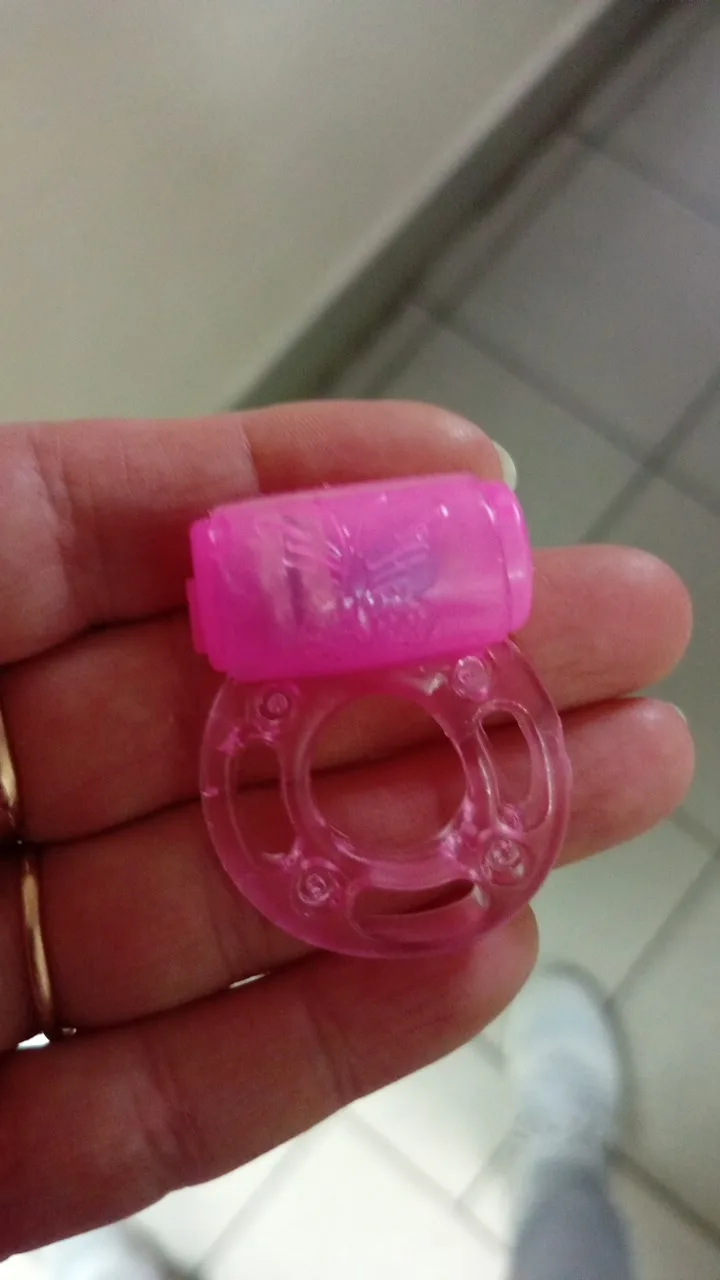

Recommended Products



Run through this quick filter before adding anything to cart:
- What is the single use? Daily wash → water-based, low-glycerol. Weekly ritual → oil blend or soak. Post-shower “set” → alcohol-free mist or balm.
- Who is it for? Solo, partner, or both? If partner-shared, confirm both parties are fragrance-tolerant. A patch test on the inner forearm 24 hours before first use is free insurance.
- What do you already own? If you have a body oil you like, don’t buy another one; add a wash or soak to complement it. Redundancy is the most common “regret purchase” in this category.
- Container and PAO. Prefer 6 M or less PAO for products without strong preservatives. Airless pump > jar for anything you’ll open 10+ times.
- Price per mL, not per bottle. A 100 mL oil at $18 is cheaper per use than a 30 mL “luxury” balm at $22.
Safety & Care
A non-negotiable fact to anchor your routine around: Always use a water-based lubricant with silicone products, clean before and after with mild soap and warm water, store in a breathable pouch, and respect age verification and local regulations. Extend that principle to bath and body intimate care:
- Rinse any residue from a massage oil or soak before using silicone items (e.g., a massager) to prevent surface degradation.
- Wash hands and any tools (a wooden massage stick, a loofah) with mild, fragrance-free soap and warm water before and after each session.
- Store open products in a cool, dry place; keep them in a breathable cotton or mesh pouch, not a sealed plastic bag, to avoid moisture buildup and mold.
- Verify your product is sold through a platform that enforces 18+/age-gate at checkout. XNXXMALL requires age verification for all intimate-category items.
- Check local regulations: some regions restrict the sale of products with certain concentrated essential oils or require specific labeling. If you live in an EU member state, look for the CLP (Classification, Labelling and Packaging) symbols on the carton.
- Discontinue use and consult a dermatologist if you see persistent redness, stinging beyond 30 seconds, or swelling. “Breaking in” should never mean pain.
Top Recommendations
All available through XNXXMALL’s intimate bath & body care aisle:
1. pH-Balanced Intimate Wash (100 mL, airless pump, coco-glucoside base, 0% fragrance, osmolality ~600 mOsm/kg). The daily workhorse. Pairs with everything.
2. Fractionated Jojoba + Vitamin E Massage Oil (50 mL, glass dropper bottle). The weekly ritual oil. Compatible with body skin; not for silicone items.
3. Epsom & Magnesium Soak Powder, unscented (250 g, resealable pouch, 6 uses). The weekend reset. No essential-oil load; you control the scent (or don’t).
4. Hybrid Balm Stick (28 g, twist-up, water + squalane matrix). The on-the-go “set” product. Smaller format, lower osmolality than most lotions.
5. Alcohol-Free Body Mist, 30 mL (glycerin ≤ 5 %, no denatured alcohol). Post-shower, leave-on. Patch-test first if you have reactive skin.
If you are new to the category, start with items 1 and 2. Add 3 or 4 in the second month once the routine feels natural.
Worth It or Not?
- Budget tier (under $25 total): A water-based wash + a soak powder covers 90% of use cases. You are not missing much at this price point. The “luxury” price is mostly packaging and fragrance. Verdict: worth it, and the smartest starting point.
- Mid tier ($25–$60): Add the jojoba oil or the hybrid balm. This is where the product genuinely shifts from “hygiene” to “ritual,” and the texture and scent experience become part of the value. Verdict: worth it if the ritual matters to you; skip it if you just want clean skin.
- Premium tier ($60+): Usually a 5–7 piece “set” with a wooden massage tool, a jar balm, and a candle. The incremental ingredient quality over mid-tier is marginal. Verdict: situational—great as a first anniversary or self-gift where the unboxing and gifting is the point, but overkill for a Tuesday night.
The honest math: you are not paying for “purity.” You are paying for formulation consistency, smaller-batch batch numbers, and packaging that protects the oil from light and air. All real benefits, all visible on the label if you read it.
Frequently Asked Questions
: Are bath and body sexual wellness products different from regular soaps and lotions?
Yes. The intimate-zone formulations are pH-matched to mucosal tissue (typically 3.8–4.5) and use gentler, non-foaming surfactants. A regular “bath and body” bar soap at pH 9–10 will disrupt that balance and cause dryness or micro-irritation with repeated use.
: Can I use a bath and body massage oil on every skin type, including sensitive or eczema-prone skin?
Patch-test any new oil on the inner forearm for 24 hours. Jojoba and fractionated coconut are among the least likely to trigger a reaction, but “least likely” is not “never.” If you have active eczema, ask your dermatologist before applying any new product to a flare zone.
: How do I know if a bath and body product is compatible with my silicone items?
The universal rule: use water-based products with silicone. Oil-based products (including jojoba, squalane, and most massage blends) can degrade silicone’s surface over repeated exposure. Check the care card that came with your silicone item; XNXXMALL product pages cross-reference compatibility in the “Pair With” section.
: What’s the shelf life of a natural, preservative-free bath and body product?
Typically 6–12 months after opening (PAO symbol: 6 M or 12 M). Without preservatives, microbial growth is the main risk. If you notice a sour or rancid smell, separation that doesn’t re-mix, or a change in color, discard the product. No “it still looks fine” exception.
: Where can I find transparent ingredient data on bath and body intimate-care products?
Look for retailers that print or link the full INCI list, osmolality value, and pH on each product page. XNXXMALL includes all three fields in the product card and a “Formulation Notes” line, so you can compare two similar oils side-by-side before buying.
Final Thoughts
Choosing a bath and body intimate-care product is not a mysterious, taboo, or high-stakes decision. It is a formulation choice, the same way you choose a face serum: match the ingredient to the skin zone, respect the pH and osmolality specs, start small, and read the label before you open the cap. The products in this category earn their shelf space because they turn a five-minute shower into a ten-minute ritual, or a quiet Saturday evening into a slow, unhurried self-care practice. You do not need the most expensive option on the rack. You need the one whose ingredient list you can read, understand, and trust.
Browse the full intimate bath & body care range at XNXXMALL and use the “Formulation Notes” on each card to build a two- or three-product starter kit that fits your routine. For a broader, clinically referenced perspective on intimate skin health and self-care habits, the Mayo Clinic’s sexual health resource is a useful, neutral read: [https://www.mayoclinic.org/healthy-lifestyle/sexual-health](https://www.mayoclinic.org/healthy-lifestyle/sexual-health).
Take your time. Read the label. The right product is the one you stop thinking about after the third use.
{“@context”: “https://schema.org”, “@type”: “FAQPage”, “mainEntity”: [{“@type”: “Question”, “name”: “Anonymous first-time buyer case study (female, 31, urban apartment, purchased via XNXXMALL):”, “acceptedAnswer”: {“@type”: “Answer”, “text”: “> “I’d never bought anything in the intimate body-care aisle before. I was nervous about it feeling ‘weird’ or that I was over-investing in something basic. I started with the XNXXMALL starter bundle—a pH-balanced intimate wash and a small jojoba massage oil—and read the ingredient cards before opening anything. First use was just a warm shower; the wash felt like normal hand soap, no sting. The oil I saved for a weekend evening, used it for a ten-minute shoulder-and-neck massage instead of skinning it all over, which felt less ‘performative.’ By the third week it was just part of my routine, same as a face cream. The thing that helped most was that the product cards had the INCI list and a one-line ‘what to pair with’ note. I stopped overthinking it.””}}, {“@type”: “Question”, “name”: “Myth 1: “All bath and body sexual wellness products need to be ‘medical grade’ or ‘therapeutic’ to be safe.””, “acceptedAnswer”: {“@type”: “Answer”, “text”: “Fact. The regulatory category for these products is cosmetic (in most jurisdictions), which already means they must be non-irritant, non-sensitizing, and formulated under GMP (Good Manufacturing Practice). A product labeled “therapeutic” or “clinical” is a marketing tier, not a safety tier. What actually protects you is: pH match to your application zone, osmolality under ~1,000 mOsm/kg, no undisclosed fragrance, and a visible PAO date. A plain, well-made water-based wash beats a $40 “clinical” bottle loaded with essential oils you cannot identify.”}}, {“@type”: “Question”, “name”: “Myth 2: “If it says ‘organic’ or ‘all-natural,’ it’s automatically gentler on intimate skin.””, “acceptedAnswer”: {“@type”: “Answer”, “text”: “Fact. “Natural” is not a regulated claim in most cosmetics markets. Essential oils such as tea tree, lavender, or citrus are natural—and can be strongly irritating or allergenic on mucosal tissue. A synthetic, gentle surfactant (e.g., coco-glucoside) may be less irritating to your intimate area than a blend of ten “natural” botanicals. Evaluate the specific ingredient list, not the adjective on the front label.”}}, {“@type”: “Question”, “name”: “: Are bath and body sexual wellness products different from regular soaps and lotions?”, “acceptedAnswer”: {“@type”: “Answer”, “text”: “Yes. The intimate-zone formulations are pH-matched to mucosal tissue (typically 3.8–4.5) and use gentler, non-foaming surfactants. A regular “bath and body” bar soap at pH 9–10 will disrupt that balance and cause dryness or micro-irritation with repeated use.”}}, {“@type”: “Question”, “name”: “: Can I use a bath and body massage oil on every skin type, including sensitive or eczema-prone skin?”, “acceptedAnswer”: {“@type”: “Answer”, “text”: “Patch-test any new oil on the inner forearm for 24 hours. Jojoba and fractionated coconut are among the least likely to trigger a reaction, but “least likely” is not “never.” If you have active eczema, ask your dermatologist before applying any new product to a flare zone.”}}, {“@type”: “Question”, “name”: “: How do I know if a bath and body product is compatible with my silicone items?”, “acceptedAnswer”: {“@type”: “Answer”, “text”: “The universal rule: use water-based products with silicone. Oil-based products (including jojoba, squalane, and most massage blends) can degrade silicone’s surface over repeated exposure. Check the care card that came with your silicone item; XNXXMALL product pages cross-reference compatibility in the “Pair With” section.”}}, {“@type”: “Question”, “name”: “: What’s the shelf life of a natural, preservative-free bath and body product?”, “acceptedAnswer”: {“@type”: “Answer”, “text”: “Typically 6–12 months after opening (PAO symbol: 6 M or 12 M). Without preservatives, microbial growth is the main risk. If you notice a sour or rancid smell, separation that doesn’t re-mix, or a change in color, discard the product. No “it still looks fine” exception.”}}, {“@type”: “Question”, “name”: “: Where can I find transparent ingredient data on bath and body intimate-care products?”, “acceptedAnswer”: {“@type”: “Answer”, “text”: “Look for retailers that print or link the full INCI list, osmolality value, and pH on each product page. XNXXMALL includes all three fields in the product card and a “Formulation Notes” line, so you can compare two similar oils side-by-side before buying.”}}]}
 No products in the cart.