
Bath & Body Care Best: A Complete Wellness Guide for Sensitive Skin After Intimate Care
Introduction
Choosing the right bath & body care products is one of the most personal wellness decisions you’ll make for yourself. When you’re navigating the intersection of hygiene, skin sensitivity, and intimate care, the options can feel overwhelming. The phrase “bath & body care best” searches millions of times a year because people want clarity: what actually works, what’s safe for sensitive areas, and how to build a routine that supports your overall well-being without guesswork.
This guide is an educational deep-dive. It won’t just hand you a product list. Instead, it builds your understanding from zero—explaining why skin pH matters, how post-intimacy care differs from everyday showering, and how to read labels like a dermatologist would. Whether you’re a first-time buyer or someone looking to refine an existing routine, you’ll leave with a framework you can trust.
Understanding Your Needs
Before you pick up a single bottle of body wash or moisturizer, take five minutes to map your own needs:
- Skin type. Oily, dry, combination, or reactive? Post-intimate care often targets areas with thinner, more sensitive skin (inner thighs, perineal region, underarms). These zones react differently to fragrance-heavy products than your forearm or back.
- pH balance. Healthy vaginal and penile skin sits around pH 4.5–5.5. Many mainstream body soaps run at pH 8–10, which can disrupt that balance and lead to irritation or dryness.
- Sensitivities. Lactose-free, paraben-free, fragrance-free—these aren’t marketing buzzwords. If you’ve had reactions to scented lotions, that’s a signal.
- Routine frequency. Do you shower daily? Do you need a targeted post-intimacy cleanse separate from your regular body wash?
Once you have that baseline, you can evaluate any “bath & body care best” product against your specific profile rather than against a one-size-fits-all ad.
Real Users, Real Stories
Anonymous case – first-time buyer, 34, perimenopausal
> “I’d never purchased any intimate-care-specific product before. Everything in my bathroom was a generic drugstore body wash I’d used for ten years. After a routine pelvic exam, my doctor gently suggested I switch to a lower-pH, fragrance-free option and apply a moisturizer to the inner-thigh area twice a week because my skin was getting dry and a little irritated.
>
> I went to a trusted wellness retailer—XNXXMALL—because their product pages actually listed ingredients and pH ranges instead of just ‘gentle’ and ‘hydrating.’ I bought a pump body wash, a plant-based balm, and a small silicone-safe storage pouch for the items I’d use. Two weeks in, the redness was gone. I didn’t notice any dramatic change in my mood or confidence, just that I stopped flinching when the body wash touched a spot that used to sting. That small comfort turned out to be the biggest shift.”
What makes this story useful is the absence of drama. No miracle. Just a logical, skin-friendly swap that reduced a low-grade irritation the way a well-fitted pillow fixes a stiff neck.
Myth vs Fact
Myth 1: “If it smells expensive, it’s better for my body.”
Fact: Strong fragrance—whether floral, oceanic, or ‘clean’—is a common irritant for the thinner mucosal and perineal skin. Dermatologists at the Mayo Clinic note that fragrance-free or minimal-ingredient formulations reduce the risk of contact dermatitis. The ‘best’ bath & body care product for your intimate zone is the one with the fewest unnecessary additives, not the one that smells like a candle.
Myth 2: “I need a separate product for every inch of my body.”
Fact: Over-segmenting creates unnecessary cost and confusion. A single well-formulated body wash (pH 5–6, sulfate-free) covers 90 % of your routine. You only layer in a targeted balm or post-intimacy wipe if a specific area is dry, shaving-sensitive, or recovering from minor friction. Simpler is often better for skin-barrier health.
A Typical First-Time Conversation
A short exchange at a wellness retailer counter (or a live chat with an XNXXMALL care specialist):
Customer: “I’m new to this. I just want to make sure I’m not buying something that’ll make my skin worse.”
Specialist: “Totally fair. Can I ask: do you have any known allergies or eczema, and roughly how often would you use this—daily, or only after intimacy?”
Customer: “I get dry patches on my inner thighs in winter. Daily showering, maybe a couple times a week I’d want something softer.”
Specialist: “Then I’d steer you toward a sulfate-free, fragrance-free body wash for your daily routine, and a plant-based balm—like one with shea or calendula—for the dry patches. And if you ever use a silicone-based product, the rule is always a water-based lubricant alongside it; silicone-on-silicone can bond and degrade the material. Clean everything before and after with mild, unscented soap and warm water, and keep your items in a breathable cotton pouch so they don’t trap moisture.”
Customer: “That’s actually a lot more straightforward than I expected.”
Specialist: “It should be. You don’t need a chemistry degree. You need fewer ingredients, the right pH, and a good storage habit. That’s the whole system.”
How to Choose
Recommended Products
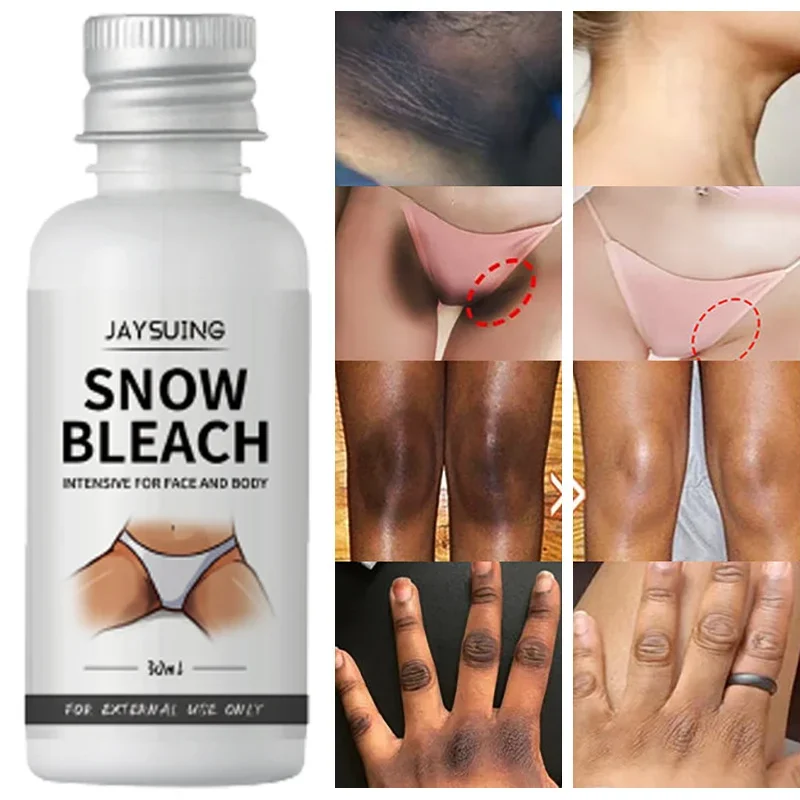
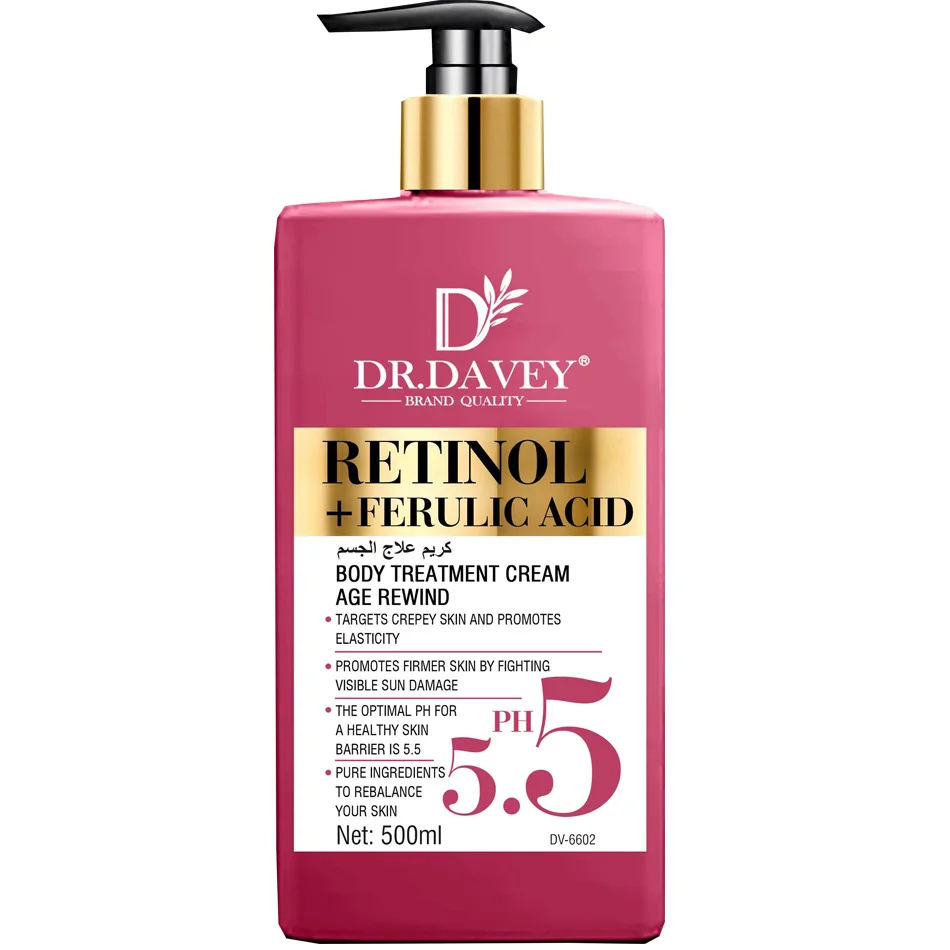


Recommended Products




When you search “bath & body care best,” filter results through this four-step lens:
1. Read the INCI list. Look for the first three ingredients. If they’re water, glycerin, and a known emollient, you’re on solid ground. Flag long chains of parabens, phenoxyethanol at high concentration, or synthetic musk if you have reactive skin.
2. Check the pH claim. For intimate-adjacent use, aim for pH 4.5–6.5. The label should state it; if it doesn’t, call it a wash (pun intended) until you find a brand that discloses.
3. Match texture to need. Gel = refreshing, lightweight. Cream/lotion = occlusive, good for dry winter skin. Balm = targeted repair. You rarely need all three; pick the one that solves your specific problem.
4. Trust the retailer’s curation. A dedicated wellness store like XNXXMALL typically lists ingredient profiles, pH data, and material-safety notes that a general marketplace won’t. That transparency is the review.
Safety & Care
Non-negotiables that apply regardless of which brand you choose:
- Always use a water-based lubricant with silicone products. Silicone-to-silicone contact can bond, warp, or degrade the item. Water-based lubes rinse clean and won’t compromise the material.
- Clean before and after with mild, unscented soap and warm water. Let the item air-dry completely before storage to prevent microbial growth.
- Store in a breathable pouch (cotton or mesh, not sealed plastic). Trapped heat and humidity invite bacteria.
- Respect age verification and local regulations. All reputable retailers, including XNXXMALL, enforce age gates and comply with regional product-safety standards. If a listing bypasses verification, walk away.
Top Recommendations
Rather than a ranked “best of” list—which is inherently subjective—here are categories to fill, with the profile each should meet:
| Need | What to look for | Why |
|—|—|—|
| Daily body wash (intimate-adjacent) | Sulfate-free, pH ≤ 6, fragrance-free | Protects mucosal pH balance |
| Post-intimacy spot cleanse | Plant-based wipe or low-pH gel | Quick, no-rinse option for on-the-go |
| Dry/patch repair balm | Shea, calendula, or ceramide base | Occlusive moisture for inner-thigh or underarm dryness |
| Shaving & post-shave care | Alcohol-free, chamomile or aloe | Reduces razor-bump risk |
| Storage pouch | Breathable cotton/mesh, zip-top | Keeps items clean, prevents cross-contamination |
Browse these categories at XNXXMALL and let the ingredient transparency guide your picks.
Expert Tips
- Patch-test first. Dab a small amount on your inner forearm, wait 48 hours. No redness, no itching → safe to use on more sensitive areas.
- Don’t exfoliate intimate-adjacent skin more than once a week. Over-exfoliation thins the stratum corneum and raises irritation risk.
- Rehydrate immediately after a hot bath. Hot water strips lipids; applying a balm within 60 seconds locks moisture.
- Rotate, don’t multiply. Two well-chosen products used consistently outperform seven products used sporadically.
- Keep a 30-day log (skin type, product used, any reactions) so you can spot patterns faster than any algorithm.
Common Myths
- “Antibacterial soap is safer for intimate hygiene.” It isn’t; it disrupts the protective microbiome and can increase irritation. Plain, mild soap is superior.
- “Oils are always nourishing.” Heavy mineral or coconut oils can clog pores in the groin and underarm, leading to folliculitis. Light, non-comedogenic plant oils (jojoba, squalane) are safer bets.
- “If a product is ‘natural,’ it’s automatically gentle.” Some essential oils (lavender, citrus) are topically sensitizing. ‘Natural’ ≠ hypoallergenic.
Frequently Asked Questions
: What is the bath & body care best option for someone with very reactive skin?
Look for a fragrance-free, sulfate-free body wash at pH 5.5 and a ceramide-rich balm. Avoid essential oils, alcohol, and synthetic musk entirely. Start with the smallest available size to test tolerance.
: How do I know if my bath & body care best choice is actually safe for post-intimacy use?
Check three things: (1) pH stated on the label or brand site, (2) absence of high-concentration denatured alcohol or strong fragrance, (3) retailer transparency—XNXXMALL, for example, lists ingredient safety notes and material compatibility.
: Can I use the same body wash for my whole body, including the intimate zone?
A mild, low-pH wash can work for the whole body, but a dedicated, fragrance-free formula is gentler for the perineal area. If your daily wash is alkaline (pH 8+), pair it with a lower-pH rinse for that zone.
: What does “bath & body care best” actually mean in a shopping context?
It’s a search phrase people use when they want a curated, educational list rather than a single product. The honest answer: there’s no single “best” product. There’s a best routine built for your skin type, and the steps in this guide walk you through building it.
: Where can I find reliable reviews and ingredient breakdowns for bath & body care best products?
Start with your retailer’s product pages (XNXXMALL includes INCI lists, pH data, and material-safety notes). Cross-reference with the Mayo Clinic’s sexual-health section for general skin-barrier guidance: https://www.mayoclinic.org/healthy-lifestyle/sexual-health
Final Thoughts
The “bath & body care best” question really has one answer: the best product is the one that matches your skin, your pH, and your routine—not the one with the prettiest bottle. Strip the noise, read the label, respect the material-safety rules, and keep it simple.
If you’d like a curated starting kit that maps every category above to a specific, ingredient-transparent product, explore the wellness and body-care collections at XNXXMALL. Their listings are built for the exact decision-making process laid out in this guide, and their care team can walk you through compatibility questions (silicone items + water-based lube, storage, pH matching) in a few minutes.
For broader context on maintaining healthy intimate skin, the Mayo Clinic’s sexual-health resource is an excellent, no-appointment reference: [Mayo Clinic – Sexual Health](https://www.mayoclinic.org/healthy-lifestyle/sexual-health).
Your skin is the largest organ you own. Treating it with the same curiosity you’d give a new piece of equipment—read the manual, maintain it, store it properly—is just good self-care. And that’s all this ever was.
 No products in the cart.