
What Material Flogger Is Best for a First Impact Play Tool: A Complete Shopping-Decision Guide
You’ve decided to explore impact play, and now you’re staring at a shopping page with options ranging from $12 to $200+. The word “flogger” appears in every search result, but the materials listed—leather, nylon, gel, silicone, suede—read like a hardware store catalog. If you’re new to this, the question isn’t just “which one looks cool.” It’s: what material flogger is best for a first impact play tool, given your body, your partner’s comfort level, your budget, and your long-term goals?
This guide isn’t a surface-level product list. It’s a structured buying-decision framework. By the end, you’ll know exactly which material suits your situation, what to avoid as a beginner, and how to care for your tool so it lasts years rather than months.
What Makes a Good One: 5 Buying Factors
Before comparing materials, anchor your decision in five practical criteria:
1. Weight distribution. A flogger that’s heavy at the handle and light at the tips delivers a sharp, stinging sensation. Balanced weight produces a broader, deeper thud. Beginners generally benefit from a lighter tool (under 8 oz) that’s forgiving on the first sessions.
2. Tip shape and width. Wider tips (½ inch or more) spread force over a larger area, reducing the risk of concentrated pressure. Narrow tips concentrate impact and belong in the toolkit of experienced users.
3. Handle comfort. A grip that fits your hand without slipping—especially when you’re slightly sweaty—matters more than aesthetics. Foam, cork, or wrapped leather handles are beginner-friendly; smooth polished wood is not.
4. Cleanability and durability. Materials that resist moisture damage, don’t harbor bacteria, and can be wiped down easily reduce long-term maintenance headaches.
5. Intimidation factor (for both parties). A tool that looks and feels “manageable” in the hand lowers anxiety for the person giving and receiving. A 30-inch braided flogger can feel less intimidating than a 12-inch rigid crop, counterintuitively.
Materials & Build Compared
Here’s the honest breakdown of what you’ll find at a trusted retailer like XNXXMALL:
Genuine Leather (Sting or Cane Strips)
- Pros: Durable, develops a patina, predictable bounce, widely available in beginner-width strips.
- Cons: Stiffer out of the box (needs 2–3 sessions to soften), can crack if dried out, requires periodic conditioning, not water-proof.
- Best for: Those who want a long-term, traditional tool and don’t mind minimal upkeep.
Nylon / Cord Flogger
- Pros: Very lightweight, flexible, gentle on bare skin, affordable ($15–$40 range), dries quickly after cleaning.
- Cons: Less “deep” sensation, can fray at the tips over 1–2 years, doesn’t last as long as leather.
- Best for: True first-time users who want zero learning curve on impact intensity.
Silicone (Solid or Braided)
- Pros: Hypoallergenic, fully waterproof, easy to sanitize, extremely consistent feel, no break-in period.
- Cons: Heavier than nylon (slower, deeper impact), can feel “plastic” to those expecting a traditional leather snap, slightly higher price point.
- Best for: Buyers with latex allergies, those in humid climates, or people who prioritize a tool they can wash under running water.
Suede / Faux Leather
- Pros: Softer initial impact than genuine leather, affordable, available in many colors.
- Cons: Durability is questionable beyond 6–12 months of regular use; can shed; not as responsive in tip shape.
- Best for: Short-term or occasional use; a “test the waters” purchase before committing to leather or silicone.
Hybrid (Leather Tips on Nylon Core)
- Pros: Balances durability with flexibility; tips are slightly wider than pure leather strips, reducing sting.
- Cons: More expensive than either component alone; harder to find in consistent quality outside established retailers.
- Best for: The “I want a tool I’ll use for 3+ years” buyer on a moderate budget.
Real Users, Real Stories
“I was 34, and I’d read about impact play for two years but never actually tried it. The night before our first session together, I bought a 14-inch nylon flogger from XNXXMALL because the product page showed the tip width clearly (¾ inch) and mentioned it was ‘beginner-weight.’ My partner and I agreed on a safe word, started at a tapping level, and built up over twenty minutes. By the third tap she said, ‘That actually feels great, not painful.’ We kept the same flogger for a year. The nylon frayed a little at one tip, but for the price—about $22—it was the perfect low-stakes first tool. The only mistake I made was not washing it after our session; a mild soapy wipe would’ve saved me from a small mold spot on the handle.” — Anonymous, submitted via XNXXMALL community review
Myth vs Fact
Myth 1: “The heavier the flogger, the more intense and ‘real’ the experience.”
Fact: Heavier tools deliver deeper vibration through the tissue, but they also reduce the user’s control over speed and angle. For a first session, a 6–8 oz tool lets you modulate pressure with just your wrist. Intensity comes from technique—angle, speed, and pressure at the point of contact—not from swinging a 14-oz brick. Many experienced practitioners keep a light flogger for long sessions precisely because it’s easier to sustain without fatiguing the arm.
Myth 2: “You need a very expensive, ‘artisan’ flogger to do impact play safely.”
Fact: A well-constructed $30 nylon flogger with even stitching and a smooth handle is as safe as a $180 hand-stitched leather piece. What actually makes a tool unsafe is you: a cracked tip, a fraying thread that has a sharp edge, or an uneven weight distribution that causes you to swing off-axis. Any material is safe if inspected before each use, stored properly, and replaced when worn. The premium price tag buys longevity and aesthetics, not extra safety.
A Typical First-Time Conversation
A short, realistic dialogue that mirrors what many couples say in their first planning chat:
> Alex: “I’ve been reading about impact play. I think I’d like to try a flogger, but I don’t want it to hurt.”
>
> Sam: “Same. I keep seeing these long leather ones online and they look… intense. Is that what I’m getting?”
>
> Alex: “Not necessarily. A nylon flogger, maybe 12 to 14 inches, with wider tips? It’s more like a strong pat on the back than a lash. We could start at ‘tap’ level and just talk through it.”
>
> Sam: “Okay. And we should agree on a safe word before we start, right?”
>
> Alex: “Absolutely. ‘Red’ means stop immediately. ‘Yellow’ means slow down or check in. I’ll keep it under 20 minutes the first time.”
>
> Sam: “Deal. Can you order the XNXXMALL one I saved? The one that says ‘beginner-weight, ¾-inch tips’?”
>
> Alex: “Already in the cart.”
This conversation—checking tip width, agreeing on safewords, capping session length—is the real safety protocol. The material choice is just the vehicle.
How to Choose
Recommended Products


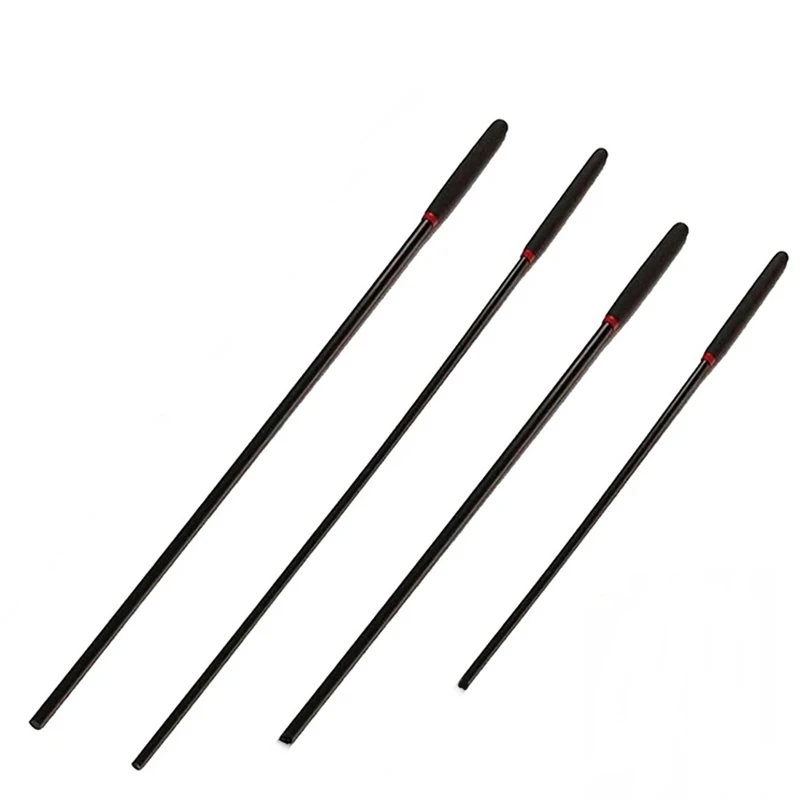

Recommended Products


Run through this checklist before clicking “Add to Cart”:
- First session, ever? → Nylon or suede flogger, 12–14 inches, tips ≥ ¾ inch.
- Allergic to latex or synthetic dyes? → Solid silicone or 100% leather.
- Humid climate / want to hose it off? → Silicone or nylon (both dry fast).
- Long-term investment (2+ years)? → Genuine leather or hybrid build.
- Your arm tends to fatigue? → Stick under 8 oz; add a foam grip wrap if the handle is smooth.
- Partner prefers broader, softer contact? → Choose the widest tip width available in your material.
At XNXXMALL, filter by material, tip width, and weight so you’re comparing like-for-like products rather than scrolling through 200 SKUs.
Safety & Care
Non-negotiables for any impact tool, regardless of material:
- Always use a water-based lubricant with silicone products. Silicone lubricant can degrade silicone tools, making them tacky or causing micro-cracks over time. Water-based is compatible with every material on this list.
- Clean before and after every use with mild, fragrance-free soap and warm water. Air-dry fully before storage.
- Store in a breathable pouch or a cloth bag—never a sealed plastic container, which traps moisture and encourages mold on leather or suede.
- Inspect tips and stitching before each session. A single frayed thread with a sharp edge can turn a gentle tap into a small abrasion.
- Respect age verification and local regulations. All partners must be consenting adults; check that your jurisdiction permits the purchase and use of intimate wellness products.
- Never hit joints, spine, kidneys, or any area where bone or organ sits close to the surface. Thighs, buttocks, and upper back are standard beginner zones.
For broader context on maintaining comfortable, healthy intimate routines, the Mayo Clinic’s sexual-health resources are a useful, non-embarrassing reference: [mayoclinic.org/healthy-lifestyle/sexual-health](https://www.mayoclinic.org/healthy-lifestyle/sexual-health).
Top Recommendations
| Budget | Pick | Why |
|—|—|—|
| Under $30 | 14-inch nylon flogger, ¾-inch tips, foam handle | Lightest entry; zero break-in; easy to replace |
| $30–$70 | 16-inch suede flogger with cork handle | Slightly more depth than nylon; still forgiving; good middle ground |
| $70–$130 | 12-inch genuine leather flogger, ½-inch tips, wrap handle | Traditional feel; develops character; long lifespan |
| $130+ | Hand-stitched hybrid (leather tips, nylon core) or artisan silicone | Built to last 5+ years; consistent quality; premium gift option |
All four tiers are available at XNXXMALL with clear tip-width and weight specs listed on the product page, so you can verify before buying.
Worth It or Not?
Honest verdict by budget tier:
- $15–$30: Yes, if this is genuinely your first tool. You’re buying an experiment, not a heirloom. If it clicks, you’ll upgrade within a year. If it doesn’t, your loss is capped at a lunch out.
- $50–$100: The sweet spot for most couples who plan to make this a regular part of their intimate routine. You get better stitching, a more comfortable handle, and a tool that won’t fall apart after 15 uses.
- $150+: Worth it only if you’ve already used two cheaper tools and know exactly the tip width, weight, and material you want long-term. Otherwise, you’re paying for craftsmanship you won’t distinguish from a $70 tool in a first session.
The “not worth it” scenario: buying a 30-inch braided leather whip because it looked dramatic on a product photo. For a first impact tool, that’s a crop, not a flogger, and it demands technique you don’t yet have. Save it for year two.
More Options on XNXXMALL


Frequently Asked Questions
: What material flogger is best for a first impact play tool if I’m allergic to every synthetic?
A: Choose 100% vegetable-tanned genuine leather. It’s the most hypoallergenic option, is biodegradable, and can be cleaned with plain water and mild soap. Avoid dyed leather, as some dyes contain synthetic chemicals.
: What material flogger is best for a first impact play tool in a hot, humid climate?
A: Solid silicone. It won’t mildew, dries in under ten minutes, and can be rinsed under the tap. Nylon is the second-best option; avoid suede and uncoated leather, which trap moisture.
: Does the material of the flogger actually change how much it “stings” versus “thuds”?
A: Yes. Nylon and suede have a higher surface-area-to-mass ratio, so they create a sharp, tingling sting. Leather and silicone concentrate more weight into fewer, denser tips, producing a deeper, duller thud. Match the sensation profile to what your partner has said they’d find pleasurable rather than painful.
: What material flogger is best for a first impact play tool when the receiver has very sensitive skin or a low pain threshold?
A: A wide-tip (1 inch or more) nylon flogger under 6 oz, used at the slowest tapping speed. You can also place a thin t-shirt over the contact area to further spread the force. Reassess after two sessions before graduating to leather.
: How do I know when my flogger material has reached the end of its useful life?
A: Leather: deep cracks that don’t close when flexed, or tips that have split. Nylon: more than two tips frayed to a sharp edge, or handle stitching unraveling. Silicone: visible micro-cracks at the base or a change in flex that makes it feel brittle. Replace or repair promptly; a compromised tip can cause a small skin tear that takes weeks to heal.
Final Thoughts
There is no single “correct” answer to what material flogger is best for a first impact play tool—there’s only the material that matches your body, your partner’s comfort level, your climate, and your budget. Start light, start wide-tipped, start short. The tool is the least important variable; communication, consent, and technique are everything.
When you’re ready to compare options side-by-side with real tip-width specs, weight data, and material breakdowns, XNXXMALL’s impact-play section is organized to let you filter by exactly the factors covered in this guide. You’ll spend five minutes deciding instead of an hour scrolling.
And whatever you choose, keep the Mayo Clinic’s sexual-health page bookmarked as a neutral, medically reviewed reference for maintaining a healthy, comfortable intimate life beyond the bedroom: [mayoclinic.org/healthy-lifestyle/sexual-health](https://www.mayoclinic.org/healthy-lifestyle/sexual-health).
Your first flogger session should feel like a discovery, not a dare. Pick the material that makes both of you breathe easier, and the rest will follow.
 No products in the cart.