
Oil-Based Lubricants: A Complete Care and Cleaning Guide for Healthy, Comfortable Use
The short answer: oil-based lubricants are safe and effective for most users when you clean the product and your skin properly, store them correctly, never pair them with latex condoms, and treat any irritation as a signal to stop rather than something to push through.
Most guides about oil-based lubricants stop at “which one feels nicest.” That is a shopping question, not a health question — and it leaves the actual doubts unanswered. Can oil residue cause infections? How do you wash it off without stripping your skin? Does it degrade the toys you already own? Is slipping longer than the bottle says dangerous? This guide answers those questions directly, in the order people actually think of them, with an emphasis on hygiene, skin barrier health, and material compatibility.
Quick Answers
- With latex condoms: No. Oil degrades latex within seconds to minutes, so oil-based lubricants are incompatible with barrier contraception and STI protection.
- With silicone toys: Generally yes, but patch-test first — some silicone-blend products can leave a tacky residue on porous-looking surfaces over long exposure.
- How to clean it off skin: Warm water and a mild, fragrance-free soap, applied with clean hands, then rinsed fully. Residue should not be “wiped away” with dry or perfumed wipes.
- How to clean a toy coated in oil: Mild soap and warm water, then a toy-safe cleaner or a 10% dilute bleach rinse if the product is non-porous and manufacturer-approved. Air dry before storage.
- Shelf life: Typically 6–24 months. Watch for separation, cloudiness, a rancid or “off” smell, or change in texture — any of these means discard.
- Irritation: Stop use, rinse with water only, and let skin recover. Persistent symptoms warrant a clinician, not a different flavor.
Who Is This For?
This guide is written for three groups:
Beginners buying their first bottle. If you are unsure whether “oil-based” even describes what you want, or you bought one because it was cheap and now you are unsure how to handle it, this is for you. There is no shame in not knowing — the information is genuinely scattered and often contradictory.
Couples and partners sharing products. When two people use the same bottle or the same item, hygiene and cross-contamination questions multiply. Section-by-section, we cover what changes when a product is shared rather than personal.
People with sensitive skin, recurring irritation, or a medical history (eczema, contact dermatitis, diabetes, recent surgery, immunosuppression, or a tendency toward yeast or bacterial imbalance). Oil-based formats are often better tolerated than some water-based formulas for dry, reactive skin — but the caveats matter more for you, not less.
It is not primarily for experienced collectors comparing textures. That content exists elsewhere on XNXXMALL.
Real Users, Real Stories
“Marcus,” 34, bought his first bottle of oil-based lubricant online after a pharmacist mentioned it might help with the friction and micro-tearing that had made post-shower skin tight and uncomfortable. He did three things right and one thing wrong, and the wrong one is the reason this section exists.
What he did right: he read the ingredient list, chose a single-oil formula instead of a blended one with fragrance, patch-tested a coin-sized amount on his inner forearm for 24 hours, and waited. No reaction. He used it as intended and found the reduced friction genuinely improved his comfort.
What he did wrong: he stored the bottle on a warm windowsill in his bathroom, next to the shower, where humidity and daily heat swings sat around it for weeks. Three months later the oil had turned faintly rancid and slightly gritty. He used it once before noticing, and the small area of irritation he blamed on “the product” was almost certainly the degraded product — not the category.
Marcus’s story is a clean illustration of the central point of this guide: the majority of oil-based lubricant problems are care and cleaning problems, not lubricant problems. The chemistry is stable. Our storage habits are not.
Myth vs Fact
Myth 1: “Any lubricant works with any condom or toy — it’s just about feel.”
Fact: material compatibility is a safety issue, not a preference. Oil-based formulas break down latex, which is why they must never be used with latex condoms or diaphragms. If barrier protection matters for you, a water-based lubricant is the correct category, full stop. Conversely, silicone-coated and platinum-cured silicone items tolerate oil far better than latex does, but porous materials (jelly, rubber, some “cyberskin” composites) absorb oil and become impossible to fully sanitise. Non-porous is the standard you should be shopping for.
Myth 2: “If it stings, just keep going — it means it’s working / you’re just sensitive.”
Fact: discomfort is information, never a training signal. A well-formulated product used on intact skin should not burn or smart. Stinging usually means one of four things: degraded product, an undetected sensitivity to a specific ingredient, skin that is already broken or chafed, or residue that has been left to sit and oxidise. The correct response is to stop, rinse with plain warm water, and let the skin barrier recover before drawing conclusions about the category. Reaching for a stronger or scented “numbing” variant to push through pain is how minor irritation becomes a clinician’s appointment.
A Typical First-Time Conversation
These are the questions a XNXXMALL advisor hears most often, and the honest answers.
> “Is oil-based actually safe, or is it the cheap option people buy by mistake?”
> It is a legitimate category with real advantages — long wear, no re-application, good for dry or reactive skin. It is not “cheap,” and it is not unsafe. But it is the wrong tool if you need latex compatibility.
> “How do I wash it off? Soap feels harsh down there.”
> Use a fragrance-free, gentle cleanser and warm — not hot — water. Warm water does most of the work; soap finishes it. Pat dry with a clean towel, don’t rub.
> “I have one silicone toy. Can I use oil with it?”
> Likely yes. Test a small hidden area, leave it for a few hours, and check for tackiness or discoloration before committing. And clean thoroughly afterwards, because oil is sticky to dust.
> “It says ‘safe for ingestion’ on the bottle. Should I trust that?”
> Read the actual ingredient list rather than the claim. Edible-grade single oils are one thing; a long list of flavorants, sweeteners, and preservatives is another, and sweeteners are a common trigger for yeast-related discomfort in susceptible people.
> “Where do I even start — there are fifty options.”
> Start with the shortest ingredient list you can find, unscented, from a retailer that publishes it. That single filter removes most of the risk before you have bought anything.
How to Choose
Recommended Products
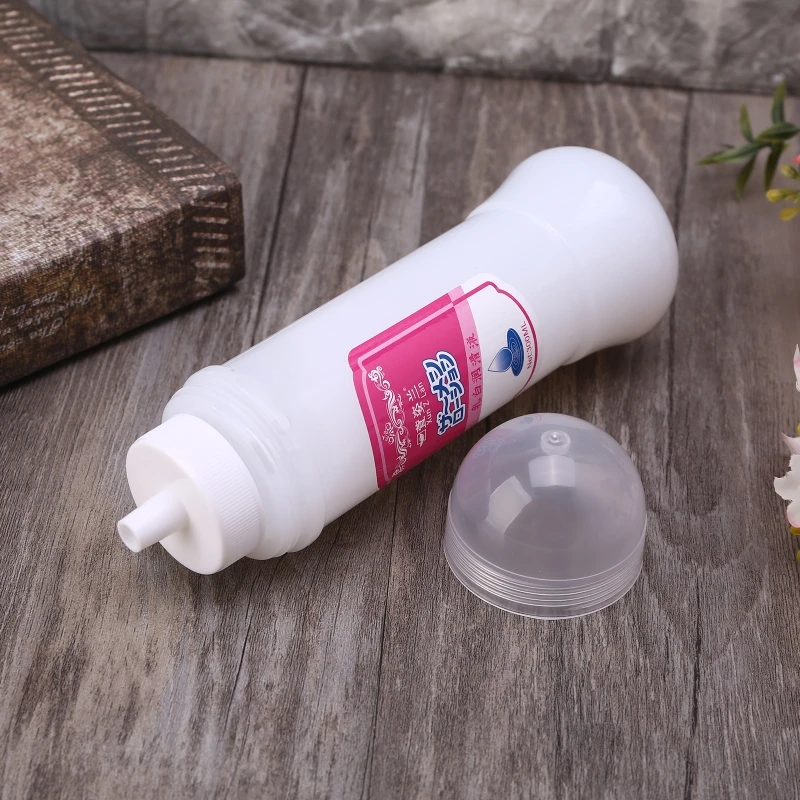



Recommended Products
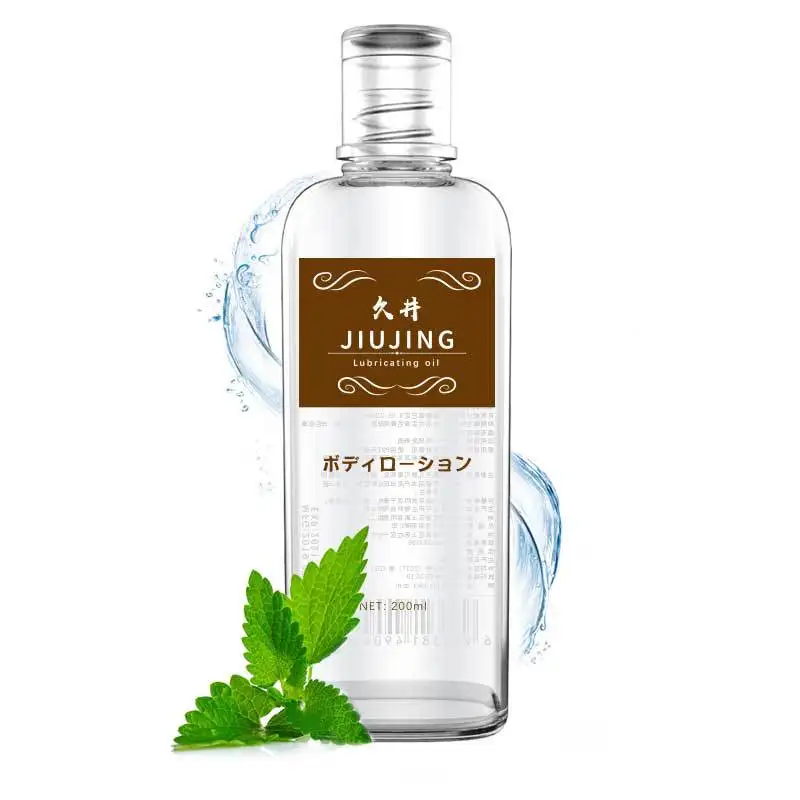
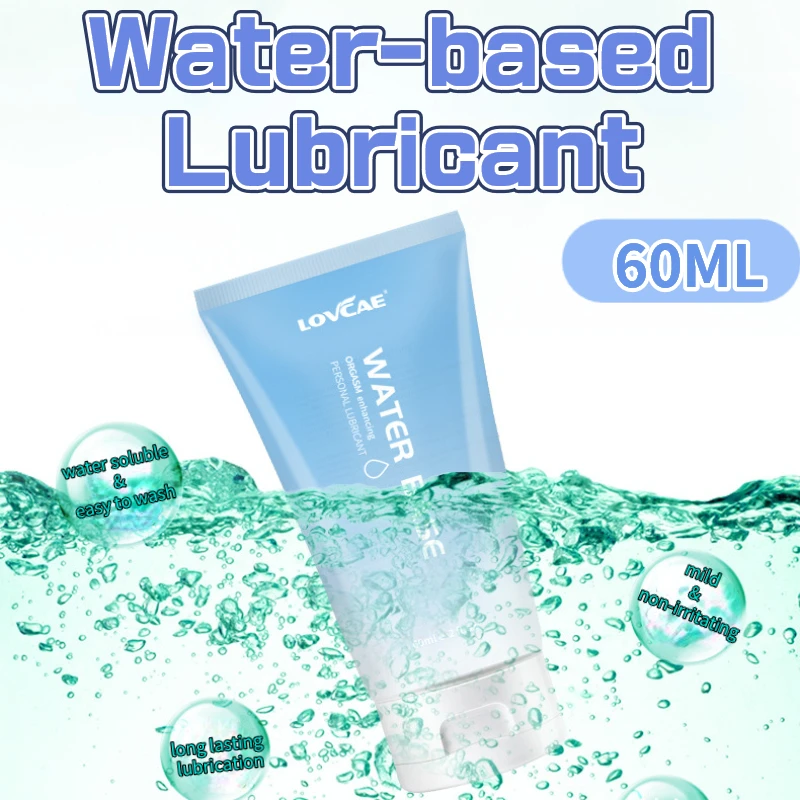
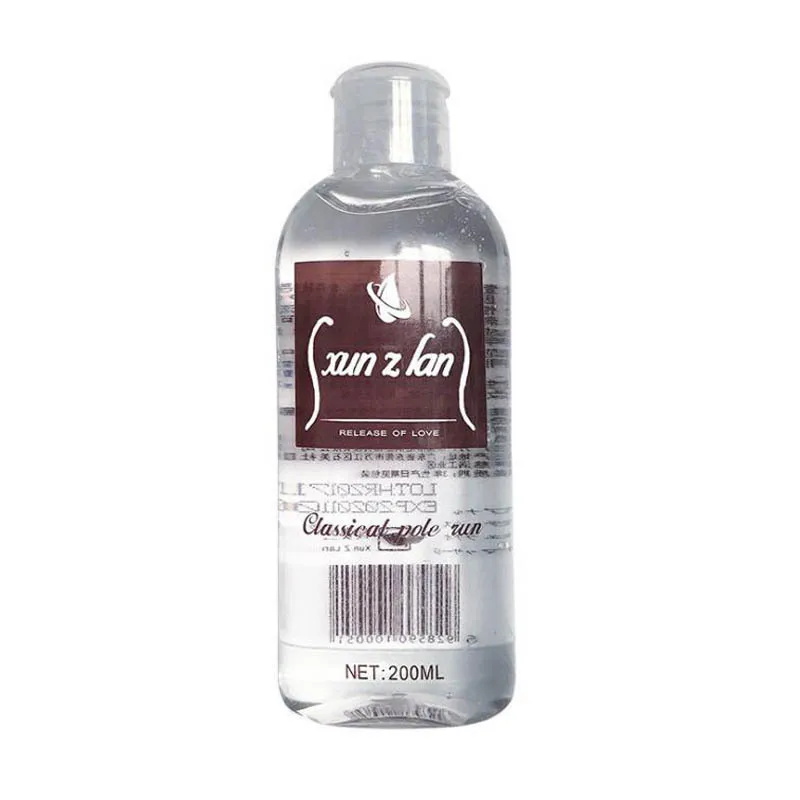

Choose in this order, and skip anything that fails an earlier step:
1. Rule out your material needs first. If you rely on latex condoms, oil-based is disqualified. Choose water-based and move on. This is the single most consequential filter in the whole decision.
2. Read the ingredient list, not the marketing. A short list you can recognise beats a long list with ten “natural” claims. Avoid fragrance, menthol, warming agents, and sugars if you have any history of irritation or yeast imbalance.
3. Match viscosity to purpose. A thin oil spreads and absorbs quickly; a heavier oil stays on the surface longer. Neither is “better” — they solve different comfort problems.
4. Prefer sealed, pump-dispenser or single-dose formats over wide-mouth jars. Every finger dipped into a jar introduces microbes into a product with no water content to buffer them.
5. Buy from a retailer that discloses ingredients and batch/expiry data. XNXXMALL lists full INCI ingredient breakdowns and lot information precisely so this step is not guesswork.
6. Buy small first. A 30 mL trial tells you everything a 200 mL bottle eventually will, without a year of storage risk in between.
Safety & Care
Care is where oil-based formats are genuinely different from other lubricants, and where the practical payoff lives.
Cleaning before and after. Wash your hands before handling any product, and clean the skin area before and after with mild soap and warm water. Leaving oxidised oil on skin overnight is a far more common cause of follicle irritation and contact dermatitis than any ingredient in a fresh bottle. Never use antiseptics, alcohol wipes, or harsh surfactants on delicate skin — the barrier damage costs more than the sanitising gains.
Compatibility rules. Always use a water-based lubricant with silicone products where long-dwell silicone-on-silicone contact is involved, and never use oil-based lubricants with latex condoms or barrier protection. For cleaning of items, clean before and after with mild soap and warm water, then air dry completely on a clean towel before putting anything away.
Storage — the discipline most people skip. Oil degrades with heat, light, and oxygen. Keep bottles away from radiators, windowsills, and shower ledges. Store in a cool, dry place, caps wiped clean and closed tight. Store items in a breathable pouch rather than sealed plastic or a shared zip-bag, where trapped moisture encourages microbial growth and where darker temperatures alone will not save you. Separate pouches per material also prevent dye transfer between items.
Watch the clock. Note the opened-on date in pen on the bottle. Discard at the expiry date, or immediately upon separation, cloudiness, graininess, or any sour or crayon-like smell. Rancid oil is not merely unpleasant; oxidised lipids are actively irritating to skin.
Sharing. Ideally, one bottle per person. If a bottle is shared, dispense rather than dip, and never share porous items between partners without a fresh barrier or a full sanitisation cycle appropriate to the material.
Regulations and age. Respect age verification and local regulations. A retailer that asks for age confirmation is doing you a service, not a hurdle; so is one that ships in plain, discreet packaging and lets you review a stated returns and hygiene policy before ordering. If a site skips verification entirely, that is a signal about the quality of its sourcing.
When to see a professional. Seek medical advice for pain that persists beyond 48 hours after stopping use, any discharge, open sores, swelling, or symptoms that recur each time you use a product. For background on sexual health, comfort, and when symptoms warrant assessment, the Mayo Clinic’s sexual health resource is a reliable starting point: https://www.mayoclinic.org/healthy-lifestyle/sexual-health
Top Recommendations
Rather than ranking specific bottles, here is the shortlist of formats worth seeking, in order of how forgiving they are for a first-time buyer:
1. Single-ingredient, unscented, pump-dispensed oil — the safest place to start. Predictable chemistry, minimal irritation surface area, hygienic delivery.
2. Fractionated coconut (MCT) formulas — stay liquid, resist rancidity better than whole oils, and are usually well tolerated. Still not for use with latex.
3. Vitamin-E-fortified blends — the added antioxidant modestly slows oxidation, which helps shelf life once opened.
4. Single-dose sachets — slightly more cost per use, but they eliminate storage risk and are the best choice for travel or shared-use households.
5. Skip, at least initially: flavoured, warming, tingling, or “orgasm-enhancing” oil products. Each added active is another potential irritant with no health benefit whatsoever.
Browse the oil-based category at XNXXMALL with the ingredient filter set to “fragrance-free” and the format filter set to “pump” — that two-click combination reliably narrows a large catalogue to a defensible shortlist.
Common Mistakes & How to Avoid Them
- Using oil with a latex condom. Non-negotiable error. If protection is required, switch categories to water-based.
- Storing in the bathroom. Humidity and heat swings accelerate degradation. A bedroom shelf beats a shower ledge every time.
- Dipping fingers into a jar. Introduce microbes and skin flakes into a product with no preservative water-phase to help. Decant into a pump or buy pump formats.
- Leaving residue on skin or items overnight. Oxidised oil is the irritant most people misattribute to the formula.
- Assuming “natural” means “stable.” Cold-pressed plant oils go rancid faster than refined, stabilised ones. Natural is a sourcing claim, not a shelf-life claim.
- Ignoring expiry “because there’s hardly any left.” A small amount of degraded oil is worth less than a week of irritation.
- Mixing products in one container. Different formulations, preservative systems, and pH interact unpredictably. One product, one bottle.
- Storing items damp. Air dry fully, then pouch. Trapped moisture is the primary failure mode for hygiene in a drawer.
- Treating discomfort as normal. See Myth 2. Stop, rinse, reassess.
More Options on XNXXMALL



Frequently Asked Questions
: Are oil-based lubricants safe for regular use, and what care and cleaning routine keeps them that way?
A: Yes, for most users, provided the routine is followed: hands washed before handling, skin cleaned before and after with mild soap and warm water, items air-dried and stored in a breathable pouch, the bottle kept cool and dark, and anything past expiry or showing odor or texture changes discarded. Care and cleaning, not the ingredient list alone, determines whether regular use stays comfortable.
: Why do people ask so much about oil-based lubricants care and cleaning rather than about the products themselves?
A: Because the category behaves differently. Water-based formulas rinse away and largely take their own residue with them; oil-based formulas cling, oxidise, and attract dust. Every problem people actually experience — grit, smell, irritation, sticky items — traces back to a handling step, which is why questions cluster on care and cleaning rather than on selection.
: How do I clean oil-based lubricant residue off my skin without causing more irritation?
A: Warm (not hot) water and a fragrance-free, gentle cleanser, worked in with clean hands, then rinsed thoroughly and patted dry with a clean towel. Avoid scrubbing, exfoliants, and antibacterial washes. If skin feels tight afterwards, your water was too hot or your cleanser too stripping — both fixable, and both more likely causes of discomfort than the lubricant.
: Can I use oil-based lubricants with my existing items, or does cleaning requirements change the answer?
A: Compatibility depends on material. Non-porous silicone and glass tolerate oil well; latex is damaged by it; porous jelly and rubber absorb oil and cannot be reliably sanitised afterwards, which is a cleaning failure rather than a usage one. Patch-test a discreet area first, clean thoroughly after every use, air dry completely, and store in a separate breathable pouch.
: If I get the storage and cleaning right, how long will a bottle realistically last?
A: Until the printed expiry date, not “until it’s empty.” With cool, dark, sealed storage and a pump dispenser, an opened bottle is typically good for 6–12 months. In a jar, dipped by hand, or stored warm, expect materially less. The honest test is sensory: clear, smooth, and neutral-smelling means usable; anything else means bin it.
Final Thoughts
Oil-based lubricants are not a compromise and not a risky novelty — they are a stable, well-tolerated category whose reputation suffers mainly because nobody explains the handling. Get three things right and the vast majority of complaints disappear: keep oil away from latex, clean before and after with mild soap and warm water, and store everything cool, dry, and in a breathable pouch. Buy small, read the ingredient list, note your opened date, and treat any sting as a question to answer rather than a hurdle to push through.
When you are ready, XNXXMALL publishes full ingredient breakdowns, lot and expiry information, and honest compatibility notes on every product page — so the decision stops being guesswork the moment you make it. Start with one fragrance-free bottle and one pouch, and see how much quieter the whole question becomes.
For ongoing guidance on comfort, sexual health, and the signs that warrant a conversation with a clinician, the team at Mayo Clinic maintains an accessible, evidence-based library worth bookmarking: https://www.mayoclinic.org/healthy-lifestyle/sexual-health
 No products in the cart.