
Clitoral Vibrator Overuse: Sensitivity Loss, Recovery, and What the Science Actually Says
If you’ve noticed a temporary dulling of sensation after extended vibrator sessions, the short answer is this: it is almost always a reversible, short-term neural adaptation—not permanent damage—and a structured rest-and-recovery plan brings full sensitivity back within days to a few weeks.
Quick Answers
- Does regular use permanently “destroy” nerve endings? No. Research on peripheral sensory nerves shows temporary desensitization, not structural loss, at consumer-level intensities.
- How long does recovery typically take? Most users report full baseline sensitivity returning within 48–72 hours after a break; some need up to two weeks for complete reset.
- Is it safe to alternate devices or intensities? Yes—varying pressure points and intensity levels reduces the chance of localized over-adaptation.
- When should I see a doctor? If numbness persists beyond three weeks without any use, or if you experience pain unrelated to arousal, consult a urologist or pelvic-health specialist.
- Can I “train” my body to prefer touch over vibration again? Consistent low-stimulation routines and gentle manual exploration help recalibrate sensory pathways.
Who Is This For?
This guide speaks to several audiences at different stages:
- First-time buyers who are nervous that any use will “ruin” their natural sensitivity.
- Regular users who have built a daily habit and suddenly notice a plateau in responsiveness.
- Couples where one or both partners rely on vibration and want to reintroduce varied sensory experiences.
- Anyone experiencing anxiety after reading exaggerated forum threads claiming permanent damage, and who needs calm, evidence-based reassurance.
If you fall into any of these groups, the information below is designed to replace fear with a practical recovery framework.
Real Users, Real Stories
Case study: “M,” first-time buyer, age 29 (anonymous, shared with permission)
M purchased a compact clitoral vibrator from XNXXMALL after reading conflicting advice online. Within the first week, she used the device at its highest intensity for nearly an hour, three days in a row. By day four, she described the sensation as “muted, like pressing a pillow against skin.” She reached out to XNXXMALL’s support line and was guided through a structured rest protocol: 72 hours of zero vibration, gentle warm compresses on the lower abdomen, and low-pressure manual exploration on day 74. By day five, she reported feeling “the same tingling I had on day one.” She now limits sessions to 15–20 minutes at medium intensity and calls the reset “the most important 24 hours of my sexual self-care routine.”
Myth vs Fact
Myth 1: “Once you use a vibrator, your body will never respond to touch or a partner again.”
Fact: The clitoral and vulvar nerve supply (primarily the pudendal and ilioinguinal nerves) adapts to sustained, high-intensity, unvarying stimulation. That adaptation is functional, not structural. Remove the over-stimulus, and normal sensory processing resumes. Studies on peripheral nerve desensitization in non-sexual contexts (e.g., prolonged pressure from medical casts) show full recovery within days. The nerves are not “worn out.”
Myth 2: “More minutes and higher settings equal better results, so I should push through the numbness.”
Fact: Pushing through a dulling phase is the fastest way to extend the adaptation window. Sensitivity is a feedback loop; the moment the brain registers “no new signal,” it stops allocating attention. Restoring the signal gap—by pausing, switching to lighter touch, or simply waiting—re-resensitizes the pathway far more effectively than cranking intensity up.
A Typical First-Time Conversation
Setting: A partner, let’s call them Jordan, texts their partner Sam after noticing reduced responsiveness during intimacy.
Jordan: “Hey, I just want to check—I’ve been using that little clitoral unit a lot these past two weeks. Lately it feels like my skin’s gone a bit ‘muted.’ Is that normal, or did I break something?”
Sam: “Honest? It’s not broken. Your nerves just adapted to the constant buzz. Think of it like pressing your thumb against your arm for 20 minutes—you stop feeling it. Give it a 48-hour break from the device, maybe some gentle, slow touch instead, and you’ll feel the difference.”
Jordan: “Okay… should I throw the thing away?”
Sam: “Nope. It’s still a great tool. Just build in a ‘sensitivity reset day’ every week or two—lower settings, shorter sessions, and mix in other forms of stimulation. I read a guide on XNXXMALL’s wellness page that basically walks through a 10-day rotation plan. Want me to send it over?”
Jordan: “Yes, please. Thanks for not making it weird.”
Sam: “Never. Your body’s telling you what it needs. That’s the whole point.”
How to Choose (a Sensitivity-Aware Approach)
Recommended Products

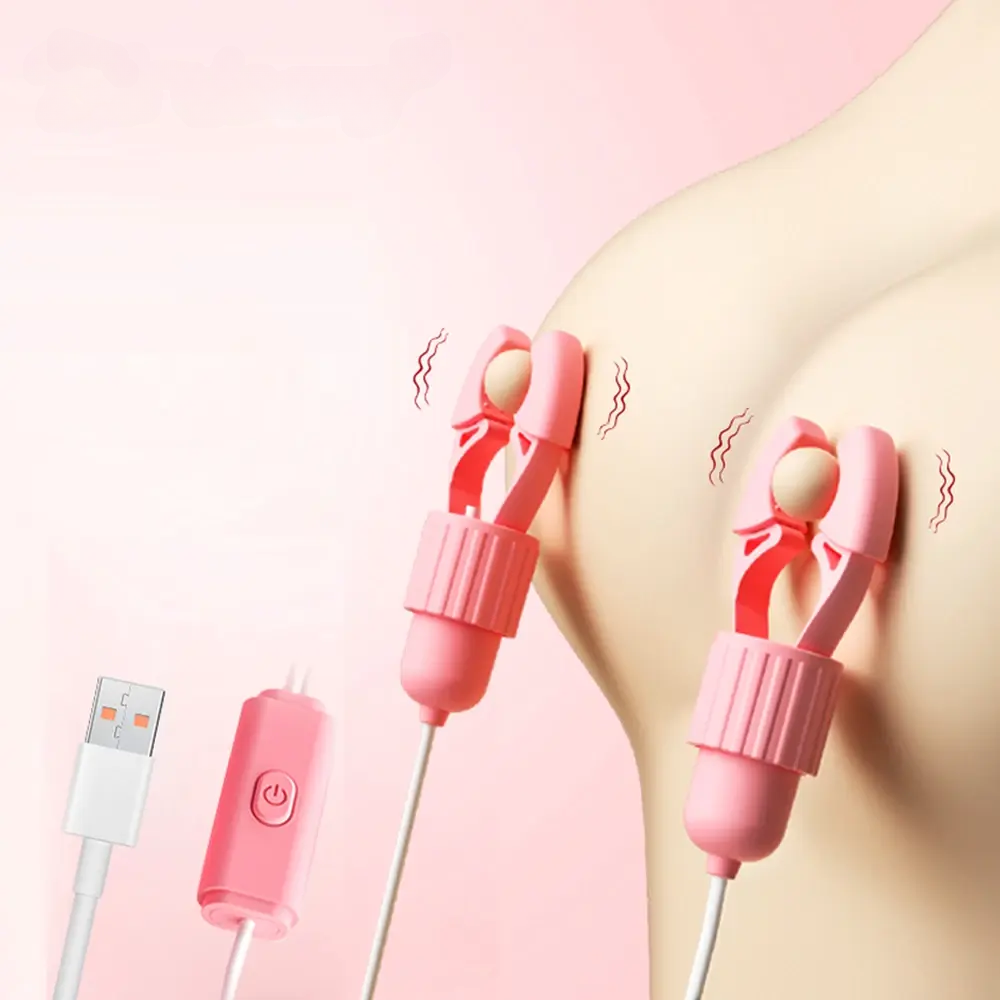
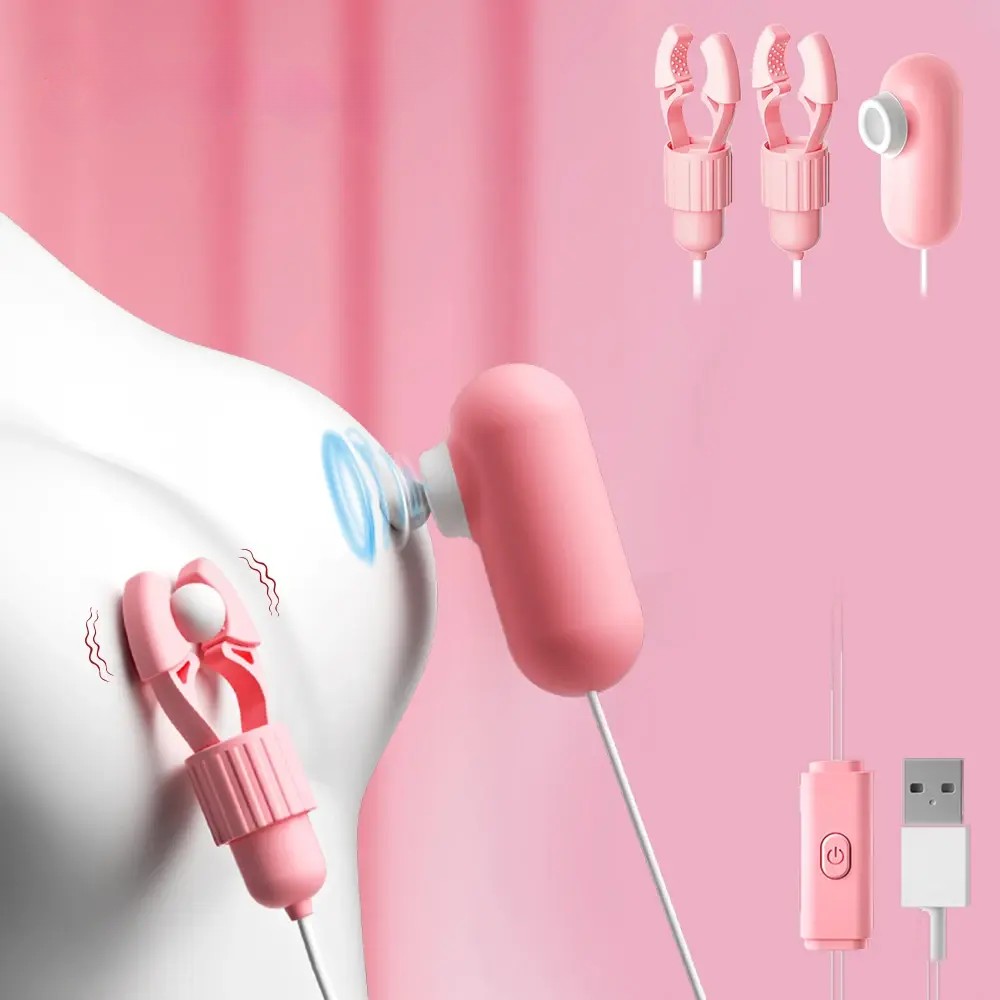

Recommended Products
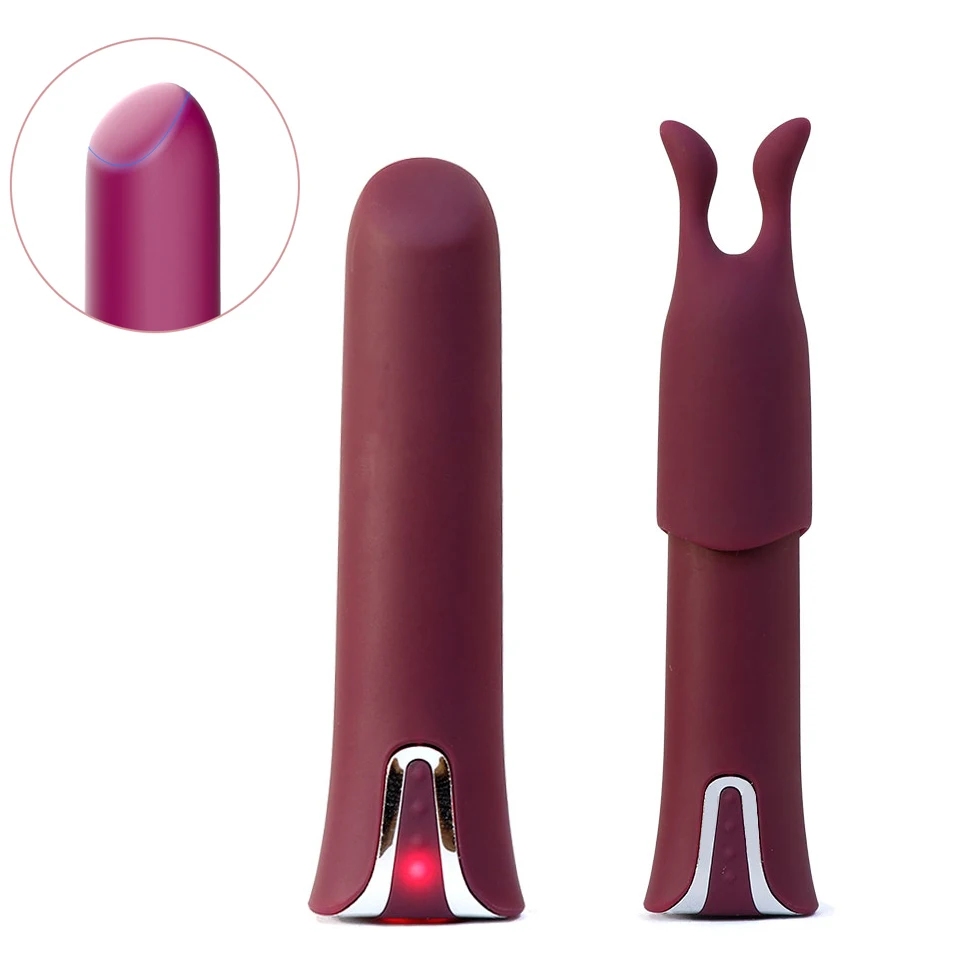
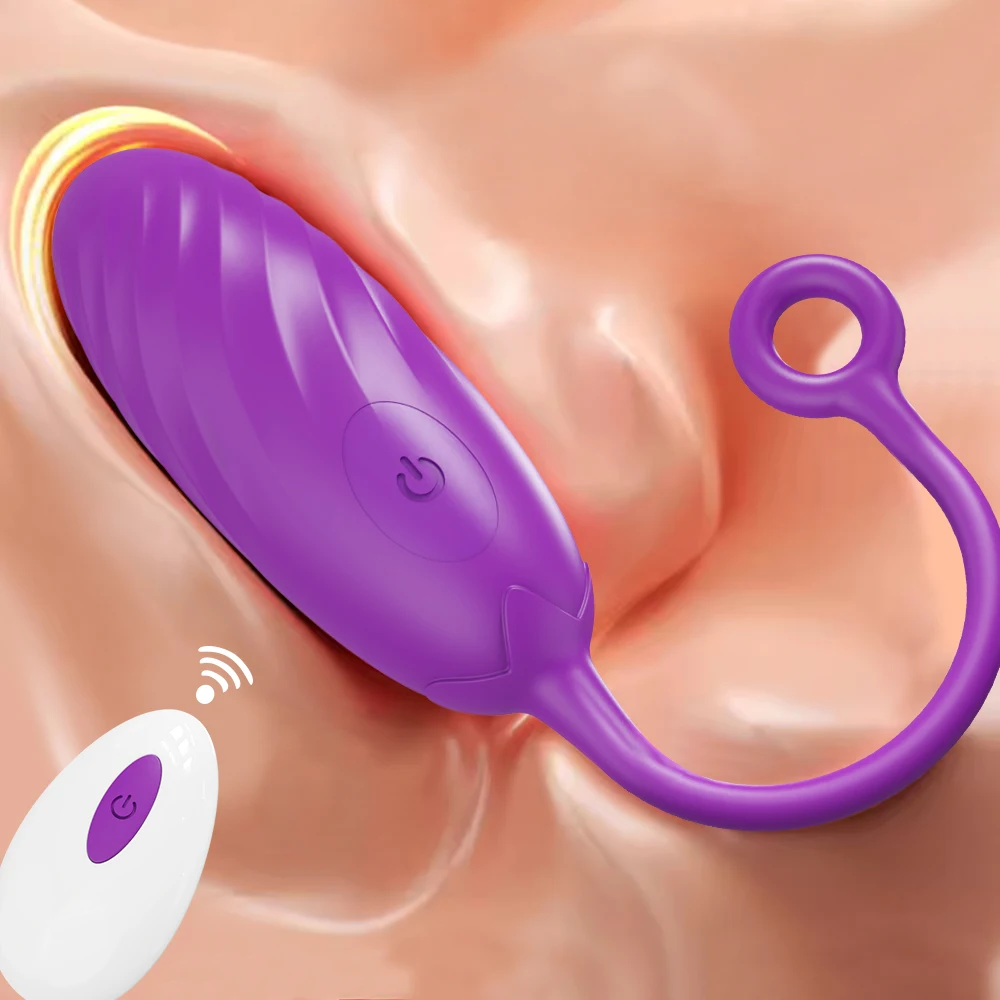

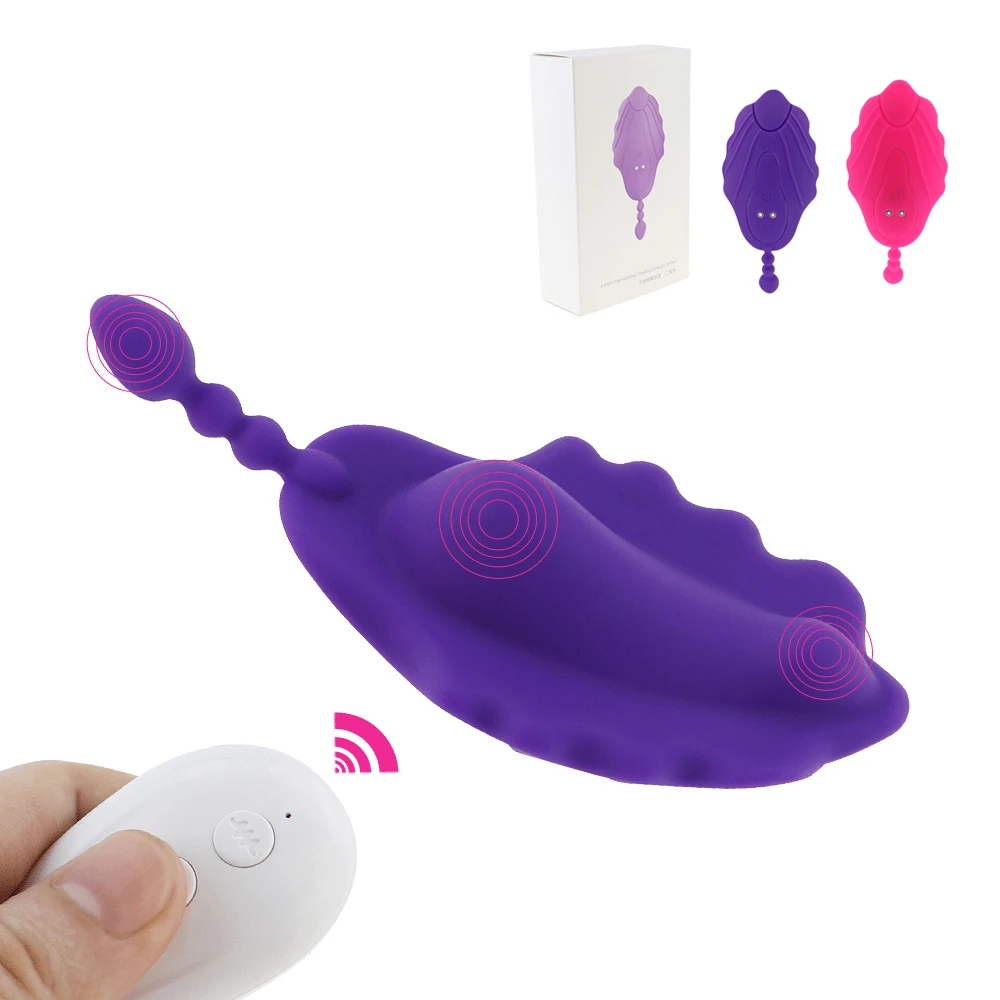
When selecting a clitoral vibrator with sensitivity recovery in mind, prioritize these criteria:
- Variable intensity (at least 5–10 levels): Lets you start gentle and scale only as needed.
- Vibration pattern variety: Pulsing, tapping, and “thrumming” modes stimulate different nerve receptors, reducing single-pattern adaptation.
- Compact, ergonomic head: Smaller contact areas distribute pressure more evenly and lower the risk of focal desensitization.
- Body-safe materials (medical-grade silicone): Pore-free, non-porous, and hypoallergenic—critical for skin that is already in a recovery state.
- Rechargeable, quiet motor: A quiet motor means you can use lower settings comfortably without “compensating” with volume.
Browse the curated range at XNXXMALL, where each product page lists intensity counts, material specs, and recommended session-length guidance so you can plan your routine from the start.
Safety & Care
Treat your recovery protocol with the same care you’d give any gentle physical therapy:
- Always use a water-based lubricant with silicone products. Silicone-on-silicone can degrade the surface; a water-based gel keeps friction low and protects the device’s coating.
- Clean before and after every session with mild, fragrance-free soap and warm water. Allow to air-dry fully before storage.
- Store in a breathable pouch (cotton or unlined fabric) rather than a sealed plastic bag, which traps moisture and encourages microbial growth.
- Respect age verification and local regulations. Purchases from XNXXMALL require confirmed 18+ status, and shipping is restricted to jurisdictions where adult wellness products are legally sold.
- Follow the “72-hour rule”: If you notice a 20–30% drop in perceived sensation during a session, stop immediately. Reintroduce gentle touch the next day, not the same day.
- Avoid numbing or tingling lotions on the area during recovery—they add a second variable that masks your true sensory baseline.
Top Recommendations
For users focused on sensitivity recovery and balanced use, these form factors tend to serve the goal well (available at XNXXMALL):
| Need | Feature to Look For | Why It Helps |
|—|—|—|
| Resetting after overuse | 5+ gentle levels, “warm-up” settings below 1/10 | Prevents re-triggering the adaptation window |
| Couples’ shared exploration | Dual-zone (external + internal) with remote | Varies the stimulus, reducing single-point overload |
| On-the-go discretion | Compact, app-controlled, quiet <45 dB | Lets you stick to the 15-min cap without fumbling |
| Sensitive-skin users | Medical-grade silicone, no phthalates, hypoallergenic cap | Minimizes contact dermatitis that can mimic desensitization |
XNXXMALL’s product pages include a “Sensitivity Rotation” checklist so you can map a weekly plan before you even open the box.
Common Mistakes & How to Avoid Them
1. Leaving the device on “max” as a default habit. Fix: Start every session at level 2–3; build up only if the feedback feels flat.
2. Using the same spot for 45+ minutes without rotation. Fix: Shift contact point every 5 minutes; alternate sides; incorporate circular rather than static pressure.
3. Skipping the cleanup step “just this once.” Fix: A 30-second rinse-and-dry habit prevents irritation that can look like sensitivity loss.
4. Conflating anxiety with physical desensitization. Fix: Note whether the dullness appears only in high-arousal moments (often performance anxiety) or persists at rest (true neural adaptation). The recovery timelines differ.
5. Blaming the device. Fix: The motor hasn’t “broken” your nerves. Adjust the protocol, not the hardware, unless the unit is defective.
More Options on XNXXMALL



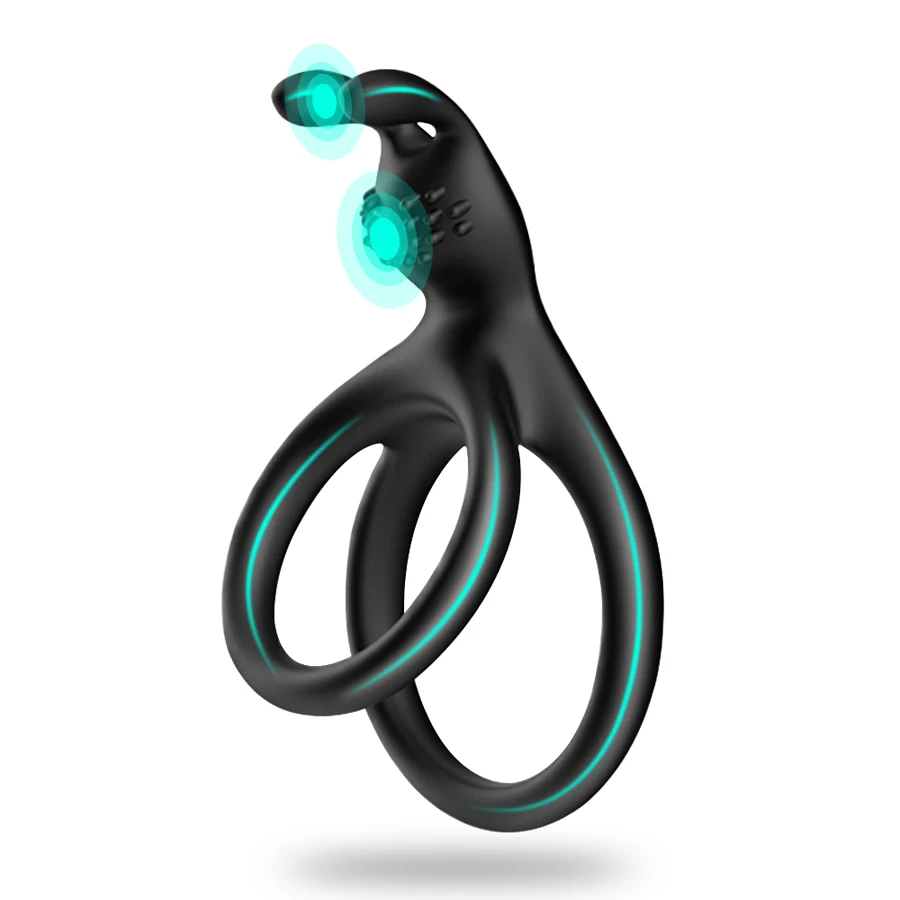
Frequently Asked Questions
: How do I know if my clitoral vibrator overuse has caused real sensitivity loss versus normal fatigue?
Start a 72-hour no-vibration window. If tingling and arousal response return to your remembered baseline, it was short-term neural fatigue. If dullness persists beyond three weeks with zero device use, schedule a pelvic-health consult to rule out other causes.
: Can clitoral vibrator overuse sensitivity loss be reversed completely, or is some change permanent?
At consumer-level intensities (typical 10–3000 vpm), the evidence points to full reversibility. The peripheral sensory nerves in the vulvar region do not undergo structural loss from vibration alone. Permanent change is exceedingly rare and usually linked to pre-existing conditions (e.g., diabetic neuropathy), not the device.
: What’s the safest frequency for using a clitoral vibrator without risking sensitivity loss?
A reasonable guideline is 2–3 sessions per week, each capped at 15–20 minutes, with at least one full “no-stimulation” day between sessions. Rotate patterns and intensities so no single nerve fiber is repeatedly the most-stimulated.
: Does clitoral vibrator overuse sensitivity loss mean I’ll never enjoy manual stimulation again?
No. The two channels—vibratory and tactile—use overlapping but distinct neural pathways. A short break from vibration typically improves responsiveness to manual touch, pressure, and temperature cues. Many users report that post-recovery, their baseline manual sensitivity feels sharper than before they started the routine.
: I’ve been off the device for two weeks and still feel “muted.” What should I do next?
Track three variables: (1) Are you using any numbing products, new soaps, or medications with known sensory side-effects? (2) Have you slept 7+ hours per night—poor sleep lowers peripheral nerve recovery speed? (3) Is there stress-related muscle tension in the pelvic floor? If all three are controlled and dullness persists, a pelvic-floor physiotherapist can assess for hypertonicity that mimics desensitization. XNXXMALL’s FAQ section links to a vetted directory of pelvic-health practitioners.
Final Thoughts
Sensitivity is not a fixed trait—it is a dynamic, trainable signal. A clitoral vibrator is a wellness tool that, when used with intention, respect for rest cycles, and proper after-care, enhances rather than diminishes your sensory vocabulary. The moment you notice a plateau, the correct response is less, not more: a brief pause, a gentler intensity, a wider rotation of touch types, and a cleaned, stored device ready for its next measured session.
If you’re ready to build a sustainable routine—or simply want a device whose packaging includes a printed “Sensitivity Rotation” card—explore the curated clitoral vibrator collection at XNXXMALL. Every product ships with a body-safe silicone guarantee, a 30-day comfort exchange, and a link to evidence-based sexual-health resources.
For a broader, clinician-reviewed perspective on sexual wellness and nerve health, the American Medical Association’s partner resource at [Mayo Clinic – Sexual Health](https://www.mayoclinic.org/healthy-lifestyle/sexual-health) offers a calm, science-first reading companion.
Your body keeps score, yes—but it also heals. Treat the recovery window with the same kindness you’d give a sprained ankle: rest, gentle motion, patience, and no rushing. The sensation you thought you’d lost was never gone. It was just waiting for you to stop, listen, and start again—softer.
 No products in the cart.