
Travel Essentials for Beginners: A Smart Shopping Guide to Portable Personal Wellness
If you’re planning your first trip and wondering which intimate-care and personal-wellness items actually make sense to pack, you’re not alone. “Travel essentials for beginners” has become a common search for people who want to maintain their personal comfort, hygiene, and wellness routine on the road without overcomplicating their luggage. This guide is written for first-time buyers who want to evaluate options honestly—comparing materials, sizes, practicality, and value—so you walk into the store (or online checkout) with a clear decision rather than a shopping cart full of impulse purchases.
Whether you’re a frequent business traveler, a backpacker, or someone simply starting to take their personal wellness more seriously, the goal here is the same: identify what you genuinely need, skip what you don’t, and spend your budget where it actually matters.
What Makes a Good One: 5 Buying Factors
Before you browse a product list, score any item you’re considering against these five criteria:
1. Portability & Size. A true travel essential fits in a toiletry bag under two inches wide. Check dimensions, not just marketing labels like “compact.”
2. Material Safety. For anything touching skin, look for body-safe certifications (medical-grade silicone, BPA-free plastic, ABS). Avoid porous materials that trap bacteria.
3. Ease of Cleaning on the Road. You won’t have a sink and warm running water in a hostel bathroom. The item should be quick-rinse friendly or come with a sealed, hygienic design.
4. Universal Compatibility. A lubricant, for example, should pair with your specific product material. A water-based formula works with silicone, glass, and TPE; an oil-based one may degrade silicone over time.
5. Airline & Customs Compliance. Items with small batteries (USB-rechargeable devices) must have lithium under 100 Wh. Check your airline’s carry-on rules. No sealed, unopened package should be a problem, but verify before you fly.
Materials & Build Compared
| Material / Build | Pros | Cons |
|—|—|—|
| Medical-grade silicone | Hypoallergenic, non-porous, heat-stable, long lifespan | Slightly higher price; requires water-based lubricant only |
| ABS / BPA-free hard plastic | Very affordable, easy to sanitize, lightweight | Feels less premium; can be brittle at very low temperatures |
| TPE / TPR | Soft, flexible, budget-friendly | Porous surface—requires thorough cleaning every time; shorter lifespan |
| Borosilicate glass | Rigid, easy to sterilize, temperature-stable | Fragile; not ideal for rough travel conditions |
| Fabric pouches (cotton, bamboo) | Breathable storage, gentle on skin | Not a product itself; purely a storage accessory |
Honest takeaway: For a first-time buyer’s travel kit, medical-grade silicone or ABS items hit the sweet spot of safety, durability, and price. Glass is a premium option but a liability in a checked bag. TPE is fine for a one-trip purchase if budget is tight.
Real Users, Real Stories
Anonymous Case Study – First-Time Buyer, Business Traveler (Age 29)
> “I was assigned a three-week hotel stay in a new country and realized I hadn’t packed anything for my personal hygiene and comfort routine. I landed in the airport, opened a browser on my phone, and searched ‘travel essentials for beginners’ because I had no idea where to start. I read three comparison articles, then went with a small silicone-cased item (about the size of a lipstick), a 15 ml tube of water-based lubricant, and a breathable cotton pouch. Total spend: under $45. The hotel had no mini-bar options for any of this, so packing my own kit was the only sane choice. Two weeks in, the pouch kept everything separated, the silicone item wiped clean in ten seconds with warm tap water, and the lubricant sealed shut without leaking in my bag. I wouldn’t go on that rotation again without it.”
The lesson here: specificity beats volume. Three well-chosen, compact items outperformed a drawer full of oversized, home-only products.
Myth vs Fact
Myth 1: “I don’t need a separate travel kit; a hotel will provide everything.”
Fact. Standard hotel amenities cover soap, shampoo, and sometimes a toothbrush. They do not carry body-safe personal-wellness items, pH-balanced intimate cleansers, or compatible lubricants. If you are traveling to a region with different product availability, your kit is the only reliable supply.
Myth 2: “A bigger product is always better and more ‘reliable.’
Fact. For travel, smaller and sealed equals more reliable. A large home-use item is harder to clean, takes up space, and increases the chance of accidental damage in transit. Beginners who start with a compact, single-function product learn what they actually use before investing in a full home set.
A Typical First-Time Conversation
Setting: A friend, Maya, texts her roommate Jess while packing for her first solo weekend trip.
Maya: Okay, I found this “travel essentials for beginners” bundle and it’s got a big vibratory thing, like, the size of a banana. Should I just grab it?
Jess: For a one-bag trip? That’s a lot. What’s the battery life? Does it come with a charger you’d actually have in your outlet adapter kit?
Maya: …I didn’t even check. It’s USB-C. Do I need a separate cable?
Jess: That’s the problem. For your first trip, grab the lipstick-sized option instead. Silicone shell, no USB needed, wipes clean. You can always upgrade for home later.
Maya: Fair. And the lubricant?
Jess: Water-based, 15 ml tube. Pairs with silicone. Done. You’ll save two inches of toiletry bag.
Maya: Okay. That actually sounds way less stressful.
How to Choose
Recommended Products


Recommended Products

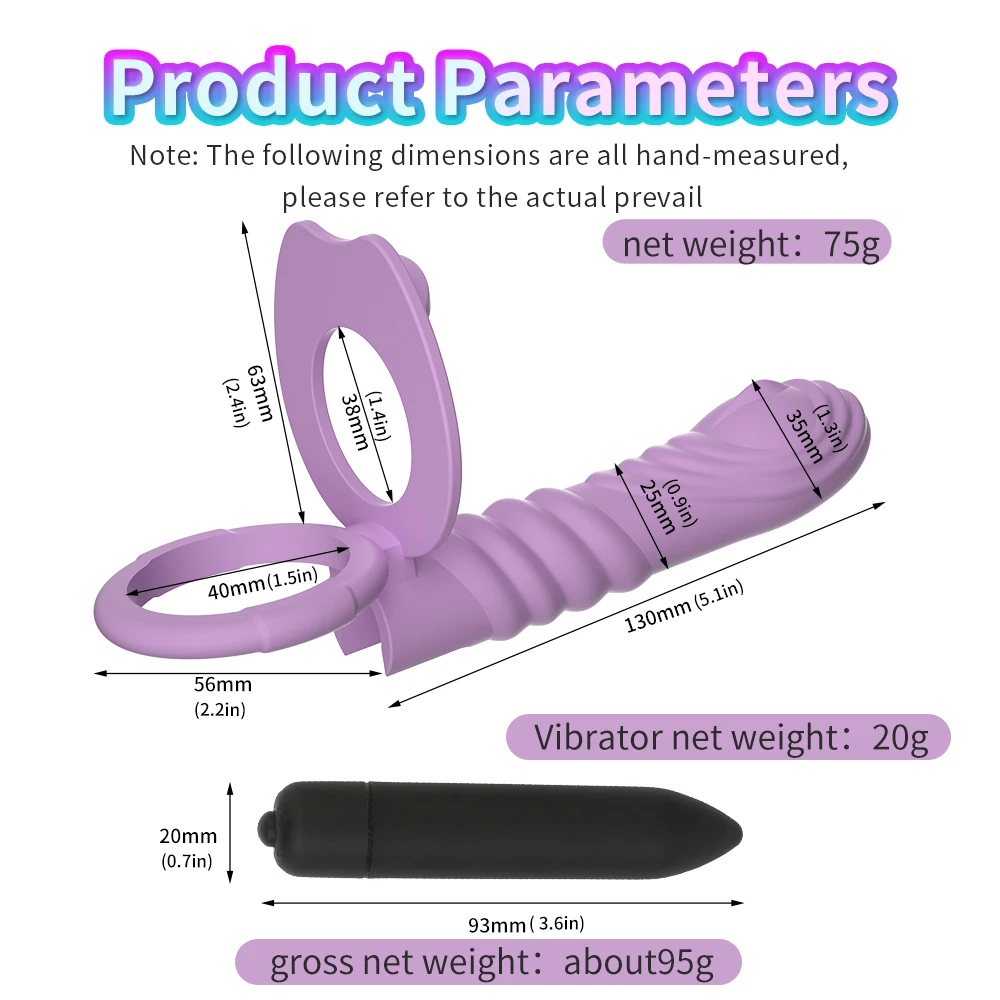
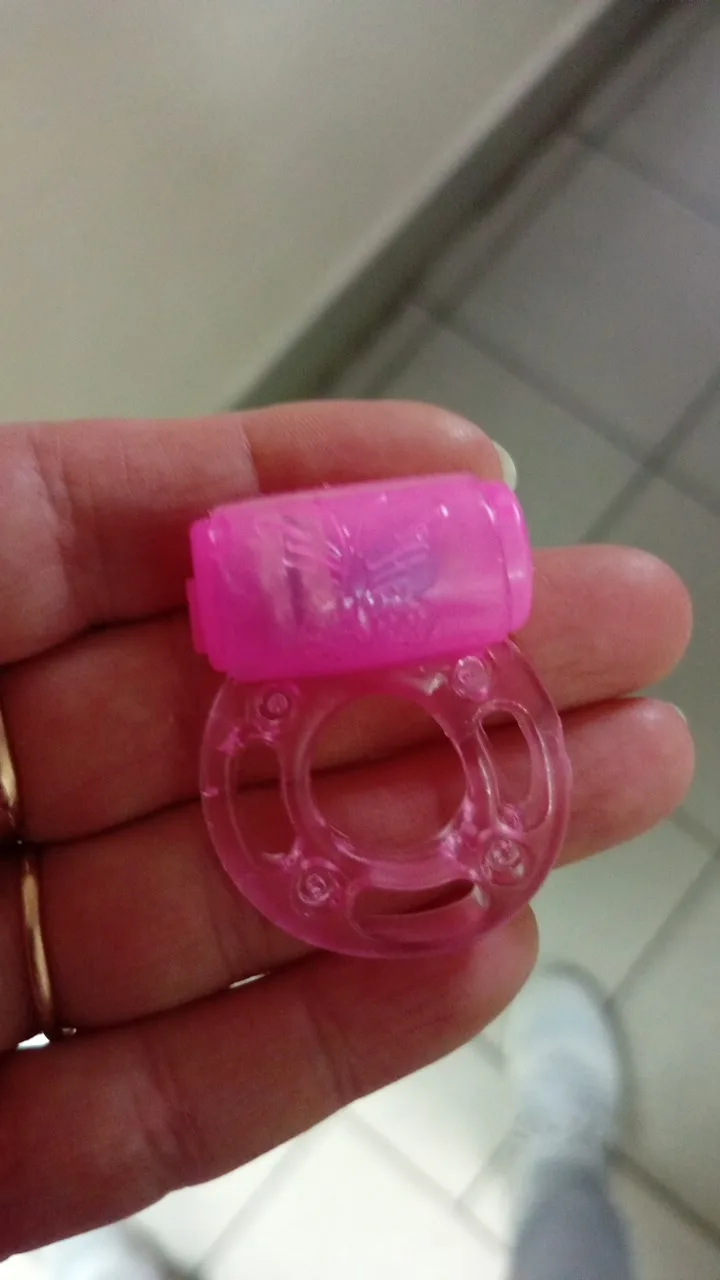
Use this quick decision tree:
- One short trip (≤ 48 hrs)? Lipstick-sized item + 15 ml lubricant + cotton pouch. Total under $40.
- Week-long trip with hotel stays? Add a travel-sized intimate cleanser (pH 4.5–5.5) and a small microfiber towel for cleaning.
- Multi-city / hostel backpacking? Prioritize weight. Go ABS or small silicone. Skip glass entirely.
- Sensitive skin or known allergies? Stick to 100 % medical-grade silicone or borosilicate glass. Avoid TPE.
- Flying with the item in carry-on? Confirm lithium battery capacity (< 100 Wh) and that the item is in original packaging with a clear label.
Safety & Care
Regardless of which product you choose, follow these non-negotiables:
- Always use a water-based lubricant with silicone products. Oil-based or silicone-based formulas can degrade the material over repeated contact.
- Clean before and after use with mild, fragrance-free soap and warm water. For non-porous items, a quick ten-second rinse under running water is sufficient; for TPE, follow the manufacturer’s sanitizing steps.
- Store in a breathable pouch (cotton or bamboo). Sealed plastic bags trap moisture and encourage microbial growth.
- Respect age verification and local regulations. Many regions require a minimum age of 18 to purchase intimate-wellness products. If you are traveling across borders, check customs declarations for your destination country—some jurisdictions restrict the import of certain personal devices.
For deeper, peer-reviewed guidance on maintaining intimate health during travel, the Mayo Clinic’s sexual-health resource centre is a solid, clinical reference: https://www.mayoclinic.org/healthy-lifestyle/sexual-health
Top Recommendations
1. Lipstick-Sized Silicone Well-Being Device – ~$28 | Non-porous, 90 s quick-clean, no charging. Best first trip.
2. 15 ml Water-Based Lubricant (SPF-free, pH 5.0) – ~$8 | Pairs with silicone, glass, TPE, and TPR.
3. Travel-Sized Intimate Cleanser (pH 4.5–5.5, fragrance-free) – ~$12 | Replaces “bath bomb” improvisations; gentle on mucosal tissue.
4. Bamboo Pouch + Microfiber Cleaning Cloth Set – ~$10 | Breathable storage; no plastic bag needed.
5. ABS Compact Body-Massage Wand (cordless, AA-battery) – ~$35 | Lightweight, no USB cable, easy to replace batteries anywhere.
All items above are available through XNXXMALL, which stocks them in sealed, labelled packaging suitable for carry-on security screening.
Worth It or Not? (Honest Verdict for Different Budgets)
- Under $50 total kit: Absolutely worth it. You cover hygiene, comfort, and material safety. No trip requires more.
- $50–$100: Adds a second device option or a glass item for those who prefer rigid, temperature-stable products. Good for repeated travel.
- $100+: For a beginner, this is overkill. Save the premium glass or multi-item sets for a home collection after you’ve confirmed what you actually use. The travel kit is a test run, not a warehouse inventory.
Frequently Asked Questions
: What are the most important travel essentials for beginners to pack for personal wellness on a trip?
Start with a compact body-safe device (silicone or ABS), a 15 ml water-based lubricant, a pH-balanced intimate cleanser, and a breathable pouch. That four-item core covers 90 % of needs under $60.
: Are travel essentials for beginners allowed on international flights?
In most cases, yes, as long as devices contain no liquid above 100 ml, lithium batteries stay under 100 Wh, and items are in original sealed packaging. Always check your specific airline and destination-country customs rules before you fly.
: How do I choose the right material when I’m new to these products?
Medical-grade silicone is the default for beginners: non-porous, hypoallergenic, and durable. If budget is the constraint, ABS is a safe, sanitizable alternative. Avoid porous TPE for repeated travel unless you commit to the full sanitizing routine.
: Can I just buy everything in one bundle from XNXXMALL instead of picking items separately?
XNXXMALL offers curated beginner travel bundles (device + lubricant + cleanser + pouch) that are pre-matched for material compatibility and size. Bundles save roughly 10–15 % versus individual checkout and guarantee you won’t pair an incompatible lubricant with your device.
: What’s the single most common mistake first-time buyers make with travel essentials for beginners?
Oversizing. Beginners tend to grab the “home” version of a product because it’s on a sale banner. In a carry-on, that extra two inches of diameter can mean a separate bag, a checked-bag fee, or a cramped toiletry kit. Start small, travel with it, then decide if you need the larger home version.
Final Thoughts
You don’t need a medical degree, a five-step routine, or a $200 kit to feel comfortable and well-cared-for on the road. You need three to five small, body-safe, easy-to-clean items chosen with intention. Match the material to your skin sensitivity, keep the pouch breathable, respect the age and customs rules of wherever you land, and you’re set.
If you’d like a pre-matched, travel-ready bundle that eliminates the guesswork, XNXXMALL stocks beginner kits with clear material labels, sealed packaging, and a simple return window in case something doesn’t fit your routine. Browse the “Travel & Go” collection, read the material safety cards on each product page, and pair your purchase with the clinical reference from the Mayo Clinic linked above for ongoing intimate-health context.
Pack light. Choose safe. Travel well.
 No products in the cart.