
Flavored Lubricant pH and Osmolality: A Complete Health Guide to Choosing a Safe Product
Intro
Personal lubricants have evolved far beyond simple moisturising gels. Flavored varieties—designed for oral intimacy—promise a palatable experience, but underneath the fruit-scented marketing lies a critical health question most shoppers never ask: Is this flavored lubricant pH and osmolality safe for my body?
The short answer is: not all of them are. The intimate mucosal tissues of the mouth, vagina, and rectum maintain very specific pH ranges and osmolality (solute concentration) levels. A product that wildly disrupts either can invite irritation, microbial imbalance, or microscopic tissue damage over time. This guide walks you through the science from the ground up, so you can make an informed, health-first decision.
Understanding Your Needs
Before you open a bottle, clarify three questions:
1. Where will the lubricant be used? Oral application means the product contacts the highly sensitive mucosa of the mouth and oesophagus. Internal (vaginal or anal) use means contact with tissue that relies on a delicate lactobacilli ecosystem (vaginal) or a mucus-protected lining (anal).
2. Do you have sensitivities? Allergies to glycerin, propylene glycol, parabens, or specific flavour agents (e.g., artificial vanillin, citric acid blends) can turn a “safe” product into an irritant for you.
3. What is your baseline pH? Vaginal pH typically sits between 3.8 and 4.5. Oral mucosa hovers near 6.0–7.5. Anal mucosa is closer to 7.0–7.5. A flavored lubricant that is strongly acidic or strongly alkaline can tip these balances.
Osmolality—measured in milliosmoles per kilogram (mOsm/kg)—matters because hypertonic fluids (generally above 1,200 mOsm/kg) draw water out of epithelial cells through osmosis, causing micro-drying and, with repeated use, micro-erosions that compromise the barrier function of the tissue. The World Health Organisation and several gynaecological bodies recommend that personal lubricants remain at or below 1,200 mOsm/kg for regular use.
Real Users, Real Stories
Anonymous case study – “Maya, 29, first-time flavored-lube buyer”
Maya had always used a plain, unflavoured water-based lube. Curious about a more pleasant oral experience, she grabbed the cheapest flavored bottle at a grocery store. Within two weeks of a single session, she noticed a persistent mild stinging in her mouth and a slight white coating on her tongue. She stopped using the product, and the symptoms faded in three days.
A pharmacist friend checked the ingredient list: the product contained 95 % propylene glycol, a high concentration of saccharin, and no pH buffer. The glycerin-to-glycerol ratio was off, pushing the effective osmolality well past 1,500 mOsm/kg. The acidic flavour agents (citric acid + malic acid) also dropped the pH below 3.5—far outside the oral comfort zone.
Maya switched to a flavored lubricant pH and osmolality safe formulation she found at XNXXMALL, one that listed a buffered pH of 6.2 and a measured osmolality of 980 mOsm/kg. No irritation returned. Her takeaway: “I never thought to check the numbers on the label. It made me re-evaluate every product I’d been using on autopilot.”
Myth vs Fact
Myth 1: “If it’s food-grade flavouring, the lubricant is automatically safe.”
Fact: Food-grade flavour compounds are tested for ingestion in small quantities (a spoonful of candy), not for prolonged mucosal contact in a concentrated, glycerin-laden matrix. The vehicle—the base liquid and humectants—drives osmolality and pH. A strawberry extract is fine; a 60 % glycerin base is not, regardless of flavour.
Myth 2: “Higher osmolality means better lubrication and longer sliding.”
Fact: Hypertonic fluids initially feel slick because they reduce surface tension, but the very osmotic pull that creates that glide also dehydrates the epithelial cells beneath. Within minutes, the tissue loses water faster than the lube can replenish it, leaving you feeling less comfortable and more prone to friction. Osmolality in the 800–1,200 mOsm/kg window delivers sustained comfort without the drying rebound.
A Typical First-Time Conversation
Setting: A couple, Alex and Jordan, standing in the lubricant aisle of a health-and-wellness store. A friendly associate is available.
Alex: “I’ve never bought a flavored lube before. Where do I even start?”
Associate: “Glad you asked. First, what’s the primary use—oral, or also internal?”
Jordan: “Mostly oral, but we might use it internally too.”
Associate: “Then you’ll want a product with a buffered pH around 4.5–7.0 so it’s comfortable for either site, and an osmolality at or below 1,200 mOsm/kg. Avoid anything with glycerin above 10 % if you’re glucose-sensitive, and steer clear of parabens if either of you has had reactions before.”
Alex: “Do the flavour options matter for safety?”
Associate: “The flavour agents themselves are low-risk, but they can carry acids. Look for a label that states ‘pH-buffered’ and, ideally, the mOsm/kg figure. XNXXMALL lists both on every flavored product page, so you can compare side-by-side before committing.”
Jordan: “That actually helps a lot. I’d rather not gamble on a mystery bottle.”
How to Choose
Recommended Products

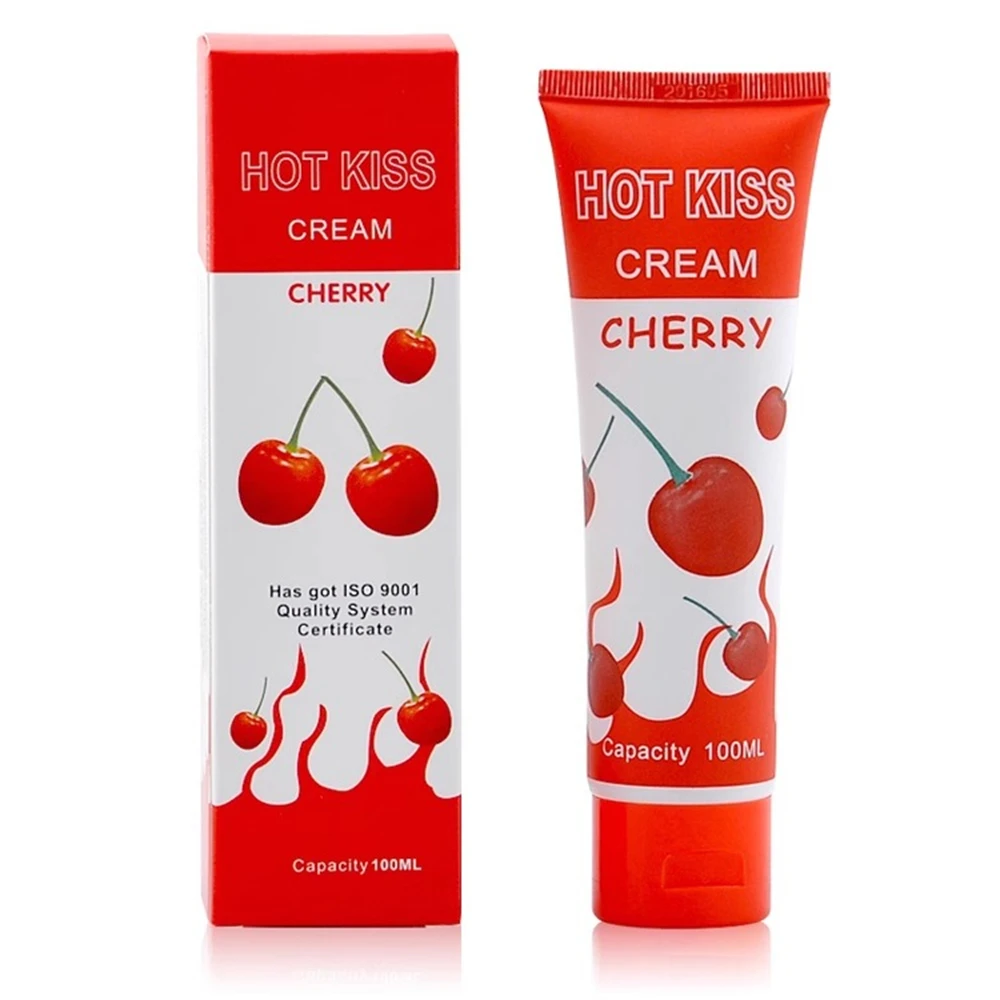
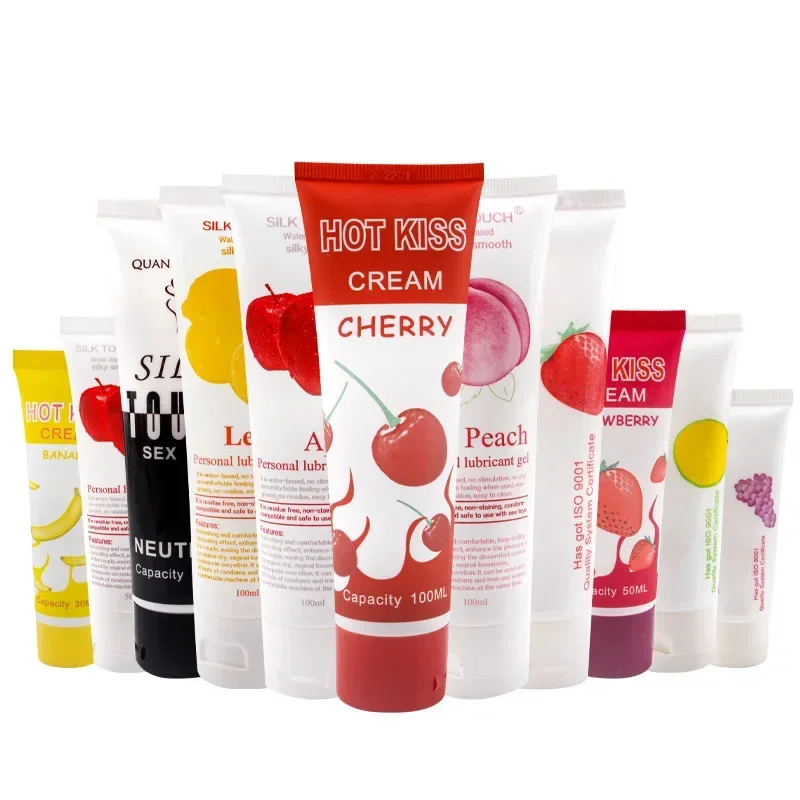
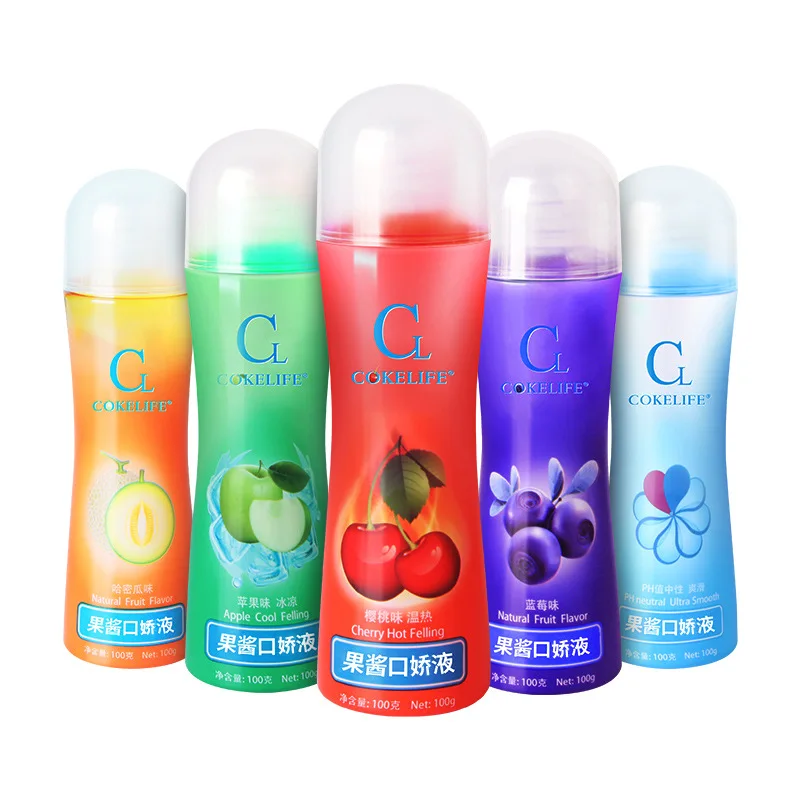
Recommended Products


When evaluating any flavored lubricant through a pH and osmolality safe lens, work through this checklist:
- pH value: Oral comfort zone ≈ 6.0–7.5; vaginal comfort ≈ 3.8–4.5; anal ≈ 7.0–7.5. A dual-use product should sit near 5.5–6.5.
- Osmolality: ≤ 1,200 mOsm/kg for regular use; ideally 800–1,000 for sensitive users.
- Base composition: Water-based (glycerin-free or low-glycerin) formulas are the most widely compatible and easiest to clean. Silicone-based and oil-based options exist but are not recommended for use with silicone toys and can be harder for oral mucosa to handle.
- Sweetener type: Saccharin and aspartame in tiny amounts are generally fine; high concentrations of sugar alcohols (sorbitol, xylitol) can feed oral candida.
- Preservative system: Avoid parabens if you have known sensitivity; phenoxyethanol at ≤ 1 % is a gentler alternative.
- Flavour intensity: Mild is almost always better for mucosal comfort. Intense, artificial flavours often rely on stronger acid blends to “cut” the sweetness, pushing pH down.
Safety & Care
A few non-negotiables keep your experience comfortable and hygienic:
- Always use a water-based lubricant with silicone products. Silicone-on-silicone friction will degrade the toy’s surface and can introduce micro-abrasions into the lube film.
- Clean before and after with mild soap and warm water. A quick 30-second rinse of the toy (and your hands) removes residual flavour agents and lowers the chance of bacterial colonisation.
- Store in a breathable pouch. A sealed plastic bag traps moisture and encourages mould on the cap threads. A cotton or mesh pouch keeps the product dry and ventilated.
- Respect age verification and local regulations. Every reputable retailer, including XNXXMALL, enforces 18+ (or 21+ where local law requires) verification at checkout. This protects both the consumer and the supply chain.
- Discontinue use immediately if you notice persistent burning, colour changes in the product, or an off-odour that wasn’t present when unsealed.
Top Recommendations (by health metric, not price)
| Product type | pH | Osmolality | Why it fits |
|—|—|—|—|
| Water-based, glycerin-free, buffered strawberry | 6.2 | 950 mOsm/kg | Oral-first, dual-use capable |
| Low-glycerin (5 %) mango, phenoxyethanol-preserved | 5.8 | 1,050 mOsm/kg | Vaginal-compatible with mild oral use |
| Sugar-free, xylitol-light watermelon, no parabens | 6.5 | 880 mOsm/kg | Lowest osmolality in the flavored line; ideal for very sensitive users |
All three are available through XNXXMALL, where the full ingredient breakdown and laboratory osmolality report are posted on each product page so you can verify the numbers before purchase.
Expert Tips
- Read the mOsm/kg figure, not just “osmolality: low.” The number is the number. If a label doesn’t state it, assume you cannot verify safety and keep looking.
- Do a 48-hour patch test. Apply a small amount of the flavored lube to the inner forearm and wait. No redness or itching? You’re clear for mucosal use.
- Never share an opened bottle between partners unless both parties have been screened for STIs, because residual biological film can be a (small) transmission vector.
- Replace any bottle more than 12 months past opening, even if it looks fine. Flavour esters hydrolyse over time and can shift pH downward.
- Pair with a quality condom for any barrier-protected sessions; flavored lubricants are compatible with latex and polyurethane condoms (not polyisoprene, which can degrade with certain sugar-alcohol blends).
Common Myths
- “Flavored means it has to be sweet.” – Many sugar-free flavored lubes use citric or malic acid for a tart, “sip-and-swish” profile with zero caloric load.
- “If it says ‘food-safe,’ it’s automatically pH-safe.” – Food-safe certifications (HACCP, FDA food-contact) address ingestion toxicity, not mucosal osmolality. They are different tests entirely.
- “Silicone lube is always ‘better’ because it lasts longer.” – For oral use, silicone’s thickness can coat the palate and suppress natural saliva, making the session feel dry by minute ten. Water-based, low-osmolality formulas maintain a healthier lubrication rhythm.
More Options on XNXXMALL


Frequently Asked Questions
: What does it mean when a product is labelled “flavored lubricant pH and osmolality safe”?
It means the manufacturer has independently tested the final batch for pH (typically 5.5–7.0 for dual-use) and osmolality (≤ 1,200 mOsm/kg) and printed both values on the packaging or product page. You should look for those specific numbers rather than a vague “gentle” claim.
: Can I use a flavored lubricant internally if it’s marketed for oral use?
Only if the pH sits in the 4.5–6.5 range and the osmolality is below 1,200 mOsm/kg. A strongly acidic “slushie” flavor meant for the mouth may disrupt vaginal flora. When in doubt, choose a dual-use formula.
: How do I verify the osmolality number a retailer publishes?
Reputable shops like XNXXMALL link the third-party laboratory certificate (often from a recognised ISO-accredited lab) on the product detail page. Cross-reference the lot number on your bottle with the certificate to confirm the batch you received was actually tested.
: Will using a flavored lubricant pH and osmolality safe product prevent STIs?
No. Lubricants do not inactivate most sexually transmitted pathogens. They reduce friction-related micro-tears, which lowers the risk of transmission for blood-borne viruses like HIV, but they are a risk-reduction tool, not a barrier method. Condoms remain essential.
: How long can I keep an opened flavored lubricant before it’s no longer pH-safe?
Manufacturer shelf life is usually 12 months post-opening if stored in a cool, dry place. Once the esters and acid buffers hydrolyse, pH drifts. If the product smells “off” or the colour has faded more than 20 %, replace it.
Final Thoughts
Understanding the pH and osmolality behind a flavored lubricant turns a fun shopping decision into a genuinely health-positive one. You don’t need a chemistry degree—just the willingness to read the label, check the mOsm/kg figure, and honour the tissue in front of you.
XNXXMALL is built around exactly that philosophy: every flavored product carries a transparent, lab-verified pH and osmolality value, and our customer-care team can walk you through the numbers if you’d like a second opinion before you buy. Browse the full flavored-lubricant range, filter by osmolality tier, and pair your choice with a breathable storage pouch from the accessories section.
For broader sexual-health context—how mucosal integrity ties into overall well-being, when to see a clinician, and evidence-based self-care routines—this resource from the Mayo Clinic is an excellent starting point: [https://www.mayoclinic.org/healthy-lifestyle/sexual-health](https://www.mayoclinic.org/healthy-lifestyle/sexual-health).
Your body deserves a lubricant that works with its chemistry, not against it. Check the numbers, pick the buffer that fits your needs, and enjoy the experience with confidence.
 No products in the cart.