
Strap-On Harnesses & Dildos Materials: The Complete Guide to Choosing What’s Right for You
The short answer to the question everyone asks before making a first purchase is this: strap-on harnesses and dildos are built from a specific set of body-safe materials—primarily platinum-cured silicone, TPE, PVC, borosilicate glass, and medical-grade polymers—and choosing the right combination of shaft material and harness fabric determines comfort, durability, and long-term skin health far more than price or brand name.
Quick Answers
- What is the safest material for a dildo shaft? Platinum-cured (platinum) silicone, because it is non-porous, hypoallergenic, and retains its structural integrity through repeated cleaning cycles.
- Which harness fabric is most comfortable for extended wear? Breathable neoprene or high-density polypropylene webbing, because they distribute pressure evenly and wick moisture away from the skin.
- Can I use the same lube on every material? No—silicone-based lubricants degrade silicone products; a water-based formula is the universal safe choice across all strap-on harnesses and dildos materials.
- How long does a well-maintained set last? A quality platinum-silicone shaft with a properly cared-for neoprene harness can remain fully functional for several years of regular use.
- Is TPE a good entry-level material? Yes, for beginners on a tight budget, but it is porous and requires stricter hygiene discipline than silicone.
Who Is This For?
This guide is written for three overlapping audiences:
- First-time buyers who feel overwhelmed by material jargon (TPE, PVC, “medical-grade,” “platinum-cured”) and want a clear, no-pressure starting point.
- Couples exploring new dynamics who need practical guidance on comfort, communication, and shared decision-making before selecting a harness-and-shaft pair.
- Existing users upgrading or replacing gear who want to verify whether their current materials are aging safely and whether a material switch (e.g., from PVC to silicone) is worth it.
If you fall into any of those groups, the sections below walk through each doubt you are likely to have, in plain language, without assuming prior experience.
Real Users, Real Stories
Anonymous case study – first-time buyer, 34, partnered:
> “I’d been reading about strap-on harnesses and dildos materials for about two weeks before I finally clicked ‘add to cart’ on the XNXXMALL site. My biggest hesitation wasn’t cost—it was the ‘porous vs. non-porous’ question. I kept seeing forum posts where people said TPE felt more ‘realistic’ but also read that it traps bacteria. My partner and I talked it through on a Sunday evening, and she suggested we just go straight to the platinum-silicone shaft with the neoprene harness because she has sensitive skin and we’d be cleaning it weekly anyway. Three months in, I can confirm the silicone felt cooler to the touch initially, but once you get past that first session, the warmth of the lube makes the material difference basically invisible. The harness held without pinching, and the whole thing went from ‘nervous first use’ to ‘normal Tuesday’ in about two sessions. The biggest lesson: don’t let a single material scare you out of trying something. Research, pick body-safe, and give it a few uses before you judge.”
That story captures what most buyers feel: the gap between reading specs and actually holding the product in your hands. The good news is that the material differences, while real, are manageable with a little prep work.
Myth vs Fact
Myth 1: “If it says ‘body-safe’ on the package, all strap-on harnesses and dildos materials are the same.”
Fact: “Body-safe” is a marketing umbrella term, not a regulated label in most markets. A PVC dildo and a platinum-cured silicone dildo can both carry that phrase, yet their porosity, degradation rate, and lube compatibility are fundamentally different. PVC softens with heat and can off-gas over time; silicone is non-porous and stable from −40 °C to +230 °C. Always check the specific polymer type, not just the umbrella claim.
Myth 2: “Glass or metal dildos are too rigid and therefore unsafe for a harness setup.”
Fact: Borosilicate glass and surgical-grade stainless steel shafts are used successfully with harnesses when the fit is correct. The harness’s role is to stabilize the base, not to cushion the shaft. What matters is that the glass or metal piece has a compatible locking collar and that the user is fully lubricated. Rigidity, done right, simply offers a different sensory profile—it does not make the configuration inherently riskier than a flexible shaft.
A Typical First-Time Conversation
(Two partners, Sam and Riley, sitting on the couch with their phones open to the XNXXMALL product pages.)
Sam: “Okay, so I’m looking at this set. The shaft is TPE, right? And the harness is… I’m reading ‘vegan leather.’ What does that actually mean?”
Riley: “I think vegan leather here is a PU-coated polyester webbing. It’s not real leather, so it won’t have the same breathability, but it’s easier to wipe down. I read on the product page that TPE is fine as long as we clean it every single time and let it dry completely before storing it.”
Sam: “And the lube? I’ve got that big bottle of silicone lube from last year.”
Riley: (laughs) “Don’t. Put it down. Silicone lube will eat the TPE shaft within a few uses. We need the water-based one.”
Sam: “Right, right. Water-based. Okay, so TPE shaft, PU webbing harness, water-based lube, mild soap for cleaning. Am I reading this the way you would?”
Riley: “Yep. And the harness should sit flat on your hips with no pressure points. You can always do a dry run in front of the mirror first, no lube, just to check the fit. Then we add lube and go.”
Sam: “That actually sounds… totally doable.”
How to Choose
Recommended Products


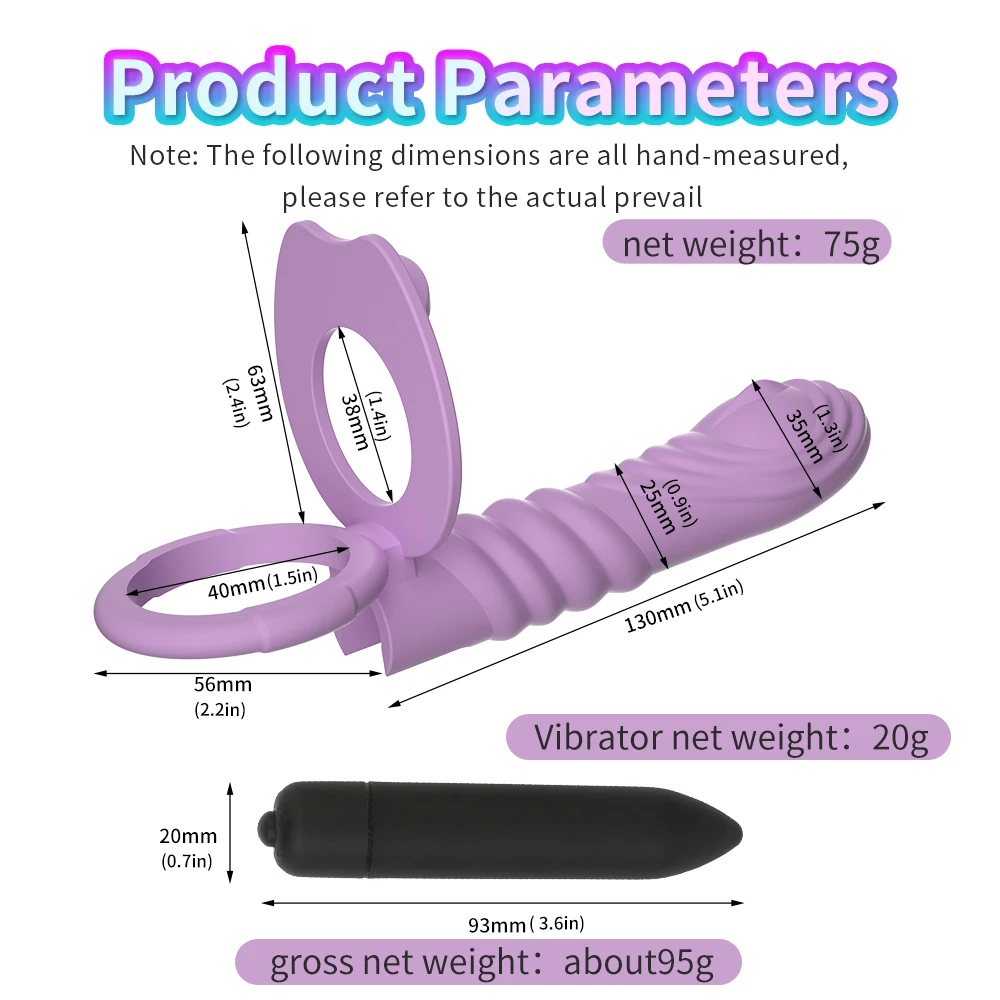
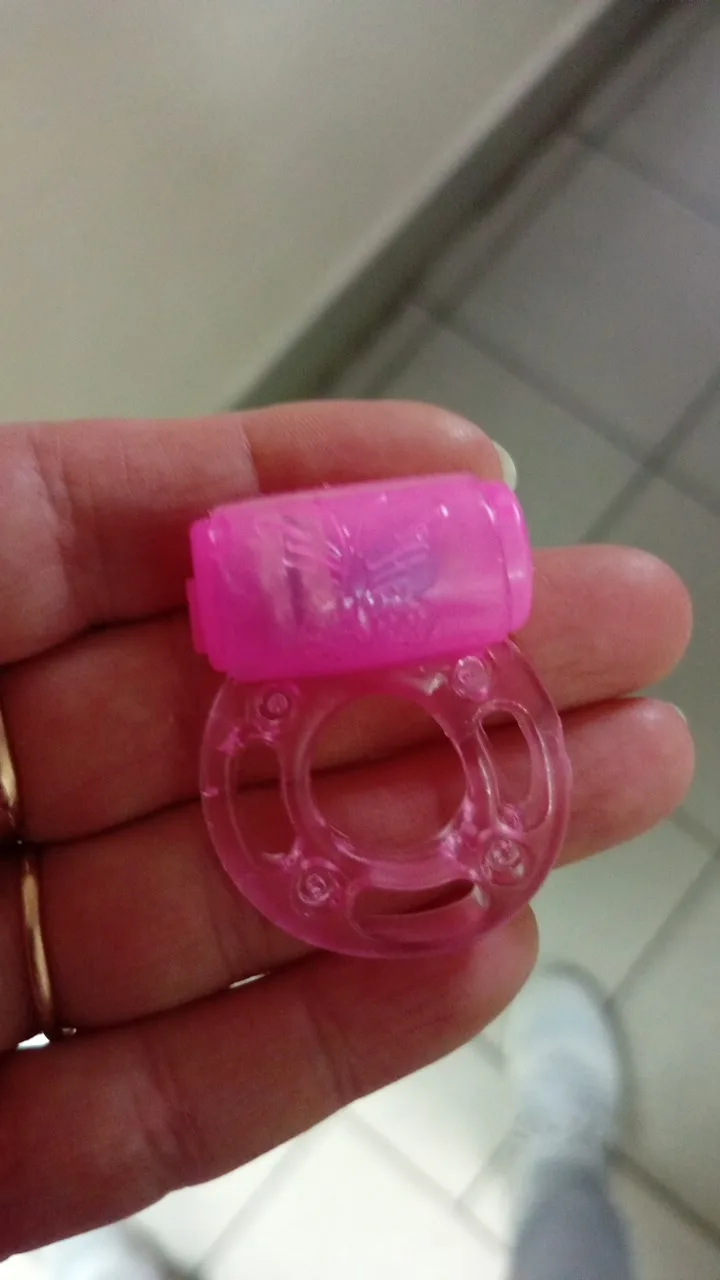
Recommended Products



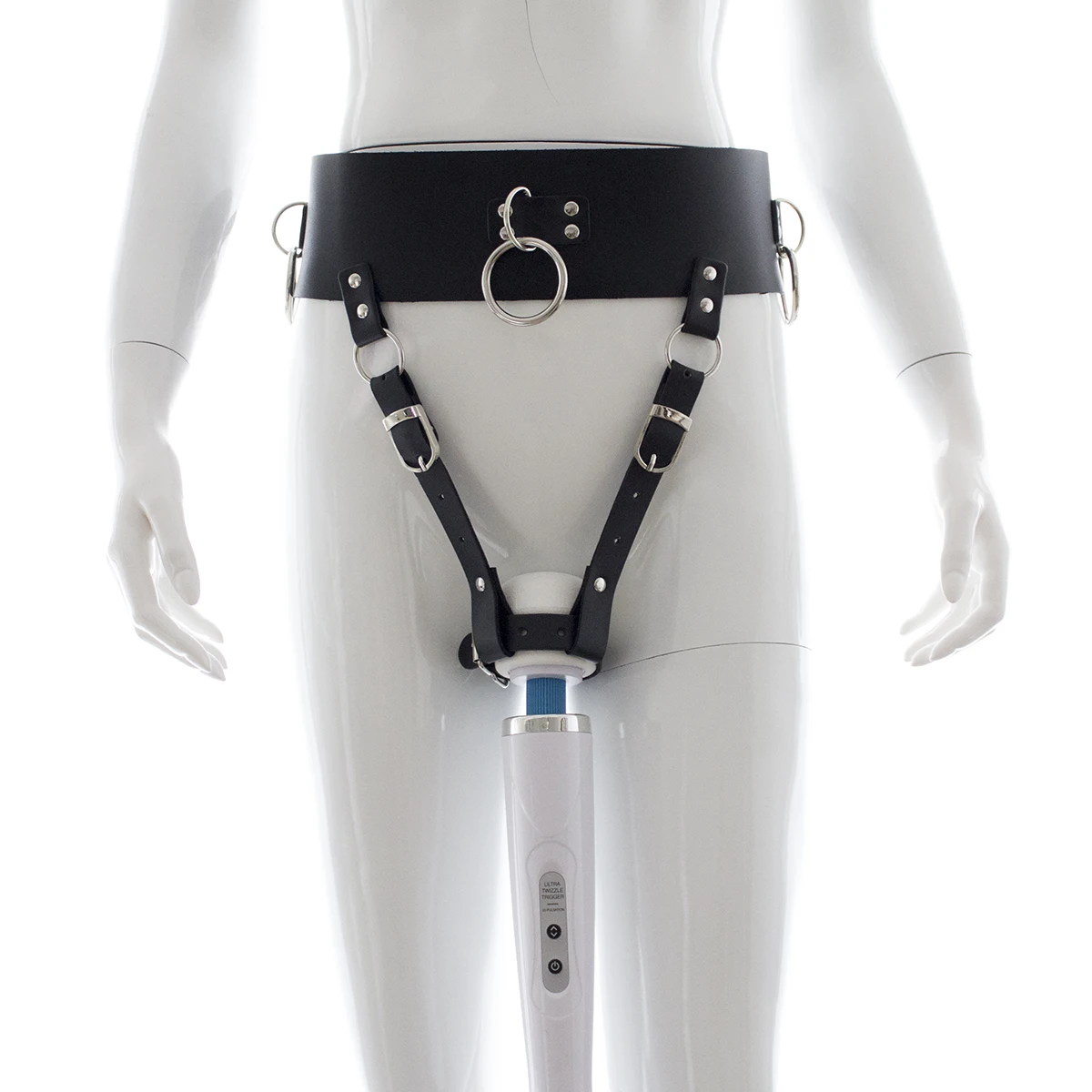
When you are comparing strap-on harnesses and dildos materials, think in two layers: shaft and harness.
Shaft materials, from most to least porous:
| Material | Porous? | Best Lube | Durability | Feel |
|—|—|—|—|—|
| Borosilicate glass | No | Any | Very high | Firm, cool |
| Surgical stainless steel | No | Any | Very high | Firm, cool |
| Platinum-cured silicone | No | Water-based | High | Soft, warm, slight give |
| TPE / TPR | Yes (micro) | Water-based | Moderate | Very soft, realistic |
| PVC | Yes | Water-based | Low–moderate | Firm, less realistic |
Harness fabrics:
- Neoprene: Stretchy, wicks moisture, easy to clean. Ideal for beginners.
- Polypropylene / nylon webbing: Breathable, lightweight, great for longer sessions.
- PU-coated “vegan leather”: Aesthetic finish, wipe-clean; slightly less breathable than webbing.
- Genuine leather: Durable, molds to the body over time, requires periodic conditioning to stay supple.
Sizing tip: Measure your hip circumference at the narrowest point. Most harnesses list a hip range (e.g., 65–85 cm). Choosing the middle of your range prevents both too-tight pinching and too-loose shifting.
Safety & Care
No matter which strap-on harnesses and dildos materials you select, these care steps protect both the product and your skin:
- Always use a water-based lubricant with silicone products. Silicone lube breaks down the polymer chain of silicone shafts within a handful of uses, causing tackiness and eventual cracking.
- Clean before and after every session with mild, fragrance-free soap and warm water. Do not use alcohol, acetone, or harsh disinfectants on TPE or silicone—they degrade the surface.
- Store each piece in a breathable cotton or mesh pouch in a cool, dry drawer. Avoid sealing items in airtight plastic, which traps moisture and encourages microbial growth on porous materials.
- Respect age verification and local regulations. XNXXMALL verifies that all customers are adults. Check your local laws regarding the purchase and possession of adult products before ordering.
- Inspect regularly. If you see sticky patches, cracking, or an off-odor on a TPE or PVC shaft, retire the item. Non-porous silicone, glass, and metal can be used for years with proper care.
Top Recommendations
These are material-pairing suggestions rather than single product picks, so you can match them to your comfort level:
1. Beginner set: TPE shaft + polypropylene webbing harness + water-based lube. Lowest cost, most forgiving on learning curves.
2. Sensitive-skin upgrade: Platinum-cured silicone shaft + neoprene harness + water-based lute. Non-porous, hypoallergenic, easy to sanitize.
3. Firm-feel preference: Borosilicate glass shaft with a compatible locking collar + PU webbing harness + water-based lube. Cool to the touch; pair with a warm-up session to ease into the sensation.
4. Long-session comfort: Silicone shaft + genuine leather harness (conditioned monthly) + water-based lube. Leather distributes pressure over a wider band and reduces hotspot formation.
All options above are available through XNXXMALL, which lists material composition, porosity, and compatible-lube information on every product page so you can compare side by side before you buy.
Common Mistakes & How to Avoid Them
1. Matching the wrong lube to the material. The #1 cause of ruined products. Rule of thumb: water-based lube is safe on everything; silicone lube is safe on glass, metal, and some rigid plastics—but never on silicone or TPE shafts.
2. Skipping the “dry run” fit check. Put the harness on with no lube, no shaft, just to confirm it sits level and the straps cross comfortably at the back. Adjust before you add the rest of the kit.
3. Storing in a hot car trunk or a sealed plastic bag. Heat accelerates PVC and TPE degradation; trapped moisture invites mold. A cool drawer with a breathable pouch is all you need.
4. Ignoring the harness’s hardware. Check buckle and snap seams every month. A stretched buckle can snap under load and cause an awkward (and potentially painful) release. Replace the harness if webbing shows fraying.
5. Buying on price alone without reading the material spec. A $15 “realistic” shaft may be low-grade PVC that off-gasses after three months. Spending a little more for TPE or silicone saves money in the long run and protects your skin.
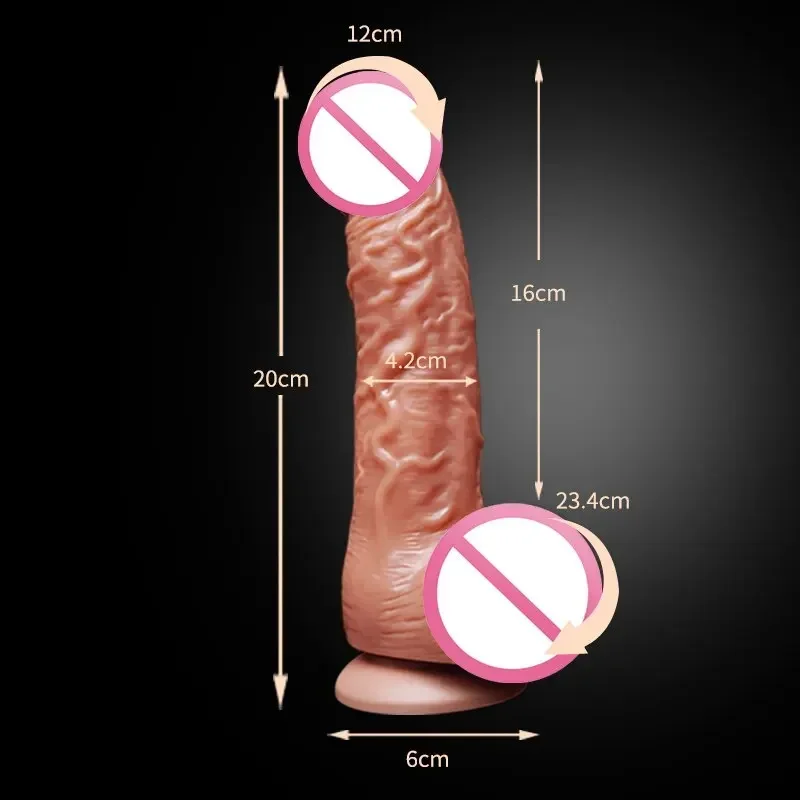
More Options on XNXXMALL



Frequently Asked Questions
: What are the best strap-on harnesses and dildos materials for someone with latex allergies?
Choose a platinum-cured silicone shaft paired with a neoprene or polypropylene harness. Confirm the listing states “latex-free.” XNXXMALL tags allergen information on each product page so you can filter before purchasing.
: Can I use a silicone lube on a glass or metal shaft from my strap-on harnesses and dildos materials set?
Yes. Glass and stainless steel are inert and will not react with silicone lubricants. The restriction applies only to silicone and TPE shafts, where silicone lube causes surface breakdown.
: How do I tell if my TPE shaft is still safe to use?
Run your thumb slowly along the surface. If it feels permanently tacky, sticky, or emits a chemical odor, the polymer has begun degrading—retire it. A healthy TPE shaft should feel smooth and only slightly supple after washing and drying.
: Do strap-on harnesses and dildos materials affect how much lube I need to use?
Somewhat. Rigid materials (glass, metal) have less surface area for lube to “sit” on, so you may need to reapply mid-session. Soft, porous materials (TPE) absorb a small amount, so use a slightly generous initial layer. A small water-based bottle in the drawer keeps reapplication easy.
: Is it worth upgrading from a PVC shaft to silicone, or are strap-on harnesses and dildos materials a one-time choice?
If you plan to use the set more than a few times a month, the upgrade is worth it. Silicone is non-porous, lasts years, and can be sanitized by boiling or running through a dishwasher rack—something PVC cannot survive. The price gap is usually small, and the longevity difference is large.
Final Thoughts
Choosing the right strap-on harnesses and dildos materials comes down to three honest decisions: what feels comfortable against your body, how you will actually maintain the item on a regular week, and whether the material spec matches the lube you already have in the cabinet. None of those decisions need to happen in a single evening of anxious scrolling. Read the material cards, talk it through with your partner if you are sharing the experience, and start with the option that removes the most friction.
When you are ready to browse, XNXXMALL lists full material compositions, porosity data, and lube-compatibility notes on every product page, so you can compare without guesswork. And if you want a broader, medically grounded perspective on sexual health, comfort, and communication, the Mayo Clinic’s sexual-health resources are a calm, evidence-based companion to your learning: [https://www.mayoclinic.org/healthy-lifestyle/sexual-health](https://www.mayoclinic.org/healthy-lifestyle/sexual-health).
Take your time, ask the questions, and let the material do the talking. The right set will feel less like an equipment decision and more like a natural part of your routine—and that is exactly how it should feel.
 No products in the cart.