
Cheap Realistic Dildo Labeled Body Safe but Strong Chemical Smell Sniff Test Failed: What Every Buyer Should Know Before You Click “Add to Cart”
You open the package, set it on the counter, and immediately get hit with that sharp, plastic-tinged chemical odor that makes your eyes water. The product page said “body safe.” The label on the box said “non-toxic.” Yet your nose says otherwise. This exact scenario—buying a cheap realistic dildo labeled body safe but strong chemical smell sniff test failed—is more common than most buyers expect, and it signals a gap between marketing claims and what’s actually in the material.
This guide is for the buyer who has either already had that unpleasant surprise or is trying to avoid it. Whether you’re purchasing for your own comfort, for a partner, or simply building a personal wellness routine, understanding what “body safe” actually means, why some budget products fail the basic smell test, and how to choose a product that respects your health is a legitimate and important step. You don’t need a chemistry degree; you just need a clear framework.
What Makes a Good One: 5 Buying Factors
Before comparing brands or price tiers, lock in the five factors that separate a quality product from a disappointment:
1. Material certification. “Body safe” on a tag means nothing unless it names the standard: medical-grade platinum-cure silicone, TPE certified to REACH or equivalent. No certification language? Treat the claim with skepticism.
2. Porosity and surface finish. Non-porous materials (silicone) resist absorbing fluids and bacteria. Porous materials (TPE, jelly rubber) need more rigorous cleaning and have a shorter effective lifespan.
3. Anatomical realism vs. functional realism. A “realistic” product isn’t just about mimicking a specific shape; it’s about proportion, surface texture, weight distribution, and flexibility that make it comfortable to hold and use over extended sessions.
4. Weight and rigidity balance. A product that’s too light feels flimsy; one that’s too rigid causes pressure points. Aim for a medium-weight core (roughly 250–400 g for a standard size) with a soft outer shell.
5. Manufacturer transparency. The seller should list the exact polymer type, any filler percentages, and a batch or lot number. If the product page only says “realistic” and “body safe” without specifics, you’re paying for adjectives, not for material science.
Materials & Build Compared
Here’s an honest pros-and-cons breakdown of the three material families you’ll encounter at the price point most shoppers browse:
Medical-Grade (Platinum-Cure) Silicone
- Pros: Non-porous, hypoallergenic, stays inert for years, passes any sniff test, compatible with water-based lubricants, can be boiled for deep sanitation.
- Cons: Highest price tier (typically 2–4× the cost of budget options); can feel slightly heavier; a truly “realistic” silicone product costs more because the molding process is slower and the material is pricier.
Thermoplastic Elastomer (TPE) / Soft Gel
- Pros: Soft, lifelike feel at a lower price; widely available in budget packs; easy to mold into detailed anatomical shapes.
- Cons: Porous surface traps moisture and bacteria; TPE can off-gas volatile compounds when stored in hot plastic packaging, which is the single most common reason a cheap product “passes” on paper but fails in your hand with that chemical smell; degrades faster (12–18 months typical).
Polyurethane / PVC-Blended “Jelly” Rubber
- Pros: Cheapest per unit; very soft.
- Cons: Often phthalate-adjacent; strong odor on first use; not truly body safe despite marketing; shortest shelf life; not recommended for sensitive skin or extended use.
The chemical-smell problem is overwhelmingly a TPE and jelly-rubber issue. The polymer chains in these materials can release residual monomers and plasticizers, especially if the product was packaged in sealed plastic and sat in a hot warehouse. A genuine body-safe product, whether silicone or certified TPE, should have a neutral, faintly sweet, or entirely inodorous profile.
Real Users, Real Stories
Anonymous first-time-buyer case study (shared with consent, details modified):
> “I bought a 22 cm realistic model from a marketplace listing for about $34. The listing had a green ‘body safe’ badge and five-star reviews. I sealed it in the bag for two days before opening it because I’d read online that you should let products air out. When I finally pulled it out, the smell was like a new plastic chair at a restaurant—sharp, acrid, and it lingered on my fingers for an hour. I returned it. The replacement I got from a specialty retailer was platinum silicone, cost $89, and had zero odor. The difference wasn’t just the smell; the silicone felt denser, the texture was consistent, and the packaging included a care card with material specs. I would have spent another $34 on the ‘body safe’ label if I hadn’t sniffed it. Now I check for certification language before I buy.”
This story mirrors thousands of forum posts and review threads. The takeaway: the label is not the test. Your nose, and the material specification on the product page, are.
Myth vs Fact
Myth 1: “If the package says ‘body safe,’ the chemical smell is just a first-use quirk that goes away after washing.”
Fact: A persistent, sharp, or plastic-like odor after gentle washing with mild soap and warm water indicates off-gassing from the polymer matrix. Washing the surface removes the outer layer of residue but cannot restructure the internal monomer chains. If the smell is still noticeable after a full wash-and-dry cycle, the material itself is the source, and prolonged skin contact is not advisable.
Myth 2: “Cheaper always means more harmful; a $20 product is automatically unsafe.”
Fact: Price is a rough proxy, not a guarantee. Some mid-range TPE products from manufacturers who disclose their REACH compliance, use phthalate-free plasticizers, and ship in ventilated packaging are perfectly fine and pass a sniff test cleanly. Conversely, a $45 “premium” product with no material disclosure and a sealed-plastic storage bag can fail just as badly. The variable that matters is transparency, not the dollar sign alone.
A Typical First-Time Conversation
This is a short, dignified scenario that many buyers find helpful to rehearse:
Partner A (curious, a little nervous): “I’ve been reading up on this, and I want to be clear—I don’t want to pressure you into anything. I just wanted you to know I’ve ordered something from a shop I trust. I can show you the product page if you want to see what I chose.”
Partner B (calm, practical): “Okay, that’s actually really appreciated. I was worried I’d have to figure out the material safety stuff alone. What did you go with? Silicone?”
Partner A: “Yeah, platinum-cure. I specifically checked that the listing named the material and had a lot number. I also read the care instructions—water-based lube only, mild soap, breathable storage bag. I wanted it to be the safe option, not the cheapest one that ‘probably’ is fine.”
Partner B: “That makes sense. I’d rather spend a bit more and not have that chemical-smell problem. And if you ever want to share or try something together, no pressure either way. I just needed to know you thought about it before ordering.”
Partner A: “I did. And I left the box in the closet, so it’s private until you’re ready to open it.”
The core of a healthy conversation like this is consent, information-sharing, and zero expectation. The product is a tool for comfort, exploration, or routine; it doesn’t need to be a performance.
How to Choose
Recommended Products
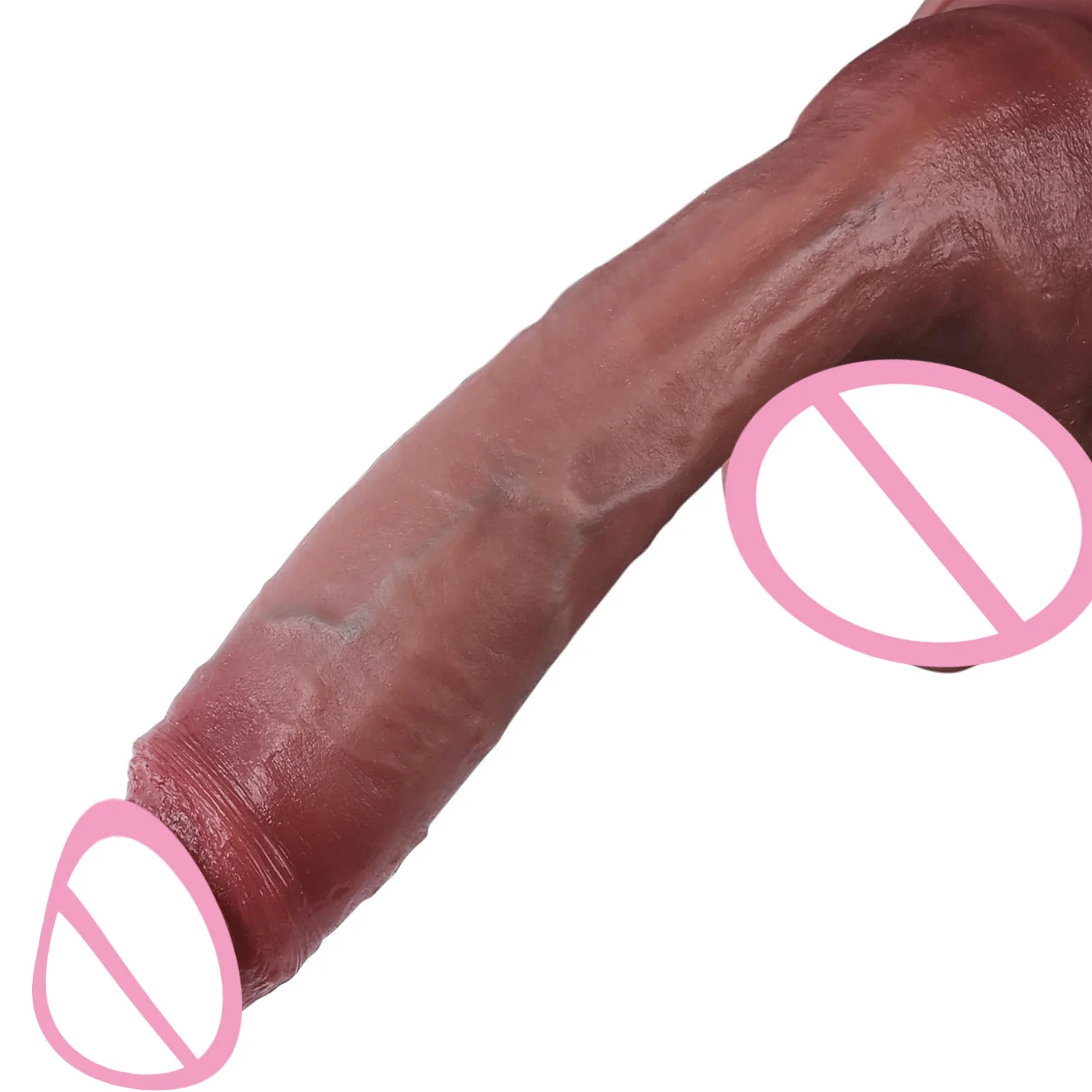
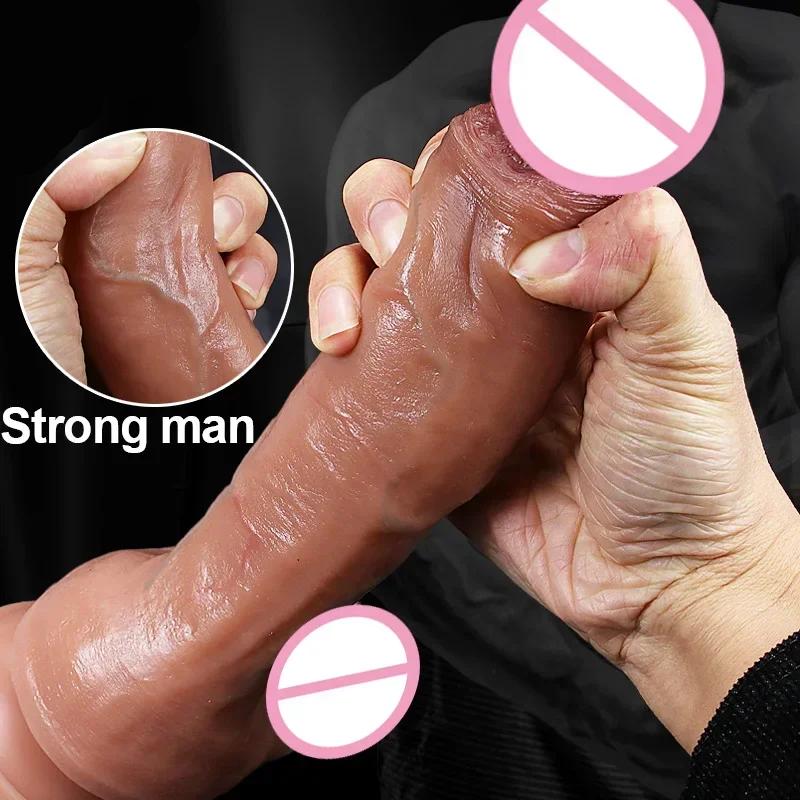
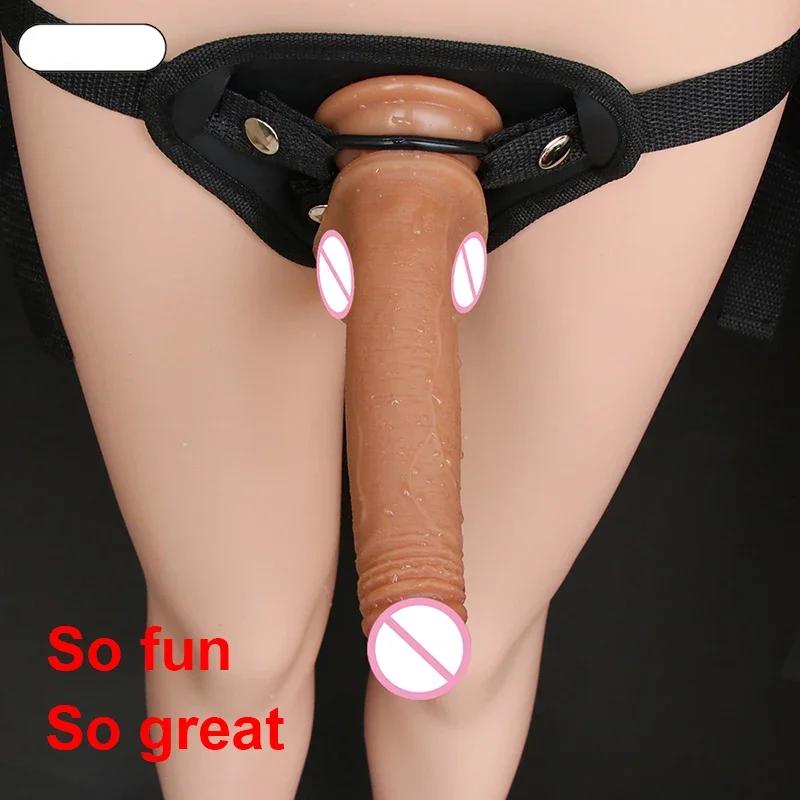
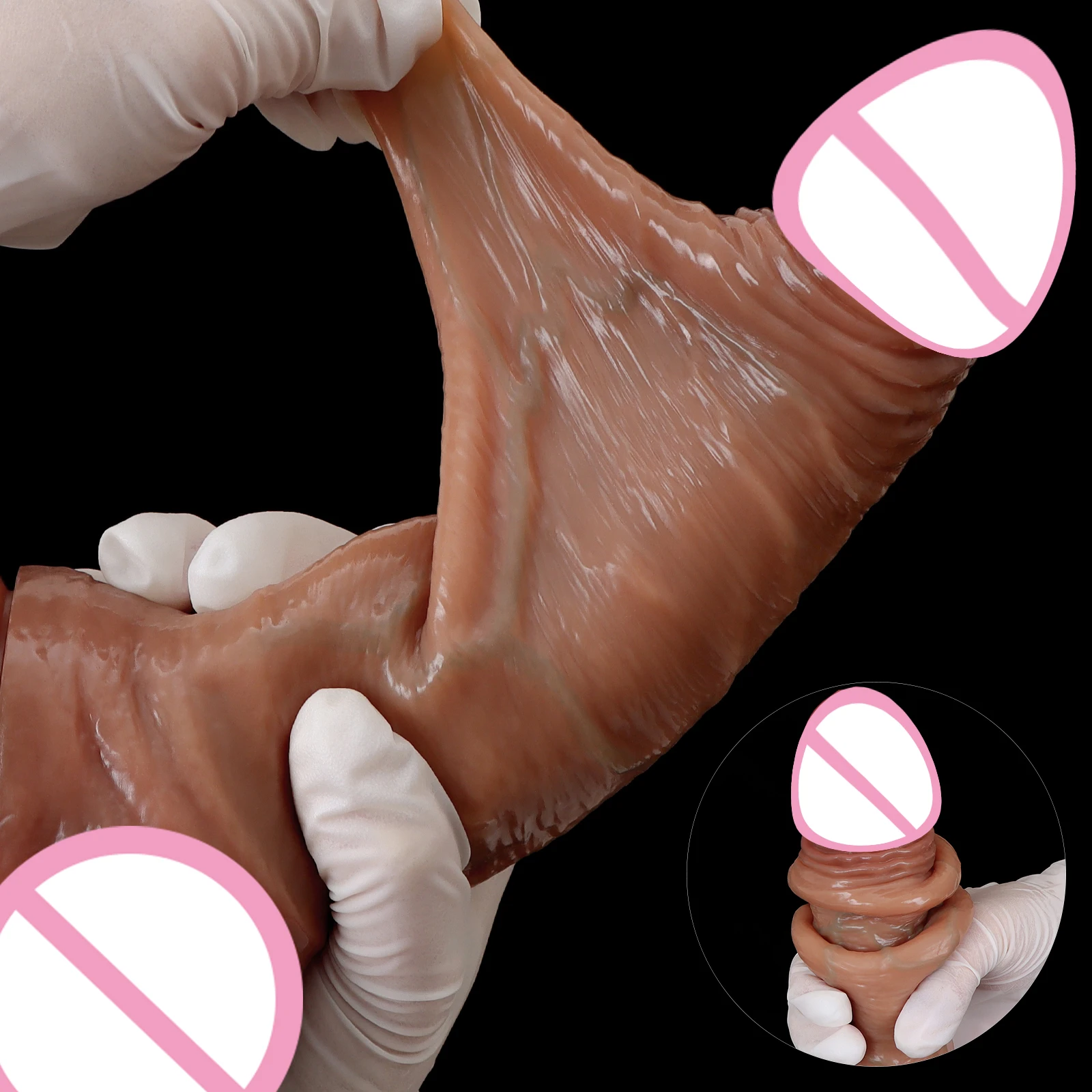
Recommended Products
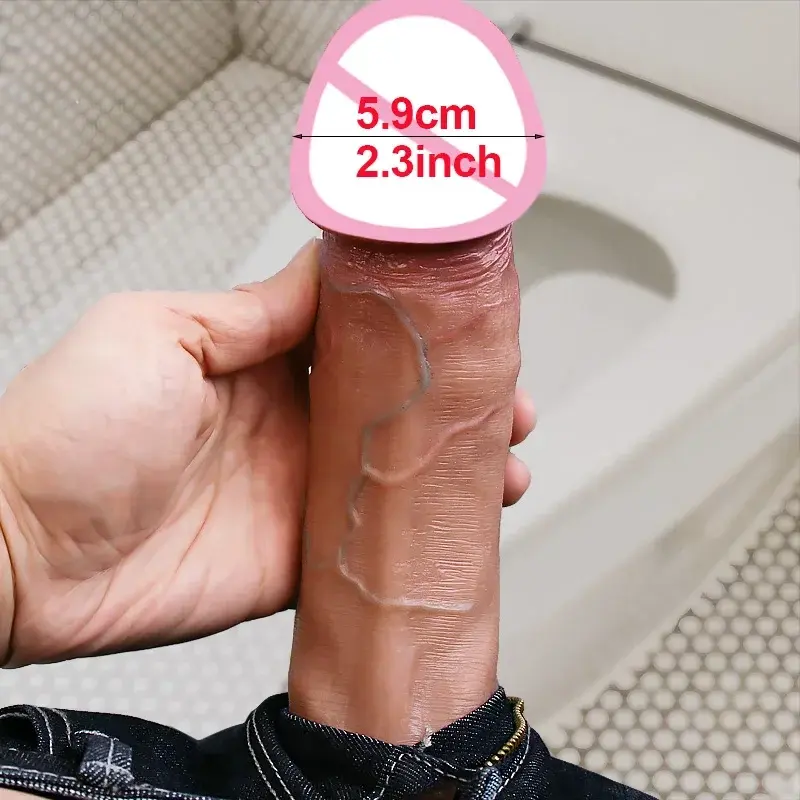
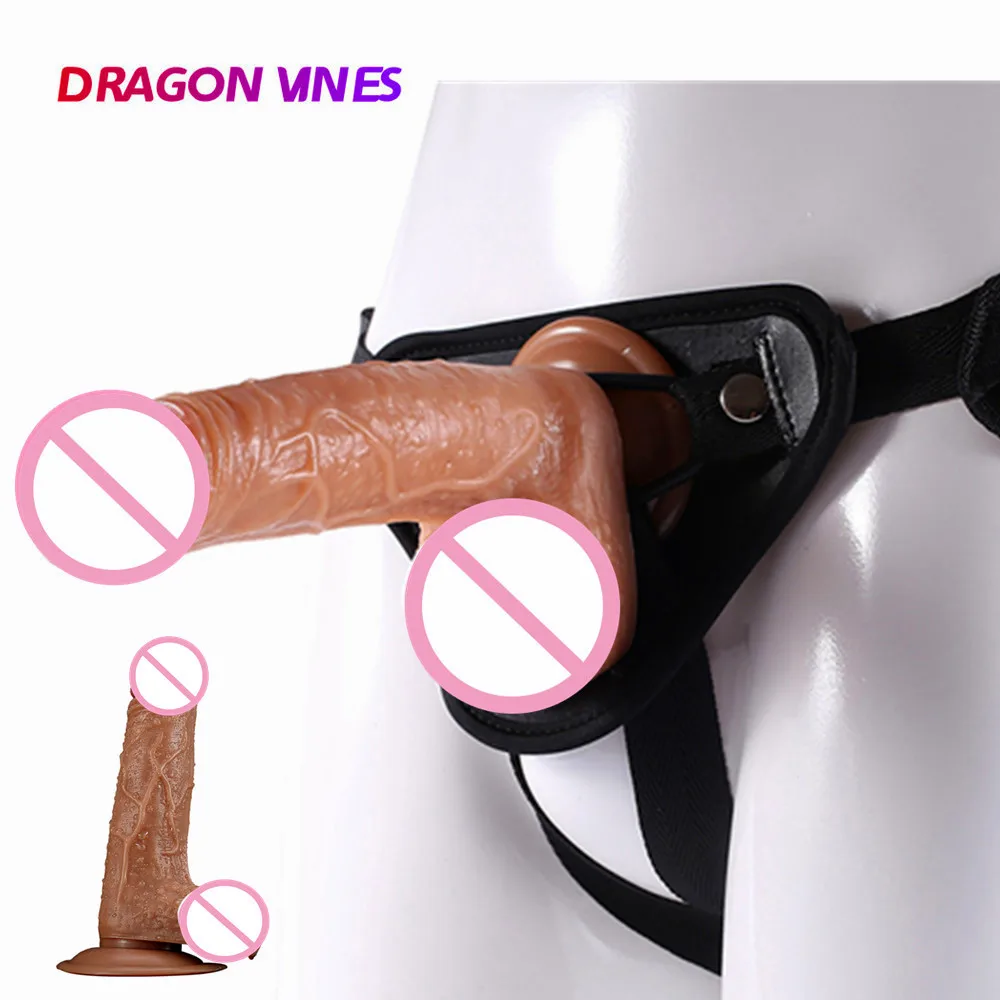
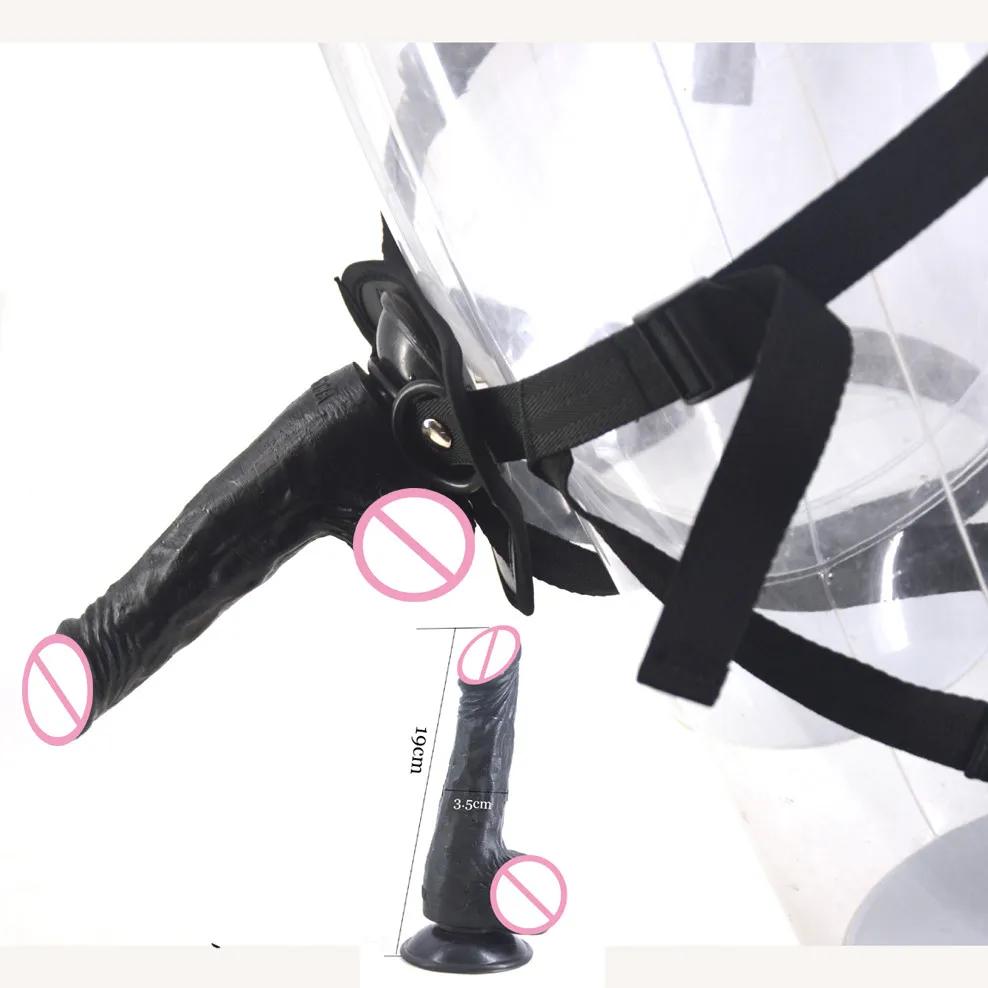
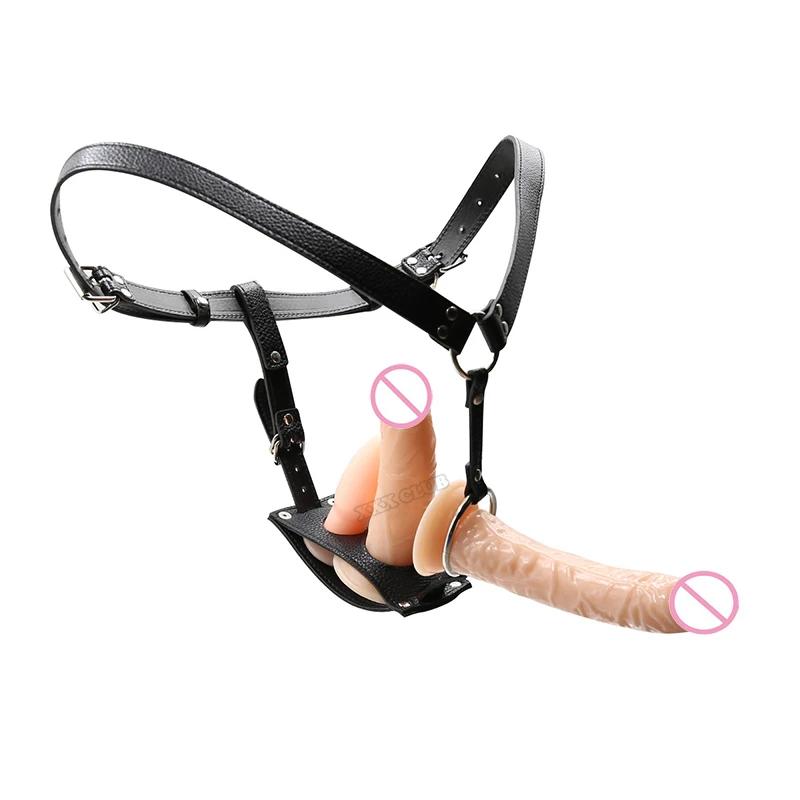
When you’re comparing listings, run this quick checklist:
- The product page names the exact polymer (e.g., “platinum-cure medical silicone,” “REACH-certified TPE”)—not just “body safe” or “realistic.”
- A lot or batch number is visible on the packaging spec.
- The seller offers a money-back guarantee if the product has an “unacceptable odor” (this is a real quality flag; reputable brands include it).
- Weight is listed (gives you rigidity context).
- The product ships in a ventilated or paper-based pouch, not a sealed poly-bag, to reduce off-gassing before you open it.
- Customer reviews mention “no smell,” “smelled like nothing,” or “faintly sweet silicone scent” rather than “had to air it out for a week.”
If a cheap realistic dildo labeled body safe but strong chemical smell sniff test failed is the pattern you’ve been seeing across listings, the issue is likely a batch of TPE that wasn’t fully cured before packaging, or a phthalate-containing filler. Walk away; your health isn’t worth a $28 product.
Safety & Care
Regardless of the material you choose, these fundamentals are non-negotiable:
- Always use a water-based lubricant with silicone products. Silicone lube degrades silicone; the reaction creates micro-scratches that make the surface porous and harbor bacteria.
- Clean before and after every use with mild, fragrance-free soap and warm water. Air-dry fully before storage. For silicone, a monthly boil (5 minutes) is safe and resets the surface.
- Store in a breathable pouch—cotton or unbleached muslin—away from direct sunlight and heat. Sealed plastic bags trap moisture and accelerate off-gassing in TPE products.
- Respect age verification and local regulations. You must be of legal age in your jurisdiction. XNXXMALL enforces 18+ (or local equivalent) verification at checkout. Some regions restrict specific product types; check before ordering.
- Inspect before each use. Look for cracks, discoloration, or surface tackiness. Any of these mean the material is degrading—replace the product.
Top Recommendations
At XNXXMALL, the catalog is organized so you can filter by material, size, and certification. Here’s how the tiers stack for a first-time or upgrade buyer:
- Best value silicone (≈ $55–$75): Medical-grade platinum silicone, non-porous, full-body texture, includes a muslin pouch and a printed care card. Passes any sniff test. The “safe default” choice.
- Best budget TPE (≈ $30–$45): Only select listings that display REACH compliance, phthalate-free certification, and ship in paper packaging. Expect a 12–18-month replacement cycle. Smell-test on arrival; if it fails, invoke the no-odor guarantee.
- Best premium (≈ $90–$140): Dual-density silicone (firmer core, softer outer), realistic texturing, weighted base for secure grip, compatible with all water-based lubes, USB-rechargeable warming option available on select models.
Worth It or Not? (Honest Verdict by Budget)
- Under $25: You are almost certainly buying PVC/jelly rubber or uncertified TPE. The smell risk is high, the body-safety claim is marketing fluff, and the product will degrade within months. Not worth it for regular use.
- $30–$50: A certified TPE product from a transparent seller is a reasonable entry point. Smell-test immediately. If it fails, return it—don’t “live with the smell.”
- $55–$90: The sweet spot. Medical silicone, zero off-gassing risk, years of use, easy to clean. This is where most reviewers say the “honest” price lives.
- $90+: You’re buying features: dual-density construction, warming tech, premium texturing. Worth it if you’ll use the product frequently or want the top-tier feel. Not a health upgrade—just a comfort and feature upgrade.
More Options on XNXXMALL



Frequently Asked Questions
: I bought a cheap realistic dildo labeled body safe but strong chemical smell sniff test failed—should I keep using it?
No. A persistent chemical odor after washing indicates the material is off-gassing. Stop using the product, ventilate it in a well-ventilated area for 48 hours, and smell-test again. If the odor persists, return it or dispose of it and replace with a certified product. Your mucous membranes and skin absorb compounds more readily than your nose does.
: Does a “body safe” label on a $20 product mean it’s actually safe?
Not necessarily. “Body safe” is not a regulated term in most jurisdictions. It means the seller is making a claim, but without a named polymer certification (REACH, FDA-510(k) for silicone, or equivalent), you’re relying on goodwill. Always check for the specific material name and a lot number.
: How long should a new silicone product smell like “nothing” or faintly sweet?
A genuine platinum-cure silicone product should have a neutral or very faintly sweet scent from the moment you open the packaging. Any sharp, plastic, or chemical smell is not normal for silicone and suggests contamination, a mislabeled product, or residual manufacturing chemicals that weren’t cured.
: Can I use oil-based or silicone-based lube with my product?
With silicone products: use water-based lube only. With TPE: water-based lube is also safest; oil-based lubes can degrade TPE over time. Check the product’s care card.
: What if I have a latex or chemical sensitivity and the sniff test on a product is borderline?
Do a 24-hour patch test: press the product against the inner forearm, secure with a bandage, and watch for redness, itching, or swelling. If any reaction appears, discontinue use and consult a healthcare provider. XNXXMALL’s customer-support team can also help you match a product to known sensitivities.
Final Thoughts
The short version: your nose is a valid sensor, and a product that should be neutral but isn’t is telling you something. You don’t owe a $30 “body safe” label the benefit of the doubt when the smell test fails. Spend a little more for material transparency, a lot number, and a no-odor guarantee, and the entire category becomes something you can buy without a second-guessing anxiety.
XNXXMALL carries only products that list their polymer, certification, and lot information on the product page, and every listing includes a 30-day “smell-test return” window so you can inspect the item and, if it doesn’t meet the neutral-odor standard, send it back at no cost. Browse the realistic-dildo collection, filter by material, and read the customer smell-test notes before you commit.
For broader, evidence-based context on sexual wellness, pelvic-floor health, and when to speak with a clinician, the Mayo Clinic’s sexual-health resources are a reliable starting point: [https://www.mayoclinic.org/healthy-lifestyle/sexual-health](https://www.mayoclinic.org/healthy-lifestyle/sexual-health).
Take your time. Sniff it. Check the label. Choose the one that passes all three. Your comfort is not a luxury; it’s the baseline.
 No products in the cart.