
Do Hot Tub Chemicals Chlorine Damage Sex Toys? A Complete Guide to Material Safety
Intro
Personal wellness products—commonly called sex toys or intimate wellness devices—have become a mainstream part of self-care routines. Alongside this growing acceptance, a practical question has surfaced in communities, forums, and retail consultations: do hot tub chemicals, particularly chlorine, damage sex toys?
The short answer is: it depends on the material, the concentration, and the duration of exposure. Chlorine is a reactive oxidizer. Most hot tubs maintain chlorine or bromine levels between 2–5 ppm (parts per million), paired with pH-adjusting agents like borax or muriatic acid. For the right materials—medical-grade silicone, borosilicate glass, and 316L stainless steel—brief incidental contact in properly maintained water is generally manageable. For porous materials like jelly rubber, TPE, or ABS plastics with painted finishes, even short exposure can trigger swelling, discoloration, or surface degradation that compromises structural integrity and hygiene.
This guide builds a complete, from-zero understanding of the chemistry involved, the materials most at risk, and the practical habits that keep your investment safe. Whether you are considering sharing a hot tub with your partner after a soak, or you simply store devices near a tub and want to understand the risk, the information below is designed to help you make informed decisions.
Understanding Your Needs
Before any product can coexist safely with hot tub chemistry, you must understand what “damaging” actually means in this context. There are three failure modes:
1. Chemical degradation. Chlorine and bromine act as oxidizing agents. They attack polymer chains in non-inert materials, causing them to soften, swell, or develop micro-cracks. ABS plastic, for example, can become brittle over weeks of repeated exposure. TPE and jelly compounds absorb chlorine into their porous structure, creating a permanent chemical residue that no amount of washing fully removes.
2. Thermal + chemical synergy. Hot tubs run at 100–104 °F (38–40 °C). Elevated temperature accelerates chemical reaction rates. A material that tolerates 3 ppm chlorine at room temperature may degrade noticeably faster at 40 °C over an hour-long soak.
3. Hygiene compromise. Porous materials that absorb chemicals also trap bacteria and biofilm. Once a jelly or rubber surface is chemically compromised, it becomes harder to sanitize, raising infection risk for anyone who uses it.
Your “need” is therefore not just “will it survive?” but “will it remain safe, hygienic, and structurally sound after repeated cycles of heat, chlorine, and handling?” The answer shifts dramatically based on the material you choose.
Real Users, Real Stories
Anonymous first-time buyer case study (consulted via XNXXMALL community forum):
> “I’d never purchased a personal wellness device before last month. I went with a mid-range jelly-rubber item because it felt soft and the price was right. Two weekends later, my partner and I soaked in our hot tub, and I realized I’d left the device on the side of the tub where chlorine water was splashing over it. Within a day, the surface felt tacky and slightly discolored. I washed it with warm soapy water, but that sticky residue never fully went away. A XNXXMALL support specialist I messaged explained that the porous jelly had absorbed a trace of hypochlorite and that I should retire the item. I felt embarrassed, but the rep was completely matter-of-fact: ‘You did nothing wrong. The product wasn’t rated for chemical exposure. Let’s help you pick a silicone alternative that will last years, no matter what splashes nearby.’ That honesty is why I keep shopping there.”
This story illustrates a critical principle: the material choice, not the user’s behavior, is the primary safety factor. A medical-grade silicone device left on a hot tub edge for the same duration would show no visible change.
Myth vs Fact
Myth 1: “All silicone is identical, so no hot tub chemical will ever affect it.”
Fact: Silicone quality varies. Medical-grade platinum-cured silicone (the kind XNXXMALL stocks under its “body-safe” line) is chemically inert, non-porous, and stable from −40 °C to +200 °C. It resists chlorine at standard hot tub concentrations without measurable degradation. However, cheaper “silicone blends” mixed with plasticizers or TPE are porous and can absorb small amounts of oxidizer. Reading the material specification—ideally on a product page that lists “100 % platinum-cured silicone” rather than a vague “silicone touch”—matters.
Myth 2: “If I rinse the toy with fresh water right after it touches the tub, the chlorine is gone.”
Fact: Rinsing removes surface-adsorbed chlorine, but in porous materials the chemical has already diffused into the matrix. A mild soap and warm water wash (the same routine recommended for all devices) will clean the exterior, but the interior micro-cavities in TPE or jelly may retain a residual oxidizer that slowly continues to break down polymer bonds over days. The only truly safe approach is to prevent the chemical from contacting a porous surface in the first place.
A Typical First-Time Conversation
A short dialogue between a first-time shopper at a XNXXMALL virtual consultation and a product specialist:
Shopper: “I have a chlorinated hot tub in our backyard. I want to buy something for me and my partner to use after a soak. Will the chlorine mess it up?”
Specialist: “Great question. If you plan to keep the device out of the water—say, you rinse it under a shower before the next use—any body-safe, non-porous material will be perfectly fine. Medical-grade silicone, borosilicate glass, or stainless steel. Those are all stable at 100 °F and 3–5 ppm chlorine. What I would avoid is anything labeled TPE, jelly, or ‘soft-touch blend,’ because those are porous and absorb chemicals. Even brief splashing can leave a residue that’s hard to fully remove.”
Shopper: “So as long as I don’t submerge it?”
Specialist: “Exactly. And a quick fresh-water rinse before storage is all you need. Here’s the XNXXMALL body-safe silicone collection—every item is platinum-cured, phthalate-free, and listed with the exact polymer grade so you can verify.”
Shopper: “That’s really helpful. I didn’t realize the material science was this specific.”
Specialist: “It is, and it’s the single biggest factor in long-term safety. You’ll be glad you asked.”
How to Choose
Recommended Products
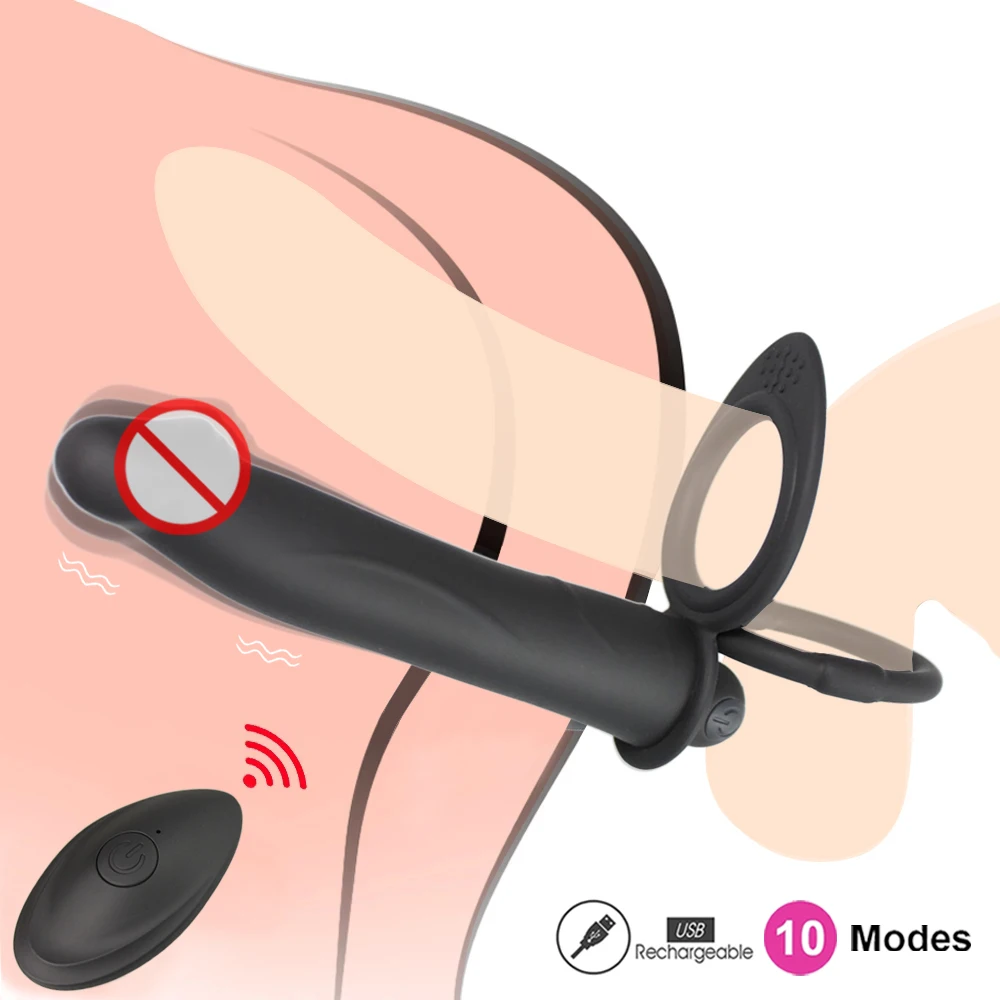

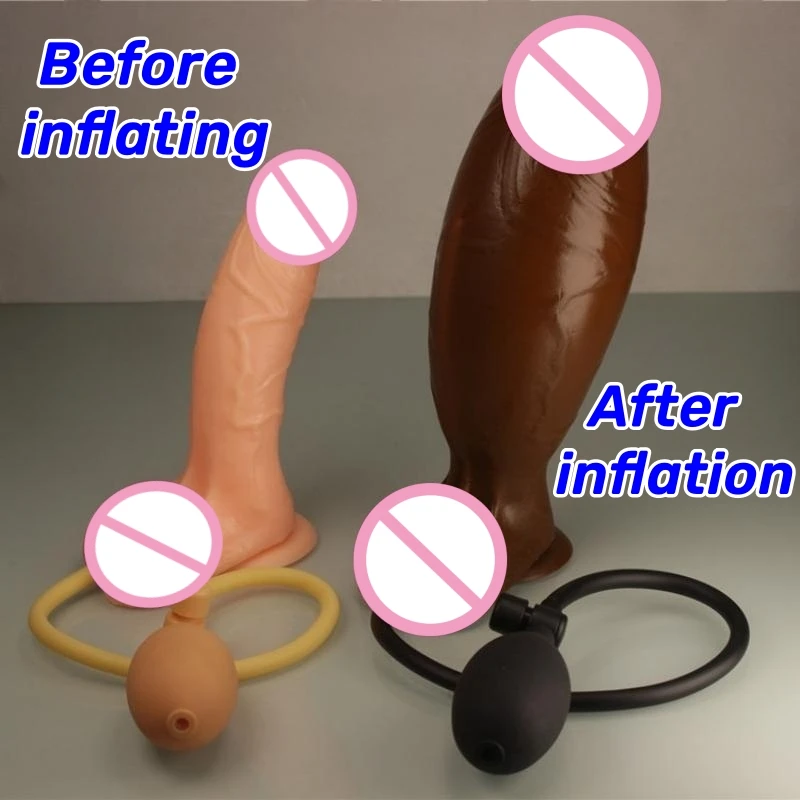

Recommended Products
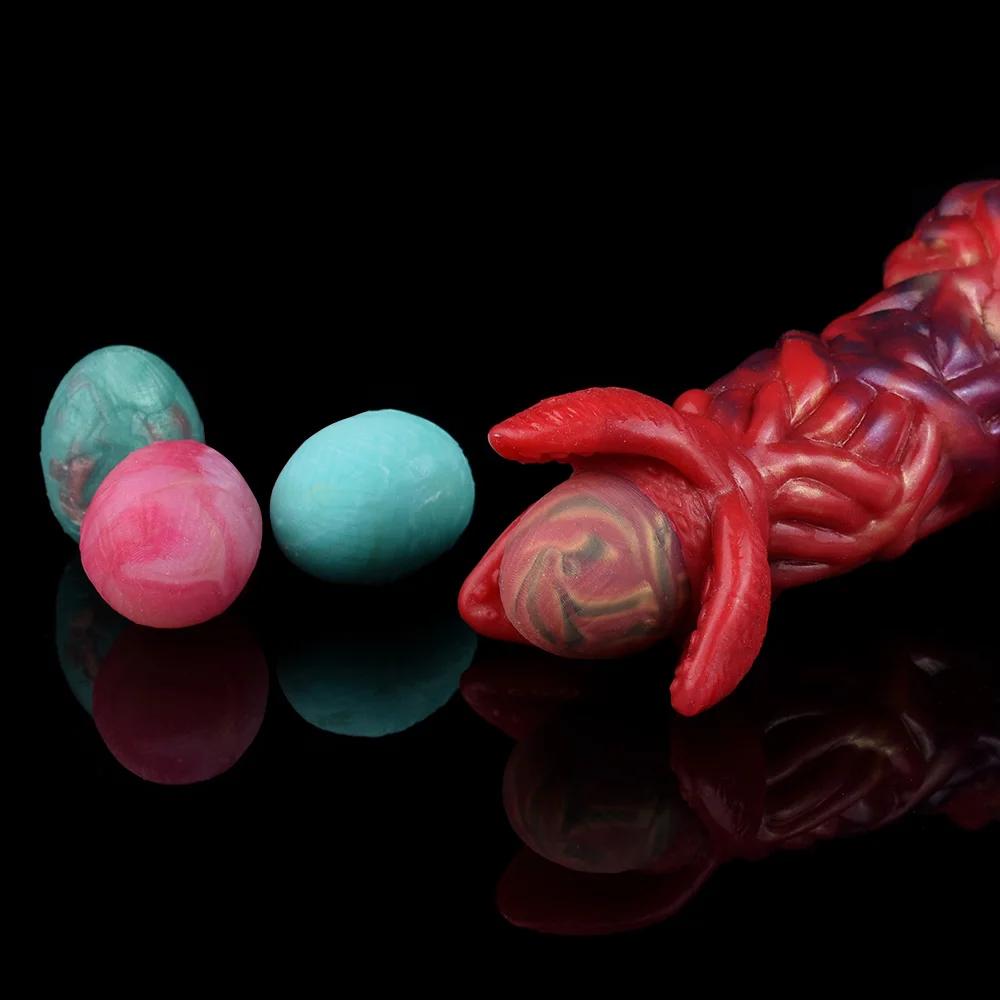
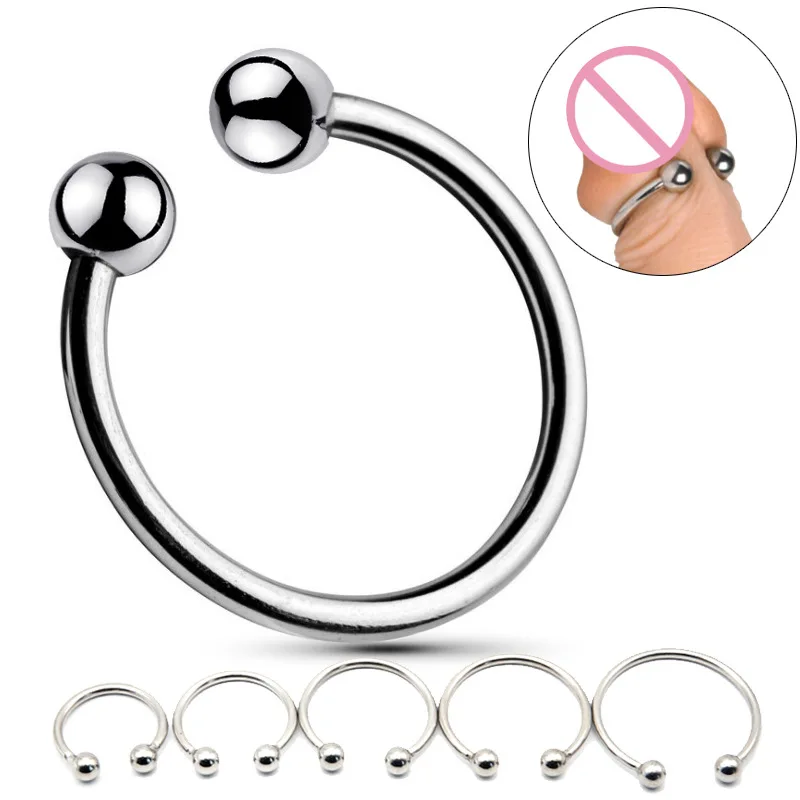
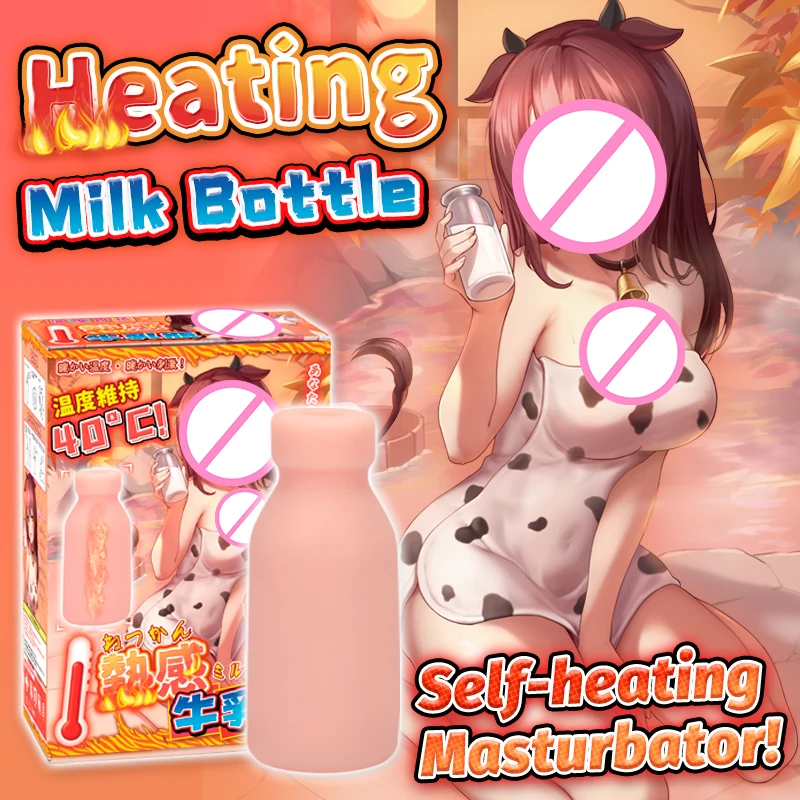
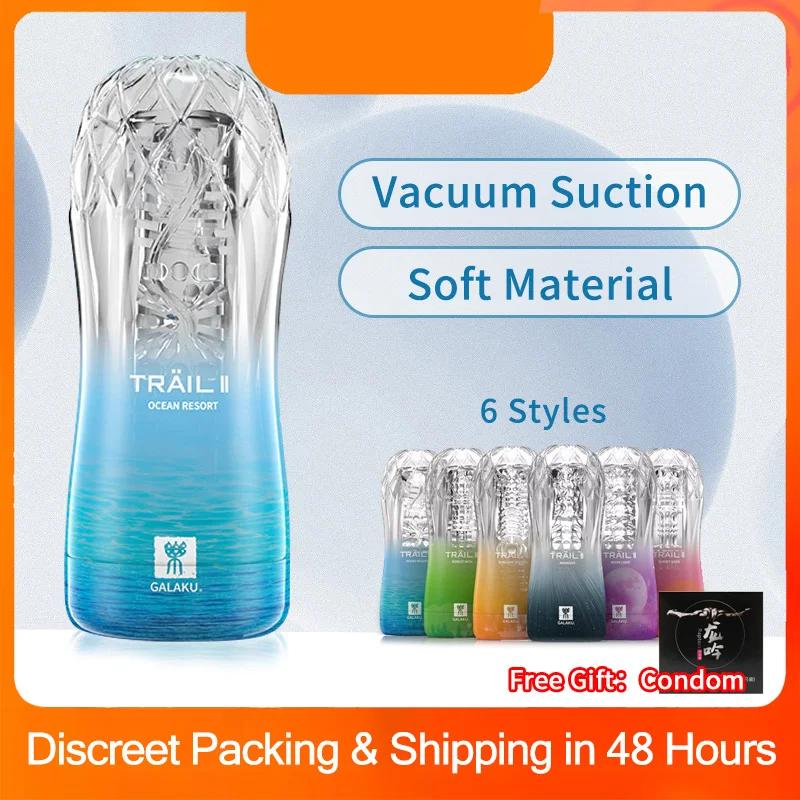
When selecting a device that will exist in the same household as a hot tub, apply this decision framework:
- Material first. Prioritize medical-grade silicone, borosilicate glass, or 316L stainless steel. Check product listings for explicit “platinum-cured” or “FDA food-contact-grade” language.
- Non-porous construction. If the surface has no micro-texture that traps liquid, chemical absorption is negligible.
- Avoid mixed-material items with ABS plastic housings painted in colored finishes. Paint chips create entry points for chlorine.
- Motor and battery compatibility. If a device is waterproof (IPX7 or higher), submersion is mechanically safe, but the chemical resistance still depends on the shell material. A sealed silicone shell in a chlorinated tub is fine; a sealed ABS shell in the same tub is not.
- Read the care card. Reputable retailers like XNXXMALL include a material-care card. If it says “do not expose to chlorine or bromine,” honor that instruction.
Safety & Care
Regardless of your hot tub usage, the foundational care routine for any intimate wellness device is non-negotiable:
- Always use a water-based lubricant with silicone products. Silicone-on-silicone contact can cause surface degradation over time; water-based lubes are compatible with every material class.
- Clean before and after each use with mild, fragrance-free soap and warm water. Dry fully with a clean towel or air-dry on a breathable surface.
- Store each item in its own breathable pouch (cotton or unbleached muslin). A sealed plastic zip-lock bag traps moisture and encourages microbial growth.
- Respect age verification and local regulations. XNXXMALL enforces strict 18+ verification at checkout. Your jurisdiction may have additional rules regarding sales, import, or public display of intimate products—comply with them.
For hot tub households specifically: keep devices in a separate, clean drawer or cabinet at least six feet from the tub edge to prevent splash exposure. If a splash does occur, rinse under running fresh water for 30 seconds and dry before the next use.
Top Recommendations
These are material categories rather than single SKUs, because the principle (non-porous, chemically inert) applies across the XNXXMALL catalog:
- Platinum-cured silicone massagers and body shapes – flexible, stable up to 200 °C, zero porosity.
- Borosilicate glass items – inert, easy to inspect for cracks, completely unaffected by chlorine.
- 316L stainless steel wands and shafts – surgical-grade, antibacterial surface, no chemical reaction at hot tub pH (7.2–7.8).
- IPX7-rated silicone-cased motorized devices – sealed construction, silicone exterior, safe for incidental splash.
Avoid: jelly-rubber, TPE, polyurethane blends, and any item with colored ABS paint.
Expert Tips
- Run your hot tub’s chlorine test strips weekly. If levels spike above 5 ppm during a green-water cleanup, delay any non-porous device use until levels normalize.
- Never apply hot tub clarifiers or algaecides directly on a device, even a silicone one. Those products contain additional solvents.
- After a particularly long soak session, give your skin a fresh-water rinse before handling any device. Residual chlorine on skin can concentrate at contact points.
- Keep a spare storage pouch near the tub so the habit of proper storage is effortless.
- If you notice any tackiness, fading, or a slight “chemical” smell after a device has been near a hot tub, retire it. These are signs the polymer matrix is compromised.
Common Myths
1. “Chlorine is only a problem for cheap toys.” Even premium materials have specifications. A device rated “for fresh water only” is not designed for oxidizer exposure. Read the label.
2. “If it feels fine, it’s fine.” Micro-degradation in a polymer is invisible to touch. A silicone item that looks perfect may have surface chains already oxidized, reducing its long-term shelf life.
3. “Hot tub water is hotter than a shower, so it’s the same risk.” Temperature matters, but the chemical profile is the differentiator. A hot shower has no oxidizer; a hot tub does.
More Options on XNXXMALL


Frequently Asked Questions
: Do hot tub chemicals chlorine damage sex toys made of medical-grade silicone?
At standard residential concentrations (2–5 ppm) and temperatures (38–40 °C), platinum-cured silicone shows no measurable chemical degradation from brief or incidental contact. Prolonged submersion for hours on end is still discouraged by most manufacturers as a precaution, but a casual splash or a 20-minute soak will not harm the polymer.
: Do hot tub chemicals chlorine damage sex toys made of jelly or TPE?
Yes. Porous jelly and TPE materials absorb hypochlorite into their matrix. The absorbed oxidizer continues to break down polymer chains for days after the initial exposure, causing permanent tackiness, odor, and structural weakening. If your device is TPE or jelly, keep it strictly away from chlorinated water.
: Do hot tub chemicals chlorine damage sex toys made of glass or stainless steel?
No. Borosilicate glass and 316L stainless steel are chemically inert at hot tub pH and temperature. They are the safest materials if you intend to use a device while submerged in a treated tub.
: Do hot tub chemicals chlorine damage sex toys that are simply stored nearby?
Vapor-phase chlorine is a very weak oxidizer at residential pool/hot tub concentrations. Storing a non-porous device on a shelf six feet away poses no risk. The concern is liquid contact—splash, submersion, or sitting in the tub’s water.
: Do hot tub chemicals chlorine damage sex toys if I rinse them off afterward?
Rinsing removes surface-resident chlorine. In non-porous materials (silicone, glass, steel), a 30-second freshwater rinse is sufficient and the device is back to its original state. In porous materials, the chemical has already diffused inward; rinsing does not reverse that. This is why material choice is the primary defense.
Final Thoughts
Understanding how hot tub chemicals—chlorine foremost among them—interact with intimate wellness devices is a matter of basic material science, not guesswork. A few non-porous, platinum-cured silicone, glass, or stainless steel items will coexist happily with a properly maintained hot tub for years. Porous blends should stay in a drawer, far from any oxidizing water.
If you are ready to build a body-safe, long-lasting personal collection, XNXXMALL’s curated body-safe lineup lists exact polymer grades, care instructions, and compatibility notes on every product page, so you can match the material to your household’s specific setup. For broader context on sexual health and self-care, the American Medical Association’s patient education portal offers evidence-based articles: [Mayo Clinic – Sexual Health](https://www.mayoclinic.org/healthy-lifestyle/sexual-health).
Your wellness is your business. Informed choices make it a safe one.
 No products in the cart.