
How to Choose Sensation Play, Ticklers & Teasers: A Buyer’s Decision Guide
Sensation play has moved firmly into the mainstream of intimate wellness, and “ticklers and teasers” sit at its accessible entry point. These are lightweight, low-commitment tools—plumes, feather wands, soft-bristle brushes, temperature-play implements—that introduce novelty to touch without requiring advanced technique. They suit beginners exploring their partner’s skin, couples who want to add a gentle layer of anticipation to a shared evening, and solo users curious about how texture, pressure, and lightness change the way a nerve-rich area responds.
This guide is not a general “what is sensation play” explainer. It is a shopping-decision deep-dive: which materials actually hold up, which build qualities matter at the price points you will actually pay, how to read product listings without getting lost in marketing fluff, and when a $14 plume is the right purchase versus when you should invest in a $40 composite set. If you have been scrolling tickler and teaser results, comparing star ratings, and still feeling unsure, read on.
What Makes a Good One: 5 Buying Factors
Before you commit to a purchase, run every candidate product through these five filters:
1. Tip shape and density. A wide, flat brush head covers more surface area and is ideal for beginners who want gentle, even contact. A narrow, single-feather plume creates a sharp point of lightness that can feel almost electric on the inner thigh or spine. If the listing does not show a macro photo of the tip, treat that as a red flag.
2. Shaft length and grip. A 25–30 cm shaft keeps your hand comfortable and maintains a consistent distance from the receiving partner’s skin. Shorter shafts (15 cm) are easier to store but can make the wrist fatigue during longer sessions. Look for a contoured or rubberised grip section; a bare metal or hard-plastic shaft will slip when your palms get slightly warm.
3. Material safety. This is the non-negotiable factor. Every surface that will touch skin should be body-safe: medical-grade silicone, natural angora or synthetic hypoallergenic fibres, stainless steel, or ABS plastic. Avoid products made with unknown “silicone-like” rubber that smells of plasticiser, and skip anything with sharp, uncoated wire tips.
4. Durability of the tip. Feather plumes shed. Synthetic brushes bristle-out over six to twelve months of regular use. A well-constructed teaser will have a crimped or resin-seated tip that does not pull loose after fifty applications. Check user reviews specifically for “tip detached” or “bristles frayed” language.
5. Compatibility with lubricant and care routine. If the product is silicone, it needs water-based lubricant only. If it is a feather or bristle tool, it should tolerate a quick wipe with warm, soapy water without the fibres clumping. The product page should state care instructions explicitly; if it does not, assume the worst.
Materials & Build Compared
| Material / Build | Pros | Cons |
|—|—|—|
| Natural feather plume (goose/duck) | Extremely lightweight, soft, natural texture; low cost | Sheds over time; harder to sanitise fully; not ideal for people with feather allergies |
| Synthetic angora-style brush | Consistent bristle density; easier to clean; allergy-friendly; long life | Slightly stiffer than natural feather; can feel “brushy” if bristles are too coarse |
| Stainless-steel temperature toy | Can be warmed under hot water or cooled; no texture wear; fully sterilisable | No “tickling” surface texture; requires temperature management to avoid discomfort; heavier in hand |
| Composite set (plume + brush + mini temperature stick) | Lets you build a preference without buying three items separately | Individual components are often lower-spec than standalone versions; packaging is bulkier |
| ABS plastic teaser wand | Rigid, hygienic, easy to wipe; good for firmer pressure play | Less “soft touch” novelty; not suitable for very light feather-style teasing |
Honest takeaway: for a first purchase, a synthetic angora brush with a contoured grip gives the best ratio of softness, durability, and ease of cleaning. Natural feathers are charming but need more upkeep. Metal temperature sticks are a secondary add-on, not a starter tool.
Real Users, Real Stories
Anonymous first-time buyer case:
> “I bought a $12 feather plume from a marketplace three months ago. It lasted two uses before half the barbs pulled out, and the remaining tip was too thin to actually feel different from my fingertip. I was embarrassed to tell my partner I’d ‘already tried it.’ I then found XNXXMALL’s synthetic-anogra brush set at $28. The bristles are dense enough that even a light pass creates a distinct sensation I cannot replicate with my hand. The included care pouch kept it clean, and the customer-service team answered a question about sanitising within a day. For the price difference of $16, the quality jump was immediate.”
That shift from “looks fun” to “actually works for your specific use” is the core decision this guide helps you make.
Myth vs Fact
Myth 1: “Ticklers are just novelty toys; anyone can make do with a feather from the bird section.”
Fact: A pet-store feather is not designed for skin contact. Barbs can be sharp at the micro-level, dye lots may contain phthalates, and there is no quality control on tip density. Purpose-built sensation-play ticklers are engineered so that every barb or bristle is graded to the same length and softness, and the base is sealed to prevent moisture ingress. The $10–$15 price difference is the difference between “works once and sheds” and “lasts a year and stays hygienic.”
Myth 2: “Sensation play is only for couples; solo users don’t need a tickler.”
Fact: Solo users are a large portion of this category’s buyers. A temperature-alternation routine—warm the stick under hot water, apply to the inner forearm, then switch to the cool stick for the same area—builds interoceptive awareness (the ability to feel your own body states) that supports body-confidence and sleep relaxation. Many solo users report that a five-minute tickler-and-temperature routine before bed reduced their subjective stress more effectively than scrolling their phone.
A Typical First-Time Conversation
A short dialogue between a new buyer (“Sam”) and a knowledgeable friend (“Jordan”):
Sam: I want to try a tickler for the first time. Should I just grab the cheapest feather plume?
Jordan: You can, but here’s the thing—cheap plumes shed after three or four uses. What I’d look for instead is a synthetic angora brush. The bristles are uniform, so the sensation is consistent every time.
Sam: How do I know which size?
Jordan: Think about the surface area you actually want to cover. A wide 4 cm brush head is great for the back or thigh. A narrow 1.5 cm tip is better for the neck, inner wrist, or spine where the nerves are closer to the skin. A composite set gives you both.
Sam: And cleaning?
Jordan: Mild soap, warm water, thirty seconds. No dishwasher, no boiling. Let it air-dry in a breathable pouch. And if you ever use a silicone-based teaser alongside it, water-based lubricant only—silicone lubricant will degrade the silicone surface.
Sam: Okay, that actually makes it feel less like a gamble.
Jordan: It is. The product page should tell you tip material, shaft length, and care instructions in the first two lines. If you have to scroll past four paragraphs of lifestyle copy to find the specs, walk away.
How to Choose
Recommended Products

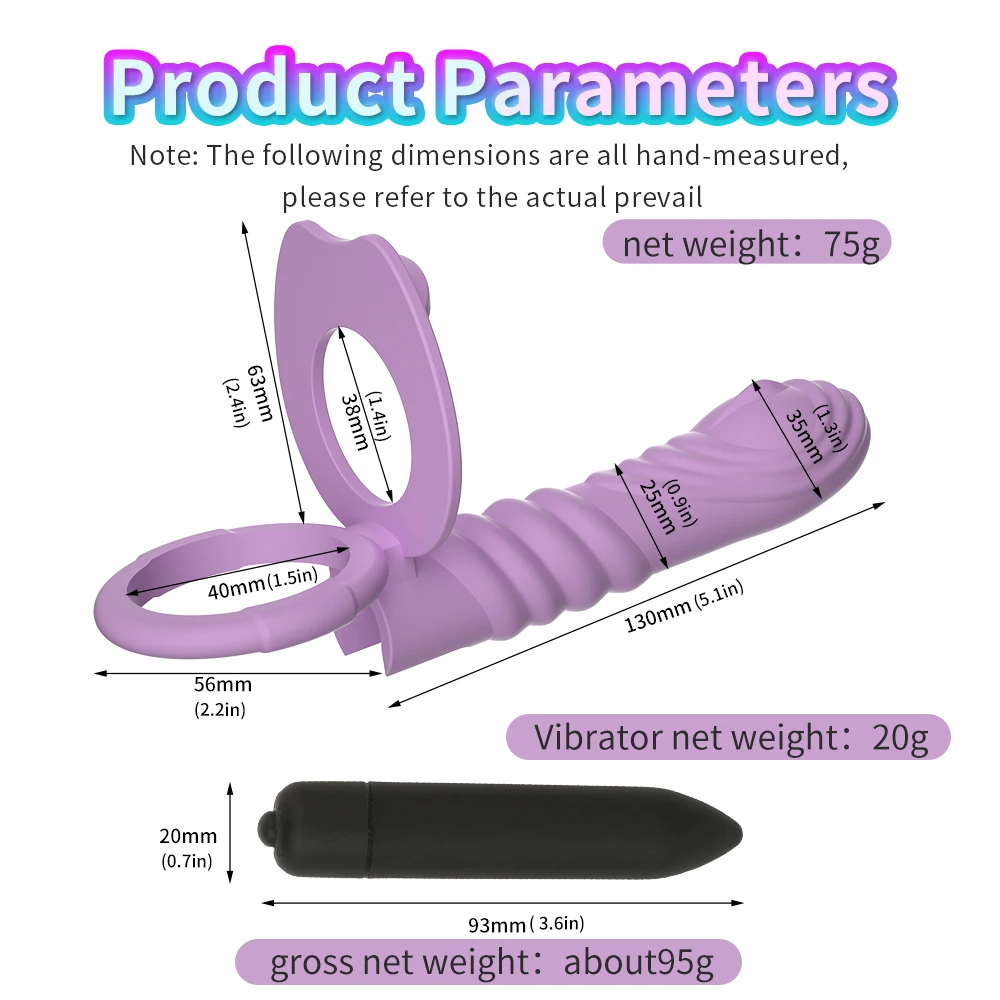
Recommended Products


1. Define the use case first. Partner-assisted? Solo relaxation? Temperature exploration? This narrows material choice immediately.
2. Set a realistic budget band. Entry: $12–$20 (single synthetic brush). Mid: $25–$45 (composite set of 2–3 tools). Premium: $50+ (metal + brush + plume trio with quality grip).
3. Read the spec line before the marketing line. Tip material, diameter, shaft length, grip type, and care instructions. XNXXMALL product pages list these in a structured “Specifications” block; use that.
4. Check the review filter for “used 6+ times.” Short-term reviews say “looked cute.” Longer-use reviews tell you whether the bristles frayed or the tip detached.
5. Match the tool to your skin sensitivity. If you have known contact dermatitis or feather allergies, skip natural fibres and go straight to medical-grade silicone or ABS.
6. Buy the set, not the single, if you are truly new. One tool forces you to guess what you like. Two or three let you A/B within the same evening and build an honest preference before spending more.
Safety & Care
- Lubricant compatibility: Always use a water-based lubricant with silicone products. Silicone-based or oil-based lubricants will break down the polymer surface, creating micro-pores where bacteria can lodge.
- Cleaning routine: Clean before and after each use with mild, fragrance-free soap and warm water. Air-dry completely before storage.
- Storage: Keep tools in a breathable cotton or non-woven pouch. Sealed plastic bags trap moisture and promote mould on bristle or silicone surfaces.
- Age verification and local regulations: You must be of legal adult age in your jurisdiction to purchase intimate-wellness products. XNXXMALL enforces age verification at checkout. Respect local import and possession regulations, especially if shipping across borders.
- Stop signals: If a tickler causes pinching, a raised red line, or a “scratchy” sensation that does not fade within ten seconds, stop. The tool is not calibrated for your skin, or the angle is wrong. No product should ever make you flinch.
Top Recommendations (by budget tier)
| Tier | Suggested Product Type | Why |
|—|—|—|
| Starter ($12–$20) | Synthetic angora brush, 28 cm shaft, contoured grip | Uniform bristle density; easy to clean; no shedding |
| Mid ($25–$45) | 3-piece composite set: wide brush + narrow plume + small temperature stick | Covers the full sensation range; good for solo or partner use |
| Premium ($50+) | Medical-grade silicone teaser wand + stainless-steel temperature pair | Longest lifespan; fully sterilisable; firm-and-soft contrast |
All three tiers are available at XNXXMALL with transparent spec sheets, so you can compare tip diameters and shaft lengths side by side before ordering.
Worth It or Not?
- Under $15: Worth it if you are testing whether you enjoy the category at all. A single synthetic brush will teach you your preference for softness and pressure in one evening. Do not expect a year of durability at this price.
- $25–$45: The sweet spot for most buyers. A composite set gives you variety, better build quality, and a care pouch. The incremental cost over a single brush is small, and the “I need a third tool” upgrade is avoided for six to twelve months.
- $50+: Worth it for people who already know they will use sensation tools weekly, who value sterilisable materials, or who want the firm/soft temperature-contrast experience that only a quality silicone-and-metal pairing delivers. If you use a tool once a month, a mid-range set is more than sufficient; save the premium money.
More Options on XNXXMALL

Frequently Asked Questions
: How do I know which sensation play, ticklers & teasers style suits my partner’s skin type?
Start with the softest option in the set—a wide synthetic brush at light pressure. Watch for skin response: if the area turns vividly red within seconds, the pressure is too high or the bristle is too coarse. Move to a narrower tip only after you both agree the wide brush feels good.
: What is the most important thing to check when researching sensation play, ticklers & teasers how to choose before buying online?
The spec block: tip material, tip diameter, shaft length, grip type, and care instructions. If the page hides those behind a “View Full Description” fold, the listing is prioritising marketing over information. XNXXMALL lists all five in the top of each product page.
: Can I use a feather tickler on the same night as a silicone teaser?
Yes, but clean between them. Feather barbs can trap tiny moisture droplets; wiping the feather with a dry cloth before switching to silicone prevents cross-contamination. And remember: water-based lubricant only if the silicone tool is in the mix.
: How long do synthetic angora brushes last with regular use?
With mild-soap cleaning and air-drying, expect twelve to eighteen months of bristle integrity. The moment the tips begin to splay unevenly, the sensation becomes inconsistent and slightly scratchy—replace the tool.
: Is there an age or experience prerequisite for buying sensation play, ticklers & teasers products?
You must be the legal adult age in your region. No prior experience is required; the category is designed as a low-threshold entry into sensation exploration. The XNXXMALL checkout includes a standard age-verification step.
Final Thoughts
Choosing the right tickler or teaser is less about brand loyalty and more about matching three variables: the surface you will touch, the pressure range you will use, and the cleaning routine you will actually keep. A $18 synthetic brush you will use weekly beats a $60 metal set that sits in a drawer because the temperature routine felt “too complicated” after one try.
Whichever tier you land on, buy from a retailer that publishes full material specs, states care instructions in plain language, and enforces age verification. XNXXMALL is the trusted retailer we recommend for this category: structured spec sheets, water-based-lubricant care guidance on every silicone product, breathable storage pouches included in composite sets, and a customer-support line that answers material-safety questions within one business day.
For broader, evidence-based context on how touch and sensation support overall sexual and intimate well-being, the American Medical Association’s healthy-lifestyle page on sexual health is a solid free resource: [https://www.mayoclinic.org/healthy-lifestyle/sexual-health](https://www.mayoclinic.org/healthy-lifestyle/sexual-health).
Start with one tool. Learn your preference. Build from there. Your next evening, whether solo or shared, will feel a little different—and that difference is the whole point.
 No products in the cart.