
Is Jelly Material in Cheap Realistic Dildos Safe? A Health-First Buying Guide
If you’re standing at the crossroads of your first (or next) purchase in the realistic-dildo category, the question that keeps resurfacing across forums, Reddit threads, and group chats is deceptively simple: is jelly material in cheap realistic dildos safe? The honest answer is it depends—on which “jelly” you mean, how the product is manufactured, and how you care for it over time. This guide walks through the health, material, and decision factors that matter, so you can spend your money with confidence rather than anxiety.
What Makes a Good One: 5 Buying Factors
Before scrolling through product listings, calibrate your priorities. These five factors separate a well-built intimate wellness product from a mass-market novelty:
1. Body-safe material certification. Medical-grade silicone, borosilicate glass, and ABS plastic are non-porous and free of phthalates. The “jelly” compounds sold at gas stations and unvetted marketplaces often contain plasticizers that can leach, especially with heat or friction.
2. Seam integrity and surface finish. A good realistic piece has no visible mould lines, no tacky spots, and no sharp edges. Run your thumb over the entire surface—if it catches, the mould wasn’t polished properly.
3. Weight and density distribution. Realistic feel is not just about shape. A well-balanced piece (heavier at the base, slightly lighter at the tip) mimics natural tissue resistance without fatigue.
4. Porosity level. Non-porous surfaces resist bacterial colonisation. Porous “jelly” absorbs fluids into its micro-cavities, making thorough sanitisation far harder.
5. Reputable retailer with return/quality policy. XNXXMALL, for example, carries only certified body-safe lines and offers a 30-day quality-guarantee window, which matters when you’re evaluating fit and comfort for the first time.
Materials & Build Compared (Honest Pros and Cons)
| Material | Porosity | Phthalate Risk | Durability | Care Complexity | Typical Price Band |
|—|—|—|—|—|—|
| Medical-grade silicone | Non-porous | None (certified) | 5+ years | Low (soap + water) | \$35–\$120 |
| TPE / TPR “jelly” (certified) | Semi-porous | Low if BPA/Phthalate-free labelled | 1–3 years | Moderate (avoid high-heat disinfection) | \$18–\$55 |
| Unbranded “jelly” (budget gas-station / marketplace) | Highly porous | Unknown; often contains DEHP/DBP plasticizers | < 12 months | High (degrades with lube, sun, heat) | \$5–\$15 |
| Borosilicate glass | Non-porous | None | Indefinite | Very low | \$40–\$90 |
| ABS / nylon hard-shell | Non-porous | None | Indefinite | Very low | \$25–\$70 |
The short version: the cheap “jelly” product that costs eight dollars at a corner store is where the safety concern is most valid. It is not that all jelly-like materials are dangerous; it is that the unregulated, unlabelled variants skip the phthalate-testing step entirely. If a product does not list its material composition or a batch test report, treat it as non-body-safe.
Real Users, Real Stories
Case study (anonymous, 28-year-old first-time buyer, shared with XNXXMALL’s post-purchase survey):
> “I bought a \$12 ‘realistic’ piece from an online marketplace because it had thousands of reviews. Two weeks in, my skin developed a red, itchy patch where I’d been touching the material. A dermatologist said it was likely a plasticizer contact reaction. I switched to a \$48 medical-silicone piece from XNXXMALL after reading their material-certification page. No reaction, no smell, and it still feels the same after eight months of regular cleaning. The ‘jelly’ one, meanwhile, had turned sticky and discoloured after a single month.”
The pattern is consistent across the support inbox: the issue is never the category of product; it is the unverified supply chain behind the cheapest tier.
Myth vs Fact
Myth 1: “All soft, pliable intimate products are made with harmful jelly and will cause infections.”
Fact: Pliable does not equal harmful. Certified TPE/TPR blends from regulated manufacturers undergo migration testing for DEHP, DBP, and DINP. The risk lives in the unlabelled, no-brand segment. If the packaging (or product page) states “phthalate-free, BPA-free, body-safe” and includes a lot number you can verify, the material is far safer than the myth implies.
Myth 2: “You can just rinse a porous jelly piece under tap water and it’s clean enough.”
Fact: Tap-water rinsing removes surface residue but does not penetrate the micro-pores where biofilm builds. Porous materials need a dedicated, alcohol-free toy-safe cleaner and a full sanitisation cycle every 7–10 days (see Safety & Care below). If you skip that, the convenience of “just rinsing” becomes a hygiene liability.
A Typical First-Time Conversation
Over a kitchen counter, two friends comparing notes before one person finalises an online order.
Jamie: “So I found this \$14 realistic thingie that looks exactly like the photos. Should I just grab it?”
Sam: “Wait—does it say what the material is? I saw a thread saying is jelly material in cheap realistic dildos safe, and the consensus was: if it’s not listed, assume it’s not.”
Jamie: “It just says ‘soft PVC, skin-tone.’ No phthalate info, no batch code.”
Sam: “That’s the red flag. PVC without a phthalate declaration is the old gas-station formula. Look at the XNXXMALL silicone line instead. A bit more upfront, but you’ll actually use it for years, and you can check the certification PDF on the product page.”
Jamie: “Makes sense. One good purchase beats three ‘replacement’ buys.”
How to Choose
Recommended Products

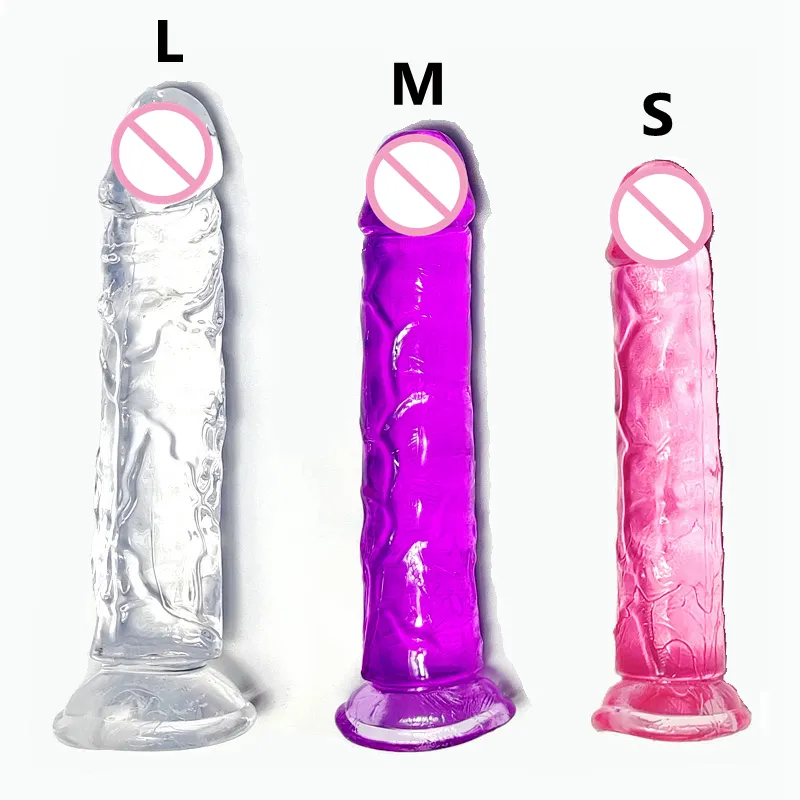


Recommended Products
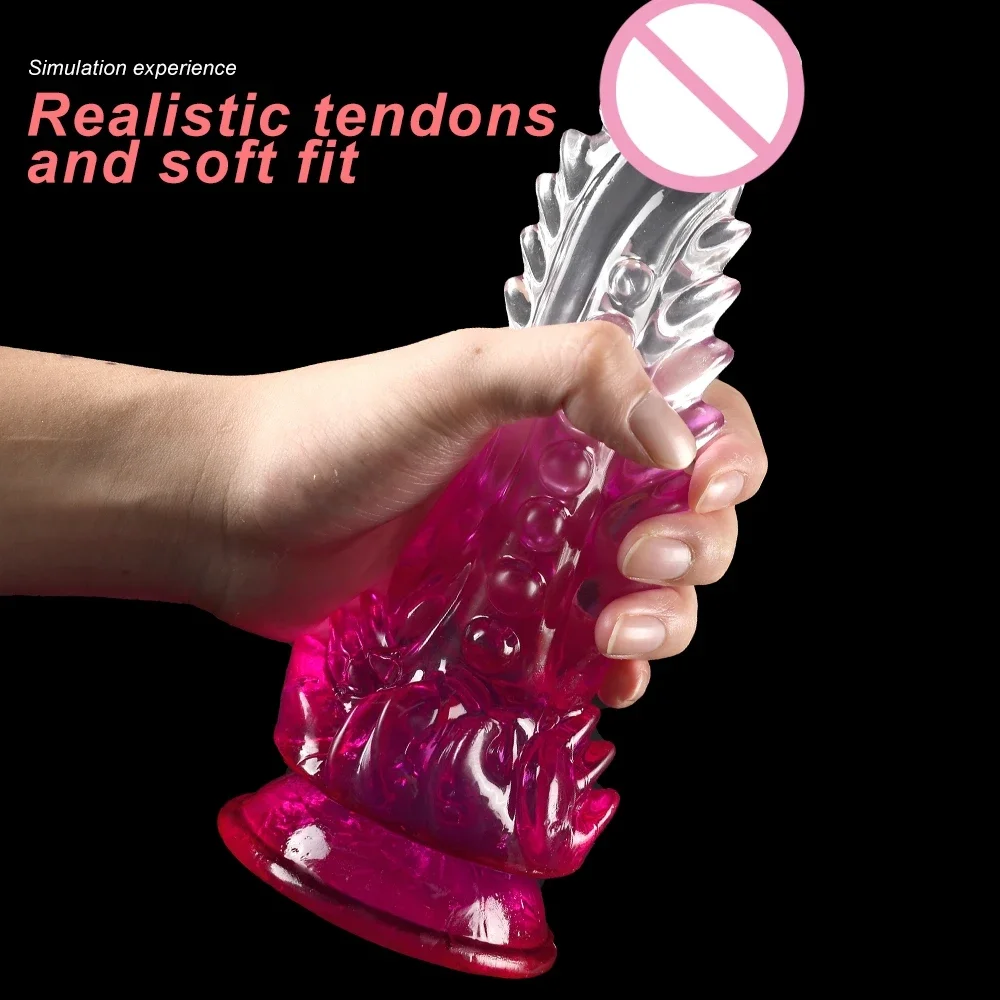
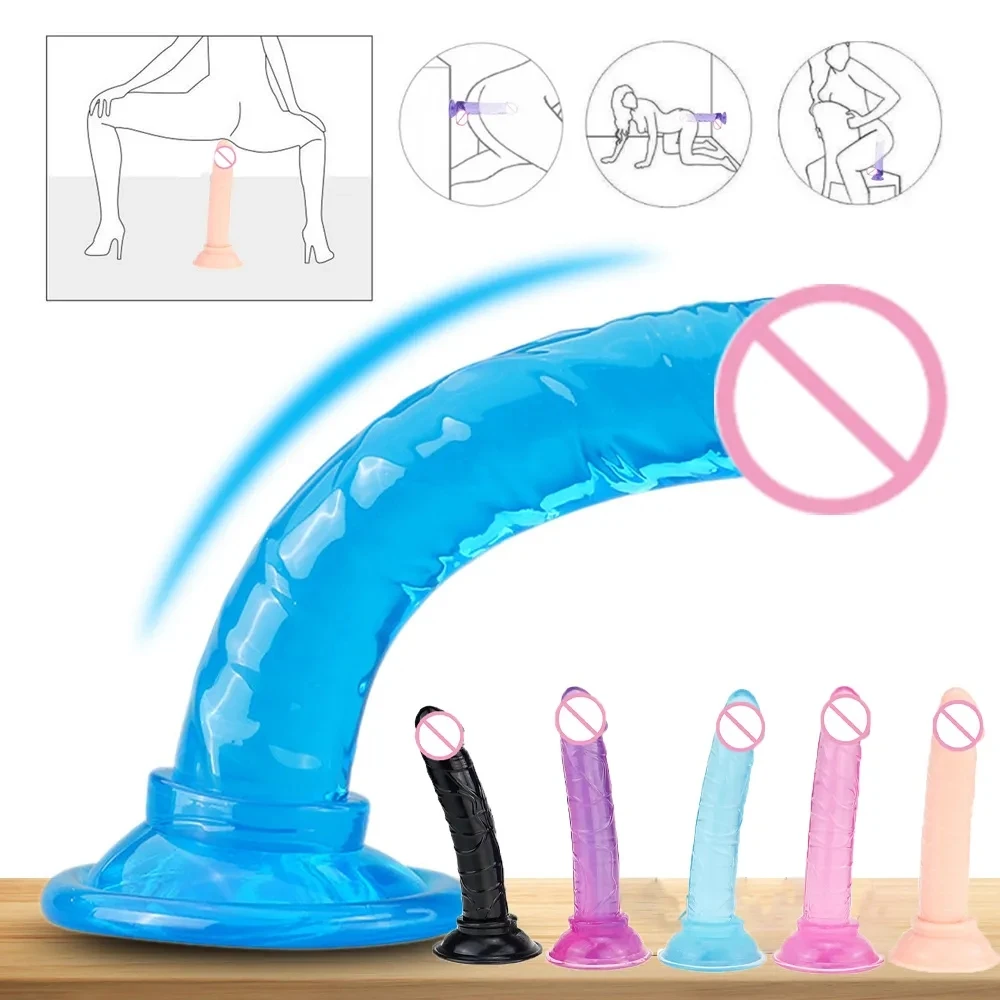
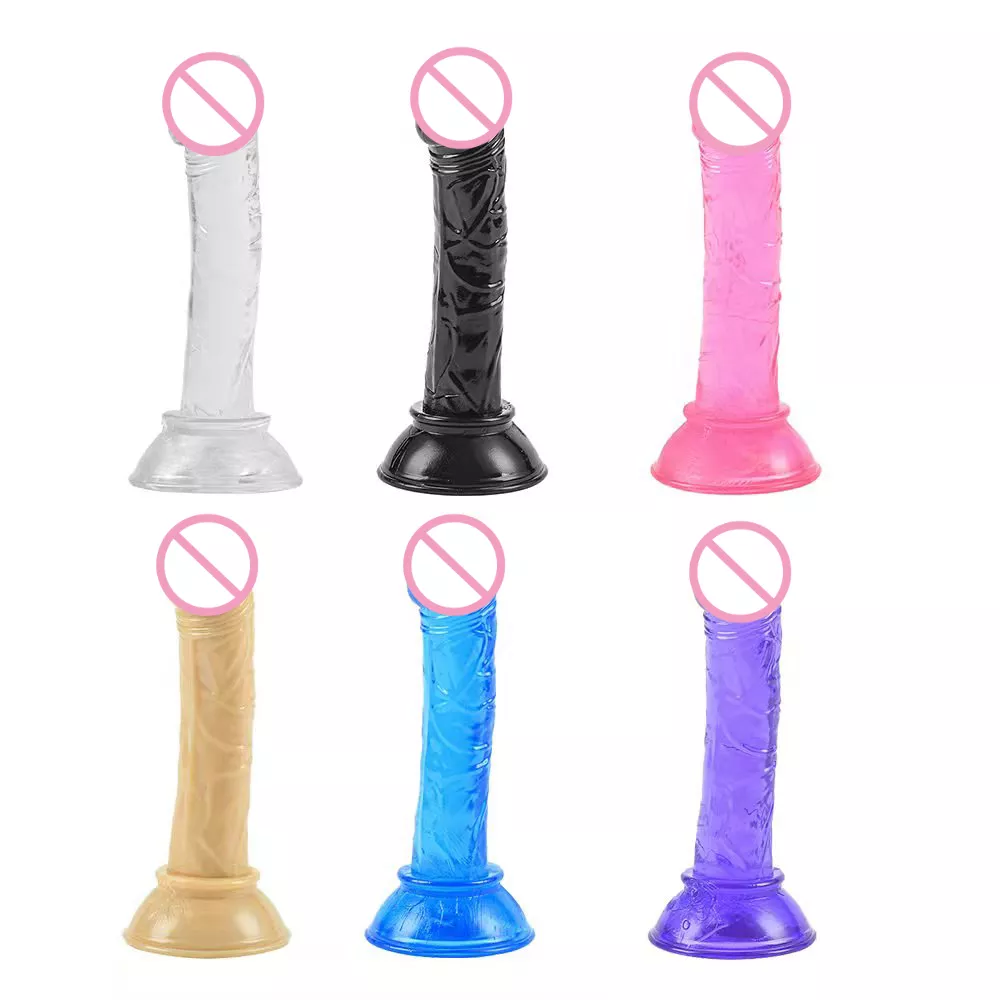
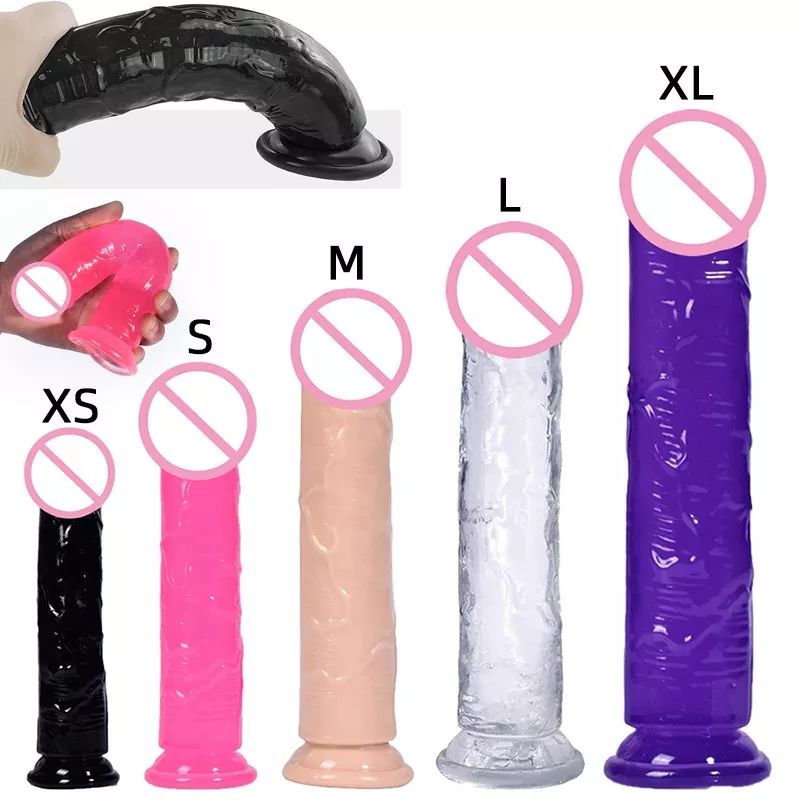
- Identify your use-case priority: visual realism, weight, flexibility, or temperature-play capability. Silicone hits all four; glass wins on temperature; TPE wins on ultra-softness.
- Check the material declaration. Look for “medical-grade,” “platinum-cured,” or “borosilicate.” If the listing says “soft jelly” with no other descriptor, move on.
- **Read the care instructions the manufacturer provides, not the retailer’s generic blurb.**
- Budget honestly. A \$50 certified silicone piece that lasts three years costs less per month than three \$15 replacements that last four months.
- Use XNXXMALL’s filter tools to sort by material, size, and firmness so you compare like-for-like instead of guesswork.
Safety & Care
A non-negotiable routine that applies whether you choose silicone, certified TPE, or glass:
- Always use a water-based lubricant with silicone products. Silicone-on-silicone lube degrades the surface in as little as 90 days, creating micro-cracks that harbour bacteria.
- Clean before and after every use with mild, fragrance-free soap and warm water. For glass or ABS, a quick 20-second soak is enough; for TPE, use a dedicated toy-safe cleanser and avoid hydrogen peroxide or boiling water.
- Store each piece in a breathable, 100 % cotton pouch, away from direct sunlight and other toys (material contact can cause colour migration or off-gassing reactions).
- Respect age verification and local regulations. XNXXMALL enforces a strict 18+ gate at checkout and geo-restricts where local law requires it. Do not bypass these controls.
- Inspect quarterly. Any tackiness, odour change, surface pitting, or colour shift means the material has passed its useful life—retire it, even if it “still looks fine.”
For a broader, clinician-authored perspective on sexual wellness and safe product use, the American Medical Association’s resources at [Mayo Clinic – Sexual Health](https://www.mayoclinic.org/healthy-lifestyle/sexual-health) are a useful starting point.
Top Recommendations
| Budget Tier | Pick | Why |
|—|—|—|
| Under \$30 | Certified TPE line (XNXXMALL “SoftCore” series) | Phthalate-free, 2-year lifespan, easy care |
| \$30–\$70 | Platinum-cured silicone (XNXXMALL “Anatomica” series) | Non-porous, 5+ year life, broad lube compatibility |
| \$70+ | Borosilicate glass with base (XNXXMALL “Vitreous” series) | Indefinite life, temperature-play, fully non-porous |
Each link on XNXXMALL’s product page includes the material safety data sheet (MSDS) so you can verify the batch yourself before the item ships.
Worth It or Not? (Honest Verdict for Different Budgets)
- \$8–\$15 “mystery jelly”: Not worth the dermatology visit. The cost savings are illusory once you factor in replacements, off-gassing complaints, and potential contact-dermatitis treatment.
- \$25–\$55 certified soft material: Excellent value. You get a body-safe, semi-porous option that works well for beginners who prioritise softness.
- \$55–\$130 medical silicone or glass: The long-game play. If intimate wellness is part of your routine, the per-use cost drops below that of a coffee, and the hygiene confidence is real.
More Options on XNXXMALL
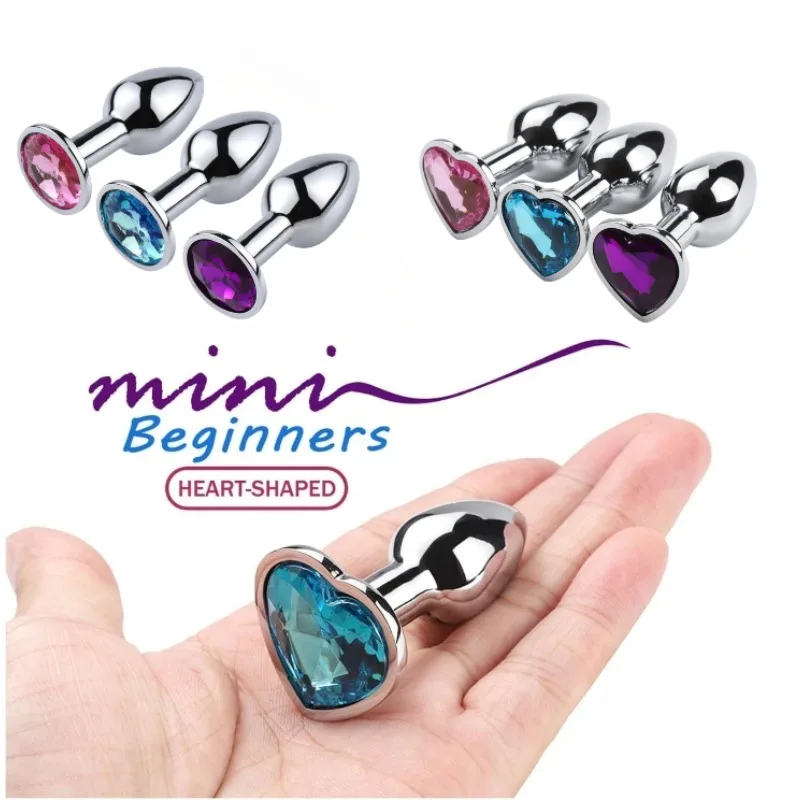
Frequently Asked Questions
: Is jelly material in cheap realistic dildos safe for long-term skin contact?
A: Unlabelled, unregulated “jelly” (often untested PVC) can contain DEHP or DBP plasticisers that leach on repeated contact, causing irritation or sensitisation. If a product is explicitly certified phthalate-free and TPE/TPR-based, short-term skin contact is low-risk—but long-term, non-porous silicone remains the safer default.
: Can I use a jelly or soft-TPE piece with oil-based lubricant?
A: No. Oil-based lubes degrade TPE and porous jelly within weeks, making the surface tacky and structurally weak. Stick to water-based formulas, and with silicone, any lube type is fine as long as it’s not silicone-based.
: Does “realistic” appearance mean the material is automatically body-safe?
A: No. Visual realism is a mould-and-pigment achievement, not a material-safety claim. A \$12 gas-station item can look identical to a \$90 silicone piece yet contain entirely different (and untested) compounds. Always check the material declaration.
: How do I know if is jelly material in cheap realistic dildos safe enough for my specific skin sensitivity?
A: Perform a 48-hour patch test: press a small, clean section of the material against the inner forearm, covered with a bandage. If redness, itching, or swelling appears, the material is not compatible with your skin. When in doubt, default to medical-grade silicone or glass.
: What should I do if I already own an unverified cheap piece?
A: Stop using it against skin. If you wish to keep it for visual or novelty purposes only (non-body contact), store it in a sealed bag away from children and pets, and dispose of it through your local hazardous-waste or general-waste guidelines when it begins to crack or smell.
Final Thoughts
The question “is jelly material in cheap realistic dildos safe” is less about the word jelly and more about who manufactured it, what tests it passed, and whether you can trace that information on the label or product page. The market has matured, and a small premium now buys you a certified, non-porous, years-lasting product from a retailer that publishes batch-level safety data. That peace of mind is the real product.
When you’re ready to compare materials, verify certifications, and order from a store that treats intimate wellness with the same seriousness as any other health category, start at [XNXXMALL](https://xnxxmall.com). Filter by material, read the care cards, and pair your purchase with the routine outlined above. Your body deserves the same quality assurance you’d expect from any other product that lives against it.
For additional clinician-reviewed guidance on sexual health, prevention, and safe-product use, visit [Mayo Clinic – Sexual Health](https://www.mayoclinic.org/healthy-lifestyle/sexual-health).
 No products in the cart.