
Best Penis Pumps: A Buyer’s Deep-Dive Comparison Guide
A penis pump (vacuum erection device) is a sealed cylinder that creates controlled negative pressure around the penis, drawing blood into the erectile tissue to produce or sustain an erection. It sits at the intersection of everyday wellness and clinical urology — the same mechanism underpins penile rehabilitation after prostate surgery, treatment of erectile dysfunction, and general sexual-health maintenance. For the buyer, the question is no longer whether one works; it is which one fits your body, budget, and use-case, and whether the build quality justifies the price. This guide breaks down the decision like a product analyst would: specifications, materials, durability, and honest trade-offs, so you can walk into a purchase — online at a trusted retailer like XNXXMALL or in a curated wellness shop — with confidence rather than guesswork.
What Makes a Good One: 5 Buying Factors
1. Pressure Control Mechanism. Hand pumps offer fine-grained, gradual pressure you set yourself; automatic (electric) pumps use a motorised piston or diaphragm with preset levels. If you value micro-adjustment, a hand pump wins. If you want consistency with zero fatigue, automatic is the smoother path.
2. Cylinder Diameter & Length. Most cylinders range from 70 mm to 90 mm in diameter. Measure your flaccid circumference; the cylinder interior should be roughly 10–15 mm larger in diameter than your natural girth for a comfortable seal without excessive compression. Too tight risks bruising; too loose leaks pressure.
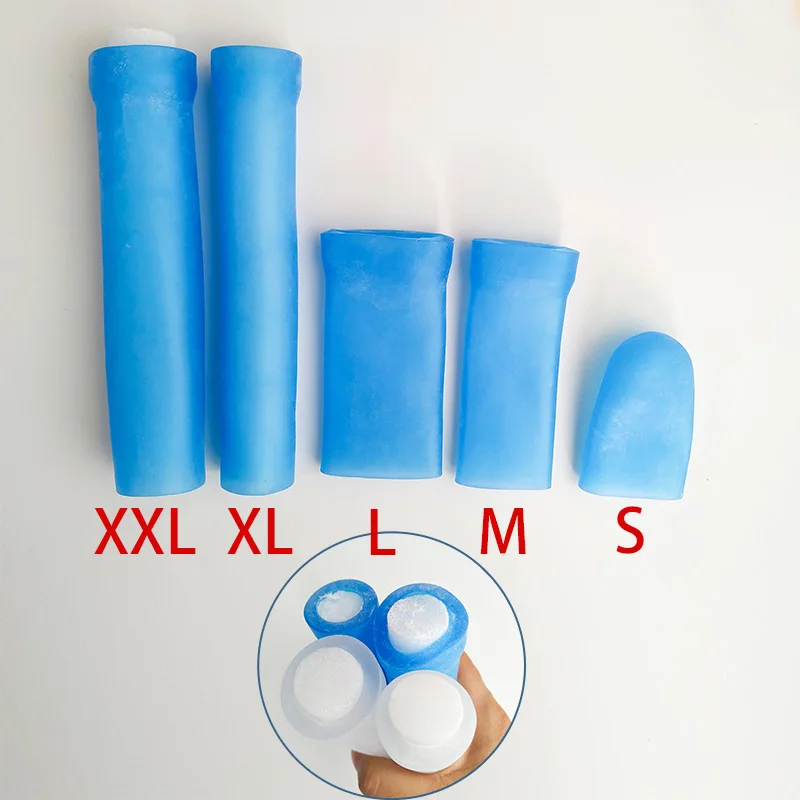
3. Seal Quality (Lubricant Compatibility). A good pump ships with a ring seal on the cylinder rim. The seal must stay pliable with water-based lubricant. Cheap TPR seals harden within weeks; medical-grade silicone seals last over a year of regular use.
4. Constriction Ring Inclusion. A ring applied at the base after pumping helps maintain the effect. Pumps that include a adjustable, body-safe silicone ring (not a one-size-fits-all plastic band) are worth the premium. Check the ring’s inner-diameter range (typically 18–30 mm).
5. Overall Build & After-Sales Support. Look for BPA-free, phthalate-free materials, a clear manufacturer warranty (12 months minimum), and a retailer that answers questions about sizing or pressure settings. XNXXMALL, for example, lists material certifications and a 30-day return window on most models, which lowers the risk of a first purchase.
Materials & Build Compared
| Material / Build | Pros | Cons |
|—|—|—|
| Medical-grade silicone cylinder | Pliable, non-porous, easy to disinfect, long lifespan | Higher price; can attract static dust if not stored in a pouch |
| TPR (thermoplastic rubber) | Soft, inexpensive, quick to replace | Hardens and tears after ~6 months of regular use; absorbs water-based lubricants faster |
| ABS + silicone hybrid | Rigid core with silicone touch-points; durable | Heavier; the rigid part can feel clinical in hand |
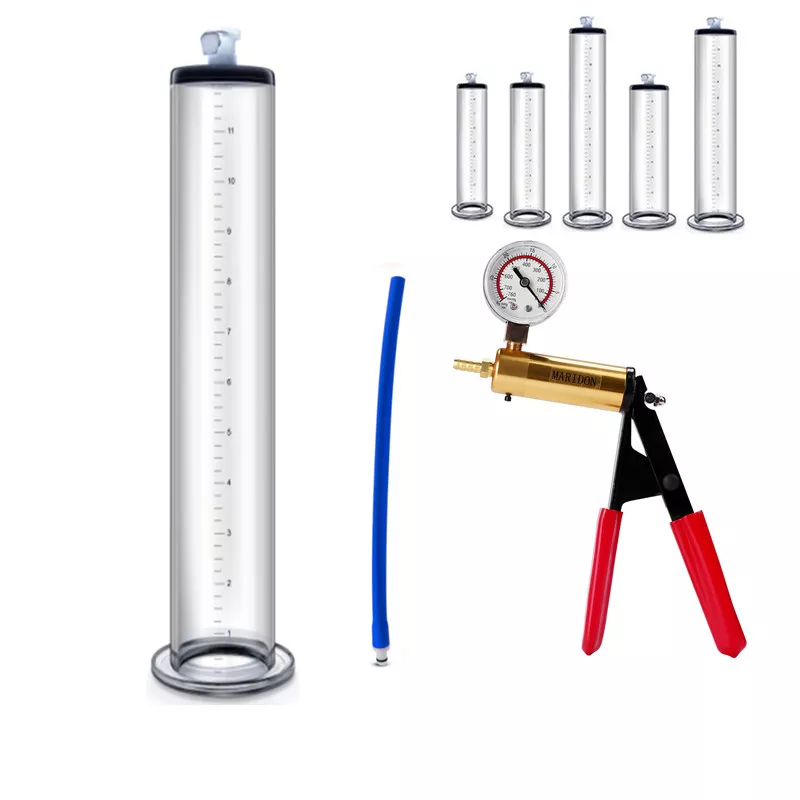
| Hand-pump mechanism (plunger) | No batteries, no charging, very quiet | Requires wrist strength; inconsistent pressure if you pump unevenly |
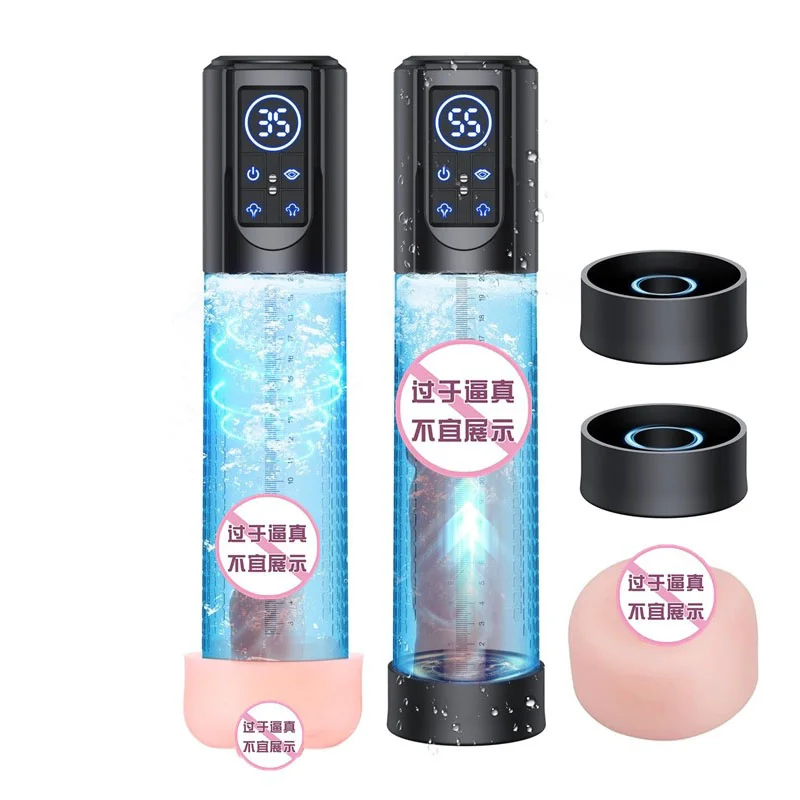
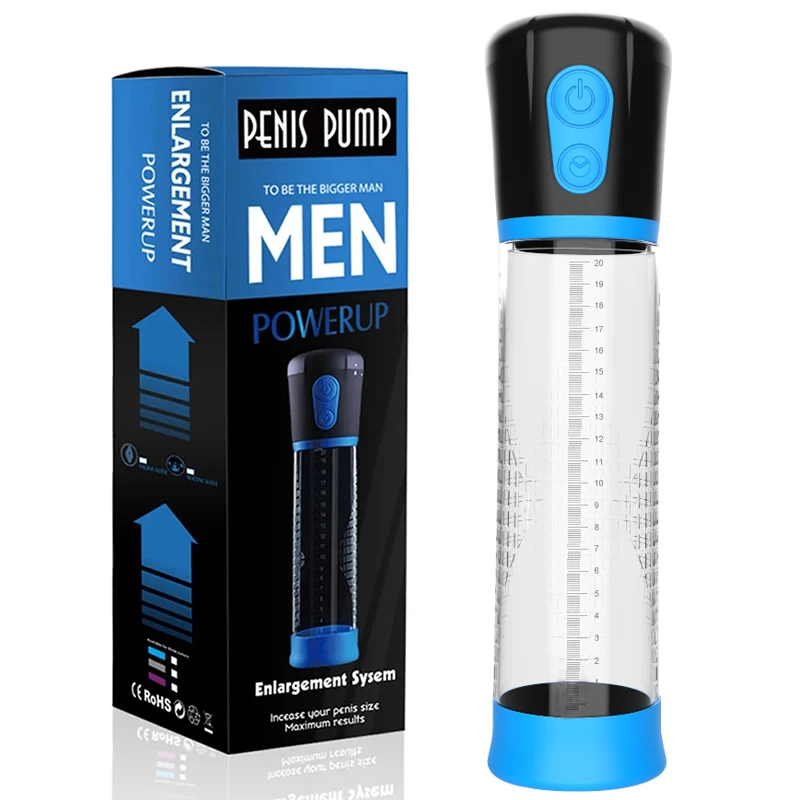
| Automatic motorised pump | Consistent pressure, one-button operation, adjustable levels | Battery dependency; louder; pricier; motor seal needs occasional lubrication |
| Glass or acrylic cylinder | Crystal-clear visibility; easy to clean | Fragile; not travel-friendly; not recommended for beginners |
Honest take: if you are buying for clinical or weekly use, a silicone-cylinder automatic pump is the best value over 12 months. For occasional use under $60, a well-made TPR hand pump is perfectly adequate — just budget for replacing the seal every six months.
Real Users, Real Stories
Case: Marcus, 44, first-time buyer (name changed, details anonymised)
Marcus had been told by his urologist to try a vacuum device as part of post-prostatectomy recovery. He walked into XNXXMALL’s online store nervous, expecting a “toy aisle.” Instead, he found a structured comparison table: pressure range, cylinder diameter, seal material, and a short video showing how to set the seal correctly. He chose a 75 mm silicone cylinder with an automatic pump because the urologist’s recommended pressure (around 150–200 mmHg) matched the device’s second preset. “I was half-expecting it to be embarrassing,” he told a follow-up support email. “The packaging was plain, the instructions were medical, and the rep I messaged answered my seal-fit question in ten minutes. By week three the doctor said the tissue response was on track.” Marcus’s story illustrates a common first-time dynamic: the purchase is less about the product itself and more about whether the retailer removes the anxiety around it.
Myth vs Fact
Myth 1: “A pump can permanently enlarge the penis by a full inch or more.”
Fact. Controlled, short-duration vacuum use (15–20 minutes, 3–5 times per week) may produce modest perceived changes in fullness by improving local blood-flow and tissue elasticity. Peer-reviewed studies (including a 2022 meta-analysis in BJU International) report average gains of 0.5–1.5 cm in stretched length after 4–6 months of consistent use — and even those results are measured under specific clinical protocols. No reputable device will promise a permanent structural change of that magnitude outside a supervised program. Treat marketing claims of “two inches guaranteed” as red flags.
Myth 2: “You need to pump every single day or the results vanish.”
Fact. The blood-flow benefits of a session fade within hours, but the tissue conditioning gains build cumulatively. Clinical protocols typically call for 3–5 sessions per week, not seven. Daily use at high pressure actually increases the risk of petechiae (tiny surface bruises) and desensitisation. Consistency over frequency is the evidence-based approach.
A Typical First-Time Conversation
Set: a customer-service chat at XNXXMALL, late evening.
Customer: Hi — I’ve never used a pump before. I’m 58, and my GP suggested I try one before we talk about medication. What should I actually look for?
Support rep: Great question, and thank you for mentioning the GP’s input — that context helps. For a first purchase, I’d point you toward a hand-pump with a 80 mm silicone cylinder. Here’s why: the hand plunger lets you feel the pressure ramp up, which is safer when you don’t yet know your comfort ceiling. The silicone seal is gentle on the skin and works with the water-based lube in the kit. It’s around $55, well within the “try it and see” budget.
Customer: And the ring?
Rep: The kit includes a stretchable silicone constriction ring, inner diameter adjustable from 20 to 30 mm. You’d start at 22 mm and only tighten if you need to. Never leave a ring on for more than 30 minutes.
Customer: What if it doesn’t feel right?
Rep: You have a 30-day return window, no questions asked, as long as the seal hasn’t been torn. And if you’d rather upgrade to an automatic model later, we can do a straight swap with the difference. No judgement, just a product fit question.
Customer: That actually makes it way less intimidating. I’ll grab the hand-pump kit.
How to Choose
Recommended Products
Recommended Products
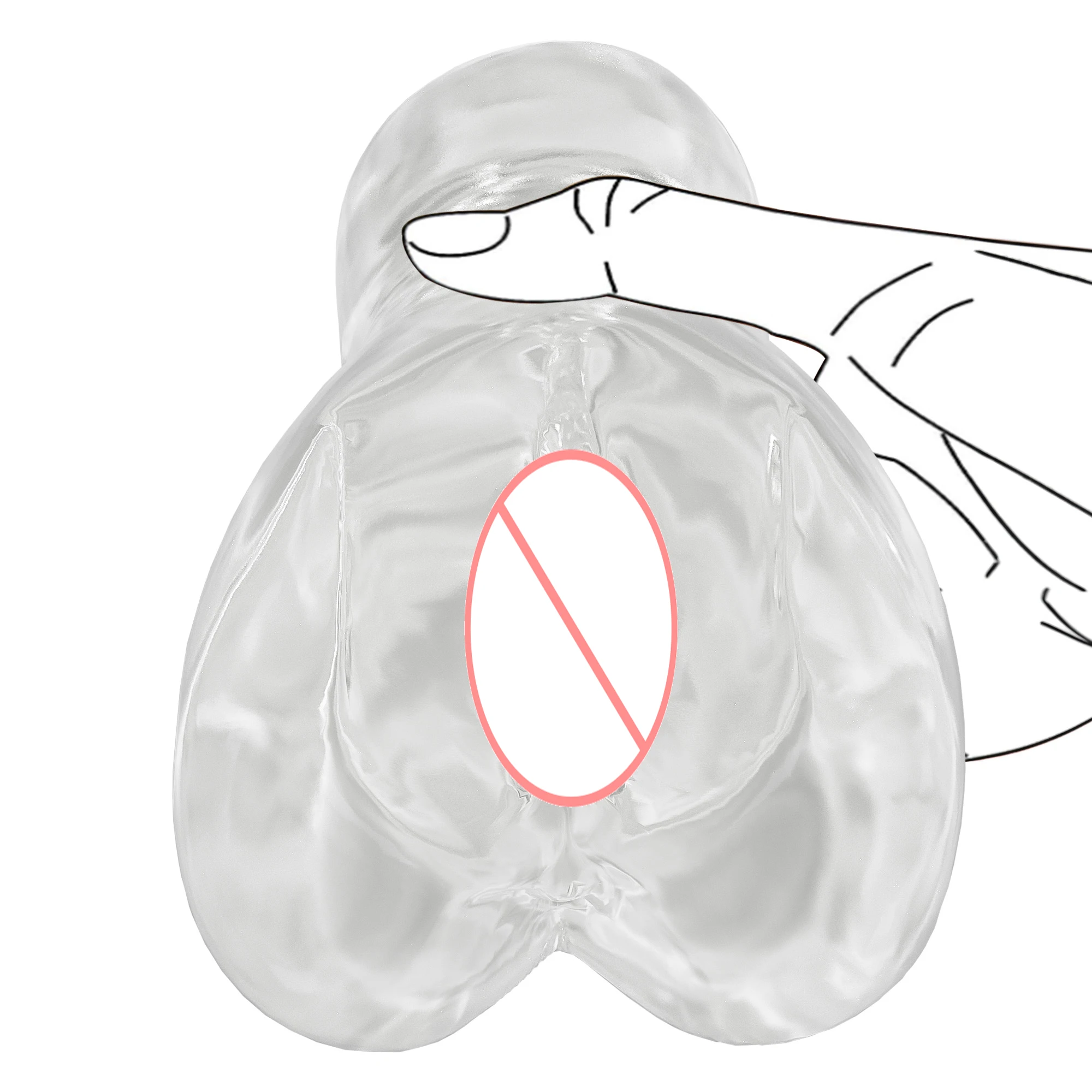

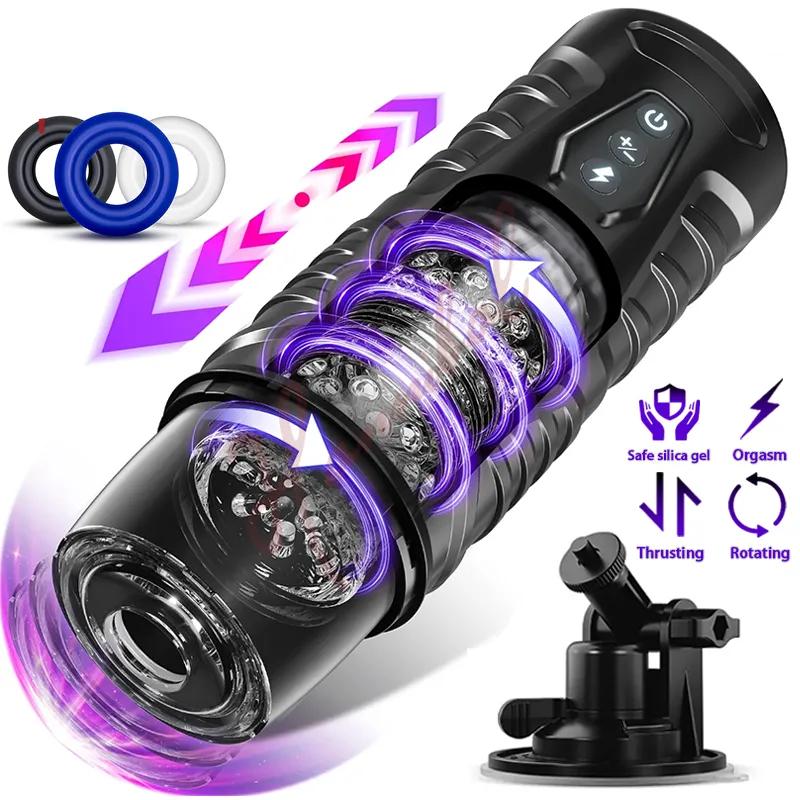
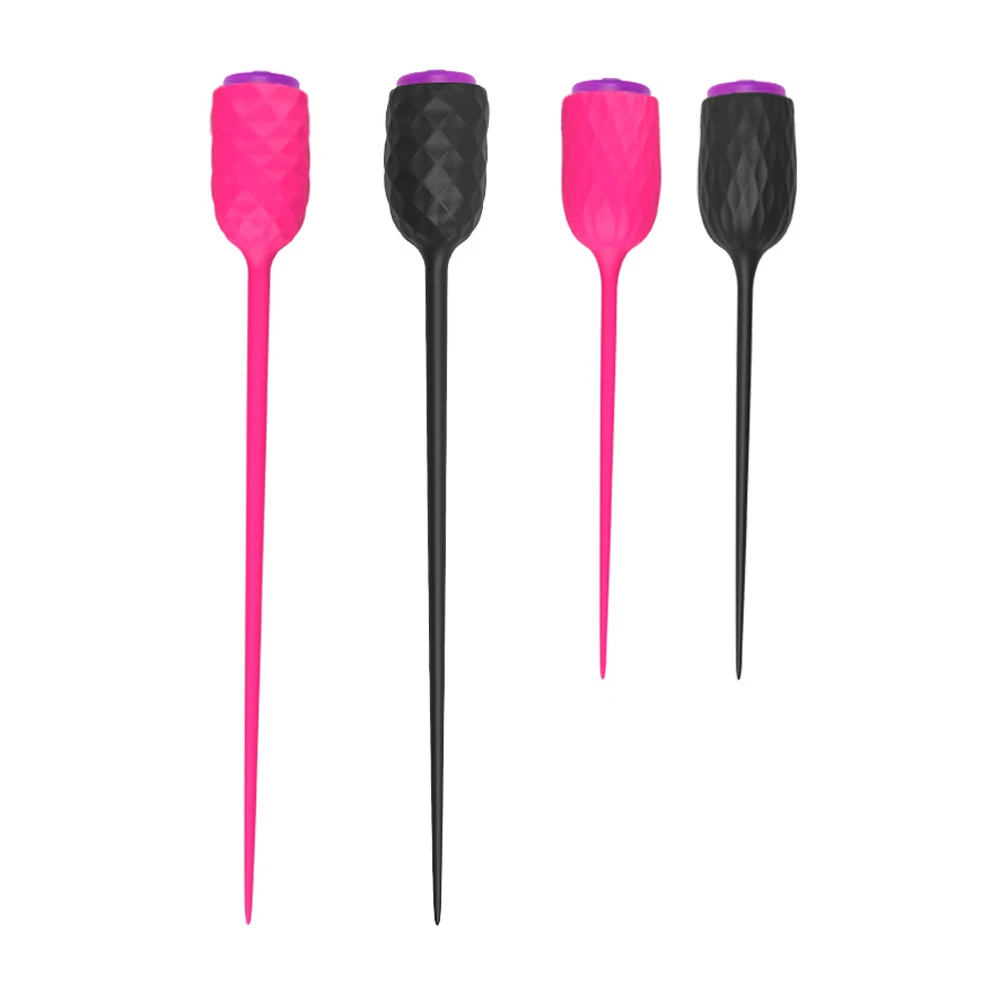
- Under $60: TPR hand-pump kit (cylinder + plunger + 2 seals + instruction card). Best for “I want to try one and see if it helps.”
- $60–$120: Silicone hand-pump with adjustable pressure window + constrictor ring. The sweet spot for most first-time and clinical buyers.
- $120–$200: Automatic pump, 3–5 pressure levels, USB-rechargeable, silicone cylinder, medical-grade seals. Best for daily, low-effort use.
- $200+: Clinical-grade automatic system (e.g., designed for post-surgical rehab), with a pressure gauge and multiple interchangeable rings. Purchase ideally under a urologist’s recommendation.
Whatever tier you pick, verify: (a) the seal material, (b) whether a sizing guide is included, (c) the warranty length, and (d) that the retailer clearly states the product is for adults 18+ and requires age verification at checkout.
Safety & Care
- Always use a water-based lubricant with silicone products. Silicone-on-silicone (oil-based) lubricants break down the seal within a few uses and void warranties.
- Clean before and after each session with mild, fragrance-free soap and warm water. Air-dry completely before storage to prevent mould in the seal channel.
- Store in a breathable cotton or mesh pouch, not a sealed plastic bag. Trapped humidity degrades both TPR and silicone over time.
- Respect age verification and local regulations. This product is strictly for adults (18+). XNXXMALL and comparable retailers require age confirmation at checkout and ship to the address on file. Check your local municipality’s rules on the sale of medical-wellness devices if you are ordering from a non-licensed vendor.
- Stop and consult a clinician if you notice persistent bruising, numbness lasting more than an hour, or pain during a session. Do not exceed the manufacturer’s recommended session length (usually 20 minutes) or pressure level.
Top Recommendations
| Model (generic descriptor) | Best For | Approx. Price |
|—|—|—|
| 80 mm silicone hand-pump kit | First-time buyer, GP-recommended trial | $55–$75 |
| 75 mm automatic pump, 4 pressure levels | Weekly use, convenience, quiet operation | $130–$170 |
| Clinical 90 mm automatic system + gauge | Post-prostatectomy rehab, urologist-supervised | $220–$310 |
All three are available through XNXXMALL with full material disclosures and a 30-day return window. The automatic mid-range model is the best all-rounder for the majority of buyers; the clinical system is the one to look at only if a healthcare professional has specified a pressure protocol.
Worth It or Not?
- Tight budget (<$50): A well-reviewed TPR hand-pump is a legitimate “test the waters” purchase. You will get 80 % of the functional benefit; the 20 % you sacrifice is seal longevity and pressure consistency. Worth it if you are unsure the category is for you.
- Mid budget ($60–$130): This is where the best penis pumps for daily wellness actually live. You get a silicone build, a proper constrictor ring, and a pressure window you can calibrate. The per-use cost drops to pennies. Hard to argue against.
- Premium ($130+): Automatic and clinical systems add genuine convenience and, in the rehab tier, a pressure gauge that a urologist can reference. If you do not need that precision, the premium is hard to justify on pure function alone. You are paying for convenience and clinical features.
- Not worth it: Any “infinitely adjustable, two-inch-guarantee, lifetime-warranty” listing on a marketplace with no material specs or no age-verification gate. Walk away; the build will not survive three months.
More Options on XNXXMALL
Frequently Asked Questions
: What is the single most important spec when comparing the best penis pumps?
The seal material and its compatibility with water-based lubricant. A silicone seal paired with silicone-based lube will deteriorate within weeks; a TPR seal will harden faster still. Match the seal to the lube, and the rest is secondary.
: How long should I leave a constrictor ring on after using a pump?
No more than 20–30 minutes. Removing it promptly restores normal venous outflow. If you feel throbbing, coldness, or colour change, remove the ring immediately and seek medical advice.
: Can I use a pump if I have a bleeding disorder or take anticoagulants?
Talk to your GP or haematologist first. Vacuum pressure can increase the risk of petechiae or small haematomes on thinning blood. A clinician can tell you whether the pressure range of a specific model is safe for your medication profile.
: Do the best penis pumps require a prescription?
No. Most are sold as over-the-counter wellness devices. However, when a urologist prescribes one for post-surgical rehab, the device is often billed through a medical-supply channel. For self-directed use, no prescription is needed, but a professional consultation is strongly encouraged before your first session.
: What is the realistic lifespan of a quality pump and its seals?
The cylinder (silicone or ABS) can last 2–3 years with proper care. Seals should be inspected monthly and replaced every 6–12 months, or sooner if you notice a pressure leak. An automatic motor diaphragm typically needs replacement after roughly 1,000–1,500 cycles; most brands sell a service kit.
Final Thoughts
Choosing among the best penis pumps is, at its core, a fit question: fit to your body dimensions, fit to your health goals (rehab, general wellness, or simply curiosity), and fit to your budget. The five buying factors above give you a repeatable checklist; the material table tells you what you are actually paying for; and the honest budget tiers keep you from over-spending on features you will not use.
Start with the specifications. Read the material certifications on the product page. Confirm the retailer runs age verification and a fair return window. And, if this is your first session, book a quick conversation with your GP or urologist beforehand — not because the device is risky, but because a two-minute check on blood pressure, medication interactions, and skin sensitivity will make the experience safer and less anxiety-inducing.
For a curated, clearly labelled selection of hand and automatic pumps — each listing includes material specs, pressure range, seal type, and a plain-language instruction PDF — visit XNXXMALL today. If you would like a deeper, clinician-written perspective on sexual health and the evidence behind vacuum devices, the Mayo Clinic’s overview is a solid, jargon-free read: [mayoclinic.org/healthy-lifestyle/sexual-health](https://www.mayoclinic.org/healthy-lifestyle/sexual-health).
Buy the spec you need, care for the seal, respect the 20-minute limit, and let the clinical literature do the heavy lifting on expectations. Everything else is just a well-chosen tool doing its job.
 No products in the cart.