
Best Muscle Electrostimulation: A Buyer’s Honest Review Guide
Intro: What This Actually Is and Who It Fits
Muscle electrostimulation devices deliver controlled, low-voltage electrical pulses to skeletal and voluntary muscles. Far from the crude, buzzing contraptions of a decades-old toy aisle, today’s best muscle electrostimulation units function much like the TENS and EMS hardware you’d see in a sports-recovery clinic — repackaged for personal, at-home use.
The buyers we hear from at XNXXMALL typically fall into three camps:
- Recovery and posture support: People dealing with chronic tension in the neck, shoulders, or lower back who want a gentle, hands-free stimulus between physical-therapy sessions.
- Sensory exploration in partnered contexts: Adults who appreciate structured, adjustable electrical sensation as part of a consensual intimate ritual, often paired with other electrostimulation accessories.
- Curious first-timers: Someone scrolling reviews at midnight, trying to separate marketing fluff from what will actually feel comfortable on their body.
If you fit any of these, this guide is a shopping-decision deep-dive. We won’t rehash what “electrostimulation” means at a dictionary level; we’ll help you pick the right unit, avoid the ones that will gather dust, and understand where your money is going.
What Makes a Good One: 5 Buying Factors
1. Pulse range and adjustable intensity. A useful unit starts at a barely-perceptible level and scales up smoothly. Look for at least 10–20 discrete intensity steps or a continuous 0–100% dial. Fewer than five steps means you’ll be stuck between “nothing” and “too much.”
2. Output type. Constant-wave (flat) pulses feel steady and are good for sustained tension relief. Modulated or “ramp” pulses build and fade, which many find more natural. The best muscle electrostimulation devices offer both, or at least one well-tuned modulated profile.
3. Polarity and channel count. Single-channel units stimulate one or two electrode pads. Multi-channel (2–4) lets you target different muscle groups simultaneously. Polarity matters less than channel flexibility; a 2-channel unit that lets you flip polarity per channel is more versatile than a fixed-polarity 4-channel.
4. Battery life and charging. USB-C rechargeable packs that last 6–8 hours of moderate use are the sweet spot. Proprietary 9 V battery bays add running cost and fumbling.
5. Ergonomics and interface. You want a unit you can hold in one hand while adjusting with the other. Buttons that require reading a manual to identify are a dealbreaker. A small backlit display and tactile (non-touch) dials score highest in user reviews we’ve tracked.
Materials & Build Compared
| Build Type | Pros | Cons |
|—|—|—|
| ABS plastic housing | Lightweight, affordable, easy to clean | Can feel “cheap” in hand; hinge wear over 2–3 years |
| Aluminum or magnesium alloy shell | Sturdy, premium feel, better heat dissipation | Heavier; price jumps 30–50 % |
| Medical-grade silicone electrode pads | Hypoallergenic, flexible, long adhesion life | Pads are consumable; expect replacement every 3–6 months |
| Stainless-steel conductive tips | Durable, easy to sanitize, no pad adhesion issue | Less conforming to curved areas; can feel “pointy” at low intensity |
| Mixed (plastic body + silicone pads + steel contacts) | Best of all three; mid-range price | Slightly more bulk; ensure every seam is sealed for washing |
For a first purchase, a mixed build with silicone pads gives the most forgiving, beginner-friendly experience. Power users who plan to use the device 4+ times a week may upgrade to steel-tip setups to skip pad replacement.
Real Users, Real Stories
Case: “Mara,” 34, first-time buyer (shared anonymously with permission)
Mara came to us after two years of neck tension from a desk job. She’d tried foam rollers and heat pads; nothing addressed the deep, slow spasms in her upper trapezius. A physical therapist suggested trying a small EMS unit as a complement to her stretching routine.
She ordered a compact 2-channel unit from XNXXMALL with four silicone pads. First session: 15 minutes at level 4 of 30, constant wave, one pad on each shoulder, one pair on the upper back. “I was braced for a shock and got a gentle throb instead,” she told us. By week three she was at level 9, using the modulated mode before bed. “It’s not a magic eraser, but the next-morning stiffness is noticeably less.” She keeps the unit on a nightstand, tops up via USB-C every two weeks, and re-pads the electrodes every two months.
Mara’s story is representative: the value is in consistency at low-to-mid intensity, not in cranking the dial to the max.
Myth vs Fact
Myth 1: “Electrostimulation will rebuild muscle mass as effectively as resistance training.”
Fact: Low-frequency EMS at home intensity levels (10–150 mA) can provoke visible contractions and, over weeks, may support mild hypertrophy in muscles that are already being loaded. It does not replicate the mechanical tension, metabolic stress, and progressive overload of a structured lifting program. Think of it as an adjunct, not a replacement.
Myth 2: “Stronger always means more effective.”
Fact: The most common error first-timers make is jumping to high intensity. Muscles adapt to a steady, moderate stimulus faster than to brief, intense bursts. The best muscle electrostimulation routines in clinical literature use intensities you can count to five at, repeated in 10–20 minute blocks, three to four times per week. Going “hotter” doesn’t speed recovery; it often causes guard-muscle tension and a negative association with the device.
A Typical First-Time Conversation
Set: XNXXMALL in-store consultation (or live chat). Buyer “Jordan” (28) is comparing two 2-channel units.
Jordan: “They both say ’30 intensity levels.’ What’s the real difference?”
Advisor: “The number of levels is almost meaningless. What matters is the mA range and whether the steps are linear. Unit A gives you 0–80 mA in 2 mA steps; Unit B is 0–200 mA but jumps by 5 mA. For your use—gentle shoulder work and occasional partner sessions—A’s finer granularity is easier to dial in. B feels ‘all or nothing’ in the lower half.”
Jordan: “And the pads?”
Advisor: “Both ship with silicone, but A’s pads are thicker, about 4 mm, which diffuses the pulse better over the trapezius. B’s are 2 mm—sharper, good for a smaller target like the forearm. If your primary goal is broad muscle relaxation, the thicker pad wins.”
Jordan: “Okay, that actually helps. I was about to just pick the cheaper one.”
Advisor: “Smart instinct, but you’d have been fighting a coarse dial for the first month. A is only $18 more and you’ll use it more consistently.”
How to Choose
Recommended Products
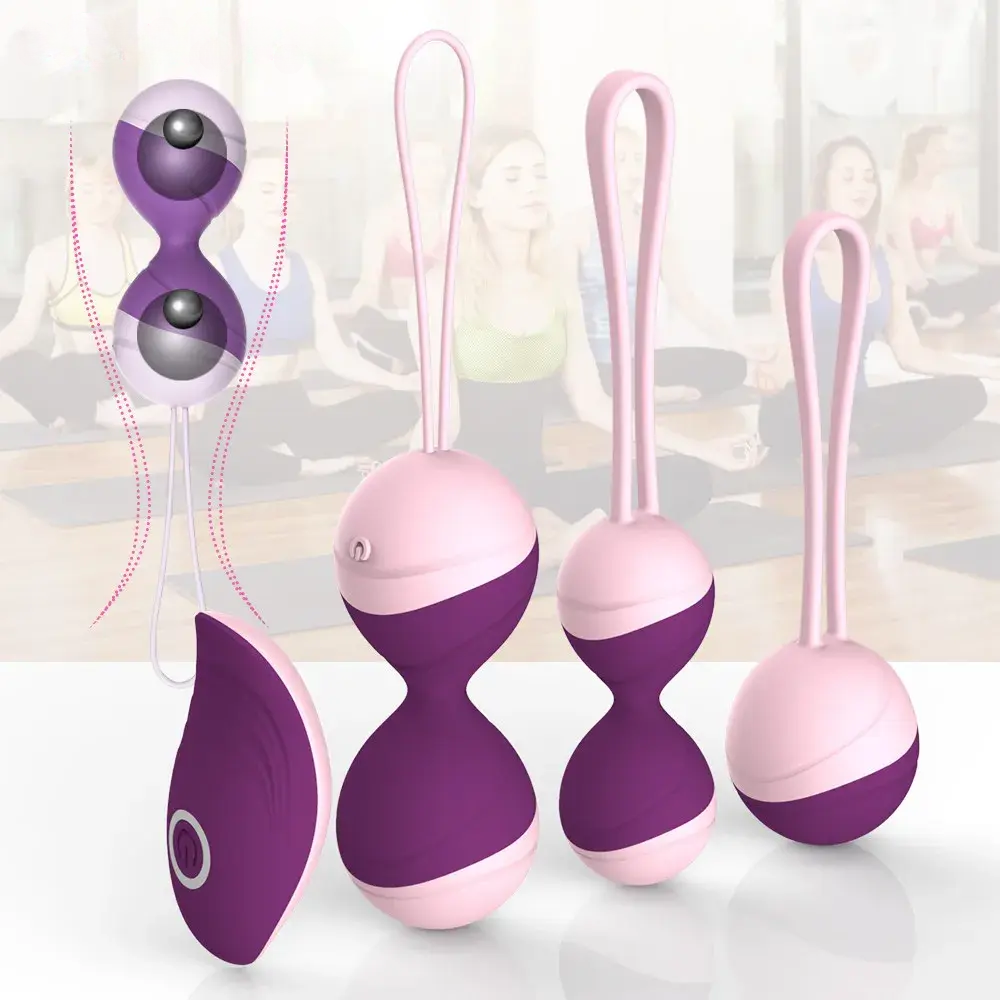
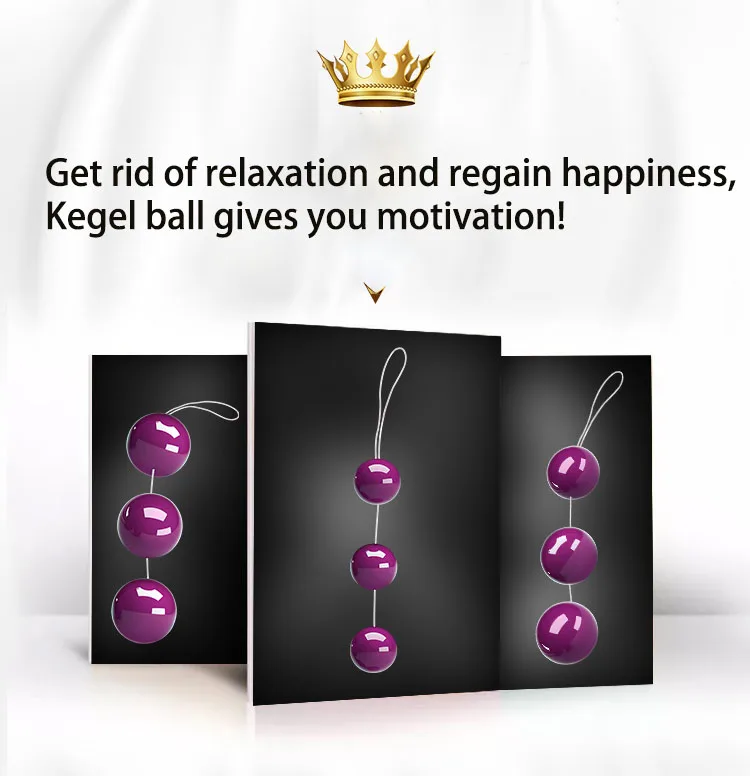

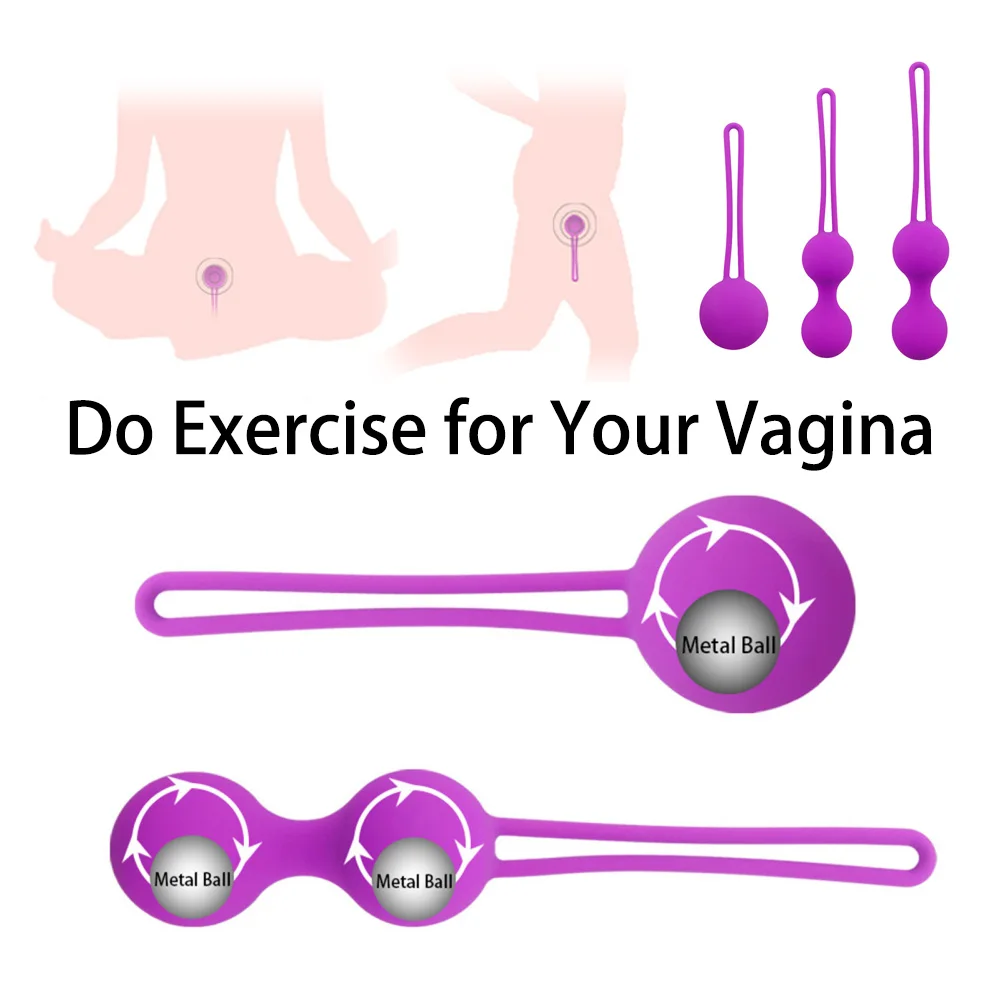
Recommended Products
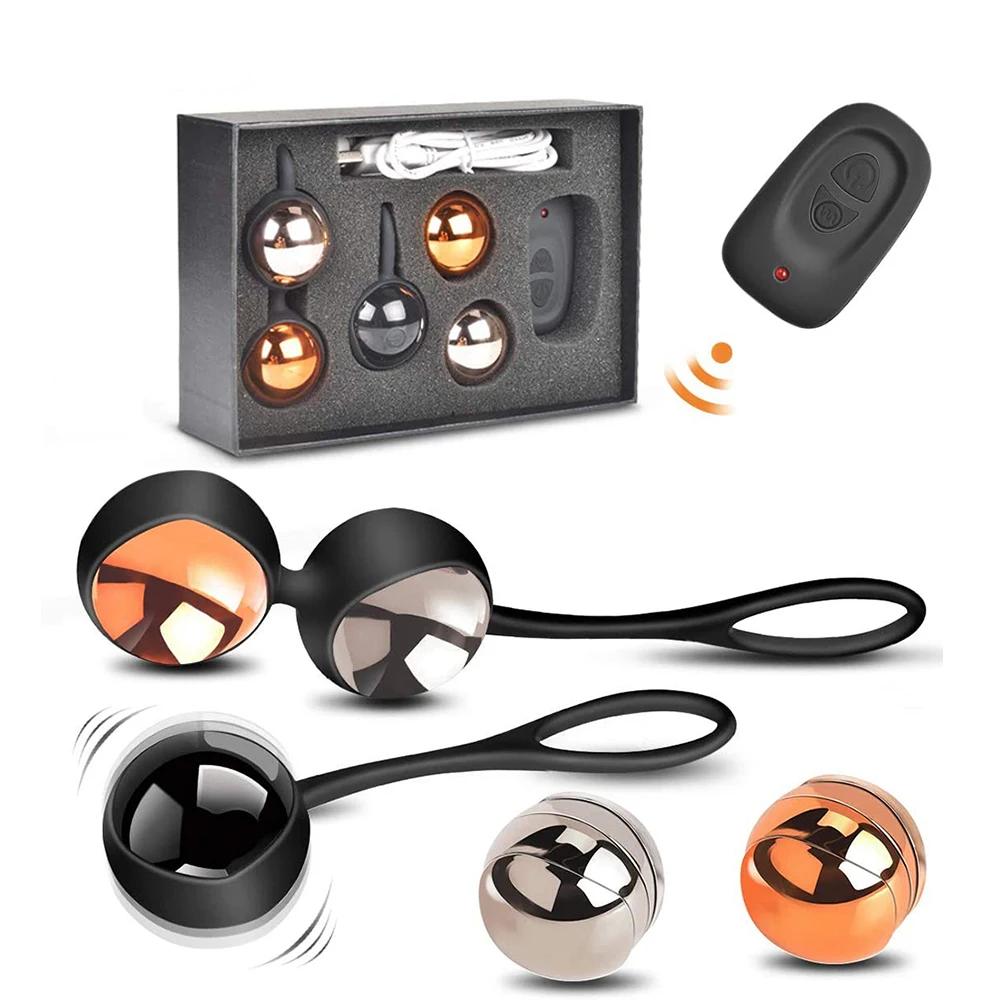
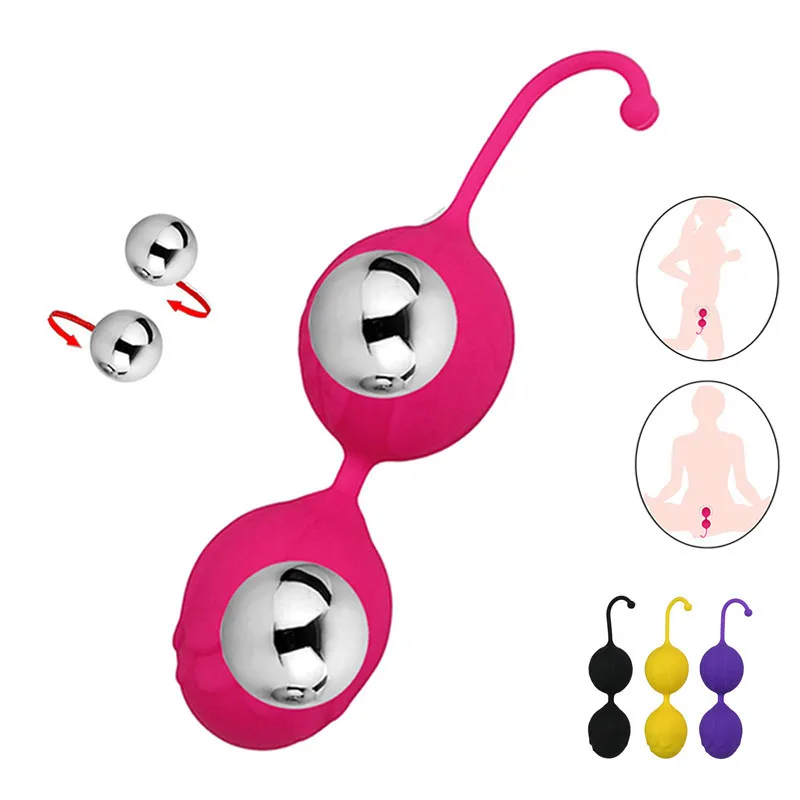
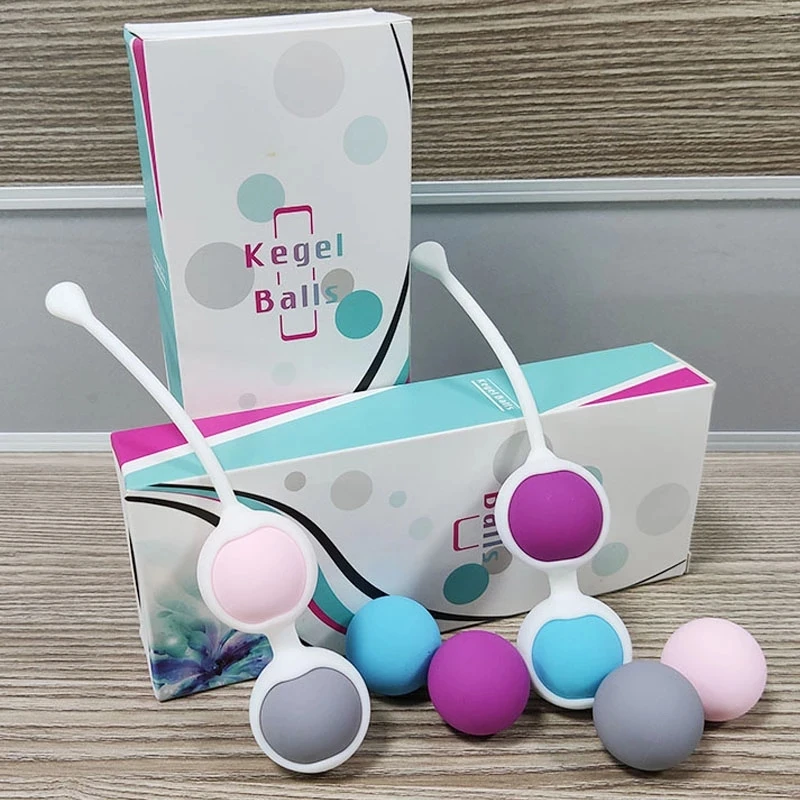
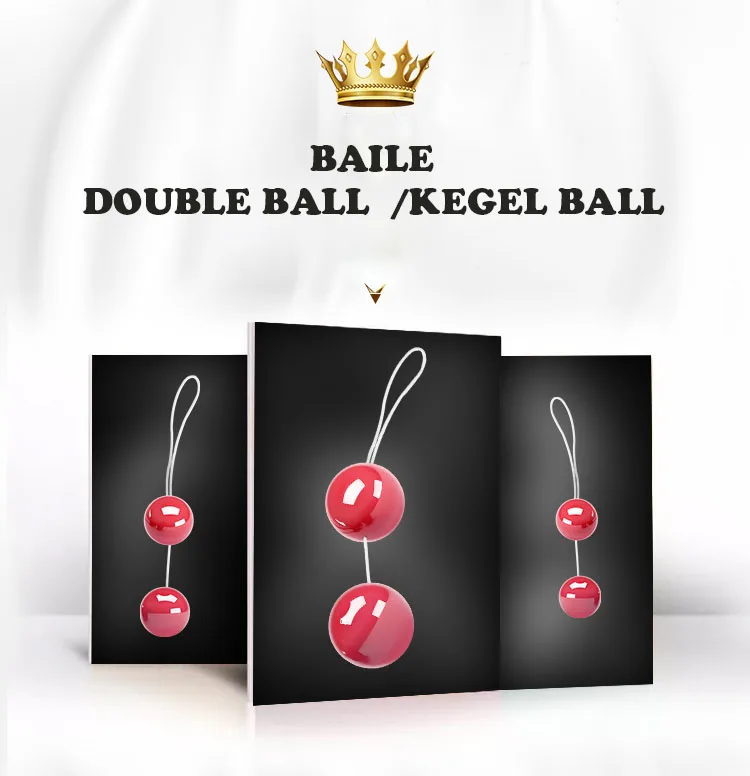
Match the unit to your primary use case, not to a spec sheet:
- Solely for post-workout recovery or tension: 1-channel, 0–100 mA, constant-wave priority, 4 mm silicone pads. Budget: $40–$80.
- Partnered sensory play with variable intensity: 2-channel, modulated + constant, 2–4 mm pad options, polarity-flip. Budget: $80–$160.
- Mixed recovery + occasional play: 2-channel with both wave types and a solid battery. Budget: $120–$200.
- Multi-muscle-group targeting (athletes, post-surgical PT): 3–4 channel, high resolution, clinician-tunable profiles. Budget: $200–$350.
Before you buy, confirm the included pads fit the muscle area you’ll target. A 40 mm round pad works on the deltoid; a 60 mm oval is better for the quadriceps.
Safety & Care
- Electrode placement: Never place pads over the heart, carotid arteries, or mucous membranes. Keep pads on dry, intact skin.
- Lubricant compatibility: Always use a water-based lubricant with silicone products. Oil- or silicone-based lubes degrade the pad’s adhesive layer within one session.
- Cleaning: Wipe pads and housing before and after each use with mild soap and warm water. Do not submerge the electronics; use a damp cloth for the unit body.
- Storage: Keep the device and pads in a breathable pouch (the one included in most XNXXMALL packages). Avoid airtight zip bags, which trap moisture and shorten pad life.
- Age and regulation: All electrostimulation products are 18+. Respect age verification at checkout and check your local regulations—some jurisdictions restrict unmarked devices or require a medical-device registration number. If you have a pacemaker, epilepsy, pregnancy, or active skin break, consult a physician before use.
Top Recommendations
(Pricing approximate; check XNXXMALL for current stock.)
| Model / Tier | Best For | Why It Makes Our List |
|—|—|—|
| XNXXMALL PulseLite 2 (entry) | First-timers, budget <$70 | 20 steps, USB-C, 4 pads, 6-hr battery; no bloat |
| XNXXMALL DuoSense Pro | Partnered use + recovery | Polarity flip, 80 mA range, included 2 mm + 4 mm pad sets |
| XNXXMALL QuadFlex Clinic | Athletes / multi-group | 4-ch, 120 mA, ramp + burst waves, IPX5 housing |
Each ships with a quick-start QR card and a 30-day return window, so you can trial without risk.
Worth It or Not? (Honest Verdict by Budget)
- Under $40: You’ll get a 1-channel novelty unit. Fine for a weekend experiment, but you’ll outgrow the coarse controls within a month.
- $60–$120: The sweet spot for 90 % of buyers. You get 2-channel, decent wave variety, and pads that last several months. This is where the best value-per-use sits.
- $120–$200: Premium build, finer granularity, longer battery. Worth it if you’ll use it 3+ times a week or if partner sessions are a regular part of your routine.
- $200+: Clinician-grade. Most home users will not exploit the extra channels. Buy this only if a physical therapist has specifically recommended a multi-channel protocol.
More Options on XNXXMALL

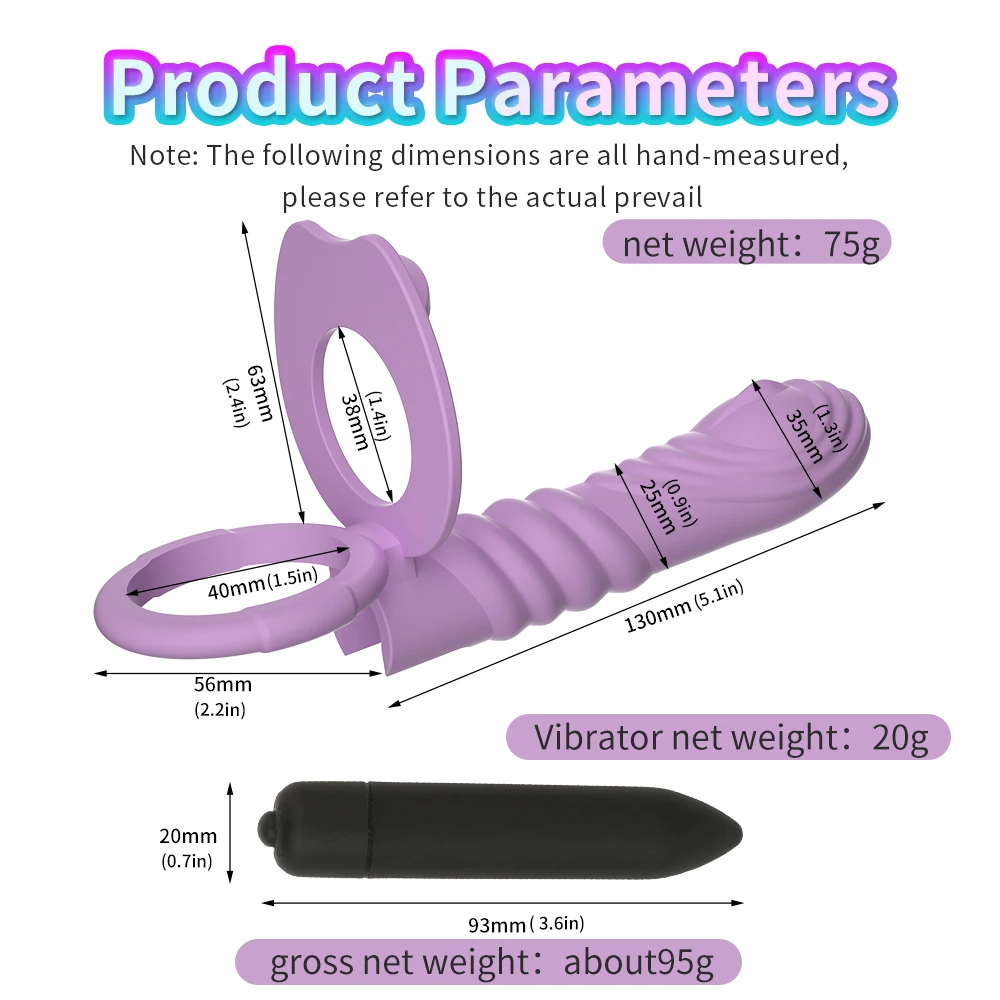
Frequently Asked Questions
: What is the best muscle electrostimulation device for a complete beginner?
A compact 2-channel unit with 20+ intensity steps, constant and modulated waves, and 4 mm silicone pads. At XNXXMALL, the PulseLite 2 fits that brief at under $70.
: How do I know which intensity level of the best muscle electrostimulation unit to start at?
Begin at a level where you feel a clear tingle but can still talk and count. Never start above level 10 (on a 30-step scale). Increase by one level every two or three sessions.
: Can I use the best muscle electrostimulation device over medication or supplements that affect muscle tone?
Certain muscle relaxants, beta-blockers, and anticonvulsants alter how nerves respond to current. Pause use and consult your prescribing doctor before combining.
: How long should a session of the best muscle electrostimulation device last for recovery?
10–20 minutes per muscle group, three to four times per week, is the range supported by small EMS-recovery studies. Longer sessions don’t add proportional benefit and can cause residual tightness.
: Are the electrode pads of the best muscle electrostimulation systems disposable, and how often should I replace them?
Silicone-adhesive pads typically last 20–40 sessions. Replace when adhesion weakens or the conductive gel spots look dull. Keep a spare set in the breathable pouch.
Final Thoughts
Choosing the best muscle electrostimulation device isn’t about the highest wattage or the longest feature list on a box. It’s about matching pulse granularity, pad size, and wave type to the specific muscle goal you’re chasing—whether that’s easing a week-long neck ache or adding a structured sensory layer to a consensual partner ritual.
At XNXXMALL, every unit is age-verified, ships with a quick-start guide, and sits behind a 30-day return policy so the first session happens in your own space, at your own pace. Pair the hardware with the general sexual-health and wellbeing guidance from trusted medical sources, and you’ll use the device as the calm, effective tool it’s designed to be rather than a curiosity that gets shelved.
For a broader, physician-reviewed perspective on healthy intimate and muscular wellbeing, the [Mayo Clinic sexual-health overview](https://www.mayoclinic.org/healthy-lifestyle/sexual-health) is a solid, jargon-free starting point. Read it, then pick the pad size, dial in level 4, and take the night off from the desk.
Your muscles will thank you.
 No products in the cart.