
Starter BDSM & Bondage Kits: A Complete Safety Guide for Informed, Health-First Beginners
Introduction
Exploring intimacy through consensual, structured play is a legitimate and growing area of personal wellness. Yet most first-time buyers walk into the space with a single, uncomfortable question: How do I do this without hurting myself or a partner? A well-designed starter BDSM & bondage kit addresses that fear by bundling vetted, body-safe materials with clear guidance so you never have to guess which products are appropriate for your skin, your comfort level, or your experience.
This guide treats the topic the way a health educator would: systematically, without judgment, and with respect for your autonomy. By the time you finish reading, you will understand what these kits contain, why safety protocols matter, how to read materials labels, and how to approach the experience with your partner in a way that protects both physical and emotional well-being.
Understanding Your Needs
Before opening any kit, pause and ask yourself three questions:
- What are my physical boundaries? Some users have sensitive skin, latex allergies, prior injury sites, or chronic conditions (diabetes, circulatory issues, clotting disorders) that affect how long they can safely remain restrained. Knowing your limits in advance is the single most effective safeguard.
- What is my partner’s experience level? A kit that feels intuitive for a seasoned player may overwhelm a total beginner. Look for kits that include graduated instructions—easy to intermediate—rather than a single “follow this” sheet.
- What does “safety” mean to me personally? For some, it is a quick-release mechanism on every restraint. For others, it is a clearly marked safe word card. For others still, it is a post-session care checklist. Define your own criteria before purchasing.
A quality starter kit should meet at least two of those three criteria out of the box, with clear labeling so you know exactly what each item does and how to use it.
Real Users, Real Stories
Anonymous case study – “J.”, first-time buyer, age 31
J. described their experience to a XNXXMALL support forum in an anonymised post:
> “I had seen the term ‘bondage kit’ on social media and assumed it meant something extreme. When I finally ordered from XNXXMALL, I was nervous the box would contain rigid metal cuffs or anything that looked ‘punitive.’ What arrived was three pairs of soft velcro wrist restraints, a silk-blend blindfold, a small massage wand, a quick-release rope, and a 24-page laminated safety card. The card walked me through a five-minute warm-up, a consent check-in script, and a post-session skin inspection routine. My partner and I used the velcro restraints for a single 15-minute session the first night. The quick-release tab was the detail that made me relax. No metal, no ‘locking in.’ I could peel them off in one second. That single design choice turned anxiety into curiosity.”
J. followed up three weeks later: “We’ve since added the rope to our routine. The laminated card still sits on our nightstand. It’s less a product and more a reference.”
What makes this case instructive is the emphasis on material choice as a safety feature. Soft, quick-release components lower the physiological stress response, allowing the nervous system to remain in a parasympathetic (rest-and-digest) state rather than a sympathetic fight-or-flight state. That shift is not a luxury; it is a health consideration.
Myth vs Fact
Myth 1: “Bondage means no escape.”
In reality, every reputable starter kit uses quick-release mechanisms—Velcro straps, slip-knots, carabiner clips with thumb-release, or split-ring designs. The entire point of a beginner kit is that either partner can undo restraint in under two seconds without a tool. If a product requires a key, a cut, or another person’s assistance to release, it is not designed for unsupervised at-home use and should be avoided by novices.
Myth 2: “All silicone and latex are the same; it doesn’t matter which material I touch.”
In fact, material chemistry matters for skin health. Body-safe silicone is inert, non-porous, and hypoallergenic. Low-grade PVC, porous jelly, or unlabelled “latex” (often a synthetic blend) can leach plasticisers such as phthalates or contain residual solvents that cause contact dermatitis, especially on broken or abraded skin. Before any session, run your fingertip over the item; a faint chemical or “new toy” smell is a red flag. A XNXXMALL product page will list material composition explicitly—use that as your first filter.
A Typical First-Time Conversation
Setting: A quiet evening, both partners have read the kit’s safety card. No music, no time pressure. A glass of water is within reach.
Partner A: “I read the quick-release instructions. I’m okay with the velcro on my wrists for ten minutes. After that, I want to talk about it.”
Partner B: “That’s a clear boundary. Thank you for saying it out loud. If I notice you pulling at the strap or your breathing changes, I’ll stop and check in, even before ten minutes.”
Partner A: “Yes. And the safe word is ‘amber.’ If I say it, everything stops. No questions.”
Partner B: “Amber. Got it. And I want to confirm: are you comfortable with the blindfold, or do you’d rather keep your eyes open tonight?”
Partner A: “Eyes open tonight. Blindfold next time, maybe.”
Partner B: “Perfect. I’ll check your pulse-point wrists before I start, just so we both know the baseline.”
They proceed at a slow pace, checking in every three minutes. After release, Partner B inspects the skin around each strap site for redness or pressure marks. Both log the session in a shared notes app: duration, items used, comfort rating out of ten, any skin observations.
This conversation model—verbal consent, a distinct safe word, a time limit, and a post-session check—converts an intimate act into a structured, repeatable health practice rather than an improvised gamble.
How to Choose
Recommended Products


Recommended Products



When evaluating a starter kit, apply this checklist:
1. Material transparency. Every component lists its composition (e.g., “body-safe platinum-cure silicone, no phthalates, no BPA”). Avoid “assorted plastics” or blank labels.
2. Quick-release on every restraint. No keys, no rigid buckles, no “breakable” glass-style options for beginners.
3. Graduated difficulty. The included instructions should have a Level 1 (5-minute, two points of contact, eyes open) and a Level 2 (20-minute, rope introduction, blindfold optional).
4. Skin-friendly finishes. Smooth, seamless edges; no sharp wire, exposed staples, or rough stitching that could shear epidermis.
5. Hygiene accessories. A small bottle of water-based lubricant and a cleanable, soft-bristle brush or a dedicated toy-cleaning spray.
6. Aftercare items. A warm compress cloth or a hypoallergenic moisturiser to soothe any redness post-session.
7. Age verification and regulatory compliance. The retailer should require adult ID at checkout and clearly state jurisdiction-specific restrictions.
Safety & Care
Non-negotiable protocols for any kit, beginner or experienced:
- Always use a water-based lubricant with silicone products. Silicone-based lubricants can degrade silicone toys, causing micro-porosity where bacteria colonise. Water-based lube is compatible with both silicone and latex components.
- Clean before and after every session with mild, unscented soap and warm water. Air-dry completely on a clean towel before storage. This removes sweat, skin oils, and any lubricant residue that could foster microbial growth.
- Store each item in a breathable pouch (cotton or mesh, not sealed plastic). Trapping moisture inside a sealed bag creates a humid micro-environment that encourages mould.
- Respect age verification and local regulations. XNXXMALL requires confirmed adult status at purchase. Confirm that the materials you are using comply with any local consumer-product safety statutes in your jurisdiction.
- Inspect all items before use. Look for cracks, fraying, tackiness (a sign of silicone breakdown), or odour. Retire anything damaged—never patch or improvise.
- Never restrain a partner’s neck or restrict breathing. Circulation to the brain is non-negotiable; any kit that includes neck restraints should be used only under professional supervision.
- Set a timer. For first sessions, 10–15 minutes of restraint is generous. Nerve compression beyond 20 minutes in the same position can cause temporary paresthesia (“pins and needles”) that is uncomfortable but usually self-resolving; beyond 30–40 minutes it warrants medical attention.
Top Recommendations
Rather than a ranked “best of” list, here is what a health-conscious beginner prioritises inside a starter kit:
- Velcro soft-wrist and ankle restraints (x2 pairs) – instant release, low pressure, easy to fit around varied wrist/ankle sizes.
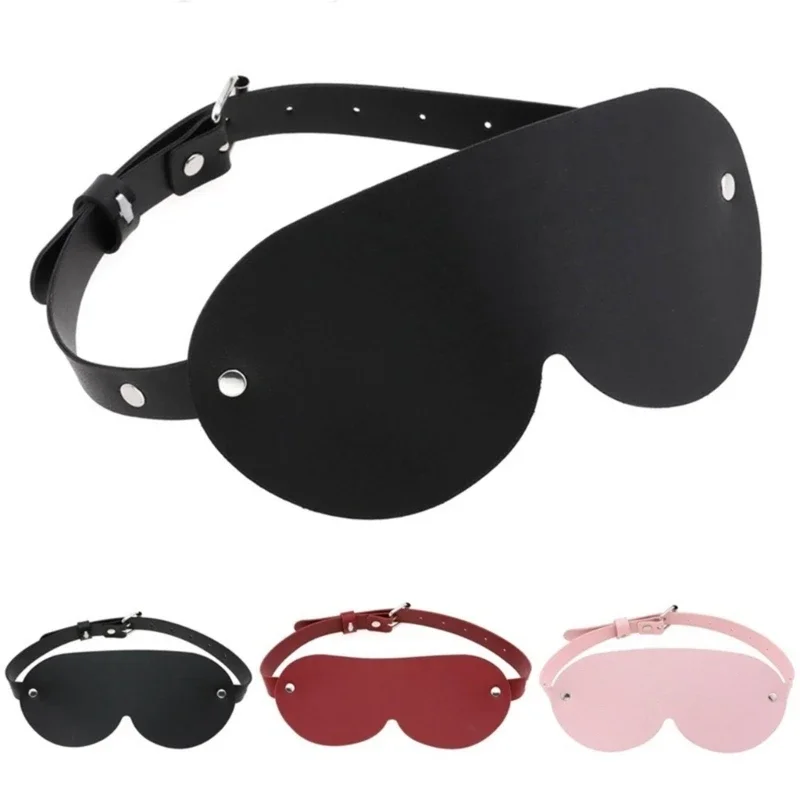
- Cotton-blend blindfold with adjustable tie – breathable, machine-washable, no latex.
- 2-metre quick-release rope (polyester, low-stretch) – for gentle position changes, not for advanced knot work yet.
- Body-safe silicone wand, 8–10 cm, non-porous, seamless – for external sensation; paired exclusively with water-based lube.
- 50 ml water-based lubricant, pH 4.5–5.5, glycerine-free – minimises osmotic irritation on mucous membranes.
- Laminated safety card – quick-reference for consent scripts, safe words, and skin-check steps.
- Breathable cotton storage pouch – keeps items separated, dry, and easily inspected.
All of these components are available through curated starter kits on XNXXMALL, where each item’s material specification and care instructions are printed on the packaging.
Expert Tips
- Warm up first. Five minutes of light stretching and slow breathing lowers muscle tension and makes restraint feel more “held” than “held down.”
- Communicate in the present tense during play. “I need a break now” is clearer than “I felt a little tight earlier.”
- Aftercare is not optional. Ten minutes of undisturbed cuddling, hydration, and a warm shower supports the parasympathetic recovery that follows any elevated-arousal session.
- Keep a shared log. Duration, items, skin observations, and comfort ratings. Over weeks this log becomes a personal health record and makes pattern-detection (e.g., “my left wrist always gets red after 18 minutes”) possible.
- Re-evaluate kits seasonally. Materials age. Silicone can become tacky; Velcro loses grip; rope frays. A 12–18 month review cycle keeps your safety margin intact.
Common Myths
| Myth | Health-Accurate Correction |
|—|—|
| “If I don’t feel pain, I can keep going indefinitely.” | Nerve compression pain often presents after the sensation window closes. A timer and a 20-minute cap protect against late-onset paresthesia. |
| “More expensive always means safer.” | Price tracks marketing, not safety. A $30 Velcro restraint from a labelled, body-safe manufacturer is safer than a $200 “designer” restraint made from untested composite fibres. Check the material spec, not the brand logo. |
| “I can just wing it; I’ll figure things out.” | Improvising restraint without a release plan is the most common cause of first-session emergency calls. A structured kit with quick-release design removes that variable entirely. |
More Options on XNXXMALL



Frequently Asked Questions
: What should a beginner look for in a starter BDSM & bondage kits safety guide before purchasing?
A: Verify that every restraint uses a quick-release mechanism, that all materials are listed with chemical composition (body-safe silicone, cotton, polyester—no unlabelled blends), that a water-based lubricant is included, and that a laminated safety card covers consent scripts, time limits, and post-session skin checks. XNXXMALL product pages list each of these attributes so you can compare kits before you buy.
: How often should I replace items in my starter BDSM & bondage kits safety guide checklist?
A: Inspect every item before each use. Replace Velcro restraints when the adhesive no longer grips, replace rope at the first sign of fraying, and retire silicone items that have become tacky or discoloured (roughly 18–24 months with regular use). Keep a simple “last inspected” date on a sticky note attached to your storage pouch.
: Is it safe to use a starter BDSM & bondage kits safety guide if I have a latex allergy or sensitive skin?
A: Choose kits that specify “latex-free” and use cotton, silk-blend, and body-safe silicone components. Always patch-test any new material on the inner forearm 24 hours before a full session. A water-based, glycerine-free lubricant minimises contact irritation. If you have a diagnosed dermatological condition, consult your GP before introducing any new material.
: Can I share a starter BDSM & bondage kits safety guide with a new partner who has no prior experience?
A: Absolutely. The laminated safety card and graduated instructions are written for two beginners. Read the consent-script section together before the first session, agree on a safe word, set a 15-minute timer, and keep eyes open for the first two sessions. The shared log becomes a natural conversation starter for building trust.
: Where can I find a trusted, age-verified source for starter BDSM & bondage kits safety guide products?
A: XNXXMALL enforces adult age verification at checkout, lists full material compositions on every product page, and ships only to regions where the items comply with local consumer-safety regulations. Their curated starter kits are assembled with the safety protocols outlined in this guide as a baseline.
Final Thoughts
A starter kit is not a permission slip to “try everything.” It is a structured, health-informed toolkit that lowers the barrier to informed exploration. The moment you approach bondage the way you would approach a new supplement or a new exercise routine—read the label, respect the dose, track how your body responds, and stop when something doesn’t feel right—you have already done the most important safety step.
If you are ready to build your first kit, browse the curated Starter BDSM & Bondage Kits collection at [XNXXMALL](https://xnxxmall.com), where every product page includes material specifications, care instructions, and a clear safety card. For broader sexual-health context, the American Medical Association’s patient resource is an excellent neutral reference: [Mayo Clinic – Sexual Health](https://www.mayoclinic.org/healthy-lifestyle/sexual-health).
Take your time. Set the timer. Breathe. And enjoy the process of learning your own boundaries—one safe, small, fully consensual step at a time.
 No products in the cart.