
Sex Toys for Women: A Complete Educational Guide for Informed, Confident Choices
Intro
Sexual wellness is a fundamental component of overall health, yet conversations around intimate self-care often remain shrouded in ambiguity, outdated taboos, and a surprising lack of structured information. For women navigating this space for the first time—or even for the tenth—the landscape of sex toys for women can feel overwhelming: dozens of shapes, materials, vibration frequencies, and marketing claims competing for attention. This guide was created to cut through that noise. It is not a product review. It is not a shopping list. It is an educational deep-dive that builds your understanding from the ground up: what these devices are designed to do, how they interact with your body, what “good” actually means, and how to make a decision that aligns with your personal comfort, health goals, and budget. Whether you are eighteen or sixty-eight, single or partnered, the principles here apply. You deserve clear, judgment-free information, and that is exactly what you will find in the sections that follow.
Understanding Your Needs
Before any purchase decision, the most important question is not “what is trending?” but “what is my goal?” Women explore intimate wellness devices for a wide spectrum of reasons, and there is no single “correct” motivation.
- Self-discovery and body literacy. Many women have spent years understanding very little about their own anatomy and responses. A well-chosen device can serve as a quiet, private tool for mapping sensitivity zones without the pressure of a partner’s expectations.
- Complementing partnered intimacy. Toys are not replacements for a relationship; they are extensions of it. Some couples use them together to explore sensations that are difficult to replicate manually.
- Supporting specific health goals. Pelvic-floor rehabilitation, post-menopausal comfort management, or managing conditions such as endometriosis-related pain can all benefit from targeted, gentle stimulation devices. A clinician’s guidance is essential here.
- Convenience and accessibility. For women with chronic pain, limited mobility, or neurodivergent sensory profiles, a device that offers consistent, adjustable pressure can be genuinely therapeutic.
The key educational takeaway: there is no universal “best” toy for women. The right choice is the one that matches your anatomy, sensitivity level, current comfort threshold, and specific wellness objective. Everything else is secondary.
Real Users, Real Stories
Case: “M., 34, First-Time Buyer”
M. is a marketing professional living in a mid-size city. She had never purchased an intimate wellness product before. Her trigger to research was not loneliness; it was a routine gynecological appointment where her doctor asked about her sexual comfort and she realized she had almost no vocabulary to describe what felt good, what didn’t, or what she actually wanted. After reading two peer-reviewed articles on female pelvic anatomy and one plain-language guide from a sexual-health nonprofit, she decided to try a small, entry-level vibrator strictly for self-exploration.
She set three personal criteria before browsing: body-safe materials only, a device that could be returned unopened if she changed her mind, and a retailer that did not require her to speak to a human “representative” on the phone. She landed on XNXXMALL because the product pages included detailed material breakdowns, sizing charts, and a clearly stated privacy-shipping policy. The device arrived in a neutral, unbranded package within two days. She used it once, noted her observations in a small journal (a habit her therapist had recommended), and was satisfied. She has since revisited the site twice a year, not out of habit, but because her comfort level and her questions evolved.
What M.’s experience illustrates is that the educational gap is rarely about the product itself. It is about the surrounding information: materials safety, hygiene protocols, realistic expectations, and the emotional permission to prioritize your own body without apology.
Myth vs Fact
Myth 1: “Using a vibrator will desensitize your clitoris so much that partnered sex becomes impossible.”
The persistent claim that regular toy use “trains” the body to stop responding to a partner has no support in urogenital physiology. The clitoral glans contains approximately 10,000+ nerve endings, and while individual sensitivity fluctuates with stress, sleep, hormonal cycles, and hydration, there is no clinical evidence that mechanical stimulation permanently reduces baseline neural responsiveness. What can happen is a temporary adaptation: if you use the highest-intensity setting daily for weeks, a lighter sensation may feel muted for a day or two. This is the same principle as your skin adapting to a new pillow. Sensitivity returns with a brief rest. The solution is simple—vary intensity, take breaks, and communicate with a partner about pacing.
Myth 2: “All sex toys for women are the same generic shape with a label change.”
Modern intimate-device engineering has diverged significantly. Product categories now include targeted internal stimulators, external wand designs, dual-density gel-tip tools, app-controlled remote units, and even non-vibrating pressure-only devices for users who find vibration overwhelming. Material science has advanced from early ABS plastics to platinum-cured, non-porous medical-grade silicone, with textured surfaces that mimic different tactile experiences. A first-time user choosing a smooth, compact external unit is not making the “same” choice as someone selecting a contoured internal wand. Shape, motor placement, weight distribution, and surface texture all produce meaningfully different stimulation patterns. Treating the category as monolithic is the same error as saying all skincare products are “just lotion.”
A Typical First-Time Conversation
Setting: A quiet evening. Sarah (29) is on a video call with her close friend Priya (31), who has used intimate devices for five years. Sarah is nervous, laughing a little.
Sarah: Okay, so I’ve been googling, and honestly, everything I find makes me feel like I’m buying a toy for… a kid’s Christmas. I just want a clean, adult product.
Priya: (grinning) Yeah, the whole “novelty” framing is the worst part. Think of it like buying a quality pillow. You want to know the fill material, the shape, whether it’ll make your neck hurt. Same energy.
Sarah: So what do I actually look at first?
Priya: Three things. Material—make sure it says non-porous, body-safe. Usually that’s platinum-cured silicone. Then size. For an external, start small; you can always move to a bigger one. And the motor. You don’t need the loudest, hardest rattle. A mid-range, smooth hum is way more comfortable to start.
Sarah: What if I’m like… weirdly sensitive? I get irritated by most things.
Priya: Then skip the vibration entirely, honestly. There are pressure-only devices, little textured rings, things that don’t hum at all. You don’t have to do the “buzz.”
Sarah: (exhales) That actually makes me feel less like I’m doing something wrong.
Priya: You’re not. It’s just… self-care with a different tool. You’d never feel silly buying a good humidifier.
The conversation ends with Sarah bookmarking XNXXMALL’s material-guide page and deciding to sleep on it before ordering. No pressure. No rush.
How to Choose
Recommended Products


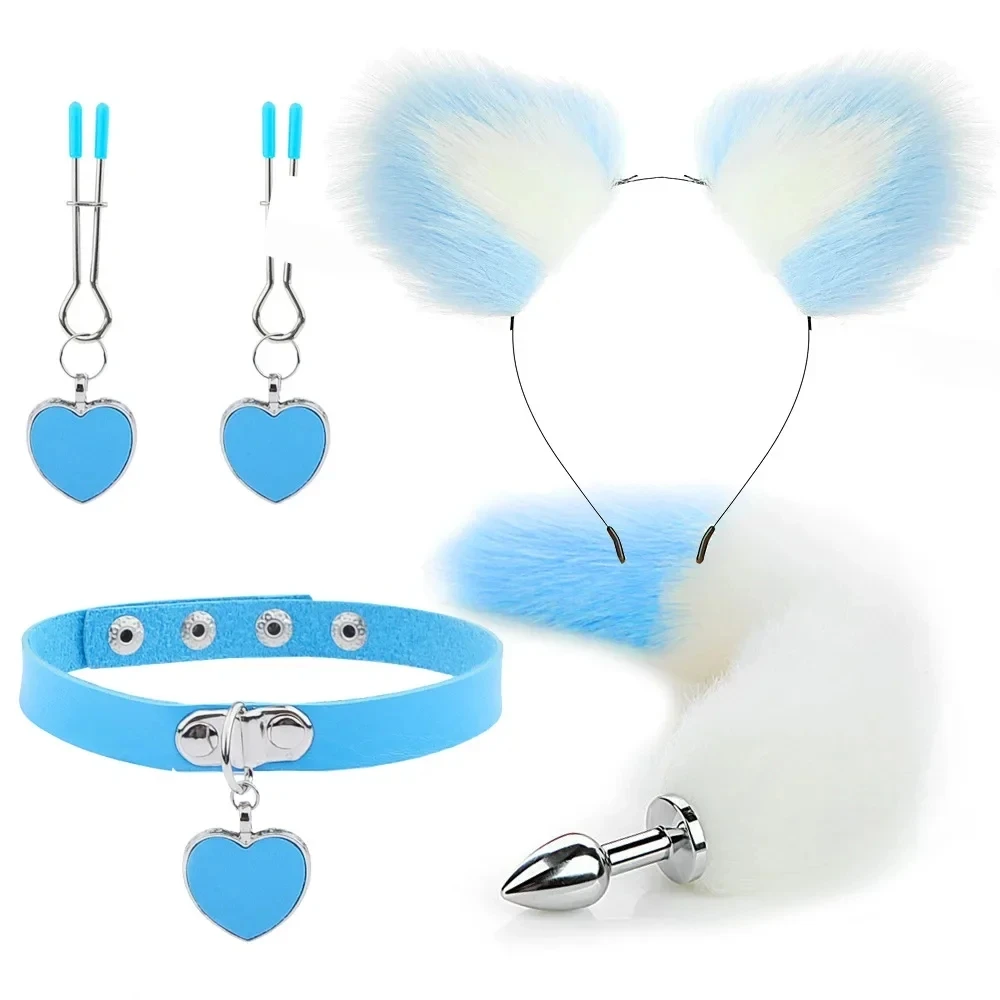
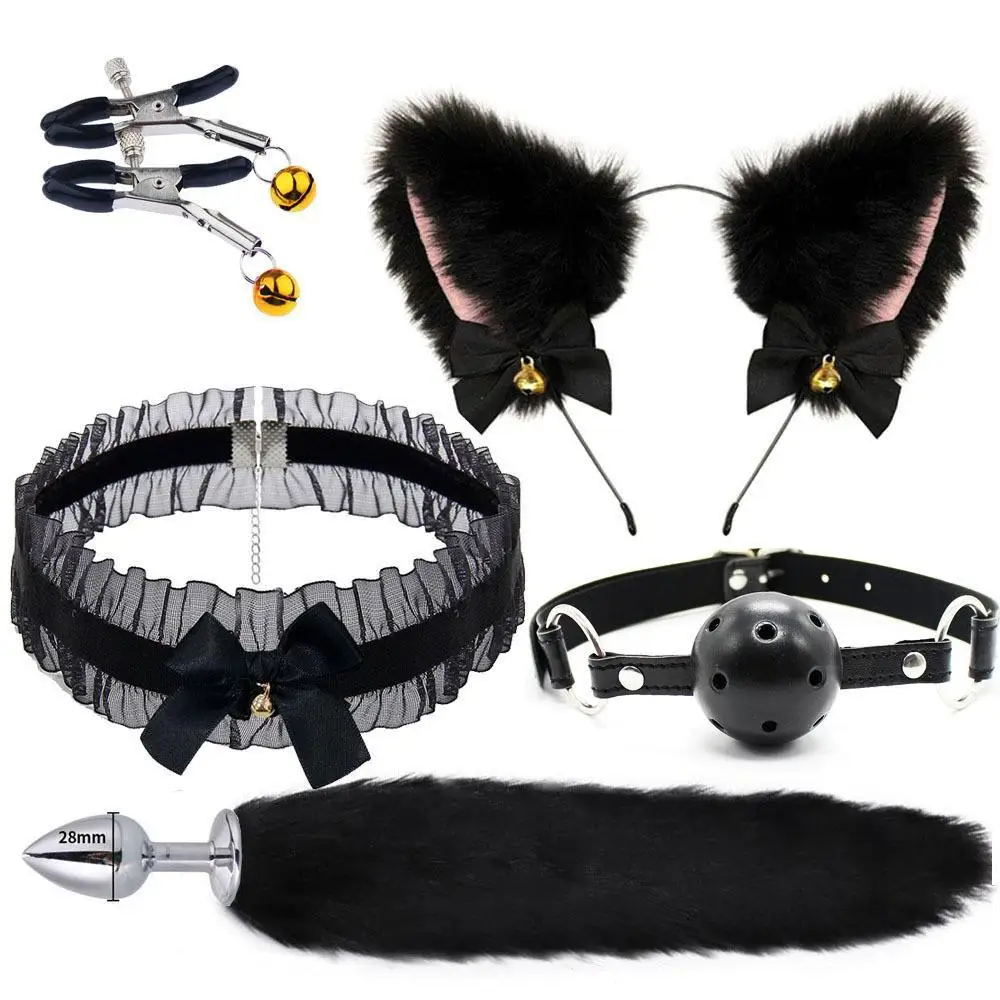
Recommended Products




An educational framework for selecting a device, regardless of brand or price tier:
1. Define your primary use. External, internal, dual, pressure-only, app-controlled? Match the form factor to the goal. Do not buy a complex multi-function unit if your only objective is gentle external stimulation.
2. Verify material composition. Look for “100% platinum-cured silicone,” “ABS,” or “glass” on the product listing. Avoid vague terms like “soft-touch polymer” or “novelty material.” If a listing does not name the material, treat it as a red flag.
3. Assess motor and intensity range. For first-time users, a device with a low “whisper” setting (often 40–55 dB) and a wide, gradual range is far more forgiving than a unit that jumps from off to maximum.
4. Consider body dimensions and comfort. A device that is too long, too rigid, or too heavy for your anatomy will create frustration, not exploration. Many retailers publish dimension charts; use them.
5. Check power and charging method. USB-C rechargeable units have largely replaced battery-powered designs and eliminate the hassle (and environmental cost) of disposables.
6. Review the return and privacy policy. A reputable retailer will allow unopened returns and ship in unmarked packaging. XNXXMALL, for example, lists both policies on every product page before you complete checkout.
Safety & Care
This section is non-negotiable and should be read before any purchase:
- Always use a water-based lubricant with silicone products. Silicone-based lubes will chemically degrade silicone body-safe materials, causing surface pitting, softening, and potential micro-pore formation where bacteria can reside. Water-based formulas are inert and safe.
- Clean before first use and after every subsequent use with mild, fragrance-free soap and warm water. For non-vibrating components, a full hand-wash is sufficient. For vibrating units, follow the manufacturer’s guidance on whether the device is submersible or surface-wash only.
- Store each device in a breathable, non-sealed pouch (cotton or mesh, not plastic). Trapping moisture in a sealed bag promotes bacterial and fungal growth.
- Respect age verification and local regulations. Reputable retailers implement 18+ (or 21+, where jurisdiction requires) age gates at checkout. Purchasing or receiving these products for minors is illegal in every U.S. state and in most countries. If you are a parent or guardian buying for yourself, you are solely responsible for your own eligibility.
- Inspect before each use. Cracks, sticky surfaces, or a change in texture mean the material has degraded. Discontinue use and replace the unit.
- Never share devices without a thorough disinfection cycle and, ideally, a new skin barrier (e.g., a latex or nitrile sheath).
Top Recommendations
Rather than ranking products (which changes quarterly and risks sounding like an ad), here is the type of device most first-time and intermediate users find most useful, with the reasoning:
| Type | Best For | Why It Works |
|—|—|—|
| Compact external vibrator (2–3 in. head) | First-time users, low sensitivity tolerance | Small surface area, gradual pressure, easy to handle |
| Wand-style external (5–7 in. head) | Users who prefer broad, diffused stimulation over pinpoint | Cools the “too intense” feeling by spreading force |
| Soft, flexible internal stimulator | Those exploring internal sensations | Conforms to pelvic anatomy; less intimidating than rigid shapes |
| Pressure-only textured ring | Vibration-sensitive or neurodivergent users | Eliminates the “buzz” entirely; tactile-only experience |
| App-controlled dual unit | Couples or remote partners | Adjustable, synchronized; removes the guesswork of manual timing |
All of the above categories are available on XNXXMALL with material breakdowns, dimension charts, and customer Q&A on each product page. The recommendation is to start with the smallest, simplest version of the type that matches your goal, and expand only after you understand your own responses.
Expert Tips
- Keep a two-line journal after each session. Not a diary—just: “What I noticed” and “What I’d adjust next time.” Over three to five sessions, patterns emerge that no product description can predict for you personally.
- Integrate, don’t replace. If you are partnered, a brief five-minute check-in about curiosity or comfort before either partner uses a device reduces the “am I being replaceable?” anxiety that surfaces in many couples.
- Pair with a trusted health resource. The Mayo Clinic’s sexual-health section (linked in the Final Thoughts below) offers clinician-reviewed articles on pelvic anatomy, hormonal changes, and when to see a provider if pain or discomfort persists.
- Give yourself a 30-day “observation window.” Do not judge a device after one use. Sensitivity, hormonal phase, stress level, and even sleep quality all modulate how a device feels. A fair evaluation takes a few cycles.
- Respect your “not yet.” Choosing not to buy anything for a while is a valid decision. There is no quota, no social expectation. The information in this guide is yours to use, ignore, or revisit at any pace.
Common Myths
Beyond the two addressed in the Myth vs Fact section, here are three additional misconceptions that still circulate:
- “You need a large device to get a good experience.” Size is not a proxy for quality. Many of the most effective designs for external stimulation are compact. Your anatomy, not a marketing photo, determines fit.
- “Using a device means something is ‘wrong’ with you or your relationship.” Intimate self-care is a normal health practice, on the same spectrum as exercise, sleep hygiene, or skincare. It does not signal deficit.
- “All devices are ‘toys’ and therefore frivolous.” Reframing the category as intimate-wellness hardware—engineered products with specific material science, motor engineering, and ergonomic design—removes the playground association and lets adults make practical, informed decisions.
More Options on XNXXMALL



Frequently Asked Questions
: What should a woman look for first when researching sex toys for women?
Start with material safety (non-porous, body-safe silicone or glass), a realistic size relative to your anatomy, and a clear intensity range. A product page that lists these three items plainly—like those on XNXXMALL—saves you from guesswork.
: Are sex toys for women safe to use during pregnancy or while on hormonal medication?
Pregnancy-specific guidance should always come from your obstetrician or midwife. In general, external, low-pressure devices are often discussed as acceptable, but internal stimulation or anything involving heat should be cleared by a clinician first. Hormonal changes (e.g., HRT, IUD, certain antidepressants) can alter tissue sensitivity and dryness; a water-based lubricant and a gentle device are usually well-tolerated, but confirm with your prescribing physician.
: How often should I replace my device, and how do I know it’s time?
There is no universal expiration date, but if the silicone surface becomes tacky, discolored, or shows micro-cracks, or if the motor develops a rough, uneven hum, replace it. A well-cared-for body-safe device typically lasts two to five years.
: Will using sex toys for women affect my ability to enjoy partnered intimacy?
No. As explained in the Myth vs Fact section, there is no clinical evidence of permanent desensitization. Temporary adaptation to a specific intensity or pattern is normal and reversible. Many couples report that mutual exploration improves communication and variety in their partnered sex life.
: What is the most important safety step I can take before and after using a device?
Wash your hands, clean the device with mild soap and warm water, apply a water-based lubricant if needed, use the device on clean, dry skin, then clean and store it in a breathable pouch. This routine, repeated every time, prevents the vast majority of irritation or infection risks.
Final Thoughts
You do not need permission to treat your own body as a legitimate site of care, curiosity, and health. The information in this guide—material science, anatomical honesty, realistic expectations, and simple hygiene protocols—is the same information a clinician would hope you had before your next appointment. You are not buying a “novelty.” You are selecting a wellness tool, and that reframe changes everything: the urgency drops, the shame drops, and the decision-making becomes practical rather than performative.
When you are ready to explore, browse the curated, material-transparent product pages at [XNXXMALL](https://www.xnxxmall.com), where every listing includes a full composition breakdown, a dimension chart, and a no-questions-asked privacy shipping policy. And for the broader clinical context—pelvic health, hormonal shifts, when to see a provider—keep the [Mayo Clinic’s sexual-health resource hub](https://www.mayoclinic.org/healthy-lifestyle/sexual-health) bookmarked. It is written for adults, by clinicians, and free.
Take your time. Ask your questions. Your body is not a test you need to pass; it is a home you get to maintain, at your own pace.
 No products in the cart.