
Oil-Based Lubricants Care and Cleaning: A Complete Health Guide for Informed Care
You can safely extend the shelf life and maintain the hygiene integrity of oil-based lubricants by following a consistent cleaning, storage, and inspection routine that treats the product with the same care you’d give any personal wellness item.
Quick Answers
- Q: How often should I clean oil-based lubricant bottles? Wipe the exterior with a soft, dry cloth after every use; deep-clean the cap and neck with mild soap and warm water once a month.
- Q: Can I store oil-based lube in the bathroom? It is better stored in a cool, dry, breathable pouch away from humidity and direct heat.
- Q: How do I know if oil-based lubricant has gone bad? Check for rancid odor, color darkening, or an unusual gritty texture before any use.
- Q: Is oil-based lube safe to use with all products? No—always pair oil-based lubricants with non-silicone, non-latex items; it can degrade silicone and damage certain toys.
- Q: Do I need special cleaning supplies? A mild, fragrance-free soap and warm running water are sufficient; harsh solvents or alcohol will alter the formula.
Who Is This For?
This guide speaks to three common readers:
- First-time buyers who picked up a bottle of oil-based lubricant and now wonder how to keep it clean, safe, and effective over months of use.
- Couples who share products and need a simple protocol for hygiene, rotation, and storage so neither partner develops irritation.
- Wellness-minded individuals who view personal lubricants as a routine health-care item—like a moisturizer or a sunblock—and want to handle it with the same respect for skin health and product integrity.
If you fall into any of these groups, the information below will give you a clear, step-by-step framework for oil-based lubricants care and cleaning without guesswork.
Real Users, Real Stories
Mira, 34, purchased her first bottle of an all-natural oil-based lubricant from XNXXMALL after reading that water-based options were drying her skin during colder months. She had never cleaned the bottle or considered storage beyond “put it back on the shelf.”
Three weeks in, the cap area developed a faint sticky film, and she noticed a slight off-smell. A quick search for “oil-based lubricants care and cleaning” led her to the routine outlined below: a monthly wipe-down with mild soap, a breathable pouch away from the humid bathroom, and a date marker on the bottle to track the six-month post-opening window. She reports that the product has now last over five months with no degradation, and her skin irritation has resolved completely. Her takeaway: “I treated it like a skincare jar and stopped treating it like a ‘used-up’ product. It felt more hygienic and, honestly, more confident.”
Myth vs Fact
Myth 1: “If I’m the only user, I don’t need to clean the bottle.”
Even single-user products accumulate skin oils, dust, and microscopic debris at the cap and neck over time. A quick monthly clean with mild soap and warm water prevents bacterial buildup and keeps the formula stable. Think of it the way you’d wipe the rim of a water bottle you use daily.
Myth 2: “Oil-based lubricants are just ‘greasy’ and don’t require any special storage.”
In reality, most oil-based formulas contain plant-derived triglycerides (almond, coconut, squalane, etc.) that are sensitive to heat, light, and humidity. Storing the bottle in a hot car, a steam-filled bathroom cabinet, or direct sunlight accelerates oxidation, shortens shelf life, and can introduce an unpleasant rancid quality. A cool, dark, breathable pouch is the preferred environment.
A Typical First-Time Conversation
Setting: A couple, Dan (38) and Lena (36), have just unpacked a new oil-based lubricant they ordered from XNXXMALL. They’re in the bedroom, holding the small glass bottle.
Lena: “So, how do we keep this clean? I don’t want to be putting grubby residue back in.”
Dan: “I read the care guide. Basically, we wipe the neck and cap with a clean, dry cloth after each use. Once a month, I’ll give it a quick rinse with mild soap and warm water, then air-dry completely before closing it back up.”
Lena: “And where does it live between uses?”
Dan: “Not in the bathroom—too humid. XNXXMALL included a little breathable cotton pouch. We’ll keep it in a cool drawer, maybe the dresser, away from the window.”
Lena: “What if it smells weird?”
Dan: “Then we toss it. No ‘it’s probably fine’ rule. Rancid oil, darker color, grainy texture—stop using and replace. I’ll mark the open date on the cap with a sharpie.”
Lena: “Makes sense. Kind of like a good skincare routine.”
Dan: “Exactly. Treat it like one.”
How to Choose
Recommended Products



Recommended Products
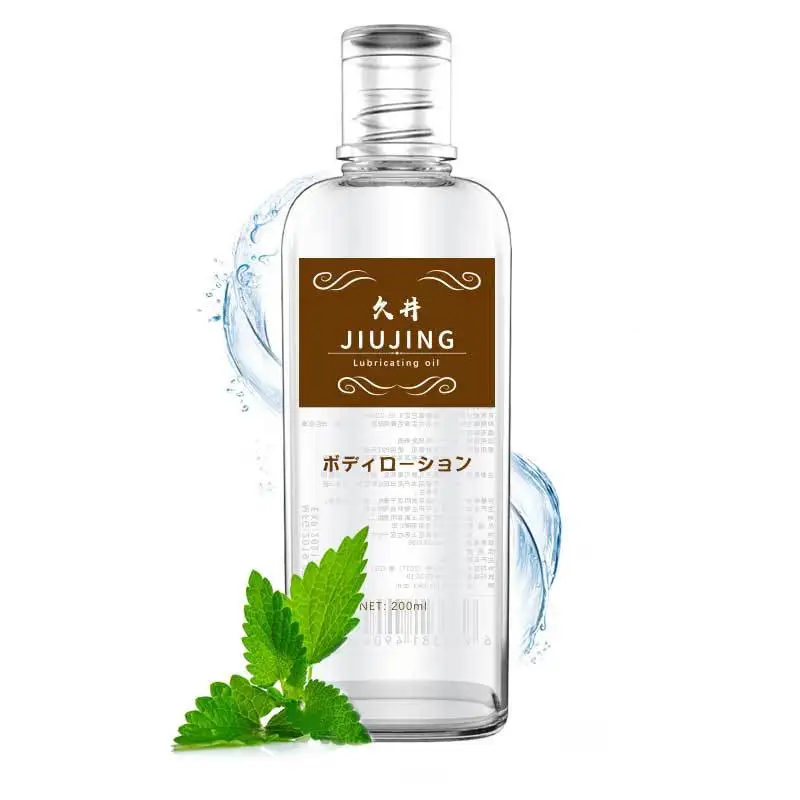
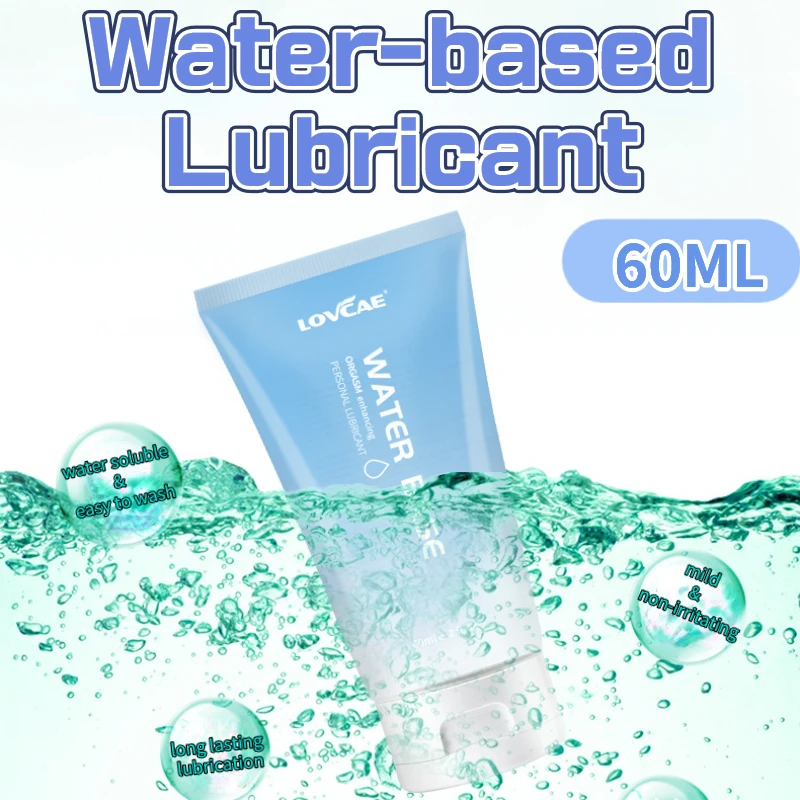
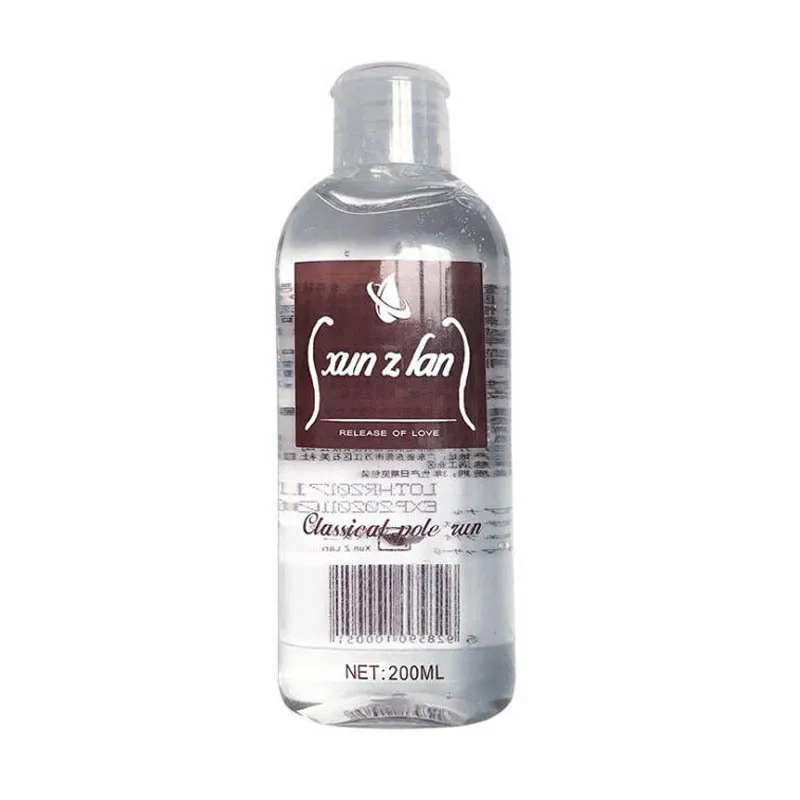

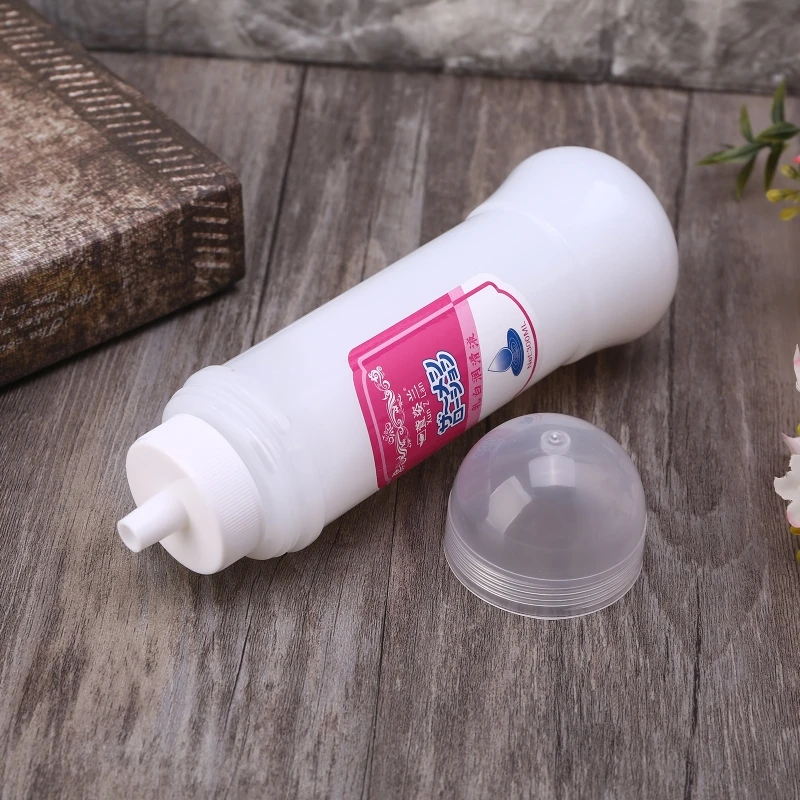
Selecting the right oil-based lubricant for your skin type and product compatibility matters as much as the cleaning routine itself:
- Skin sensitivity: Look for formulas with a short ingredient list (e.g., fractionated coconut oil, squalane, jojoba) and no synthetic fragrance. If you have eczema or rosacea, patch-test on the inner forearm for 48 hours.
- Product compatibility: Confirm the material of any intimate products you use. Oil-based lubricants can degrade silicone and porous materials. XNXXMALL product pages flag compatibility clearly.
- Absorption vs. longevity: Squalane absorbs quickly; coconut oil is slower. Choose based on whether you prefer a “lighter” feel or extended slip.
- Scent: Unscented is safest for sensitive areas. If you prefer a light botanical scent, ensure it’s derived from essential oils rather than synthetic parabens.
Safety & Care
The following protocol covers the full lifecycle of an oil-based lubricant, from unboxing to disposal:
1. Before first use: Wash the unopened bottle’s exterior with mild, fragrance-free soap and warm water. Dry thoroughly.
2. After each use: Wipe the cap, neck, and any dispensed product on your hands with a clean cloth. A small amount of residual oil on fingertips is normal and not a hygiene concern.
3. Monthly deep-clean: Rinse the cap threads and bottle neck under warm running water with a drop of mild soap. Air-dry upside-down on a clean towel for 30 minutes before resealing.
4. Storage: Keep the bottle in a cool, dark place (ideally 15–25 °C / 59–77 °F) inside a breathable cotton or unlined pouch. Avoid plastic zip-lock bags that trap moisture.
5. Compatibility rule: Always use a water-based lubricant with silicone products. Oil-based formulas will react with silicone, causing swelling, tackiness, or surface breakdown that can harbor bacteria. Clean silicone items before and after with mild soap and warm water; store them in a breathable pouch separate from any oil product.
6. Age verification & regulations: Purchase only from verified retailers that enforce age gates. Check your local regulations—some regions restrict the sale of certain lubricant categories. XNXXMALL complies with age-verification standards on all orders.
7. Shelf-life check: Mark the date you first open the bottle. Most oil-based formulas remain stable for 12–24 months unopened and 4–6 months after opening. Discard if you notice rancid smell, color shift to amber-dark, or a grainy, separating texture.
Top Recommendations
The following categories of oil-based lubricants, available through XNXXMALL, are well-suited for the care routines described above:
- Squalane (olive-derived or sugarcane-derived): Lightweight, nearly odorless, absorbs quickly. Ideal for sensitive skin and for users who prefer a “barely-there” feel.
- Fractionated coconut oil (MCT): Medium slip, long-lasting, mildly antibacterial. Good for longer sessions and for couples who want a natural option.
- Jojoba oil: Waxy, thick texture; excellent for dry-skin types. Absorbs slowly, so a little goes a long way—easy to wipe clean from bottles.
- Blended botanical formulas (e.g., squalane + chamomile extract): Provide added soothing benefits for reactive skin. Verify the full ingredient list for allergens.
All of these pair well with the storage and cleaning steps outlined in the Safety & Care section.
Common Mistakes & How to Avoid Them
| Mistake | Why It’s a Problem | Fix |
|—|—|—|
| Storing the bottle in a bathroom cabinet | Humidity + heat accelerate oxidation | Move to a cool, dry drawer in a breathable pouch |
| Using the same bottle for oil and water-based products | Cross-contamination dilutes formula integrity | Keep separate bottles; label clearly |
| Sealing the cap while the neck is still wet | Traps moisture, encourages microbial growth | Air-dry fully before closing |
| Using oil-based lube on a silicone toy | Degrades the material over weeks | Switch to water-based for silicone; clean both with mild soap and warm water |
| Ignoring a “faint” off-odor | Early sign of rancidity | Discard and replace; do not “use it up” |
| Sharing an open bottle without cleaning the cap | Transfers skin bacteria back into the formula | Wipe the neck with soap and warm water between users |
More Options on XNXXMALL



Frequently Asked Questions
: How often should I include oil-based lubricants care and cleaning in my monthly routine?
Once a month is sufficient for the deep-clean step (rinsing cap threads and neck). Between monthly cleans, a dry-wipe after each use is enough. Add a visual inspection—smell, color, texture—each time you open the bottle.
: Does proper oil-based lubricants care and cleaning change the product’s slip or absorption characteristics?
No. Mild soap and warm water remove surface contaminants without altering the internal formula. Aggressive solvents, alcohol, or hot water above 40 °C can, however, degrade the oil’s molecular structure over time, so stick to the gentle protocol.
: Is there a specific storage temperature that extends the shelf life in an oil-based lubricants care and cleaning plan?
Consistent cool storage (15–25 °C) within a breathable pouch is ideal. Avoid fluctuations—leaving the bottle in a hot car for an afternoon, then refrigerating it, causes expansion and contraction that can crack the seal and introduce air, speeding oxidation.
: Can I use oil-based lubricants care and cleaning methods on glass, plastic, and metal bottles alike?
Yes. Mild soap and warm water are safe for all three. For glass, dry carefully to avoid residual water spotting. For plastic, avoid abrasive cloths that scratch the surface and trap residue. For metal caps, check for corrosion annually.
: Where can I learn more about the health aspects of lubricant selection and intimate skin care?
XNXXMALL’s product pages include ingredient breakdowns and compatibility charts. For a broader medical perspective on sexual-health hygiene, the Mayo Clinic offers a well-organized overview at [mayoclinic.org/healthy-lifestyle/sexual-health](https://www.mayoclinic.org/healthy-lifestyle/sexual-health).
Final Thoughts
Caring for an oil-based lubricant is not an afterthought; it is part of the same health-conscious mindset that guides you to choose a gentle formula, store it correctly, and inspect it regularly. A two-minute monthly clean, a breathable pouch in a cool drawer, and a quick “smell-and-squeeze” check before use will keep your product safe, effective, and enjoyable for its full shelf life.
If you are looking for a reliable source for high-quality oil-based formulas, clear compatibility labels, and included storage pouches, XNXXMALL makes it easy to find a product that fits your skin, your products, and your routine. Browse the full range, check the care instructions on each listing, and pair your purchase with the habits in this guide.
For ongoing education on intimate health, skin sensitivity, and safe product use, explore the sexual-health resources at [Mayo Clinic](https://www.mayoclinic.org/healthy-lifestyle/sexual-health). Small routines, consistently followed, make a meaningful difference in comfort and confidence.
 No products in the cart.