
Kegel, Ben Wa & Pelvic Health for Beginners: A Complete Buyer’s Decision Guide
If you’ve been told your pelvic floor “needs work” by a physiotherapist, or you simply want to invest in a wellness tool that supports core stability, bladder control, and intimate confidence, you’ve landed in the right place. Kegel balls, Ben Wa weights, and pelvic health trainers sit at the intersection of functional exercise and self-care. They are not novelty items. They are small, purpose-built tools designed to load gentle resistance into the muscles you use every time you sneeze, cough, or stand up from a chair.
This guide is written for first-time buyers who feel overwhelmed by the dozens of options online. We will cut through the noise: compare materials, evaluate build quality, correct the myths that keep people from starting, and walk you through exactly how to choose a product that matches your experience level, budget, and health goals. Think of it as the pre-purchase briefing you’d give a friend who just picked up a new kettlebell and has no idea where to start.
What Makes a Good One: 5 Buying Factors
Before you scroll through listings, lock in these five criteria. They determine whether a pelvic trainer will actually serve you or collect dust in a drawer.
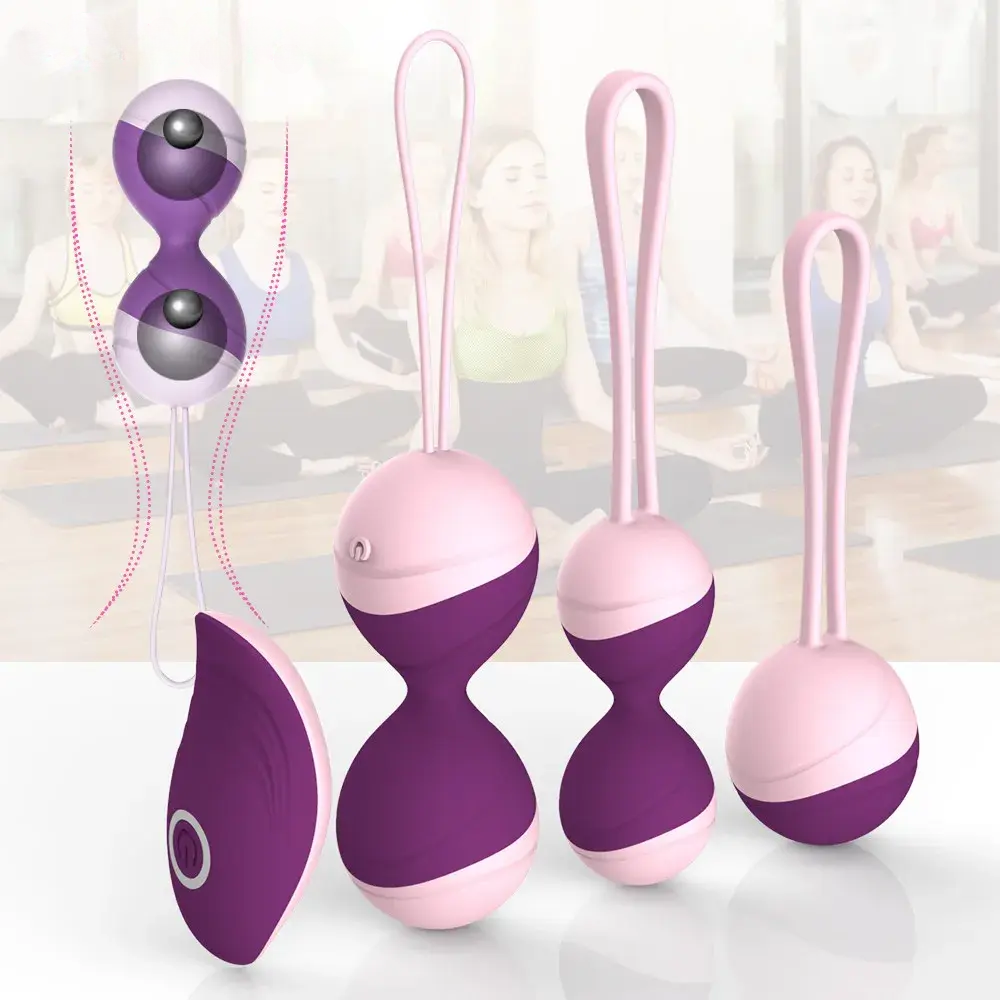
1. Weight range and progression path. A true beginner set should start no heavier than 50–75 grams per ball. Look for kits that include multiple weights (e.g., 75 g → 110 g → 150 g) so you can graduate without buying a new product every month.
2. Surface texture. Smooth, rounded surfaces reduce friction and lower the learning curve. Nubbed or ribbed designs add grip but can feel uncomfortable during the first two to three sessions. If you are truly new, smooth wins.
3. Retrieval cord design. A soft, flat, body-safe cord (not a thin wire) attached to a silicone loop makes removal effortless. A rigid metal chain is the single most common reason first-timers abandon their trainer.
4. Size and insertability. For most beginners, a 30–35 mm diameter is the sweet spot. Anything under 25 mm will not engage the deeper muscle fibers; anything over 38 mm demands flexibility you may not have yet.
5. Certification and transparency. A reputable retailer lists the material grade, manufacturer, and any relevant ISO or biocompatibility testing. If the product page won’t tell you what the ball is made of, put it back.
Materials & Build Compared
| Material | Pros | Cons | Best For |
|———-|——|——|———-|
| Medical-grade silicone (platinum-cured) | Non-porous, hypoallergenic, soft-to-firm feel, easy to sterilize in boiling water | Can absorb body heat; feels “warm” in use | Beginners; people with sensitive tissue |
| Stainless steel (304/316) | Zero porosity, cool weight that engages muscles differently, dishwasher-safe | Rigid; no give; can feel harsh on first use | Intermediate users comfortable with firmness |
| Glass (borosilicate, mouth-blown) | Aesthetic variety, smooth, easy to sanitize | Heavier for the same volume; shatter risk if dropped | Experienced users who prioritize visual/tactile feedback |
| Vibrotone (silicone + motor) | Adds gentle vibration to cue muscle contraction; timer-based programs | Battery maintenance; higher price; motor housing must be truly seamless | People who struggle with voluntary Kegel activation |
| Alloy / zinc-based “Ben Wa” sets | Very low entry cost; traditional single-pair designs | Often non-porous coatings that chip; unclear material sourcing | Buyers on a tight budget who will replace the set in 6 months |
Honest note: No material is “superior” in isolation. A well-made silicone trainer at 75 grams will outperform a flimsy zinc ball at the same weight every single time. Build integrity—seam quality, cord attachment method, internal weighting—matters more than the marketing label on the packaging.
Real Users, Real Stories
Anonymous case – first-time buyer, mid-30s, postpartum.
> “After my second child, I noticed I was leaking a little when I laughed or jogged. My OB just said ‘do Kegels’ and moved on. I had zero idea how. I spent two hours reading XNXXMALL’s beginner guide, then ordered a silicone set: 75 g and 110 g with flat retrieval cords.
>
> Week one I felt ridiculous. I set a 15-minute timer, inserted the lighter ball, and just wore it while doing dishes. The guide said that was enough. By week three I could feel the muscles around the cord flex without thinking. By week eight I swapped to the 110 g, and the leaking-with-laughter issue basically disappeared.
>
> The thing nobody tells you: you don’t need to ‘exercise’ for an hour. Ten to fifteen minutes of gentle wear, three times a week, was the turning point for me. The product was the easy part; consistency was the whole game.”
She went back to XNXXMALL six months later for a vibrotone upgrade because she wanted the built-in 30-second “squeeze-hold-release” program. She still wears the silicone pair daily as a baseline.
Myth vs Fact
Myth 1: “Heavier is better. If I can’t feel it, it’s not working.”
Fact: The pelvic floor is a hammock of layered muscles, not a weightlifting gym. Loading it with 300+ grams on day one can cause the opposite of strength—it causes hypertonicity (chronic tightening) and referred pain. Clinical pelvic-floor physios universally recommend starting light (under 100 g for untrained tissue) and progressing only when the previous weight feels effortless for a full 15-minute session. The “heavy = progress” mindset is why so many beginners quit after two frustrating sessions.
Myth 2: “You need a ‘magic’ product that trains you automatically.”
Fact: A vibrotone timer is a useful cue, not a passive solution. The muscle still must be actively recruited by you. Relying on a device to “do the work” skips the neuromuscular wiring that makes Kegel strength transfer to daily life (bladder control, core support, postural awareness). The device is a metronome; you are the musician.
A Typical First-Time Conversation
This is the exchange a buyer at XNXXMALL’s support line might have on a Tuesday afternoon:
Customer: “I’ve never used anything like this. I see ‘Kegel balls,’ ‘Ben Wa weights,’ ‘pelvic trainers’—are they all the same thing?”
XNXXMALL Advisor: “Functionally, yes. ‘Ben Wa’ is the traditional single-pair name; ‘Kegel ball’ or ‘pelvic trainer’ is the modern term. The mechanics are identical: insert, wear, gently flex. The differences are in weight, material, and whether there’s a retrieval cord. For a first-timer, I’d point you toward a two-piece silicone set, 75 g to start, with a flat loop cord. It’s the gentlest onboarding we offer.”
Customer: “How do I actually know which muscles I’m squeezing?”
Advisor: “Great question, and the honest answer is: most people don’t on day one. You’ll feel a slight ‘lift’ near the lower back or a tightening around the cord. If you can’t tell, try the trick we recommend—stop a urine stream mid-flow just to identify the muscle group, then do NOT make that your routine. After that, the device itself becomes your biofeedback: if the cord vibrates or shifts when you flex, you’ve found it. Within a week or two the sensation becomes automatic.”
Customer: “Okay. That’s actually calmer than I expected.”
Advisor: “It should be. You’re adding a small, safe tool to a routine, not performing surgery on yourself. Start with the lightest weight, give it four to six weeks, and then we can talk about progressing.”
How to Choose
Recommended Products
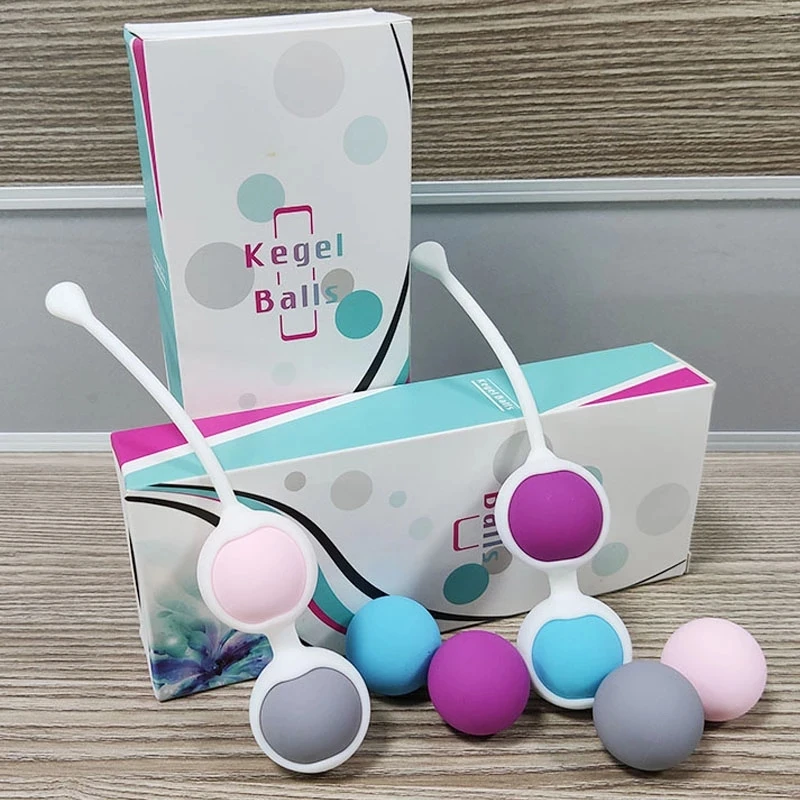

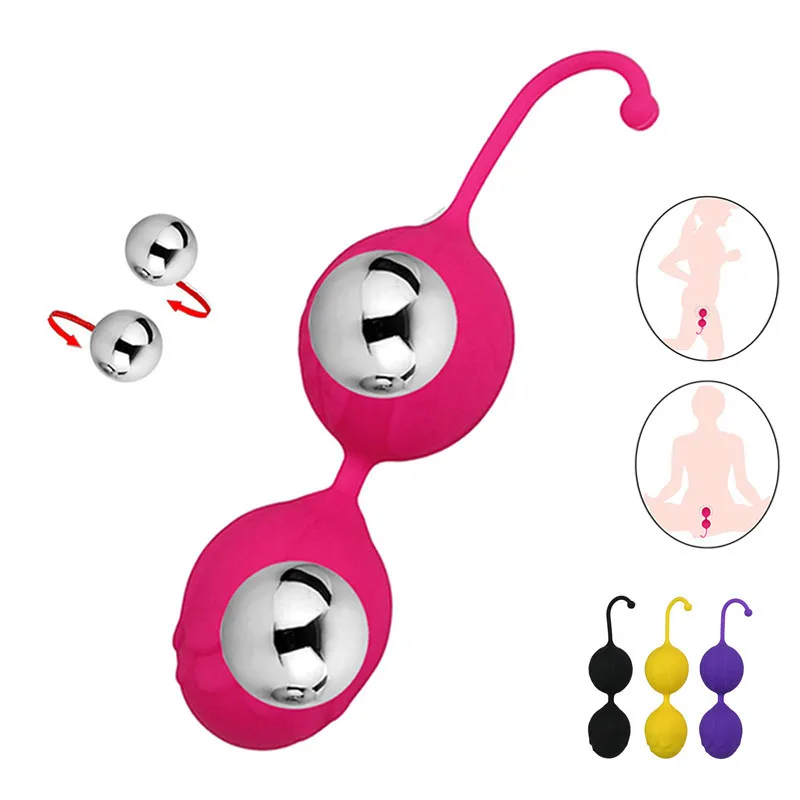
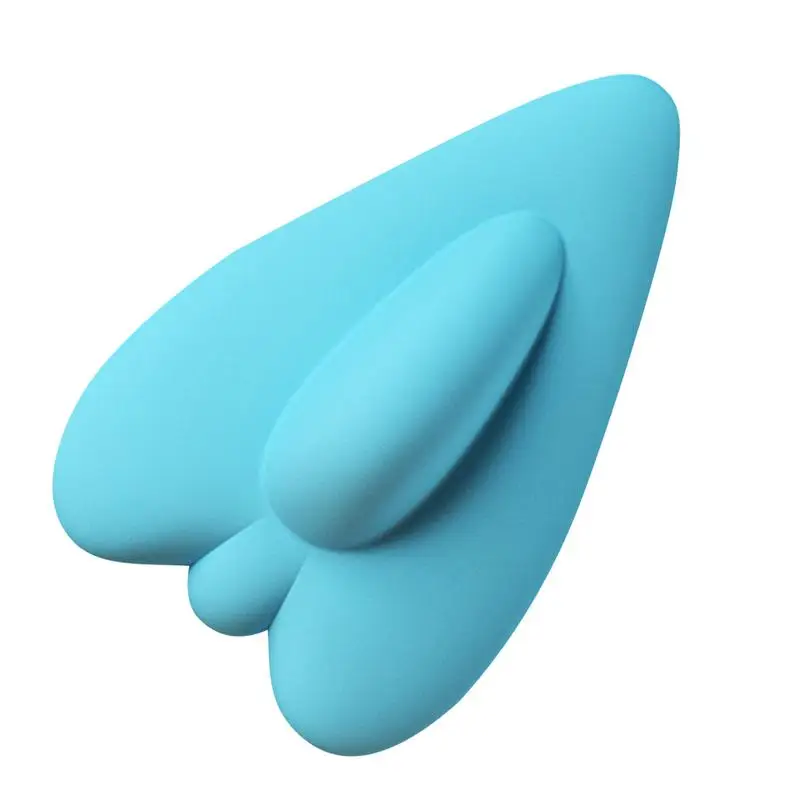
Recommended Products
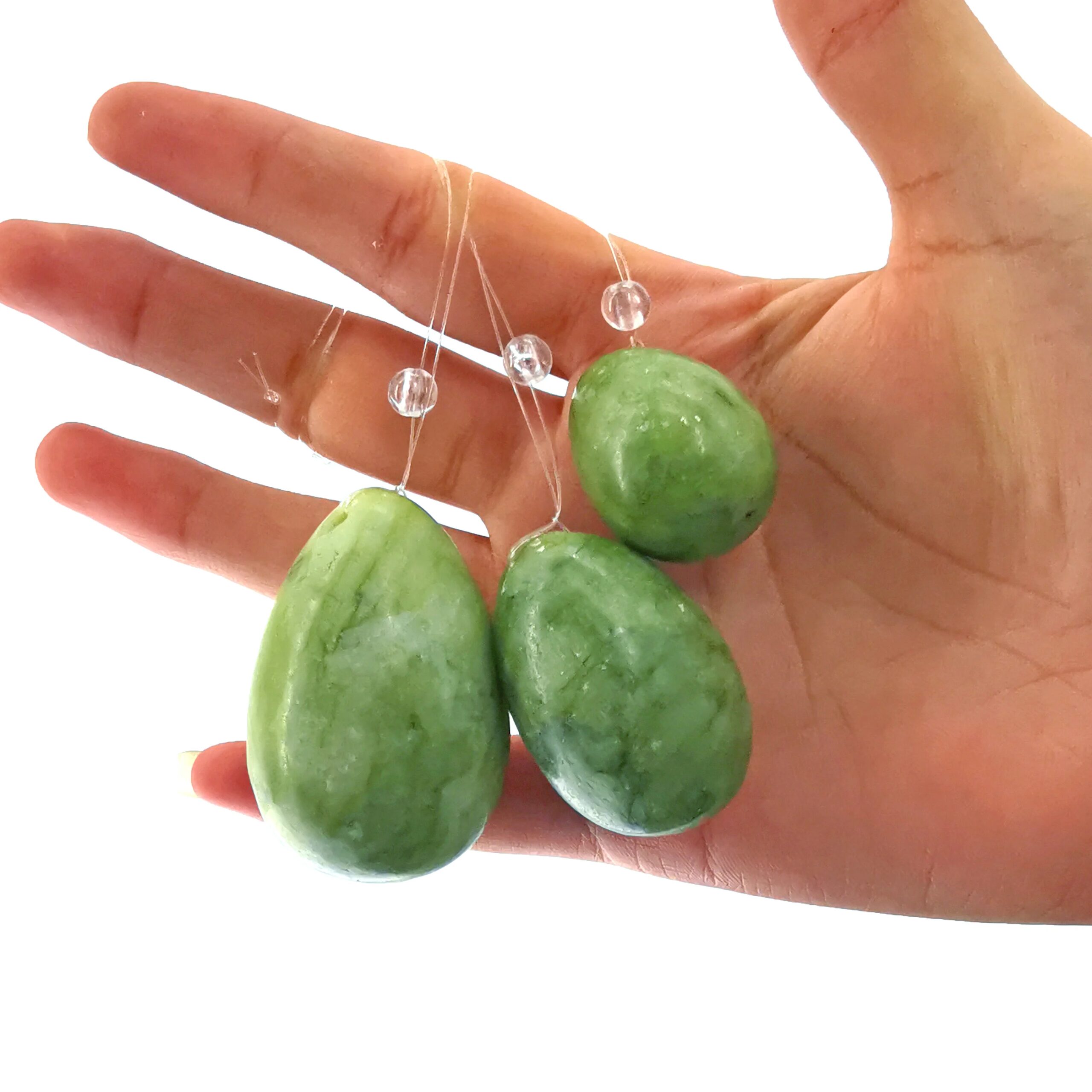
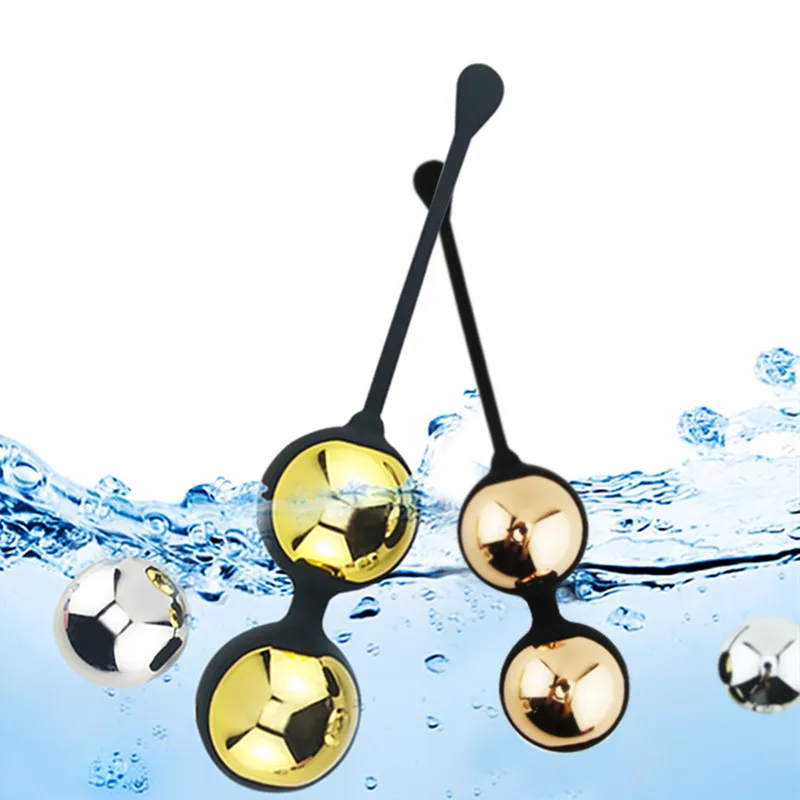
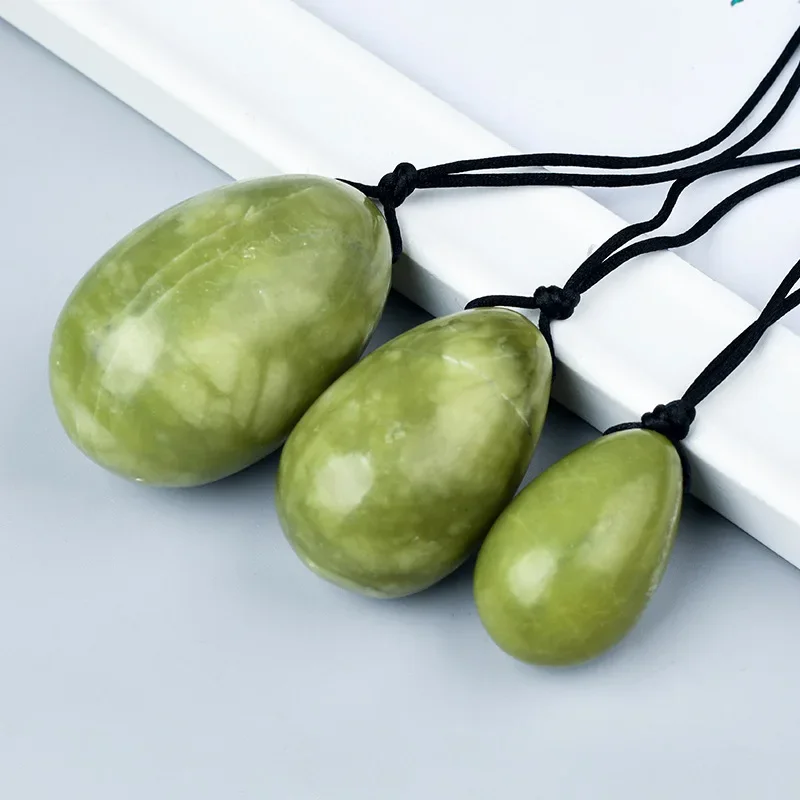

Run through this quick decision tree:
- Never used a pelvic trainer before? → Two-piece silicone, 75 g, smooth, flat cord. Skip vibration for now.
- Already do daily Kegel reps, want to add load? → Step up one weight tier; add a 110–150 g single ball in alternating weeks.
- **Struggle to find the muscle (post-surgery, high stress, deconditioning)?** → A low-vibration trainer with a 20-second pulse program gives you an external cue.
- On a strict budget (< $25)? → A single zinc-alloy Ben Wa pair is acceptable for 6–8 weeks of intro use, but plan to upgrade to silicone before month three.
- Sensitivity / recurrent irritation? → Platinum-cured silicone, 30 mm, no nubs, and a longer break between sessions (48 hours).
At XNXXMALL, filter by “Beginner – Under 100 g” and sort by material to narrow the field in under a minute.
Safety & Care
A few non-negotiables that keep this habit healthy rather than habit-forming in the wrong way:
- Session length: 10–20 minutes maximum for the first six weeks. Longer wear does not build more strength; it fatigues the muscle.
- Hygiene: Always clean before and after with mild, unscented soap and warm water. Air-dry on a clean towel, not in a closed bag.
- Lubricant compatibility: Always use a water-based lubricant with silicone products. Silicone-based or oil-based lubricants degrade the surface of platinum-cured silicone within a few uses and compromise both comfort and material integrity.
- Storage: Keep the trainer in a breathable cotton or linen pouch. Avoid airtight containers that trap moisture.
- When to stop: Discomfort that is sharp, radiating, or persists more than 30 minutes after removal warrants a pause and a conversation with your pelvic-floor physiotherapist.
- Age and legality: All pelvic-health products at XNXXMALL are 18+. Always respect age verification prompts and your local regulations regarding purchase and import.
Top Recommendations
| Budget | Pick | Why |
|——–|——|—–|
| Entry ($18–$30) | XNXXMALL “Glow” silicone duo (75 g + 110 g) | Softest onboarding, seamless cord, dishwasher-safe |
| Mid-range ($40–$65) | XNXXMALL “Pulse” vibrotone, 90 g, 5-intensity | External cue for people who can’t feel the contraction; USB-C rechargeable |
| Advanced ($70+) | XNXXMALL “Vessel” borosilicate single, 180 g, 38 mm | For established lifters of the pelvic floor who want heat-cycling and aesthetic variety |
All three are stocked, shipped in unmarked packaging, and backed by a 30-day comfort guarantee.
Worth It or Not?
Under $25: A single zinc Ben Wa pair is a fine introductory object. You will finish it, learn the mechanics, and then wish you had the silicone upgrade. Budget the upgrade now to avoid a “buyer’s remorse” cycle.
$25–$65: This is the sweet spot. You get body-safe material, a weight progression, and a retrieval system that won’t frustrate you. For 90 % of first-time buyers, this range delivers the best cost-per-session value because the product lasts two to three years with basic care.
$65+: Justifiable only if you have a specific training protocol (a physio has prescribed progressive loading, or you want heat-cycling with glass). Do not spend premium on vibration features you won’t use after two weeks.
The honest verdict: the investment is not in the product. It’s in the 15 minutes, three times a week, for eight weeks. The ball is the cheapest part of the equation.
More Options on XNXXMALL
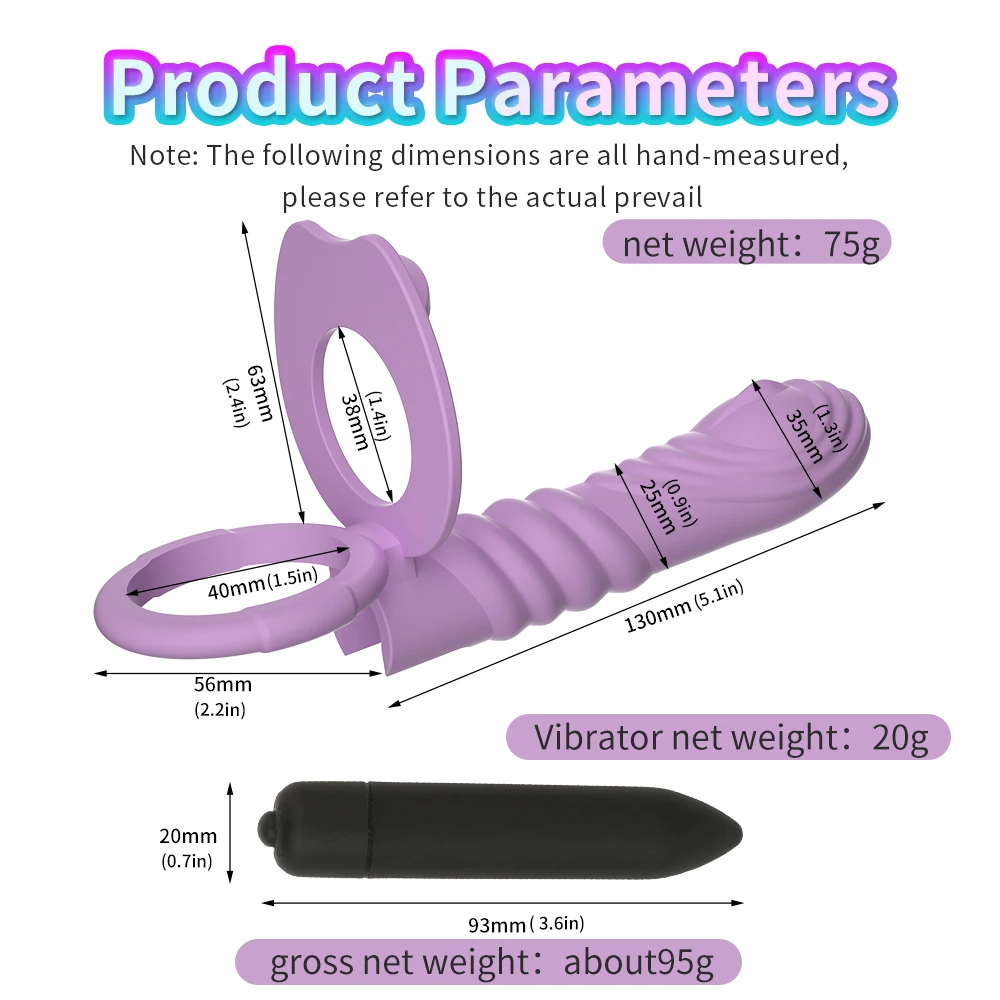
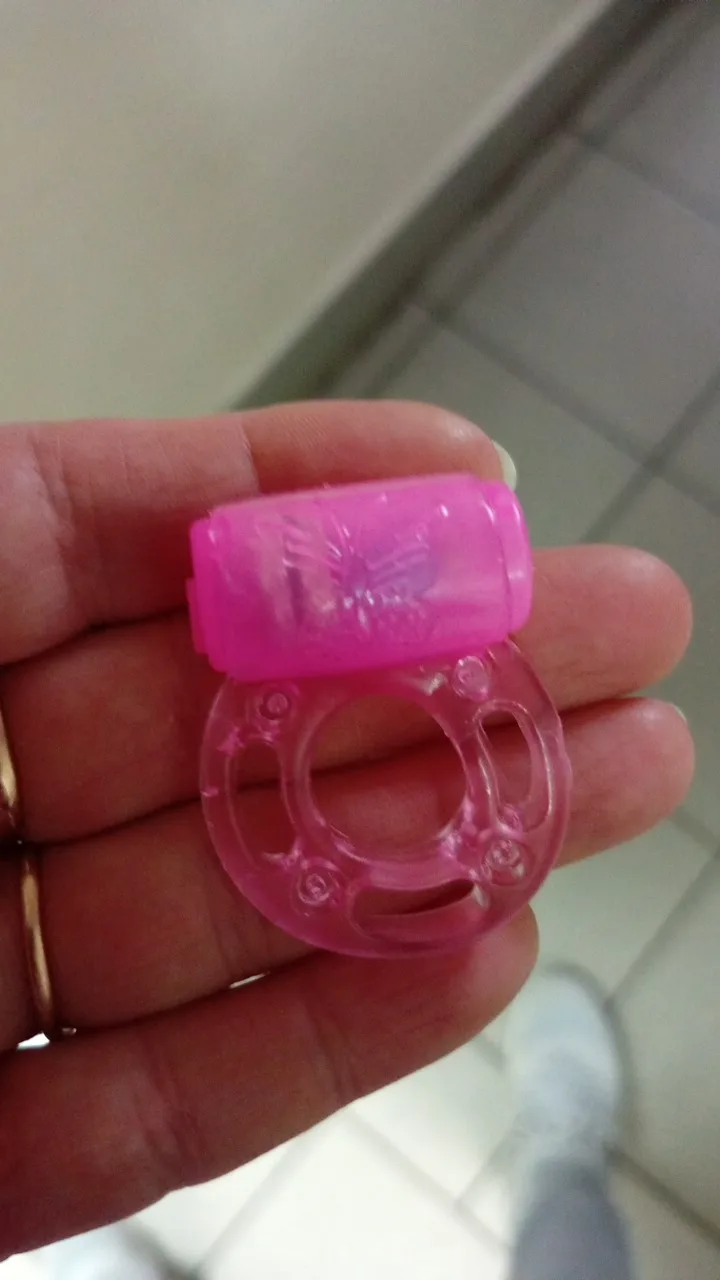

Frequently Asked Questions
: What is the difference between Kegel balls, Ben Wa weights, and pelvic health trainers for beginners?
A: They are the same category under different names. “Ben Wa” is the traditional term for a single-pair metal ball set. “Kegel balls” and “pelvic health trainers” usually refer to silicone or mixed-material kits with retrieval cords. For a beginner, the material and weight matter far more than the label.
: How long before I see results from kegel, Ben Wa, and pelvic health training for beginners?
A: Most users notice a change in muscle awareness by week two. Measurable improvements in bladder control and postural support typically land between weeks six and ten, assuming three sessions per week of at least 10 minutes.
: Can I use a pelvic trainer if I have a IUD or am in the postpartum period?
A: Always clear it with your OB or midwife first. Many providers say “yes, after the 6-week postpartum check, start with the lightest weight.” An IUD does not generally interfere, but comfort and healing status do. XNXXMALL’s product pages include a postpartum sizing guide if you want to reference before asking your provider.
: Is a vibrotone better than a plain weighted ball for someone new to kegel, Ben Wa, and pelvic health?
A: Not necessarily. A plain weighted ball is cheaper and teaches the voluntary contraction. A vibrotone is a scaffold—useful if you genuinely cannot locate the muscle, but unnecessary if you can already do a conscious lift. Start plain; add vibration only if plateau persists past week four.
: Where can I find kegel, Ben Wa, and pelvic health products for beginners with clear material specs and no markup?
A: XNXXMALL lists full material grades, internal weight tolerances, and biocompatibility notes on every product card, plus a “Beginner Under 100 g” filter. The pricing is flat (no mid-tier “premium” tax), and unmarked shipping is the default.
Final Thoughts
A pelvic-floor trainer is not a cure-all, and no product replaces a good pelvic-floor physiotherapist when the issue is structural. What it does do is give you a simple, private, daily feedback loop that builds the muscle memory most of us lost somewhere between desk jobs and the first sneeze that surprised us.
Start light. Start smooth. Give it eight weeks before you judge the outcome.
If you’re ready to pick your first set, head over to XNXXMALL and use the beginner filter. And if you want a clinical, evidence-based deep dive into how pelvic-floor health ties into broader sexual wellness and bladder function, the Mayo Clinic’s sexual-health section is a thorough, jargon-free read: [https://www.mayoclinic.org/healthy-lifestyle/sexual-health](https://www.mayoclinic.org/healthy-lifestyle/sexual-health).
Your pelvic floor has been holding you up for years. A fifteen-minute session, three times a week, is the least you owe it back.
 No products in the cart.