
Games & Activities: How to Choose the Right Intimacy Kit for Your Relationship
Buying an intimate game or activity set can feel more intimidating than it needs to be. You scroll through pages of “sensory experience kits,” “trust-building card decks,” and “couples’ conversation-and-play bundles,” and the options look almost identical at a glance. You start wondering: What do I actually need? How do I know which one fits us?
This guide is written for you if you and your partner (or your own wellness routine) want to add structure, play, and intentional connection into your relationship without guessing in the dark. Whether you’re a first-time buyer, a curious pair exploring new territory, or someone refreshing a routine that’s grown stale, the goal here is the same: help you walk into a purchase decision with clarity, confidence, and a clear sense of what makes one kit genuinely better than another.
We’ll break down five buying factors, compare materials honestly, share real (anonymous) experiences, correct two widespread myths, and walk through a sample conversation so you can practice the “what do you actually want?” talk before you spend a dollar.
What Makes a Good One: 5 Buying Factors
1. Purpose alignment. Before anything else, name the outcome you want: more verbal vulnerability? A guided sensory experience? A lighthearted turn-based game that breaks routine? A kit is only as good as how well its intent matches yours. A trust-building card set serves a very different need than a blindfold-and-feather sensory box.
2. Guided structure vs. open-ended play. Some kits come with a step-by-step sequence (great for nervous first-timers). Others drop you into a menu of prompts and let you riff. Pick the structure that matches your comfort level. If you’ve never done anything like this, guided wins. If you’ve been playing for a while, open-ended keeps things fresh.
3. Sensory range. Quality kits span touch, temperature, sound, and smell. The more channels a single set touches, the more “surprise” factor you get without needing five separate products.
4. Durable, body-safe materials. This is where a lot of cheap sets quietly fail. You want phthalate-free plastics, food-grade silicone, and hypoallergenic fabrics. Look for BPA-free, latex-free labels on any item that touches skin.
5. Presentation and privacy. You’re buying something personal. Packaging should be discreet, the storage should be tidy (a pouch or felt-lined case, not a plastic zip bag that creases your card sleeves), and the instructions should be clear enough to follow at 10 p.m. when you’re half-curious and half-tired.
Materials & Build Compared
| Material / Build | Pros | Cons |
|—|—|—|
| Food-grade silicone (blankets, wraps, small tools) | Non-porous, easy to clean, temperature-stable, hypoallergenic | Softer feel can tear if snagged on sharp edges; costs more |
| BPA-free ABS plastic (card holders, dice, small game components) | Rigid, dishwasher-safe, long-lasting | Can feel “clinical”; not as warm in hand as silicone or wood |
| Hypoallergenic cotton / bamboo fabric (blindfolds, wraps) | Breathable, gentle on skin, easy to machine-wash | Absorbs moisture; needs regular laundering; not suited for open-body-contact items |
| Solid beech / maple wooden components (dice, card sleeves, tokens) | Aesthetic, durable, no chemical leaching | Heavier; can splinter over years; not ideal for small-finger dexterity |
| Metal-look coated resin (decorative tokens) | Looks premium on a shelf | Light; can scratch; coating may wear over time |
Honest takeaway: No single material wins. The best kits mix them—silicone for anything that touches skin, wood or ABS for structure and game pieces, fabric for draping elements. When evaluating, prioritize what touches your body. A $40 plastic blindfold is fine; a $40 plastic “sensory wand” that you press against skin is not.
Real Users, Real Stories
Anonymous case study, shared with permission through XNXXMALL’s post-purchase feedback program:
> “I’m a 34-year-old man who’d never bought anything like this before. My partner and I had fallen into a two-week ‘tired → phone in bed → sleep’ loop. I was terrified of picking something that’d feel cheesy or too intense. I went to XNXXMALL, filtered for ‘guided’ and ‘beginner-friendly,’ and ordered a 30-card trust-and-sensory combo with a small silicone texture set and a cotton blindfold.
>
> The first night we just did five cards and stopped. That was enough. We talked for twenty minutes after. By the third session we were using the blindfold and the texture set, and for the first time in a while we were actually laughing in bed, not just performing. The instructions were clear—numbered steps, a ‘stop at any point’ reminder on every page. No one lost face.
>
> What I’d tell another first-timer: pick the smallest guided set you can find. You can always scale up. You can’t un-buy a 100-piece sensory labyrinth you’ll never open.”
Myth vs Fact
Myth 1: “If it’s a game, it’s for people whose relationship is broken.”
Fact. Structured play is a maintenance tool, not a repair kit. Couples in the honeymoon phase use it to build shared vocabulary around touch and communication. Long-term partners use it to break the autopilot loop. The research on relationship satisfaction consistently shows that novelty and shared, low-stakes play predict higher long-term satisfaction more reliably than frequency of physical intimacy alone. You don’t need a problem to benefit from a card that asks, “What’s a texture you love that you’ve never told me about?”
Myth 2: “You need to go all-in on a big, expensive kit to get value.”
Fact. A single well-chosen $25–$40 guided card set paired with one sensory item (a silicone texture wheel, a soft brush) delivers 90% of the experience a $150 multi-tier box would. The remaining 10% is variety you’ll likely never cycle through. Start small, use it for a month, and then expand if something resonates. XNXXMALL’s modular line is designed exactly for this: you buy the core deck, then add one accessory at a time.
A Typical First-Time Conversation
How the “what do we actually want?” talk might sound, without pressure:
Partner A: “Hey, I saw this little card-and-sensory thing online. Not a big deal—just wanted to see if you’re even in the mood for something new, like, no obligation.”
Partner B: “I’m in. What’s the deal?”
Partner A: “Basically a deck of prompts, some are conversation, some are ‘try this texture while I close your eyes.’ We go at whatever pace. You can skip any card, pass on any step. The whole thing takes maybe twenty minutes.”
Partner B: “Okay. I just don’t want it to feel like a performance. Like, I have to hit some emotional high.”
Partner A: “You don’t. The instructions literally say ‘stop, laugh, or skip—any card, any time, no explanation needed.’ I think that’s actually the most freeing part.”
Partner B: “…Fine. Let’s try it Thursday. I’ll make the cocoa.”
Partner A: “Deal.”
Notice what happened: no one said “we have a problem.” No one felt graded. The product framed itself as a low-stakes experiment with built-in exits. That’s the tone to look for in any kit you buy.
How to Choose
Recommended Products
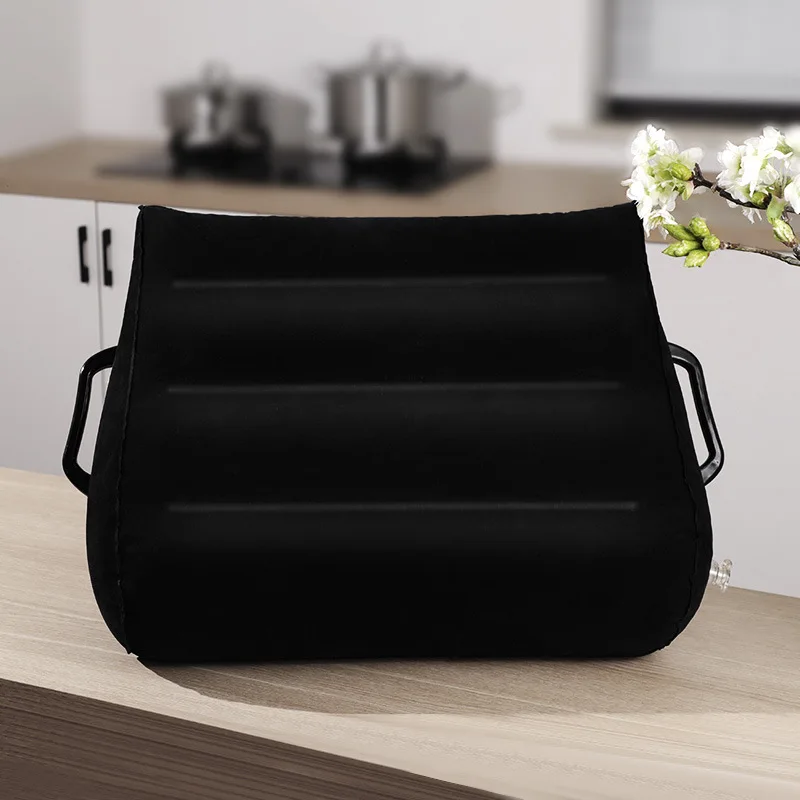



Recommended Products


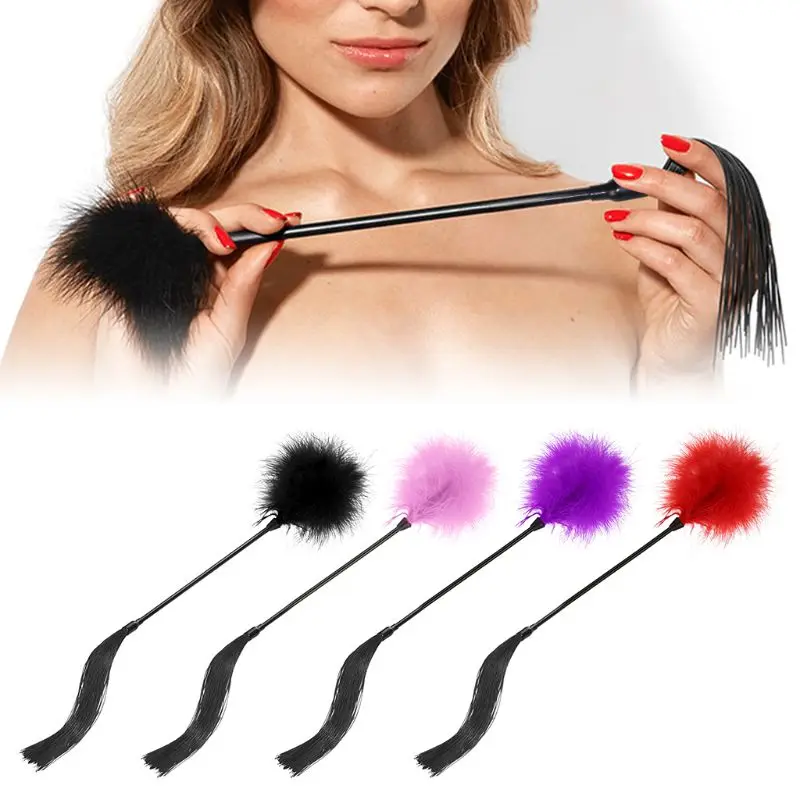

Treat this as a four-question filter before you add anything to your cart:
1. What’s our comfort temperature right now? If you’re at a 1–3 out of 10 for novelty, buy a guided conversation-and-light-sensory deck. If you’re at a 7+, a multi-sensory box with temperature play is more stimulating.
2. Who’s picking? If one partner is choosing for two, default to the conservative option. You can always escalate; you can’t un-awkward a set that went too far, too fast.
3. What’s the time budget? Some kits assume a 90-minute “date night.” Others are five-minute wind-down prompts. Match the format to your calendar, not your fantasy calendar.
4. What’s the cleanup story? A kit with eleven loose items you have to find in the drawer every time is the kit you stop using by week three. Fewer pieces, one felt pouch, one lid = higher real-world completion rate.
Safety & Care
A few non-negotiables that apply across every brand and price point:
- Always use a water-based lubricant with silicone products. Oil-based or silicone-based lotions will degrade the silicone surface over time, making it tacky and harder to clean.
- Clean before and after with mild, unscented soap and warm water. Air-dry fully before returning items to storage. A quick pass with a soft cloth is enough for most silicone and ABS components.
- Store the full kit in a breathable pouch or felt-lined box, not a sealed plastic bag. Trapped moisture encourages mold on fabric pieces and leaves residue on silicone.
- Respect age verification and local regulations. Every product in this category is 18+ (or 21+, depending on jurisdiction). Confirm your region’s legal age of purchase, and keep the kit in a location not accessible to minors.
- Stop any activity immediately if a card, prompt, or sensory item causes discomfort, pain, or emotional distress. No kit is worth overriding a partner’s “no.” The instruction booklets in well-made sets include a “pass” card—use it without guilt.
Top Recommendations
These are format types rather than single SKUs, so you can compare across brands (including the full catalog at XNXXMALL):
- Best for absolute beginners: A 20–30 card guided deck with a “stop/pass” rule printed on every card, paired with one cotton blindfold. Under $35. Low fiddliness, high conversation yield.
- Best for sensory exploration: A modular set with three interchangeable texture inserts (silicone, fabric, temperature-reactive resin) in a single magnetic case. Mid-range, $60–$90. You buy the case once and add textures later.
- Best for long-term couples breaking routine: A 100+ prompt conversation deck with no physical components. Pure verbal play. $20–$30. Surprisingly effective because it removes the “performance” pressure of props.
- Best “one-and-done” gift: A curated gift box (2–3 cards + one sensory item + a short written introduction). Under $50, shipped in a plain box. Good if you’re buying for a partner and don’t know their comfort level.
Worth It or Not? (Honest Verdict by Budget)
- Under $25: Yes, if you grab a card deck and a single blindfold or texture wheel. That’s a complete “first experiment.” Don’t expect a cinematic multi-sensory night; expect a good twenty minutes of talking.
- $25–$60: The sweet spot. Guided deck + two-to-three sensory items + a storage pouch. You’ll use this for a month or more. Most of the value in this category lives here.
- $60–$120: Good if you’re committed to making it a recurring ritual and you want variety without buying five separate small kits. The modular cases shine at this tier.
- $120+: Premium materials, aesthetic packaging, and a “wow” factor. Diminishing returns on actual play value. If your budget is here, consider splitting it: one premium sensory item + a solid card deck, rather than one luxury box.
More Options on XNXXMALL

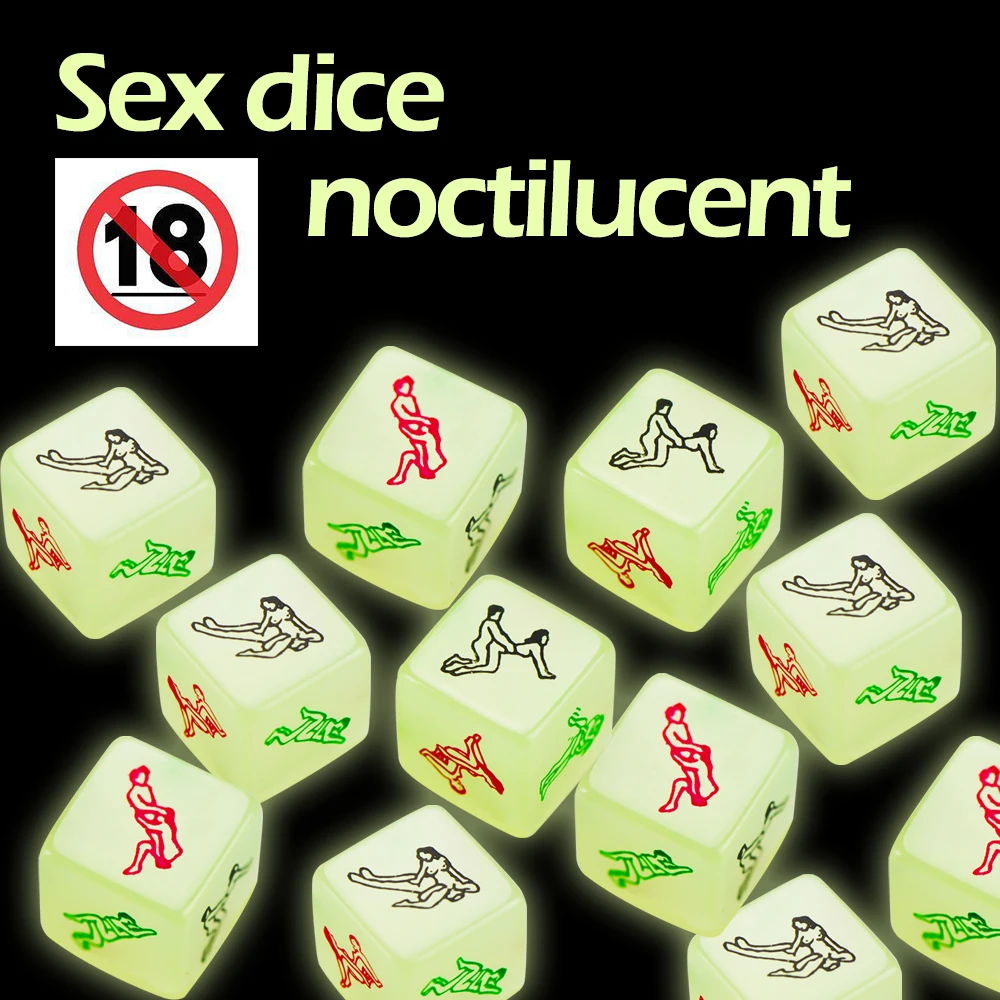

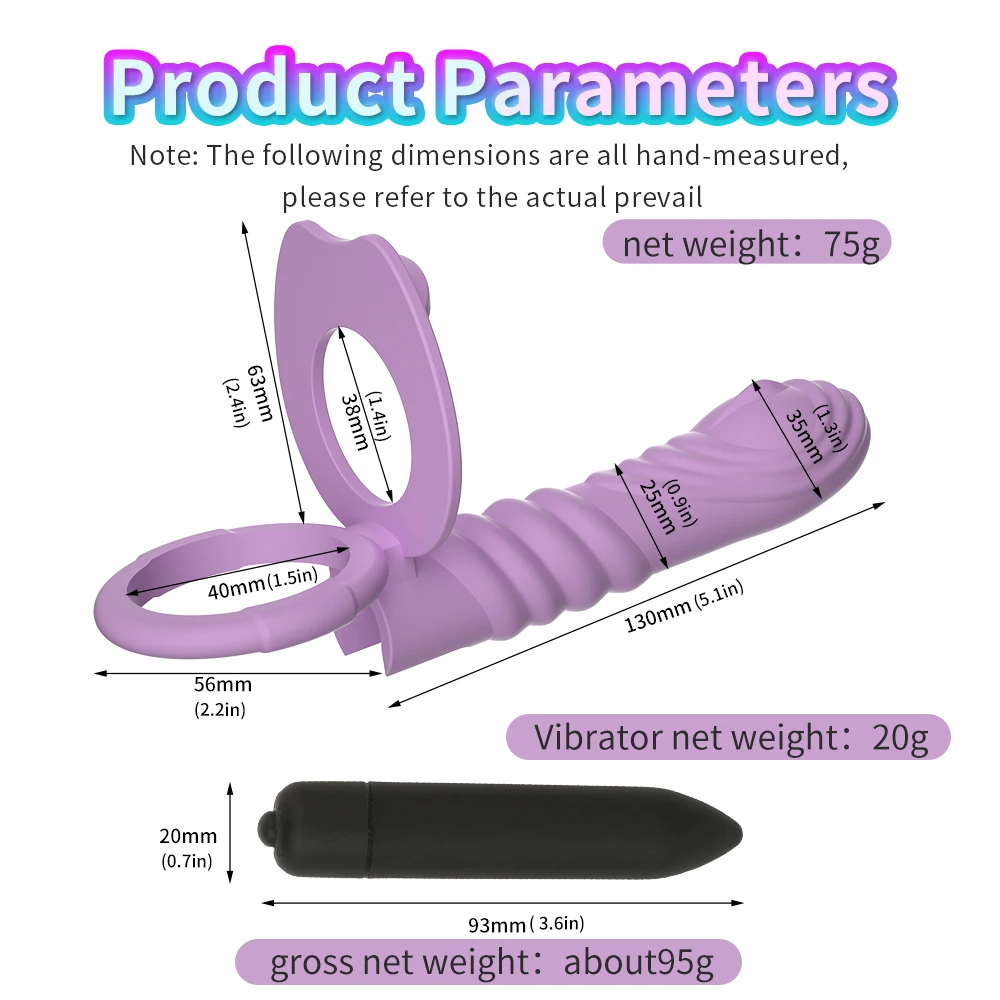
Frequently Asked Questions
: How do I know which games & activities how to choose format fits my experience level?
Start with the word “guided” in the title. Guided sets number their steps and include pass/stop options on every card. If you’ve never done a structured intimacy exercise, guided is the safest entry. Open-ended or “menu” formats are better for a second or third kit, once you’ve learned what your pair actually enjoys.
: Can I use games & activities how to choose products alone, or are they only for couples?
Many sensory and prompt kits are designed for solo use as a mindfulness or body-awareness practice. Look for wording like “self-exploration” or “solo-friendly” in the description. The trust-and-conversation decks, by nature, need two people.
: How long before I should “upgrade” my current kit?
Give yourself a full 4–6 weeks of regular use before deciding the set isn’t enough. A common mistake is buying a second kit after two nights because “it stopped being new.” The novelty dip is normal; the practice is where the value compounds.
: What’s the difference between a “sensory play” set and a “conversation” deck?
Sensory sets emphasize touch, temperature, texture, and sound—more physical, less verbal. Conversation decks emphasize questions, storytelling, and vulnerability—more verbal, less physical. The best results (per user feedback at XNXXMALL) come from pairing one of each so the physical and the conversational alternate.
: Are there any games & activities how to choose items that need special lubricant or cleaning?
Yes. Any component made of medical-grade silicone must be paired with a water-based lubricant only—oil or silicone-based products will break down the polymer. Clean all items with mild, fragrance-free soap and warm water, air-dry, and store in a breathable pouch. Follow the care card included in the box for specifics.
Final Thoughts
Choosing the right intimate game or activity set isn’t about finding the most expensive or the most elaborate product. It’s about matching the format to where your relationship actually is this week, not where you wish it were. A $30 guided card deck that you open on a Thursday night and actually finish will do more for your connection than a $200 box that sits in a drawer for six months.
Start small. Start guided. Give yourselves permission to pass, to laugh, to stop early. The product is a scaffold, not the point—the point is the two people on the other side of the card.
If you’re ready to browse the full range—from beginner card decks to modular sensory systems—visit [XNXXMALL](https://xnxxmall.com) and filter by experience level, sensory type, and price band. And for a broader, medically grounded perspective on maintaining healthy sexual and relational wellbeing, the [Mayo Clinic’s sexual-health resource](https://www.mayoclinic.org/healthy-lifestyle/sexual-health) is a calm, evidence-based place to read further between purchases.
Your next good conversation is probably one card away.
 No products in the cart.