
Anal Butt Plugs for Beginners: A Complete Buying-Decision Guide
Finding the right anal butt plugs for beginners isn’t about chasing the biggest or most elaborate product on the shelf. It’s about understanding your body’s actual needs, choosing a material that suits your sensitivity profile, and selecting a design that lets you build comfort gradually. If you’ve been researching online and feel overwhelmed by the sheer range of sizes, shapes, and materials, this guide is built to cut through the noise.
This article is written for first-time buyers and cautious upgraders who want a clear, side-by-side evaluation of what to look for, what to skip, and how to make a decision that prioritises comfort, safety, and long-term usability. No fluff. No pressure. Just the information you need to walk into a store—online or in person—and pick the right one with confidence.
What Makes a Good One: 5 Buying Factors
Before you compare products, anchor your search around these five criteria. Every recommendation in this guide is filtered through them.
1. Flared base (non-negotiable). The plug must have a clearly wider base than its insertable portion. This is a structural safety requirement, not a styling choice. Without it, the rectum’s internal sphincter can draw the product in further. Any product lacking a true flared base should be discarded immediately.
2. Tapered, narrow entry. For beginners, the diameter at the tip should be small—ideally under 3 cm—so the external sphincter can relax and adapt without strain. A gradual taper (not an abrupt step) makes insertion smoother and more comfortable.
3. Material compatibility with your skin. Silicone, glass, stainless steel, and ABS plastic each behave differently against mucosal tissue. Your sensitivity, allergies, and budget all play a role here. We break these down in the next section.
4. Weight and profile. A heavy glass plug, for example, adds pressure that can feel uncomfortable during a first session. Lighter materials like quality silicone let you focus on sensation rather than gravity.
5. Surface texture and finish. Smooth, seamless surfaces reduce micro-friction. Avoid jagged edges, visible seams, or rough texturing on a beginner product. A matte-finish silicone is generally more forgiving than a highly polished surface for first-time users.
Materials & Build Compared
Honest pros and cons matter more than marketing adjectives. Here is how the main material categories actually perform for a first-time user:
Medical-grade silicone (soft, body-safe)
- Pros: Flexible yet firm enough to hold shape; warm to the touch; easy to grip; gentle on sensitive tissue; affordable.
- Cons: Can develop micro-pores over time if not sealed properly; requires water-based lubricant only; not ideal for temperature-play use.
- Verdict for beginners: The safest default. Most first-time buyers should start here.
Borosilicate glass
- Pros: Non-porous, easy to sterilise, holds temperature, very smooth surface, long-lasting.
- Cons: Heavier than silicone; can feel rigid and unyielding; risk of cracking if dropped; a large-diameter glass plug may overwhelm a beginner.
- Verdict for beginners: Choose only a smaller diameter (≤ 2.8 cm) if you want a firmer feel. Not the most forgiving option on day one.
Stainless steel
- Pros: Extremely durable, fully non-porous, easiest to sanitise, available in very precise diameters.
- Cons: Cold to the touch initially; rigid; can feel clinical; heavier than silicone at comparable sizes.
- Verdict for beginners: Great once you know your preferred diameter. Not ideal as the very first plug because the cold, hard feel can be off-putting.
ABS / hard plastic
- Pros: Budget-friendly; lightweight; non-porous if high-quality; good for a first “test” purchase.
- Cons: Less body-friendly texture; can chip or crack; not as durable long-term; cheaper options may lack a proper flared base.
- Verdict for beginners: Acceptable as a low-cost introductory item, but verify the flared base and smooth finish before buying.
Porous materials (TPE/TPR jelly, unknown “gel” blends)
- Pros: Very soft and inexpensive.
- Cons: Can harbour bacteria in micro-pores; may leach plasticisers; difficult to fully sanitise; not recommended for mucosal contact.
- Verdict for beginners: Skip. The cost difference to a silicone product is small, and the safety gap is large.
Real Users, Real Stories
Case study (name withheld, shared with permission):
> “I bought a cheap ‘jelly’ plug from a random marketplace app because it was $9. First use, I noticed a sticky residue I couldn’t wash off, and the base was barely wider than the shaft—almost flat. I put it in for ten minutes and it was more uncomfortable than I expected. I stopped using it the next day. A friend sent me a link to a body-safe silicone plug on XNXXMALL, a 2.4 cm diameter with a proper flared base. I waited a week, used plenty of water-based lube, and the difference was night and day. No residue, no weird smell, and I could actually relax. The upgrade cost me maybe $12 more, and it completely changed the experience from ‘should I stop?’ to ‘oh, this is fine.’ I keep the cheap one in a drawer and never use it again.”
This pattern repeats in user feedback: the first impression of a beginner product is shaped almost entirely by material quality and base design. A smooth, non-porous surface and a true flare remove the two biggest sources of discomfort and anxiety for new users.
Myth vs Fact
Myth 1: “A bigger plug means a better experience, so I should skip the small sizes.”
Fact: Beginner comfort is built through gradual, unhurried sessions with a narrow, tapered insert. The body’s external and internal sphincters respond to consistent, low-pressure contact over minutes—not a single large insertion. Starting at 2–2.8 cm in diameter and progressing only when the smaller size feels fully settled is the evidence-backed approach. A large first plug increases the risk of micro-tears and makes future sessions less comfortable.
Myth 2: “You need a special ‘anal lubricant’ that’s different from any other lube.”
Fact: What you need is a generous amount of water-based lubricant. The rectum does not produce self-lubrication the way the vagina does, so more lube than you think is necessary is normal. A water-based formula is compatible with every plug material listed above (including silicone), is easy to clean, and is widely available. You do not need a product branded exclusively “for anal use”; you need adequate volume and the right base chemistry.
A Typical First-Time Conversation
A short, realistic dialogue between a first-time buyer (M.) and a trusted partner (R.) at home:
M: “I just ordered a 2.5 cm silicone plug from XNXXMALL. The tracking says it arrives tomorrow.”
R: “Cool. Did you grab the water-based lube yet?”
M: “Yeah, a 200 ml bottle. I read you’re supposed to use a lot of it.”
R: “More than feels like ‘a lot.’ You don’t need to rush. Tonight you can just hold it, feel the weight, maybe do a gentle external massage around the area so your muscles notice it’s there. No need to insert on the very first try.”
M: “That actually sounds less scary than I expected.”
R: “Exactly. The plug isn’t a test you pass or fail. It’s a tool. You can hold it, wear it for a few minutes, take it out, and call it a night. Progress on your own schedule.”
M: “And if it feels like too much pressure?”
R: “Stop. That’s the whole rule. There’s no minimum time. You can put it in for two minutes and you’ve had a perfectly valid session. No one is keeping score.”
This conversation matters because the emotional framework around a first use shapes physical comfort. A partner who normalises pausing, short sessions, and “no pressure” outcomes makes the physical experience measurably less tense—and tension is the enemy of sphincter relaxation.
How to Choose
Recommended Products
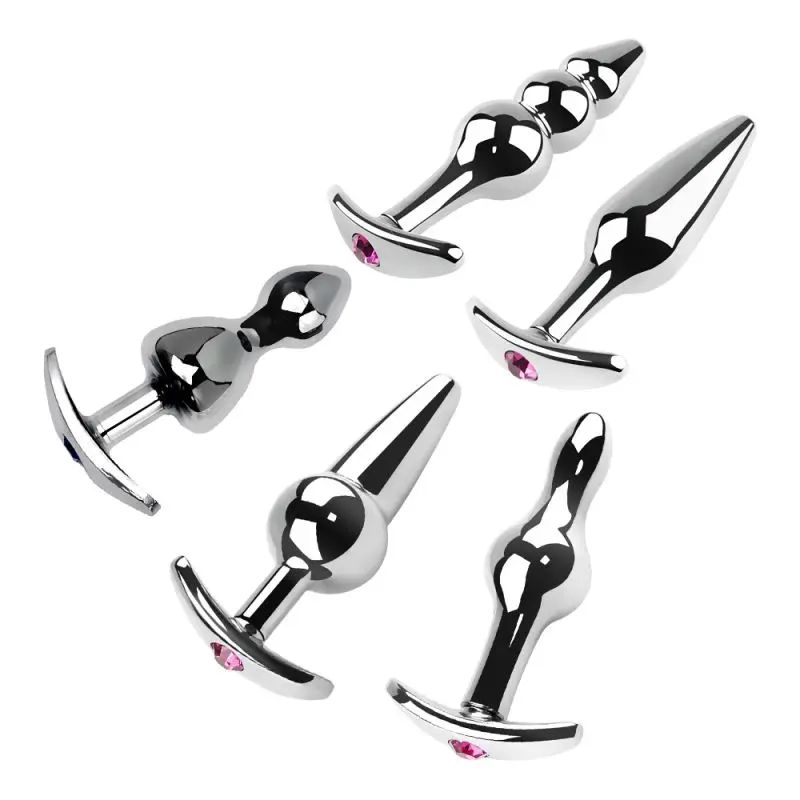

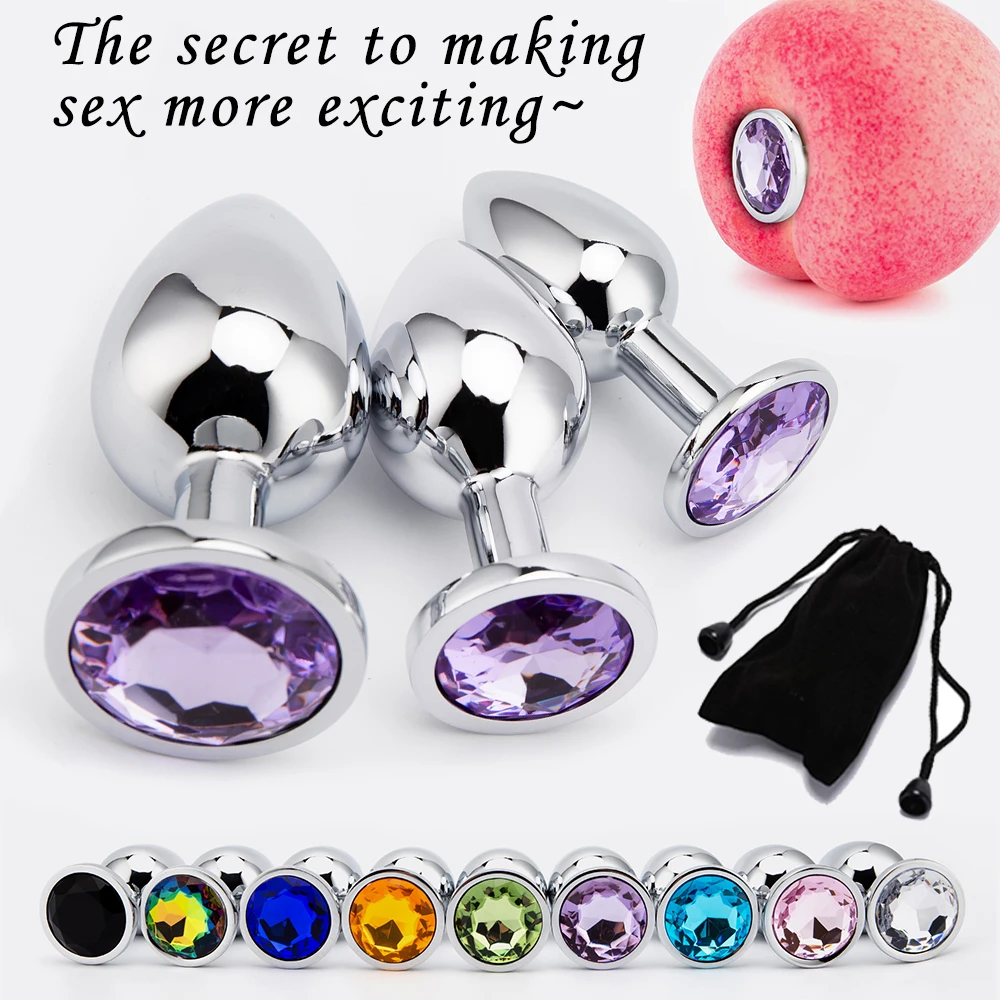
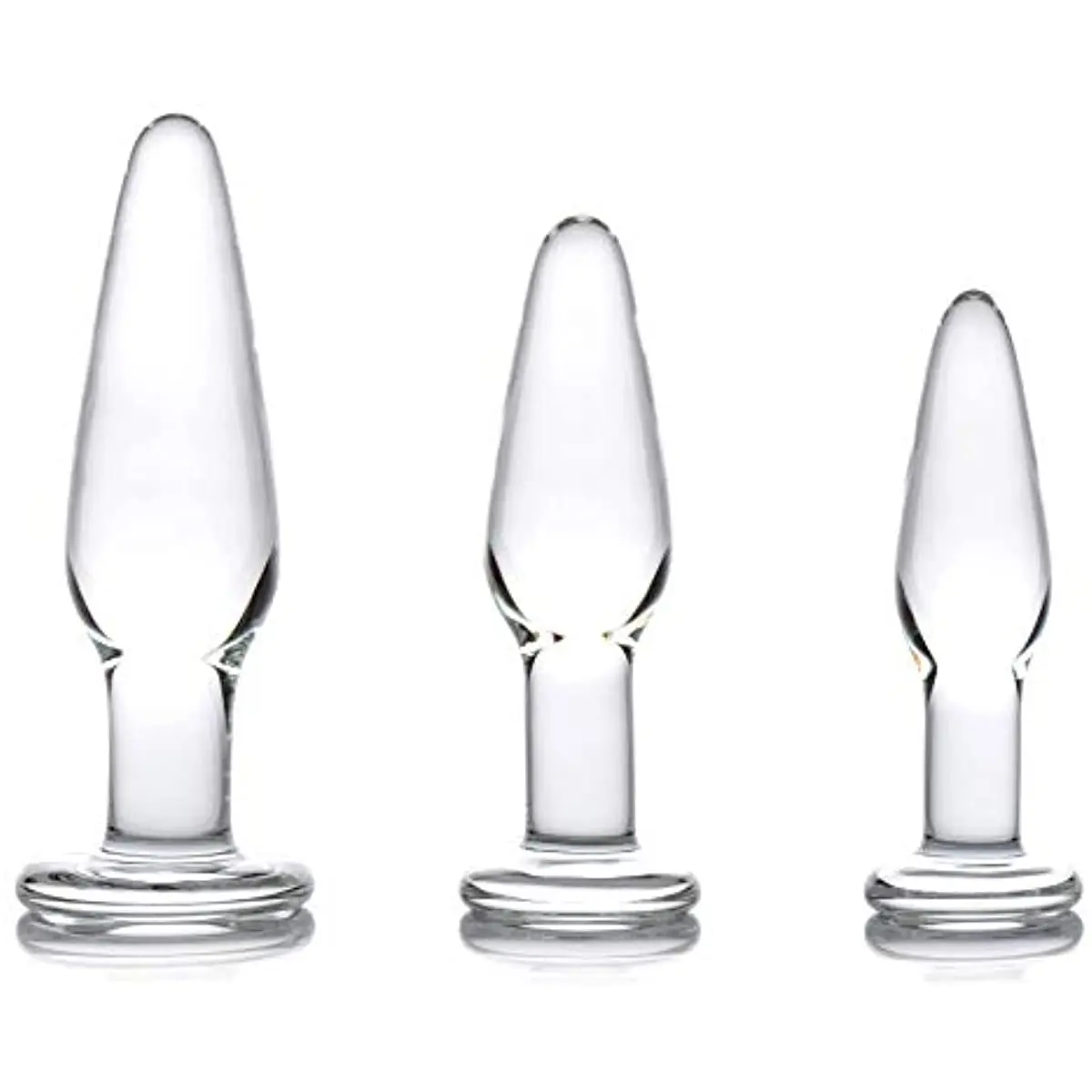
Recommended Products

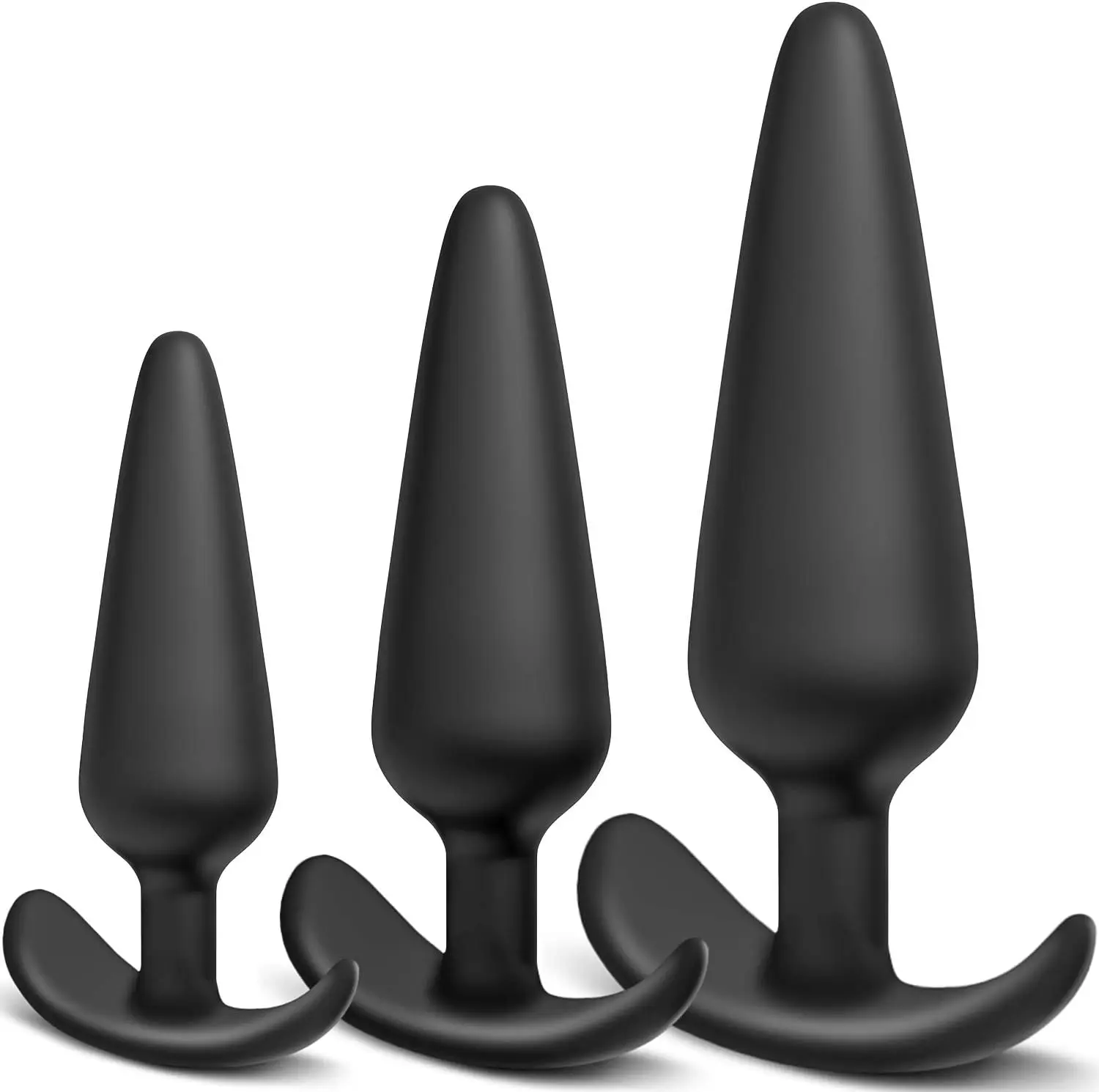
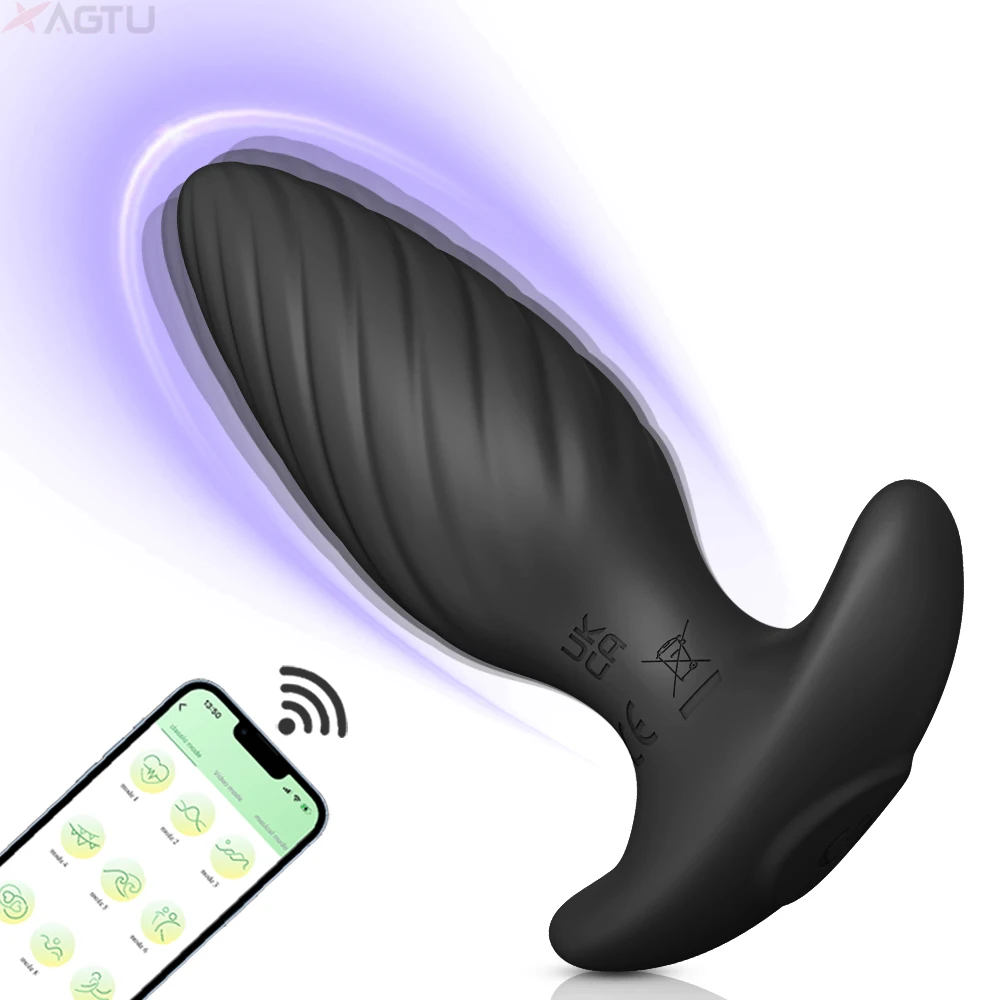
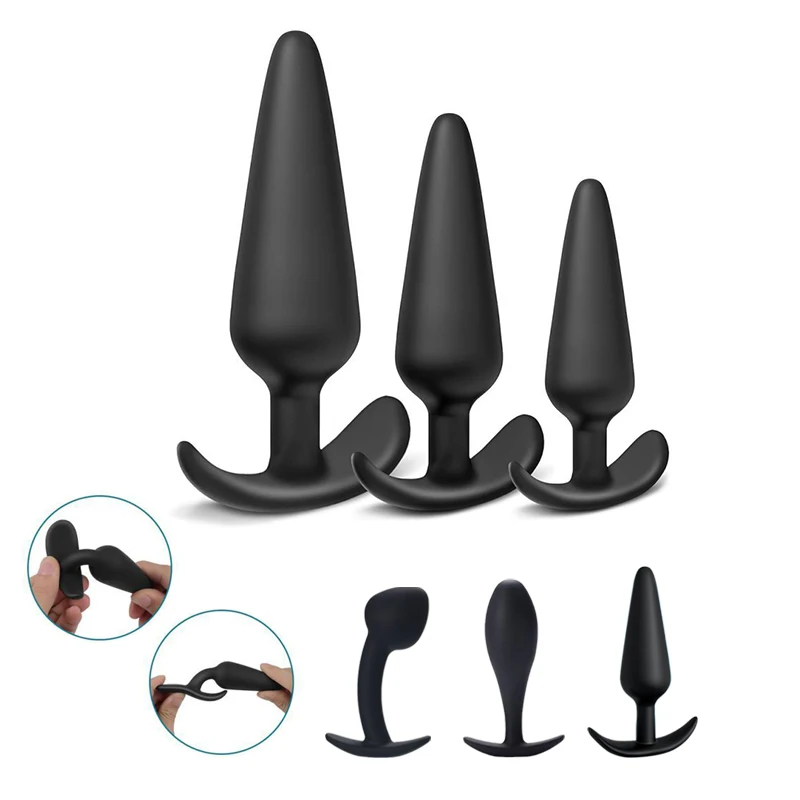
Walk through this checklist in order:
- Set your diameter ceiling. For a true beginner, 2.0–2.8 cm is the sweet spot. Don’t browse past 3 cm until you’ve had three or four comfortable sessions with the smaller size.
- Pick your material. If you’re unsure, go medical-grade silicone. It is the most forgiving for first-time use and pairs safely with water-based lube.
- Confirm the flared base. Look at the product photo or listing. The base must be visibly and structurally wider than the shaft. A “disc” that is only 2 mm wider is not sufficient.
- Check the surface. No visible mould lines, no rough texture, no sharp edges. A quality silicone plug should feel like a smooth, slightly firm eraser when squeezed.
- Read the care instructions on the listing. If a product tells you to use “compatible lubricants” without specifying, that’s a yellow flag. A trustworthy retailer like XNXXMALL will state “use water-based lubricant with silicone” clearly.
- Budget check. A body-safe silicone beginner plug in the 2.0–2.8 cm range typically sits in the $15–$35 band. Below $10, scrutinise material quality. Above $50 for a beginner size, you are paying for a brand premium or a temperature-play feature you may not need yet.
Safety & Care
These are non-negotiable care principles. Treat them the way you’d treat any personal health product:
- Always use a water-based lubricant with silicone products. Silicone-based or oil-based lubricants can degrade silicone over time, creating micro-cracks where bacteria can lodge.
- Clean before and after with mild soap and warm water. A simple wash is sufficient for most silicone and glass plugs. For deeper sanitising, a short soak in a 10% bleach solution (for non-porous items only) or boiling water (glass, stainless steel) works well.
- Store in a breathable pouch. A cotton or muslin bag keeps the plug away from dust and other products while allowing air circulation. Avoid sealed plastic bags, which trap moisture.
- Respect age verification and local regulations. All reputable retailers, including XNXXMALL, enforce 18+ age checks. Confirm that your jurisdiction’s consumer-product and health regulations are met before purchasing, especially if you are in a region with stricter import rules on personal wellness items.
- Stop immediately if you feel sharp pain, bleeding, or a “pinching” sensation. Discomfort that lingers beyond a few seconds of initial adjustment is a signal to pause, not push through.
- Never use numbing agents on the anal area without medical guidance. They mask the feedback your body uses to tell you when something is wrong.
Top Recommendations
| Tier | What to look for | Why |
|—|—|—|
| Starter (budget-friendly) | 2.2–2.5 cm medical-grade silicone, smooth matte finish, integrated flared base, ~$15–$25 | Low risk, low cost, correct geometry. A safe first purchase. |
| Mid-range (comfort-focused) | 2.5–2.8 cm double-density silicone (firmer core, softer outer layer), ~$30–$50 | The dual-density design gives beginners a gentle initial grip that firms up as the body warms, reducing the “slip” that surprises new users. |
| Upgrade / second plug | 3.0–3.5 cm borosilicate glass or 316 stainless steel, ~$40–$70 | Introduce a different texture and temperature response once the smaller silicone plug feels routine. |
All three tiers are stocked at XNXXMALL with clearly labelled material certifications and sizing charts.
Worth It or Not? (Honest Verdict by Budget)
- Under $15: You can find a passable ABS or low-tier silicone plug, but the build quality is hit-or-miss. If your budget truly caps here, check the flared base and seam finish before ordering. It is a fine “test” purchase but not something you will keep long-term.
- $15–$50: This is the sweet spot for beginners. You get a body-safe silicone plug with proper geometry, a smooth finish, and a manufacturer’s material safety data sheet. The comfort-to-price ratio peaks here.
- $50–$100+: You are paying for premium materials (high-purity glass, surgical steel), temperature-play capability, or brand trust. None of that is necessary for a first experience. Revisit this tier after two or three months of consistent, comfortable use.
- Free / DIY “alternatives”: Household items (bottles, eggs, etc.) are not safe substitutes. They lack a flared base, are unpredictable in diameter, and carry a real risk of rectal perforation or object retention requiring hospital intervention. Do not improvise.
More Options on XNXXMALL
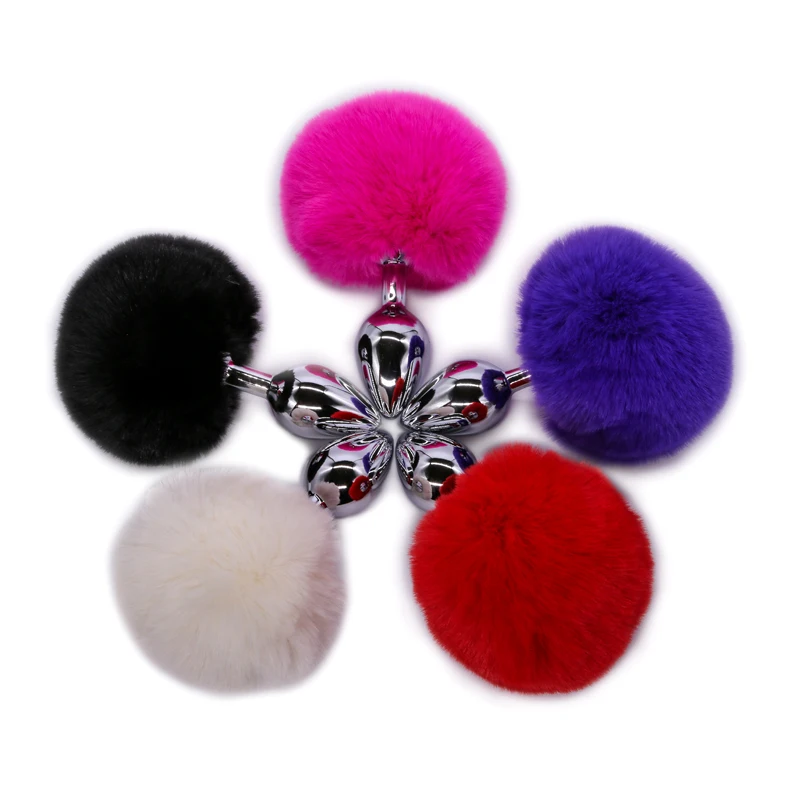

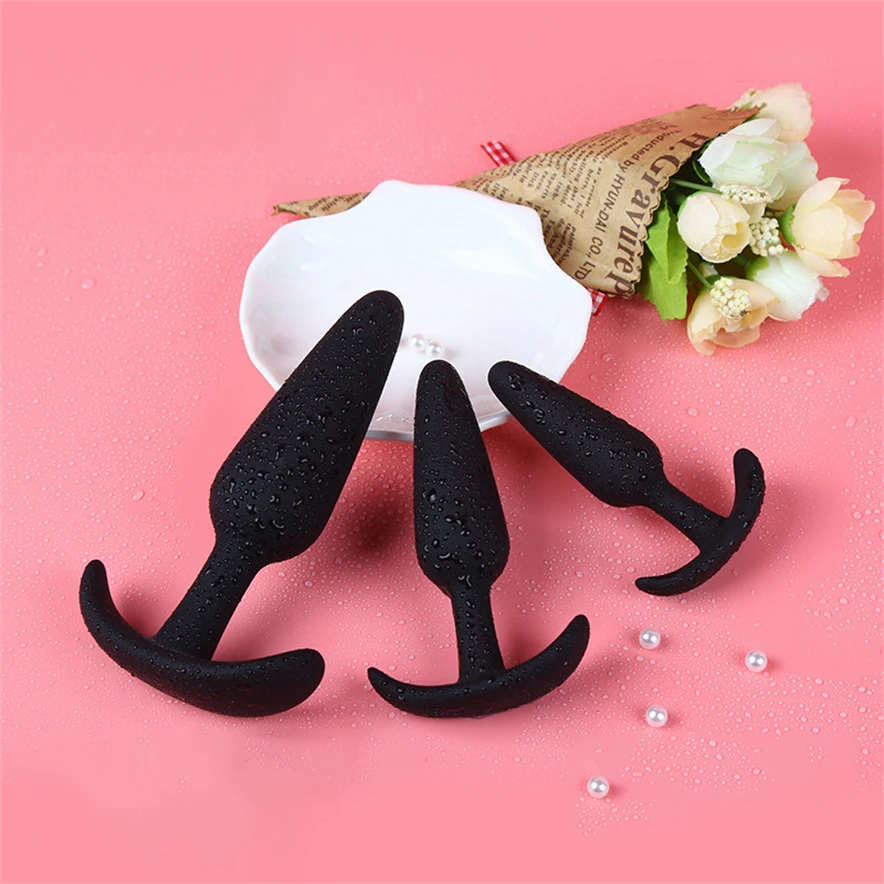
Frequently Asked Questions
: What size anal butt plugs for beginners should I start with?
A: A 2.0 to 2.8 cm diameter with a gradual taper and a clearly flared base. The goal is for the plug to feel “present but not straining.” If you feel constant pressure after two minutes, the size is too large for your current comfort level.
: Can I use a silicone lube with a silicone anal butt plug for beginners?
A: No. Pair silicone plugs exclusively with water-based lubricant. Silicone-on-silicone contact can degrade the plug’s surface over repeated uses, creating porous micro-cracks. A $6–$10 water-based bottle is the correct pairing.
: How many sessions should I wait between different anal butt plugs for beginners sizes?
A: There is no medical mandate, but most practitioners suggest waiting at least a few days between moving up in size to let the tissue recover fully. If you are moving from 2.5 cm to 3.0 cm, a week of comfortable use at the smaller size before upgrading is a reasonable pacing cue.
: Are anal butt plugs for beginners safe to use while pregnant or with a recent pelvic surgery?
A: No. Avoid all anal products during pregnancy and for at least the full recovery period after pelvic or perineal surgery (typically 6–8 weeks minimum, per your surgeon’s clearance). Consult your healthcare provider before introducing any new product to that area.
: Where can I find vetted, body-safe anal butt plugs for beginners without buying from an unknown marketplace?
A: Established retailers that publish material certifications, size guides, and clear care instructions are the safest channel. XNXXMALL lists each product’s material grade, diameter, base width, and recommended lubricant type on the product page, which makes a safe first purchase straightforward.
Final Thoughts
The single most important takeaway from this guide: a beginner’s first plug is not a performance tool. It is a body-awareness tool. The right one is the smallest, smoothest, properly flared silicone plug you can find at a price that does not make you flinch. Use water-based lube generously, give yourself permission to pause, and let your own timeline—not a product’s diameter—decide when you are ready to move up.
If you want a curated, size-chart-driven selection with transparent material labels, browse the beginner-friendly range at [XNXXMALL](https://www.xnxxmall.com). For a broader, evidence-based perspective on sexual wellness and pelvic health, the [Mayo Clinic’s sexual health section](https://www.mayoclinic.org/healthy-lifestyle/sexual-health) is an excellent, medical-reviewed starting point.
You don’t need to do this perfectly. You need to do it safely, at your own pace, and with a product that was designed for your first session—not someone else’s third. Take the first small step. Your body will meet you there.
 No products in the cart.